

AtCorfu – The Independent Corfu Travel Guide
Of The Most Interesting
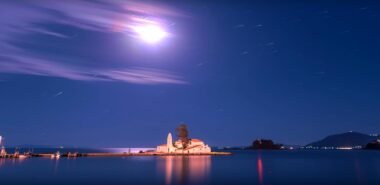
Corfu Island
Corfu Culture

Corfu Travel Info
Corfu Sights
Traveling Greece
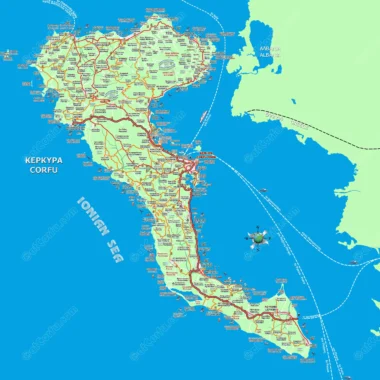
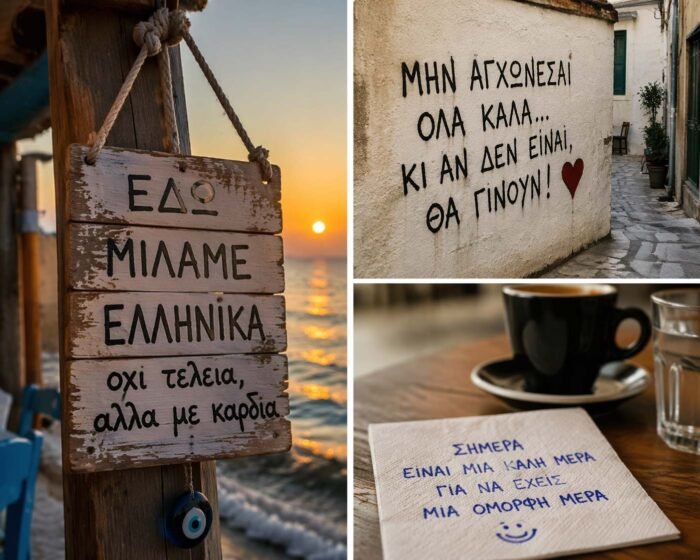
Corfu Dialect app
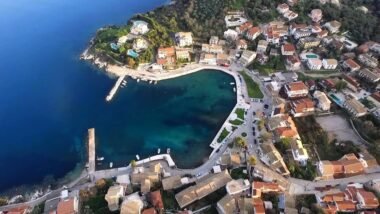
Photos & Videos
Corfu Restaurants
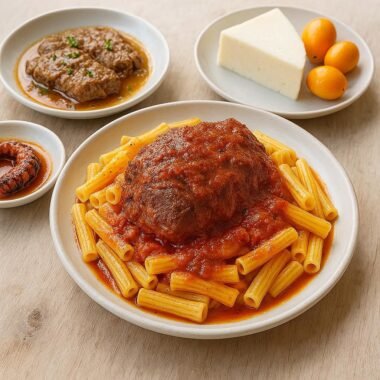
Corfu Cuisine
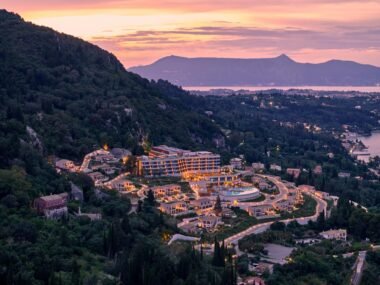
Accommodation in Corfu
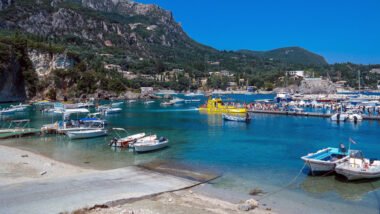
All Corfu resorts
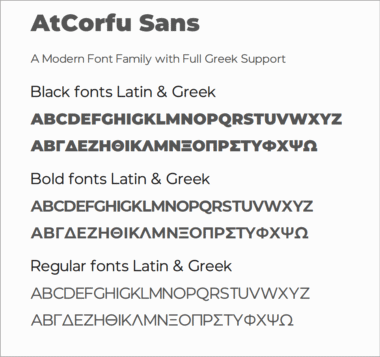
AtCorfu Sans
Corfu maps
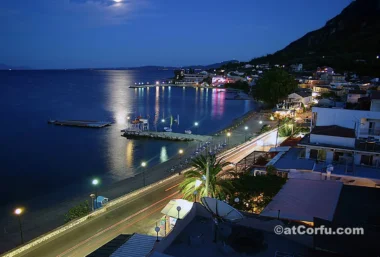
Benitses
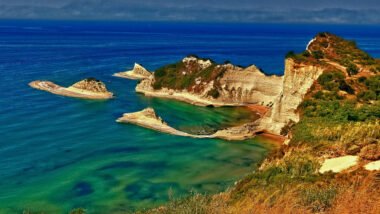
Beaches in Corfu
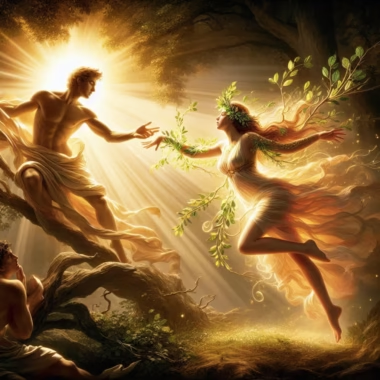
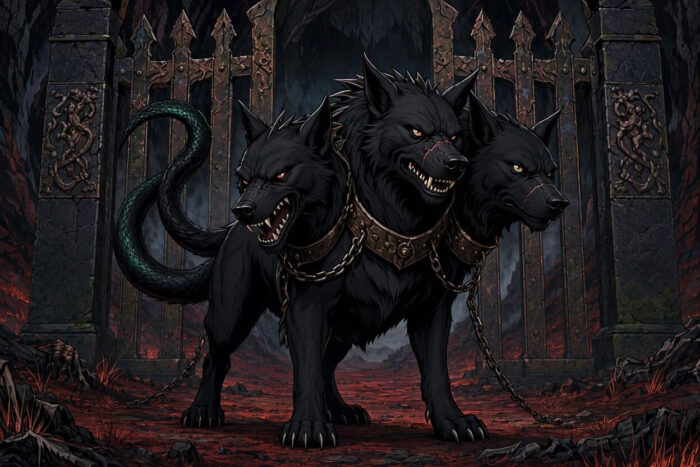
Greek Mythology

Greek Mythology tales
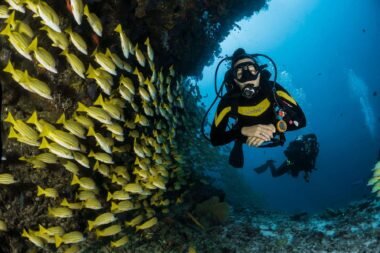
Things to Do


AtCorfu is an independent travel guide on Corfu.
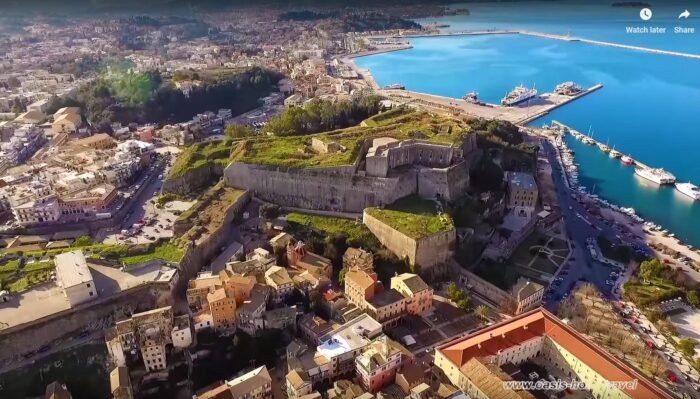
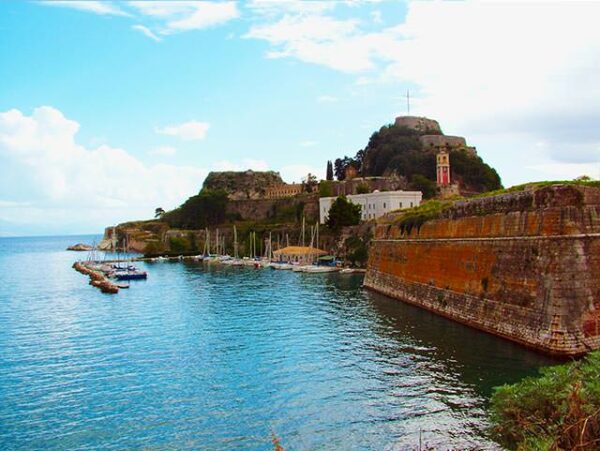
Created to help visitors explore Greece’s greenest Ionian island, we cover everything from the Venetian architecture of Corfu Old Town and the emerald coves of Paleokastritsa to the diverse coastal villages stretching from Benitses to Kavos.
Alongside practical travel information, we also explore the island’s history, culture, beaches, and lesser-known places.
Our guides are organized into dedicated sections covering beaches, accommodation, transport, and cultural sights, making it easier to discover every part of Corfu.
For practical travel logistics, transport timetables, and step-by-step holiday tips, visit our Corfu page. Otherwise, browse our core travel categories below.
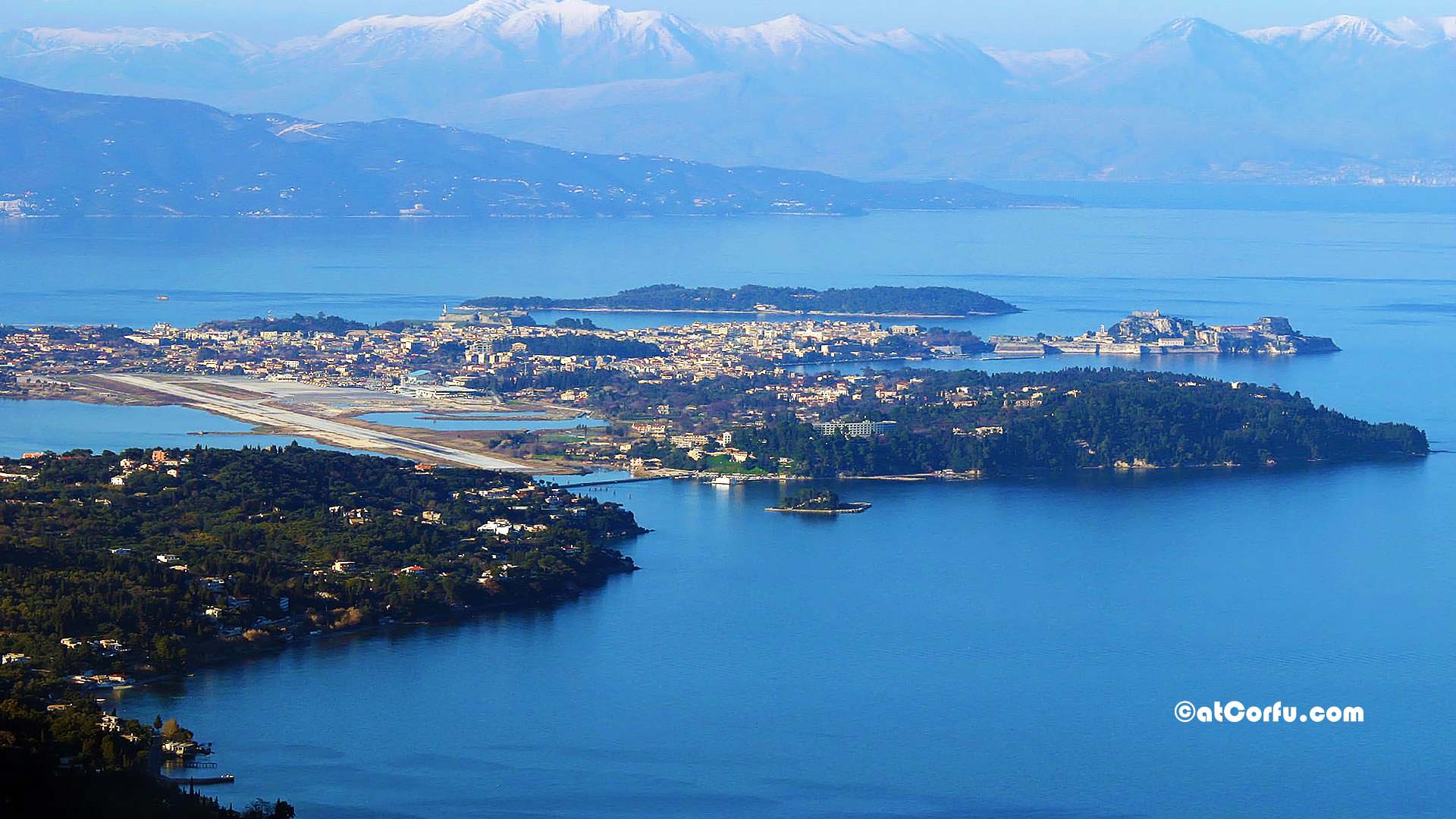
AtCorfu provides detailed guides, maps, photos, and local information to help you explore the island.
Find info about the tourist infrastructure, accommodation, the Best Beaches, the Sights, and Attractions, as well as the manners, customs, and Cultural events of the island that a future visitor needs to know.
Corfu Travel and Holidays Blog
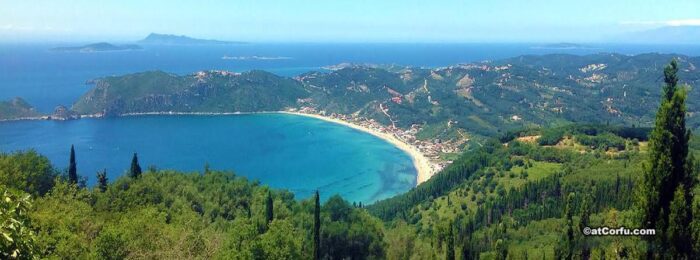
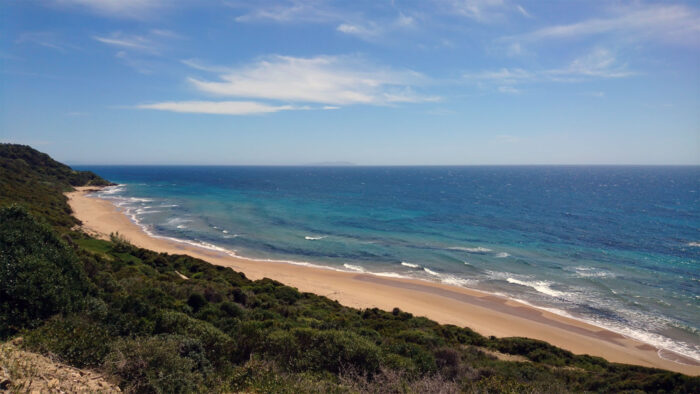
Corfu is an island located in the northwestern corner of Greece in the north Ionian Sea, and is one of the most interesting and beautiful places in the country, the greenest Greek island with lush vegetation, emerald sea and long sandy coasts, a landscape covered in cypress trees, olive groves and wildflowers.
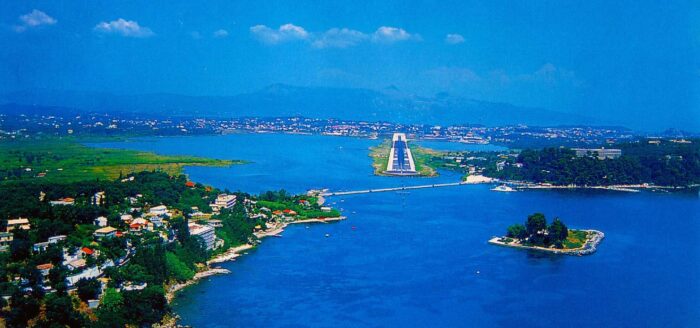
The International Airport Ioannis Kapodistrias, just three miles from the center of Corfu town, along with the Port, are the main gates connecting the island with the world.
The island offers for exploring a traditional medieval town unchanged in time, countless traditional bustling villages and tourist destinations with lively nightlife; holidays in Corfu suit all tastes and ages.
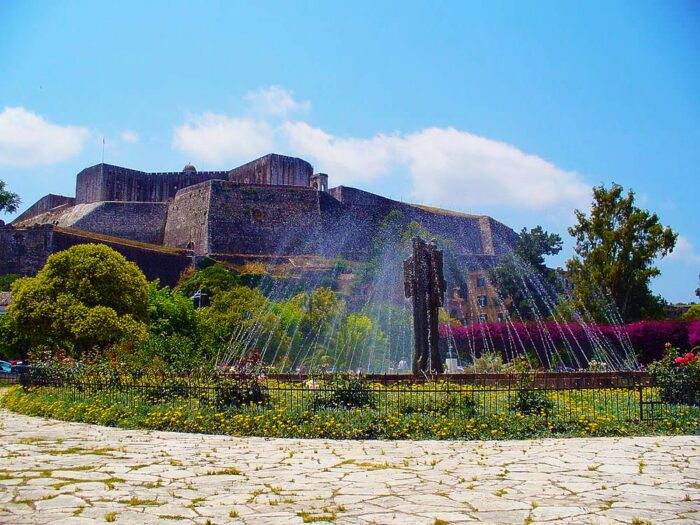
Today it is a very popular holiday destination with destinations of unsurpassed beauty, a very rich historical and cultural heritage, and beautiful buildings and monuments that do not exist anywhere else in Greece.
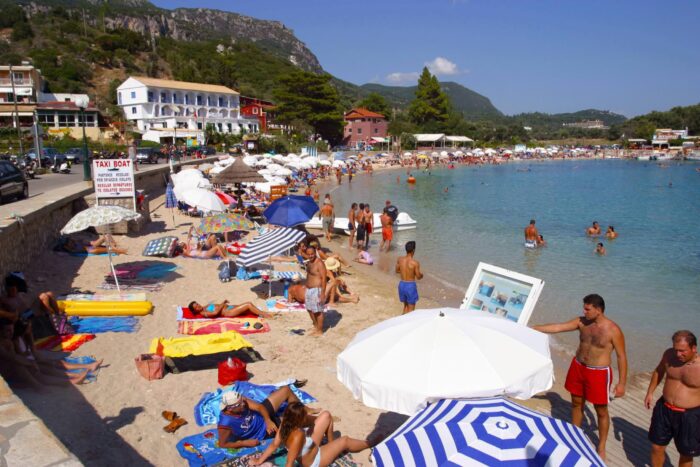
We present weird things that a visitor can do and see in Corfu, such as the Sights and monuments, the sports activities around the island, the most important tourist resorts, and the best beaches, especially those on the west coast of the island.
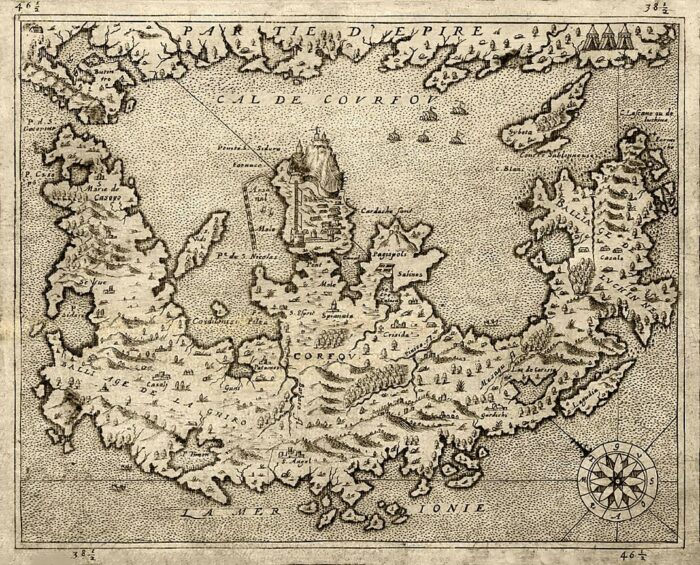
There are detailed and accurate weather forecasts for the island and all of Greece for a period of 5 days on the page about the weather. Large maps for Corfu, maps for the town, old Corfu town, and maps for some busy tourist resorts.
Easy information about distances in Corfu, and the ways of transportation using the blue buses for the urban area or Green buses for every corner of the island.
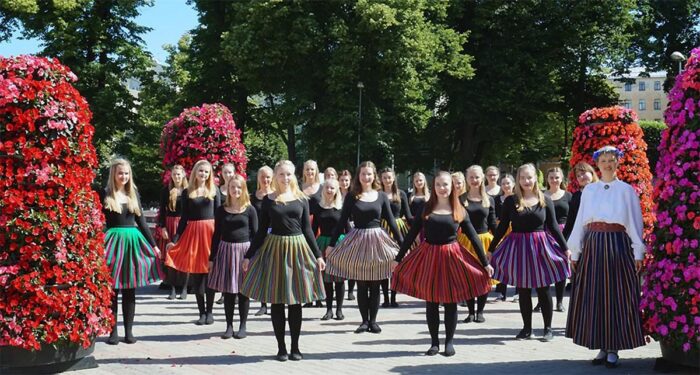
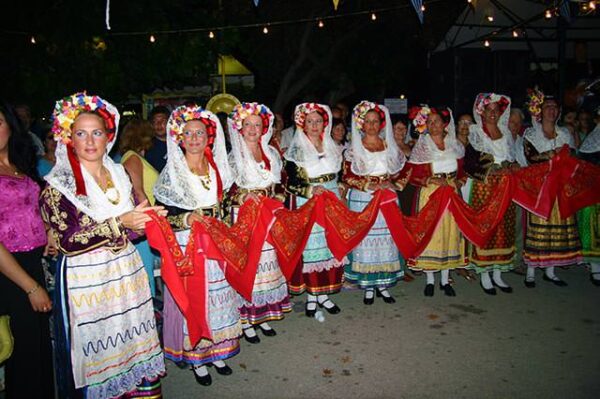
We also contain reports and information about the rich Corfiot culture, a complete list of all museums, monuments, and archaeological sites, a presentation of cultural events and celebrations, with a special page dedicated to the famous celebration of Easter.
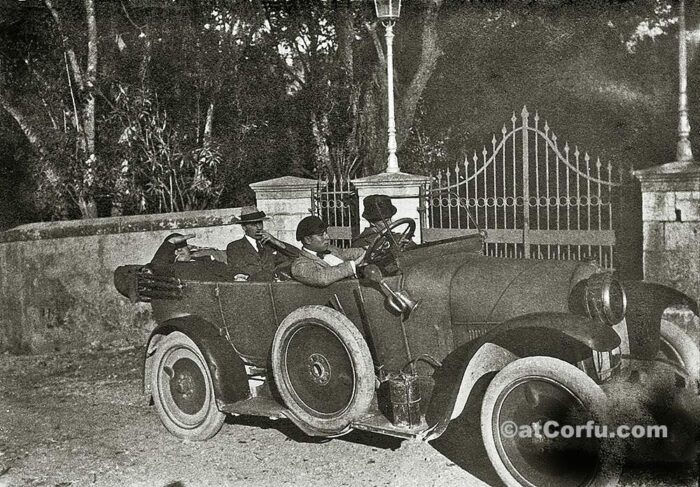
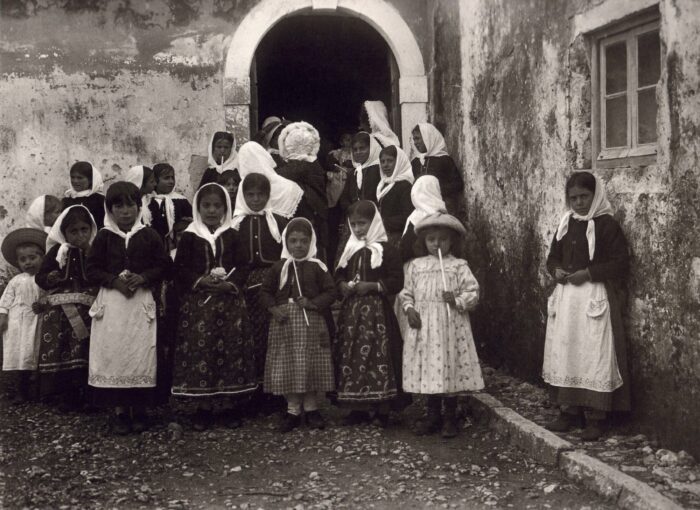
There is a great variety with thousands of new and old photos, including hundreds of historical old black and white pictures from Corfu as well as historic old photos from Greece of the beginning of the 20th century.
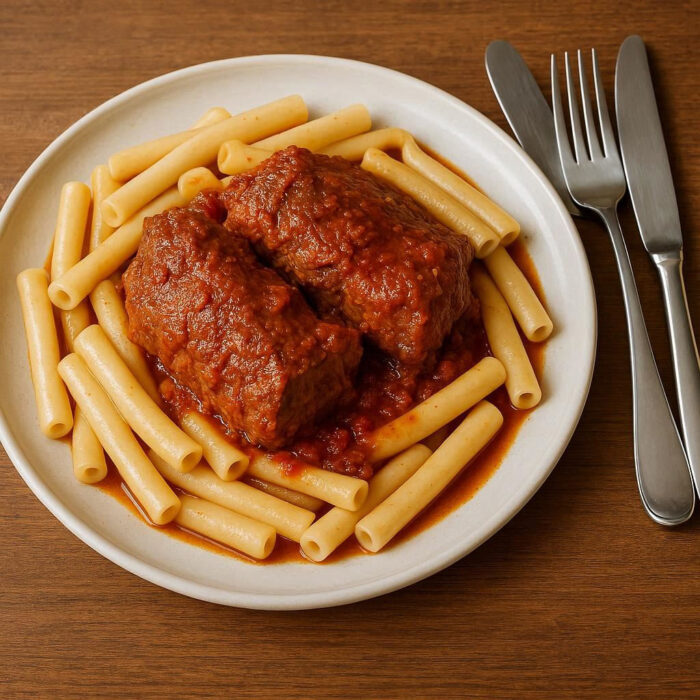
We have recipes for the principal dishes of the local cuisine on the page about Corfiot cuisine, and finally the exciting history of Corfu with details from antiquity to today.
Featured places
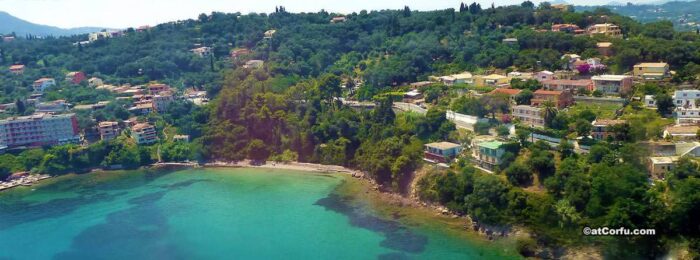
Benitses

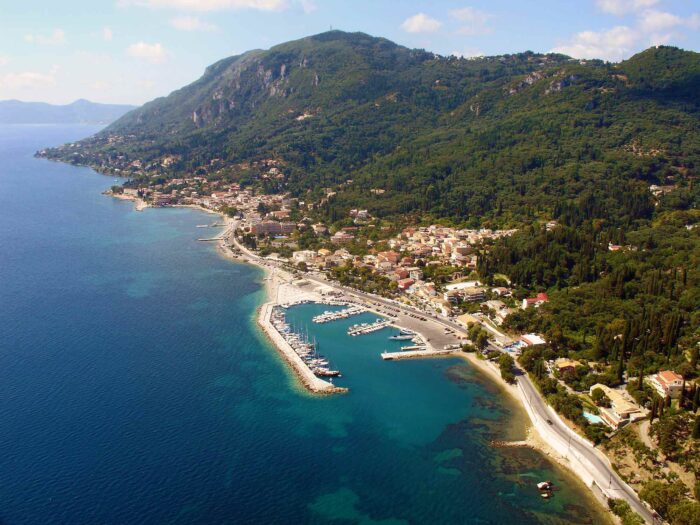
A charming seaside village on the east coast of Corfu, known for its history, local character, and relaxed atmosphere.
Benitses village, on the East coast, holds a special place in our Blog; after all is our hometown.
There are extensive references to the sights and places worth visiting in Benitses and the surrounding area, such as the sea museum, the ruins of the Roman villa with remnants of thermal baths, the new marina of tourist boats, the Achilleion Palace in Gastouri, etc… are all listed so you can plan your stay and not miss anything of interest to you.
Also, information on nightlife and on many renovated hotels, rooms, and apartments, info for many restaurants, cafes, and all sorts of shops in Benitses and the surrounding area.
A complete cultural guide with the celebrations, events, and festivals of the village is included too, with many photographs, aerial photos, and above all a unique collection of very old black and white historical photos showing what the village used to be like, and how our ancestors lived in the past.
Explore More of Greece
Corfu is only one part of a much larger Greek story, so AtCorfu also explores the language, mythology, and history that shaped Greek culture.
Greece Travel Guide
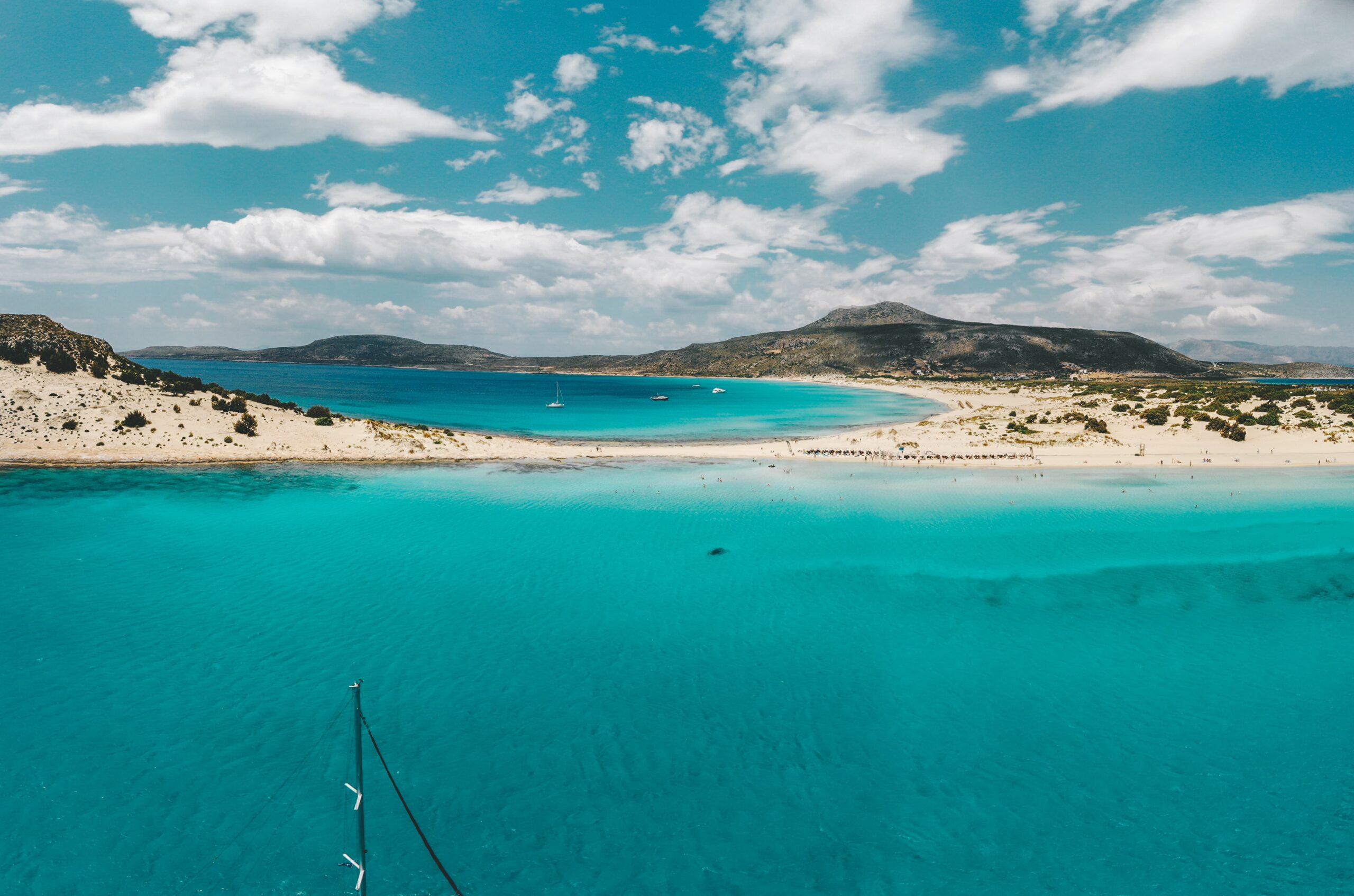
Explore Greece beyond Corfu, from mainland destinations to other islands, with practical travel guides and tips.
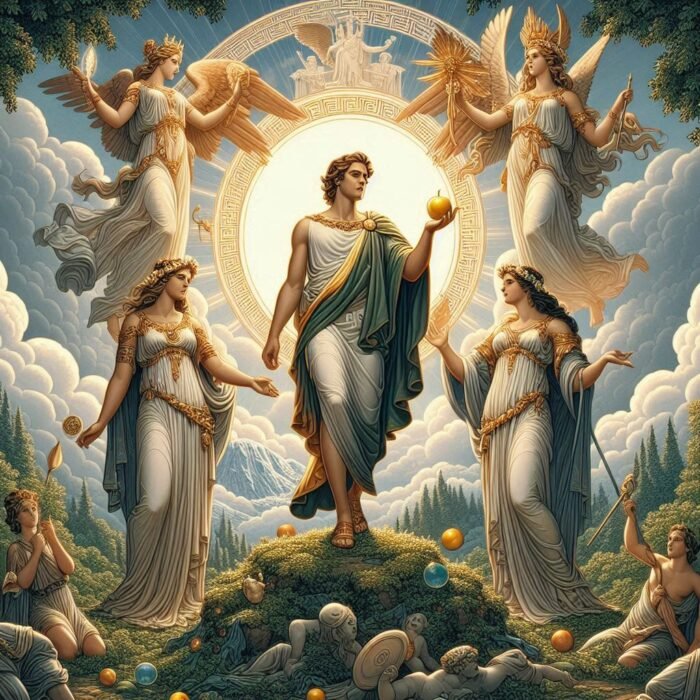
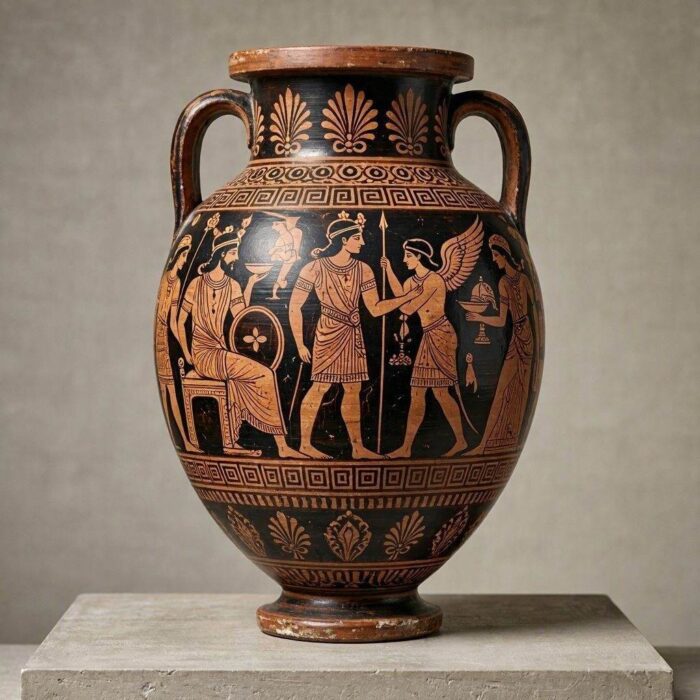
Greek Mythology

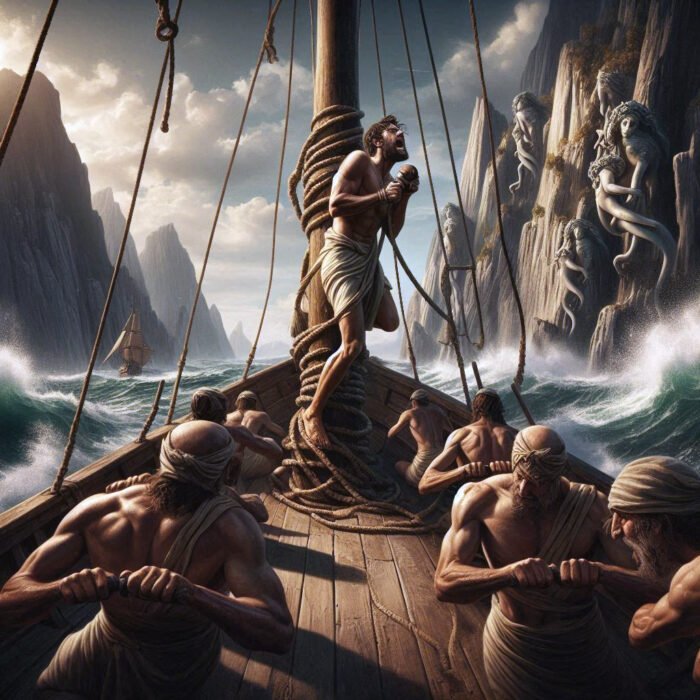
Discover the stories of Greek gods, heroes, and myths that shaped Greek culture and history.
👉 Explore Greek mythology
The Living Greek Language
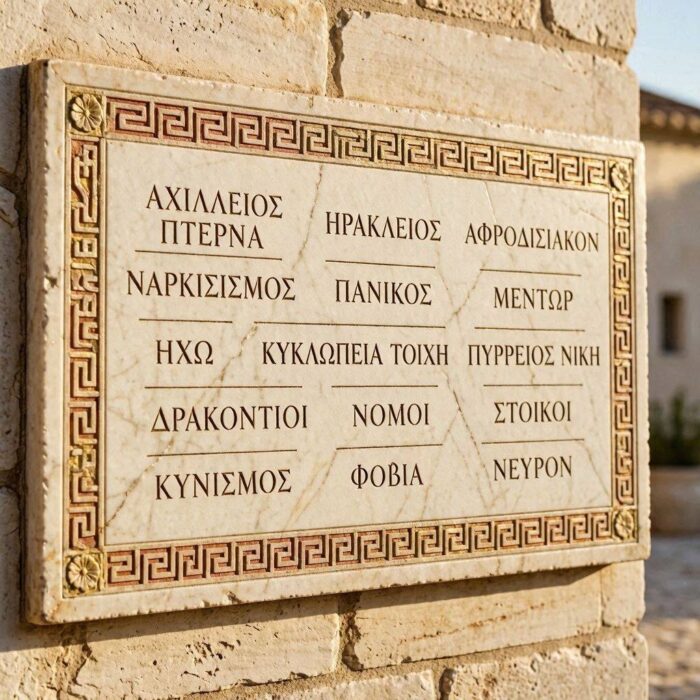
Discover how the Greek language has influenced English and explore common words, meanings, and expressions still used today, including everyday slang like malaka, plus many more swear words.
👉 Greek language explained
👉 AtCorfu Sans is our own font, designed for Greek and Latin text. Download / see it here.