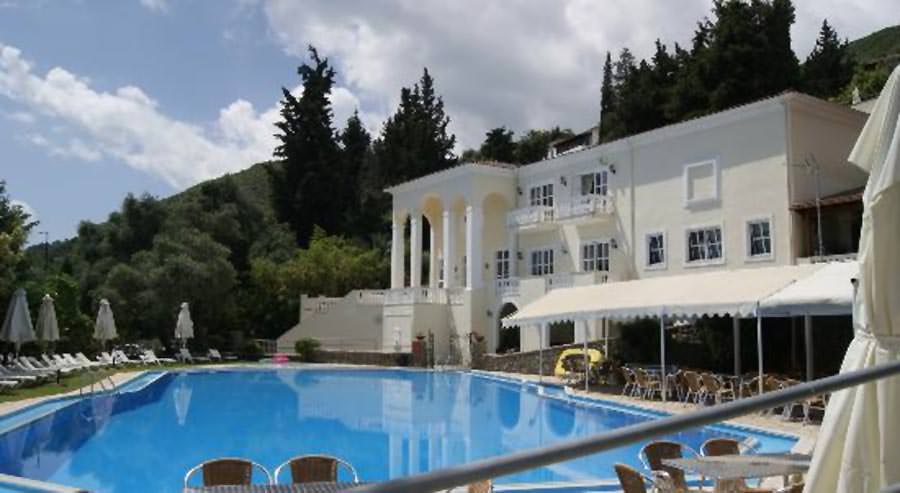
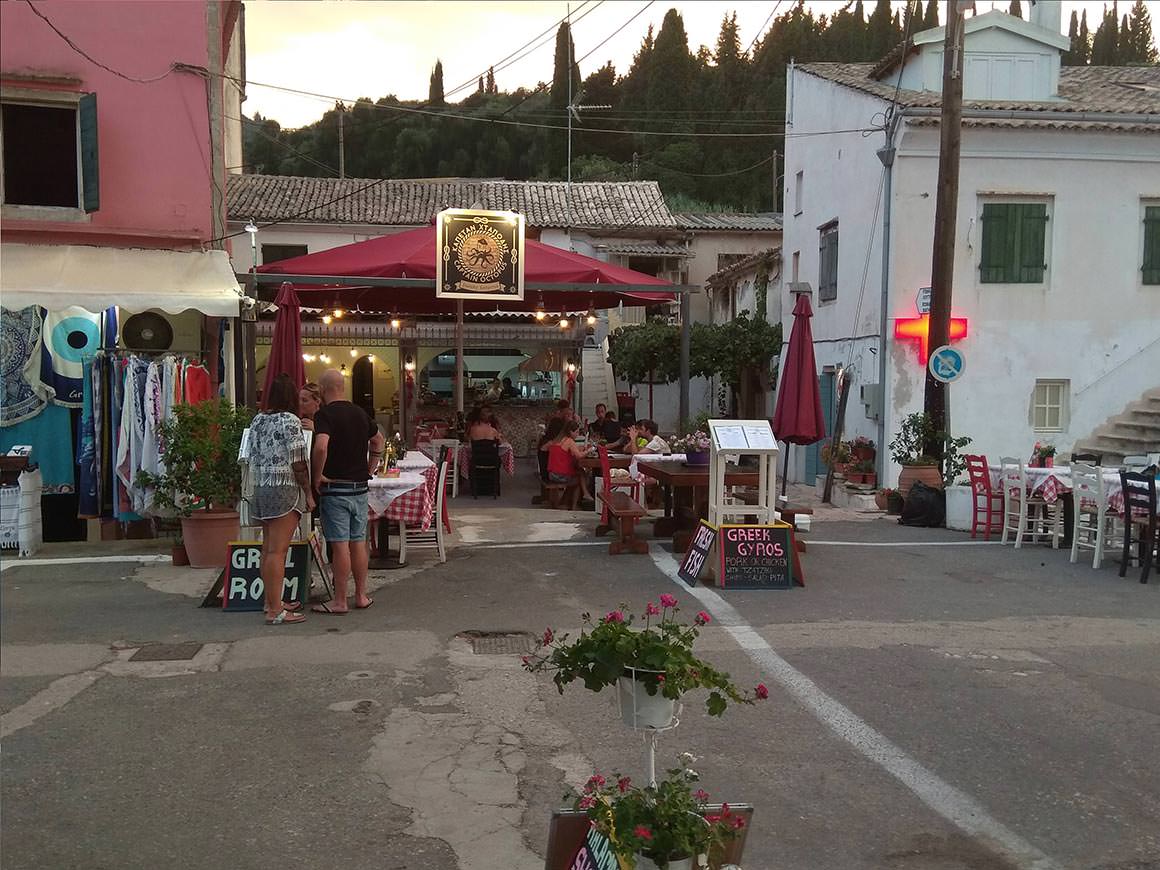
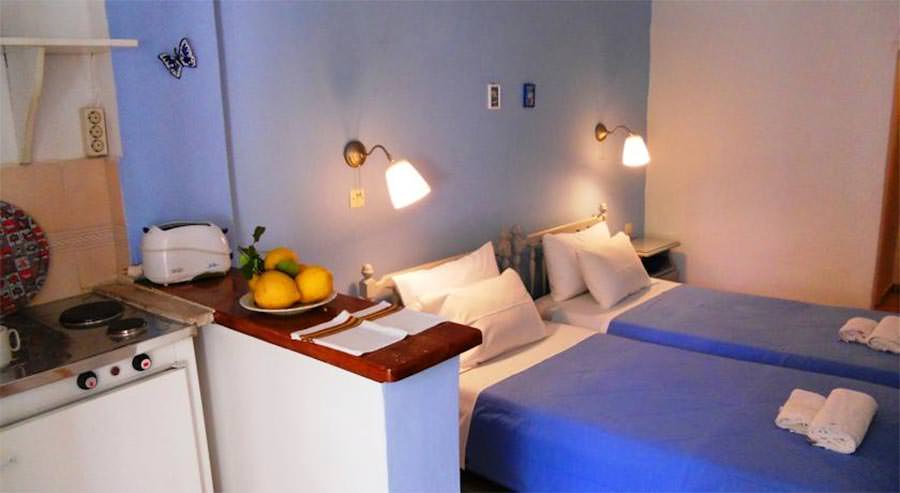
Nestled in a peaceful corner of Benitses, Corfu Village Hotel offers a warm welcome and breathtaking views. Guests repeatedly praise the friendly and attentive staff, who make every stay feel personal—from helpful check-ins to thoughtful touches throughout the property. The rooms are clean, comfortable, and well-equipped, often featuring balconies with stunning sea vistas that start your day with the perfect sunrise.
Families and couples alike appreciate the value for money: the hotel combines cozy accommodations with a range of amenities, including a refreshing pool, on-site parking, and convenient kitchen facilities. While some note that the property sits on a gentle hill, this only adds to the tranquility, keeping you away from the busy streets yet still within easy reach of local taverns, shops, and the beach.
Whether you’re enjoying breakfast in the sun, taking a leisurely swim, or exploring the charming village nearby, Corfu Village Hotel balances relaxation and convenience effortlessly. Many guests highlight the attentive service, spotless rooms, and quiet, scenic surroundings as reasons they’d happily return.
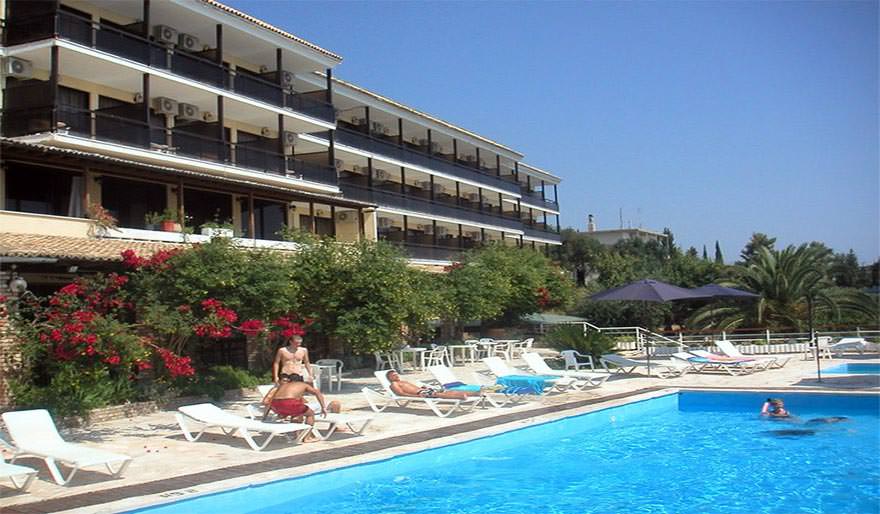
Perched above the Ionian Sea in the village of Benitses, Corfu Maris Bellos Hotel offers a tranquil retreat with panoramic views, a private beach, and a range of amenities. However, guest experiences vary, with some highlighting its strengths and others pointing out areas for improvement.
🏨 Hotel Overview
Location: Approximately 15 km from Corfu Town, accessible via a 20-minute walk or a short bus ride.
Facilities:
Outdoor pool with sun loungers
Private shingle beach
Indoor pool and spa services
Tennis court (currently not in use)
Restaurant offering Mediterranean cuisine
Bar with evening entertainment
Room Features:
Sea-view balconies
Air conditioning
Free Wi-Fi in public areas
Daily housekeeping
🧳 Guest Reviews
Guests appreciate the hotel’s location, offering stunning sea views and a peaceful atmosphere.
The staff is often described as friendly and accommodating.
The outdoor pool and beach area are noted for their cleanliness and comfort.
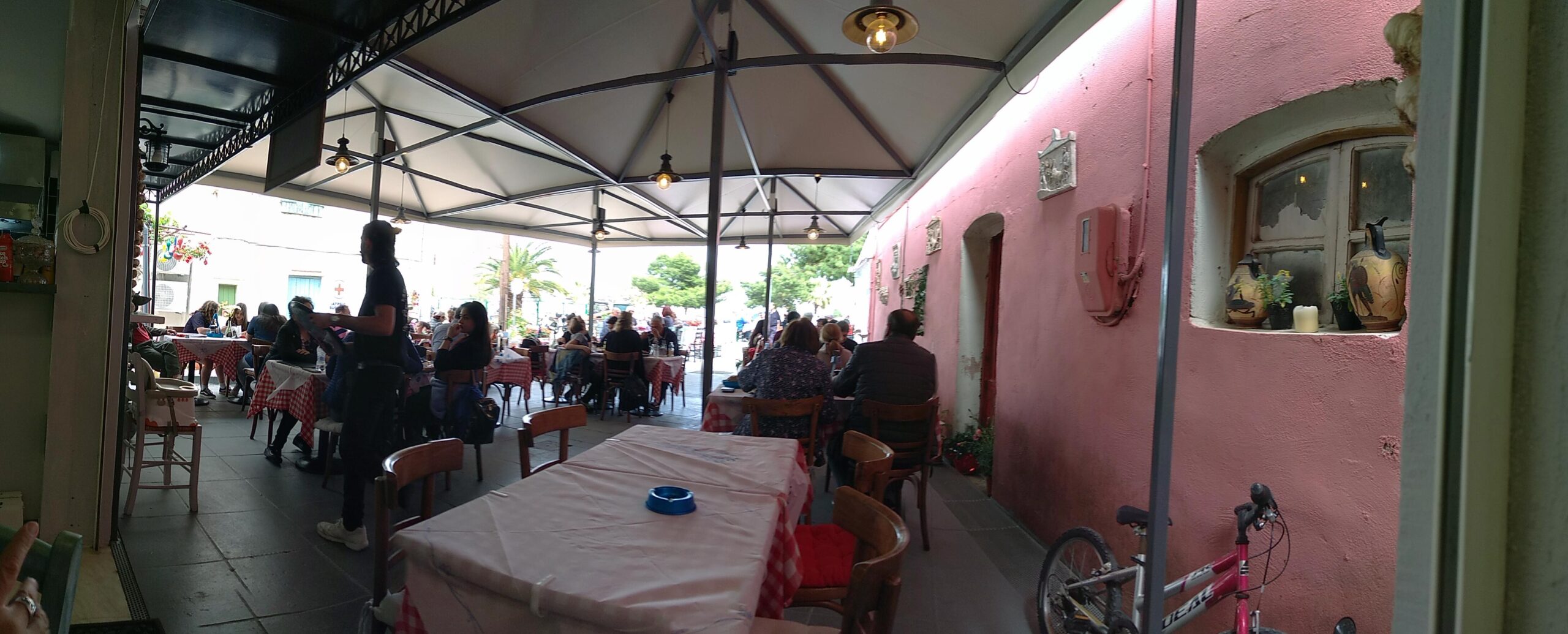
The story begins in 1935, when Grandfather Antonis, a renowned fisherman in the Benitses area, decided to open his restaurant, Kafe, to invite his friends to enjoy fresh fish and a variety of mezedes prepared by his wife, Granny Aspasia, an exceptional cook.
That is how the magical journey began and continues to this day with the third generation of the current Captain Octopus.
The Philosophy of the Captain is to cook the same way his grandparents did.
The main ingredient of the captain’s kitchen is virgin olive oil and pure spices, all carefully selected with love.
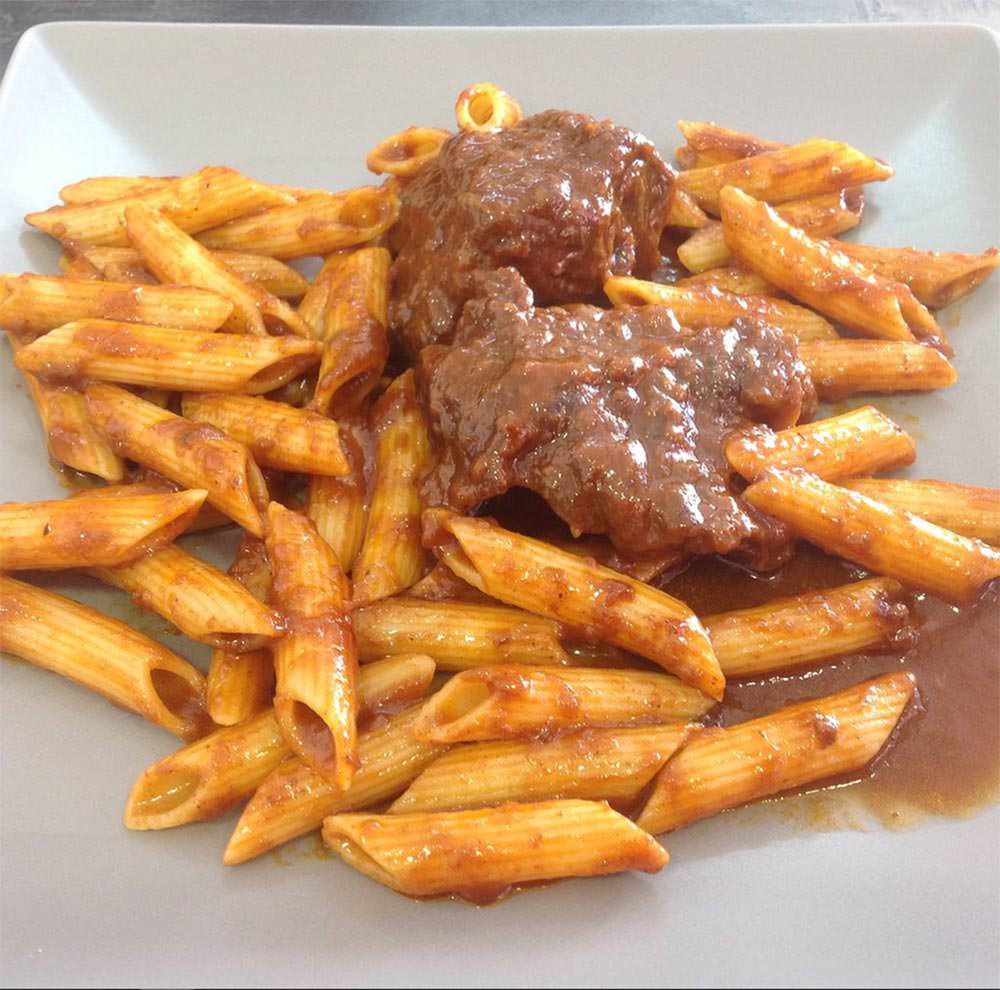
In our Traditional Corfu-flavored cuisine, the lovely Pastitsada with octopus or beef cheeks is always freshly cooked in our saucepans.
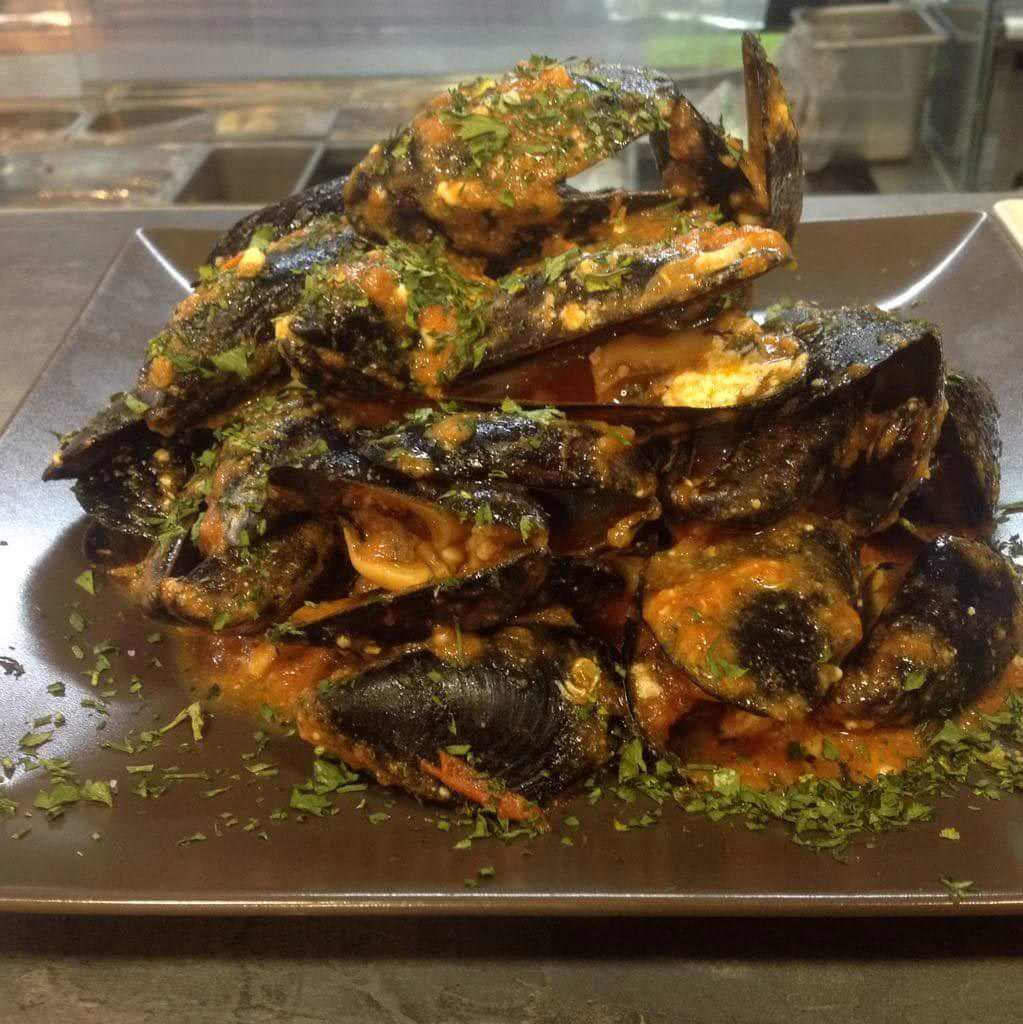
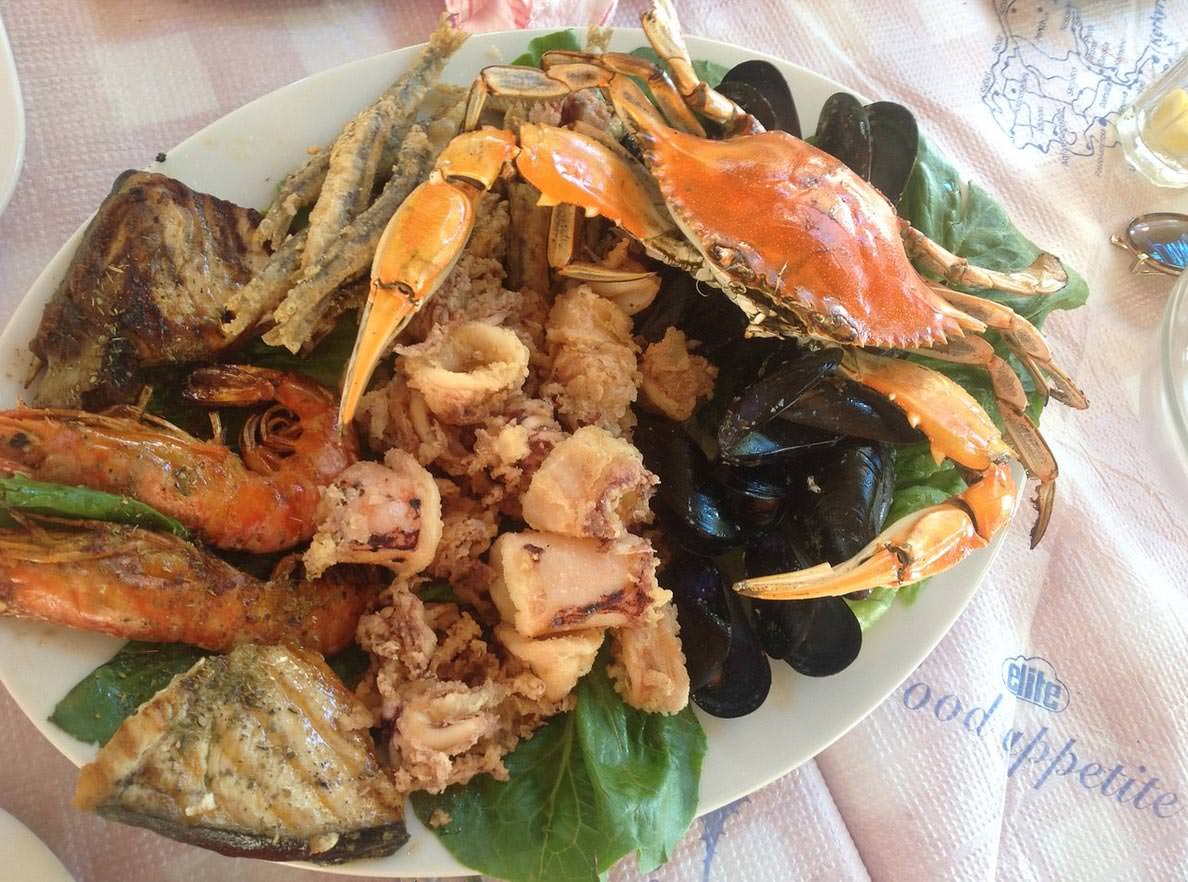
Fish, either wild or farmed, are always carefully selected with criteria for the best quality.
Squid is crispy and soft as the culinary laws stipulate, to accompany the ouzo or the local wine that the captain makes for his guests each year.
The Family Atmosphere is characteristic of Captain Octopus because there are no clients but guests in his home.
The good Greek music and even the dancing are basic components of the atmosphere of the restaurant.
The guests at Captain Octopus Taverna are invited to feel the Greek flavors on their palate and to get to know the Greek hospitality and culture for which the Captain feels proud.
Newspaper of 1864 about the Union of the Ionian Islands
On the 21st of May 1864, the British ruled Corfu and, together with all the Ionian Islands, following the London Agreement and the Ionian Parliament’s resolution, united with Greece.
In fact, it was a gift of the British crown to the new King of Greece, George A ‘.
The London Agreement was made in accordance with the requirements of British diplomacy and the agreement of the then-great powers, while Greece did not even participate in the talks.
And the vote in the Ionian Parliament was more symbolic than essential; the decision was taken.
The Agreement for the delivery of the Ionian Islands provided some very severe conditions for Greece, which undertook and agreed to pay any compensation to foreign governments, companies, and individuals.
There were also disagreements and unrest because of the fear that the Ionian Islands would lose their good financial position by joining a poor state.
The opposition of many of the Eptansians to the Union was well known, especially in Kefalonia and some Corfu villages.
It was one of the most important turning points in the history of Corfu; the turbulent historical past of the island ended, and so ended the prominence of Corfu as the capital of the Ionian state.
Shield commemorating 50 years of Union
The consequences
Since then, the historical course of Corfu and the Ionian islands is common with that of Greece.
The newly established Greek state could not afford the existence of two centers of economic and cultural strength, so in the battle with Athens, Corfu lost and, after just 40 years, became a Greek provincial town.
This was done by removing from the islands many important infrastructures, such as the power plants of Corfu transferred to Piraeus, the closure of the Ionian University, the abolition of the Ionian Parliament, along with the degradation of its building, important changes in the prosperous banking system of the Ionian islands, and many more.
In conclusion, after a few years, it was obvious that the union was disastrous, especially for Corfu, which, from a thriving former capital, became one of the poorest and most neglected areas of Greece.
The modern times
It was much later in the 20th century when, due to the natural beauty, the fertile soil, the rich cultural heritage, and the energy of the Corfiots, the island recovered initially with a flourishing of the local industry based on agricultural and livestock products, and later with the booming of the tourism industry.
Today, although in the midst of the economic crisis unfairly and maliciously imposed on Greece, Corfu is always, at least financially, a step above the rest of Greece.
The island’s economy is now almost entirely based on tourism, but the island has great potential to support its economy in other areas, too. Its rich soil and resources are more than enough to support any other economic activity.
Corfu has always retained its unique identity, which helped the memories of the past to remain and strengthen, and they are the ones that make Corfu unique, a Greek island that does not look like the others.
Villa Martha is a charming retreat in Benitses, perfect for couples or small families seeking comfort and a peaceful setting. The apartments are spacious, clean, and well-equipped, with kitchenettes for light meals and balconies offering lovely mountain or garden views.
Highlights:
Immaculately clean rooms with daily housekeeping.
Warm, welcoming hosts who go the extra mile, offering homemade treats like jam, cakes, and fresh fruit.
Quiet location just a short walk to the village center, restaurants, and the beach.
Convenient parking and easy access to public transport for exploring Corfu.
Cozy, comfortable spaces with essential amenities, including tea/coffee facilities and air conditioning.
Guests consistently praise the personal touches from Martha and Dimitri, noting that their kindness and attention to detail make the stay extra special. Whether you’re enjoying a morning coffee on the balcony or returning from a day on the beach, Villa Martha combines a relaxing atmosphere with the charm of a family-run property.
A highly recommended choice for a memorable and authentic stay in Benitses.
Contains information related to marketing campaigns of the user. These are shared with Google AdWords / Google Ads when the Google Ads and Google Analytics accounts are linked together.
90 days
__utma
ID used to identify users and sessions
2 years after last activity
__utmt
Used to monitor number of Google Analytics server requests
10 minutes
__utmb
Used to distinguish new sessions and visits. This cookie is set when the GA.js javascript library is loaded and there is no existing __utmb cookie. The cookie is updated every time data is sent to the Google Analytics server.
30 minutes after last activity
__utmc
Used only with old Urchin versions of Google Analytics and not with GA.js. Was used to distinguish between new sessions and visits at the end of a session.
End of session (browser)
__utmz
Contains information about the traffic source or campaign that directed user to the website. The cookie is set when the GA.js javascript is loaded and updated when data is sent to the Google Anaytics server
6 months after last activity
__utmv
Contains custom information set by the web developer via the _setCustomVar method in Google Analytics. This cookie is updated every time new data is sent to the Google Analytics server.
2 years after last activity
__utmx
Used to determine whether a user is included in an A / B or Multivariate test.
18 months
_ga
ID used to identify users
2 years
_gali
Used by Google Analytics to determine which links on a page are being clicked
30 seconds
_ga_
ID used to identify users
2 years
_gid
ID used to identify users for 24 hours after last activity
24 hours
_gat
Used to monitor number of Google Analytics server requests when using Google Tag Manager