During the historic period from 562 CE to 1267 CE, Corfu underwent significant changes. In 562 CE, the island faced a devastating attack by the Goths, resulting in the destruction of the ancient city of Corfu, now known as Paleopolis.
This event marked the end of the ancient city and signaled the beginning of the medieval age on the island. The displaced inhabitants moved north to a natural promontory, forming the foundation for the old fortress. Over time, the new city expanded into what is now the old town of Corfu.
From 562 CE to 1267 CE, Corfu experienced the Byzantine period, followed by the challenging Angevin occupation. Positioned as the westernmost corner of the Byzantine Empire, Corfu faced constant pirate attacks and territorial ambitions from neighboring regions.
To safeguard Corfu, the multicultural Byzantine Empire took extensive measures. They stationed diverse mercenary guards, including Greeks, Syrians, Bulgarians, and stradioti (Byzantine soldiers), across the island. These guards, deployed from the northeast to the southwest, gradually assimilated into the local population.
This era witnessed the construction and enhancement of many fortresses on the island. The old Corfu fortress in the city underwent redesign and fortification. Other fortresses like Angelokastro in northwestern Corfu, Kassiopi, Gardiki in the southwest, and several smaller ones were built, bolstering the island’s defenses.
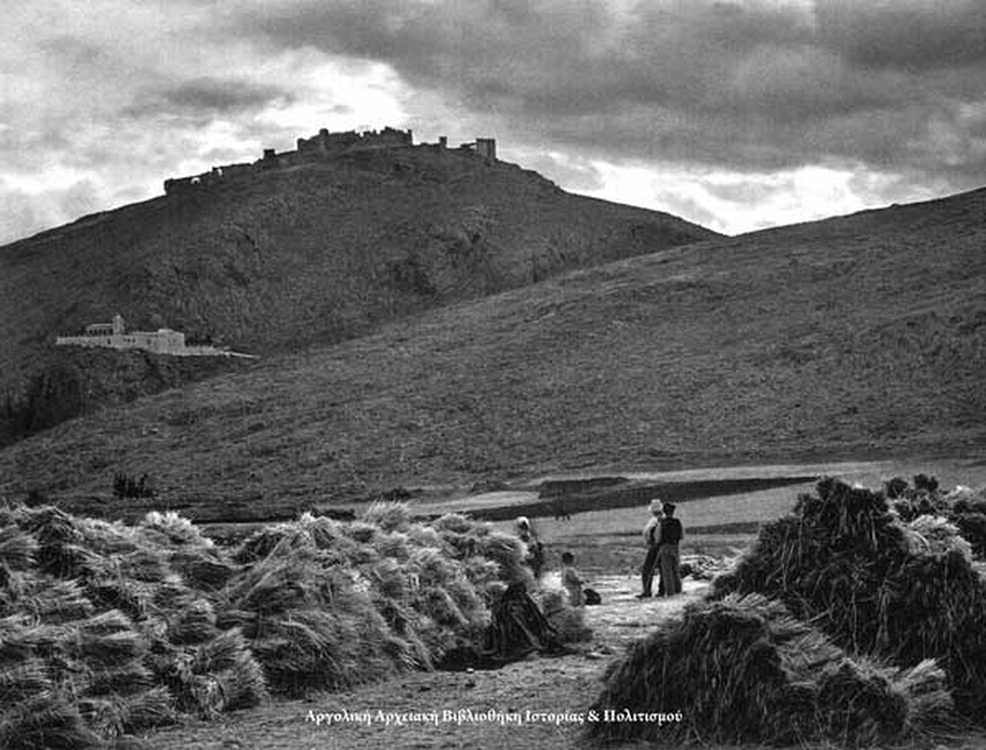
Angelokastro near Paleokastritsa
The turbulent years after the Fourth Crusade (1204 CE – 1214 CE)
In 1204 CE, the Normans of the Fourth Crusade captured Corfu. Shortly after, the Venetians took control, holding the island until 1214 CE.
This period marked a notable shift in Corfu’s history as it exchanged hands between these European powers.
The Despotate of Epirus (1214 CE – 1267 CE)
From 1214 to 1259 CE, Corfu became part of the Byzantine domain of Epirus, specifically the Duchy known as the Despotate of Epirus.
During this period, Despot Duke Michael-Angelos Komnenos the Second oversaw the construction of significant fortifications on the island. These included the Gardiki fortress, located near today’s Chalikouna area, and the Angelokastro fortress, situated in the northwest part of the island north of Paleokastritsa.
These fortifications played a crucial role in the island’s defense during this era.
Corfu History – Gravure of the Countryside
The Period of Sicilian Rulers
During the tumultuous period from 1259 to 1267 CE, Corfu experienced various attempts by Sicilian rulers to gain control over the island, employing diplomatic means like dowries and, at times, resorting to military force.
The first successful conqueror of the island was Manfred, the king of Sicily. However, following Manfred’s death in battle, his Franco-Cypriot adjutant, named Philip Ginardo, took charge of Corfu.
Subsequently, Philip Ginardo met a violent end, leading the island to fall under the rule of his generals, the Garnerio brothers, and Thomas Alamano.
It is noteworthy that the surname “Alamanos” still exists in Corfu today, indicating a Sicilian origin for some of the island’s inhabitants.
The House of Anjou (1267 CE – 1386 CE)
In 1267 CE, the Angevin King of Sicily, Charles of the House of Anjou, successfully conquered Corfu. Upon securing control, he reorganized the island into four administrative regions: Gyrou, Orous, Mesis, and Lefkimi—names that endure in the region today.
This period saw a significant influx of Jewish people, mainly from Spain, settling in Corfu and establishing the Corfiot Jewish community.
Charles of Anjou also tried to replace the Orthodox Christian faith with Roman Catholicism, aiming to convert Orthodox churches. However, this endeavor proved unsuccessful and concluded when the Venetians regained control of the island.
The Venetian domination was the largest stable period in the long history of Corfu
Corfu History – Gravure of the Palace
Venetian Rule: Purchase and Unusual Resistance
During the Council of Corfu, a significant majority of the nobility favored Venetian protection due to the crumbling Byzantine Empire and the constant Turkish threat. In 1386 CE, the Council officially sought refuge with the Republic of Saint Markos (Venice).
Recognizing Corfu’s strategic importance and agricultural potential, the Venetians purchased the island from the Kingdom of Naples for 30,000 gold ducats. Venetian forces, led by “Admiral of the Gulf” Giovanni Miani, landed in Corfu.
This turbulent time lacked a strong sense of national identity, leading to unusual events. While Venetians occupied the Old Fortress without resistance and dominated most of the island, the Angevin-controlled fortresses of Angelokastro and Kassiopi in the north opposed the sale. Residents, supporting the Angevins, fought against the Venetians.
In response, Venetians sent an army to capture both fortresses. Angelokastro surrendered quickly, but Kassiopi resisted fiercely. The Venetians, angered by this resistance, destroyed the Kassiopi fortress, leaving only remnants today.
This marked the start of the second extended period of Venetian rule in Corfu, lasting precisely 411 years, 11 months, and 11 days.
Corfu history – Medieval Evgenios Voulgaris Street
The constitution during the Venetian domination
The Venetian rule in Corfu established a feudalistic system with three social classes: nobility, citizens (Civili), and poor people (called Popolari). The painting of medieval Corfu, now Evgenios Voulgaris Street, shows a snapshot of life, with little change over time.
Agriculture thrived with olive tree cultivation, and Corfu’s connections with great empires boosted arts and sciences. The Venetian era profoundly impacted Corfu, influencing art, music, culture, local language, cuisine, and architecture.
Corfu’s constitution during the Venetian occupation was exclusive, concentrating political power in the hands of the local nobility. Venetians with political influence included the General Proveditor of the Sea and his Judiciary. The Golden Book listed local nobles, granting privileges.
During the second Ionian state, only those in the Libro d’Oro enjoyed Liston area privileges. Originally, Byzantine names dominated, later joined by affluent civilians supporting the state treasury. Today, many city names trace back to this list, with a few from villages.
Corfu history – Path to Mouse Island
The migration flow from Turkish-occupied Greece
The Venetians, while securing Corfu city, struggled to protect the countryside, leading to tragedies during barbarian raids and pirate attacks, notably Turkish invasions in 1537 and 1571.
In 1537, the Turks invaded, capturing and selling 20,000 countryside men as slaves. Greeks from the Peloponnese, Epirus, and Crete migrated to Corfu, rebuilding the depopulated areas.
In 1571, Venetians lost the Peloponnese, Crete, and Cyprus, prompting a refugee influx to Corfu. The Venetians encouraged migration to repopulate and attract skilled individuals, weakening the Ottomans and strengthening Venice.
Refugees from Nafplio and Monemvasia settled in Lefkimi, Pirgi to Kassiopi, and south of Nissaki (Barbati), shaping the island’s demographics.
Peloponnesian immigrants founded Moraitika and Korakiana, contributing to the prevalence of surnames like Moraitis and “opoulos.”
Cretan immigrants impacted Garitsa, Saint Markos, Stroggyli, Messonghi, Argyrades, and Kritika, influencing Corfu’s linguistic idiom with unique pronunciations.
Despite these influences, Corfu’s culture remained resilient, incorporating new elements, and the immigrants eventually integrated into the Corfiots’ lives. In 1800, Souli refugees settling in Benitses became a significant part of the population after Ali Pasha’s destruction of Souli.
New fortress of Corfu
The Venetian fortifications and the frequent Turkish raids
The Venetians, unable to convert Corfu to Catholicism, prioritized political stability and coined the phrase “Siamo prima Veneziani e poi Cristiani” (We are first Venetians and then Christians). To promote harmony, they organized joint religious events for both Catholics and Orthodox Christians, continuing traditions today.
With public discontent due to Turkish threats, especially after losing Crete and Cyprus, Corfu became crucial to Venice. The Venetians, determined to fortify the island, undertook ambitious plans from 1576 to 1588.
They built the San Marcos fortress on the west hill, creating the vast Esplanade Square in front of the old fortress. Connecting them with a protective wall featuring bastions like Raimondo and St. Athanasius, they added gates like Porta Reale, Porta Raymonda, Gate of Spilia, and Gate of Saint Nicholas, enhancing defenses.
Engineers Michele Sanmicheli and Ferrante Vitelli designed these fortifications, evolving over the 17th century. After repelling the Turks in 1716, Marshal Johann Matthias von Schulenburg added another wall outside, designed by F. Verneda.
Post the 1716 Turkish invasion, Vido Island, Avrami and Saint Sotiros hills, and the San Rocco (Saroko) area were fortified, ensuring Corfu’s robust defense.
Corfu history
The Turkish Siege of 1716
The 1716 siege of Corfu marked a pivotal moment in the Seventh Venetian-Turkish War, with the island’s occupation viewed as a potential threat to Venice and Europe.
The Turkish forces, numbering 25,000-30,000, supported by 71 ships and about 2,200 guns, posed a formidable challenge. In contrast, the Venetians, with only 3,097 men (2,245 combatants), faced a significant numerical disadvantage.
Defending the Corfu New Fortress, Marshal Johann Matthias von Schulenburg dealt with initial chaos among locals seeking refuge. He quickly recruited able-bodied individuals, bolstered reservists, and lifted the besieged morale.
Starting on July 8th and concluding after fierce battles on August 22nd, the siege witnessed a turning point on August 20th when a storm scattered Turkish ships, leading to significant losses. While Corfu credited St. Spyridon for the storm, military factors, including the Ottoman army’s defeat in Peterwardein, played a crucial role in the Turks’ retreat.
Casualties included around 800 dead and 700 wounded defenders, contrasting with substantial Turkish losses, totaling 6,500 men, including Muchtar, Ali Pasha’s grandfather.
A diverse coalition supported Corfu’s defense, comprising Venetians, Germans, Italians, Maltese, Papal, Genoese, Tuscan, Spanish, and Portuguese forces, showcasing the unity that secured victory.
The statue of Johann Matthias von Schulenburg in Corfu
Corfu’s Heroic Stand: Defying the Ottoman Tide in 1716
During the conflict, the Jewish community in the city exhibited remarkable courage, mobilizing under the leadership of the Rabbi’s son, equipped through the Corfiot Jewish community’s resources.
Antrea Pizanis, the General Proveditor of Corfu, commanded the light fleet and served as Marshal Schulenburg’s adjutant. The key role played by Corfiot Lieutenant Dimitrios Stratigos added to the cohesive defense.
Marshal Schulenburg’s unwavering determination earned him a lifelong pension from the Senate of Venice, with his statue adorning the Old Fortress entrance.
All those who displayed bravery in the conflict received due recognition and honors.
The Turkish setback in Corfu held historic significance, altering the trajectory of Europe’s history, especially for Greece. The bravery of the Corfiots and Europeans played a crucial role in preventing the potential expansion of the Ottoman Empire and influencing the emergence of the Greek nation.
Unfortunately, this event often goes unrecognized by historians, despite its pivotal role in shaping the present-day Greek state. The successful repulsion of the Turkish invasion in 1716 carried great importance for Western Europe, marked by grand celebrations and even inspiring Antonio Vivaldi’s oratorio “Juditha Triumphans,” performed in major theaters for years.
This event marked the final Turkish attempt to expand into Europe.
The Venetian era, while leaving positive cultural legacies, faced challenges such as strained relations between commoners and the nobility. Uprisings, particularly in villages, resulted from the Venetian ruling class’s authoritarianism and arbitrary behavior.
Corfu remained a significant part of the Venetian State until the fall of Venice to the French, showcasing its enduring importance to Venice.
Ioannis Kapodistrias
Ioannis Kapodistrias and his role in the History of Corfu
Ioannis Kapodistrias, the first governor of modern Greece, was born on the island into an aristocratic family. After pursuing education, he rose to prominence in Russia, eventually becoming a foreign minister and actively participating in European political affairs.
While Kapodistrias had limited involvement in Corfu’s historical course, playing a diplomatic role in its liberation from French rule by a Russian-Turkish alliance in 1800, his overall connection with the island’s history is not extensive. Despite his ties to Corfu being somewhat limited, his diplomatic contributions are worth acknowledging.
(Note: Historical alliances between Russia and Turkey, despite fluctuations, have been observed in various instances. This might be relevant for those with an affinity for Russia.)
The Ionian State (Septinsular Republic) 1800-1807
United States of the Ionian Islands 1815-1864
Corfu – the flag of the Ionian state
The Venetian period was followed by the first French occupation in 1797. It was the end of the feudal system, and the people burned the Book of Gold (libro d’oro), where all Aristocrats were listed.
In a symbolic gesture, the libro d’oro was burned in all the Ionian islands.
The initial euphoria after the arrival of the French, who were welcomed as liberators, quickly turned to severe distress due to French arrogance towards the locals and the heavy taxation.
Followed by a period of instability, people were divided, the Nobles began to exploit the popular discontent against the French, and began to plot for the occupation of Corfu by the Russians.
They finally succeeded in 1799 when a strange alliance of Russians and Turks occupied Corfu.
The Russian admiral Ousakof, of aristocratic origin, immediately restored the privileges of the nobility and later on the 21st of March 1800, at the instigation of Ioannis Kapodistrias, then foreign minister of Russia, founded the Ionian State, also known as the Septinsular Republic.
This was the first independent Greek state, something that Kapodistrias envisioned as a harbinger of the rebirth of a Greek state.
It was a federation of the seven larger island states, Corfu, Kefalonia, Zakynthos(Zante), Paxos, Lefkada, Ithaka, and Kythyra, which also included all other smaller Ionian islands. The capital was Corfu.
This state remained until 1807, when the French under Napoleon returned and stayed until 1814.
It was the time when the two buildings, which today are the famous Liston, were built by the French for use as military barracks.
In 1815, Corfu went under British rule, and the seven Ionian island state declared their independence under British protection, with Greek as the official language and Corfu town as the capital.
The first “Lord High Commissioner of the Ionian Islands” was Lieutenant-General Sir Thomas Maitland.
The state’s government had 29 members, 7 members from Corfu, 7 from Kefalonia, and 7 from Zante, and 4 were elected from Lefkada. Paxos, Ithaka, and Kythera elected 1 each, plus a second member, which was elected in rotation by the three.
The official name of the new protectorate was: “United States of the Ionian Islands”. During this period, the Ionian Academy, the Reading Society, and the public library were established.
Under British rule, the local economy was well developed, the palace of Saint Michael and George was built, and the road network of the island was expanded.
Also construction of the aqueduct that supplied Corfu town with water from the hills around Benitses.
Power plants too were built in Corfu, which, however, after the union with Greece, were moved to Piraeus.
Many other projects and significant improvements to the island’s infrastructure were made during this period.
Modern Times
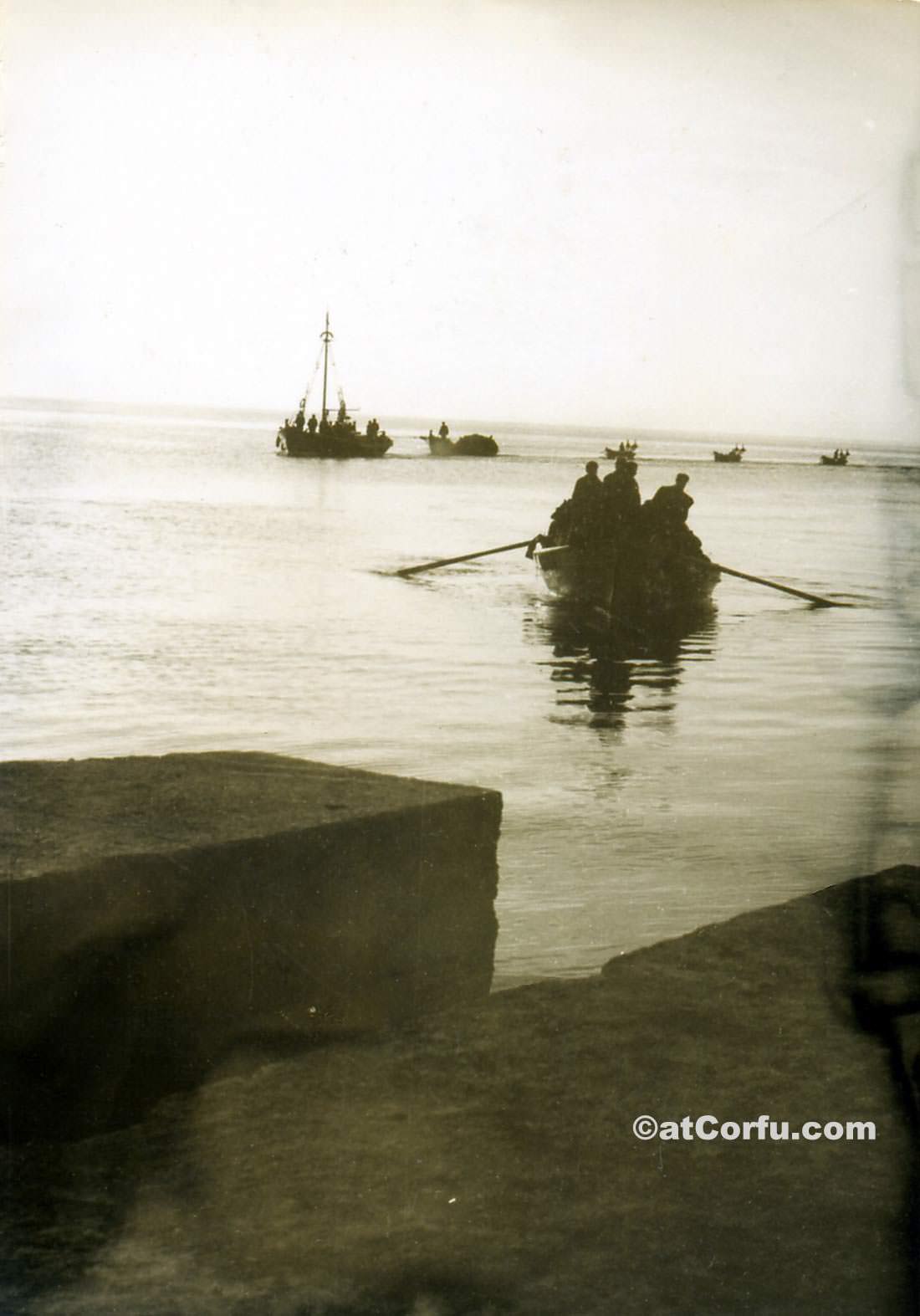
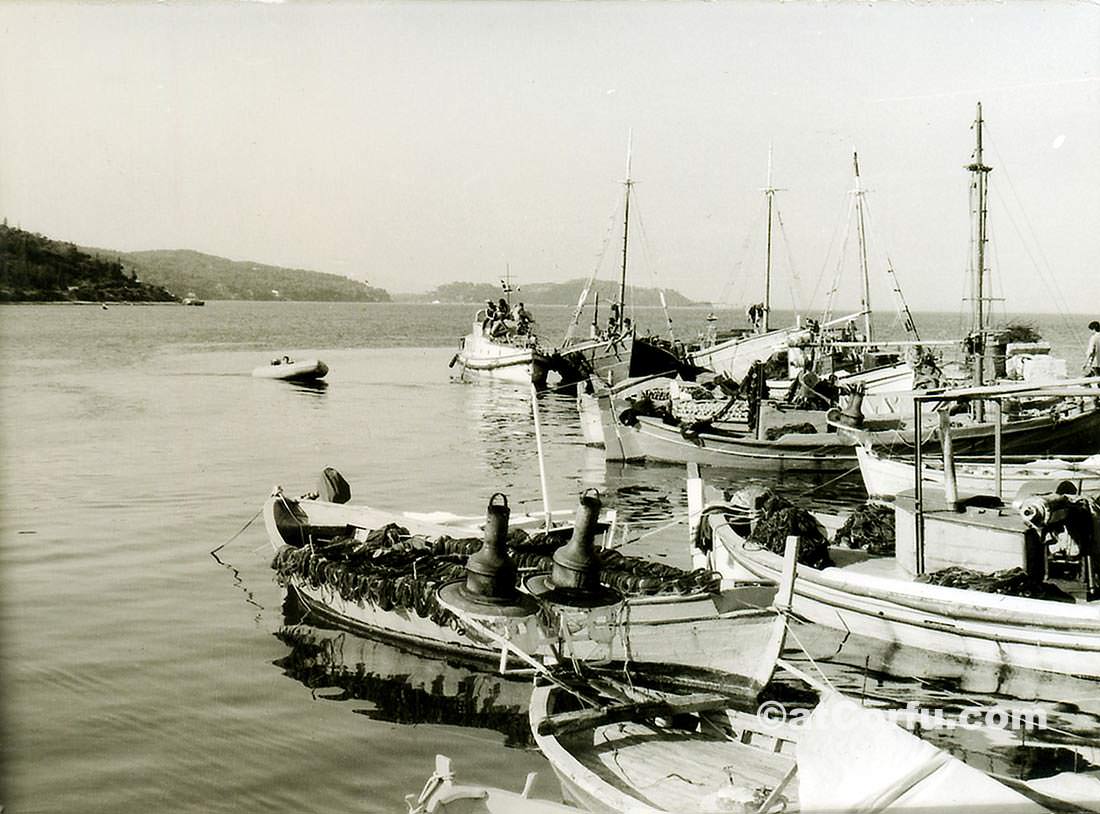
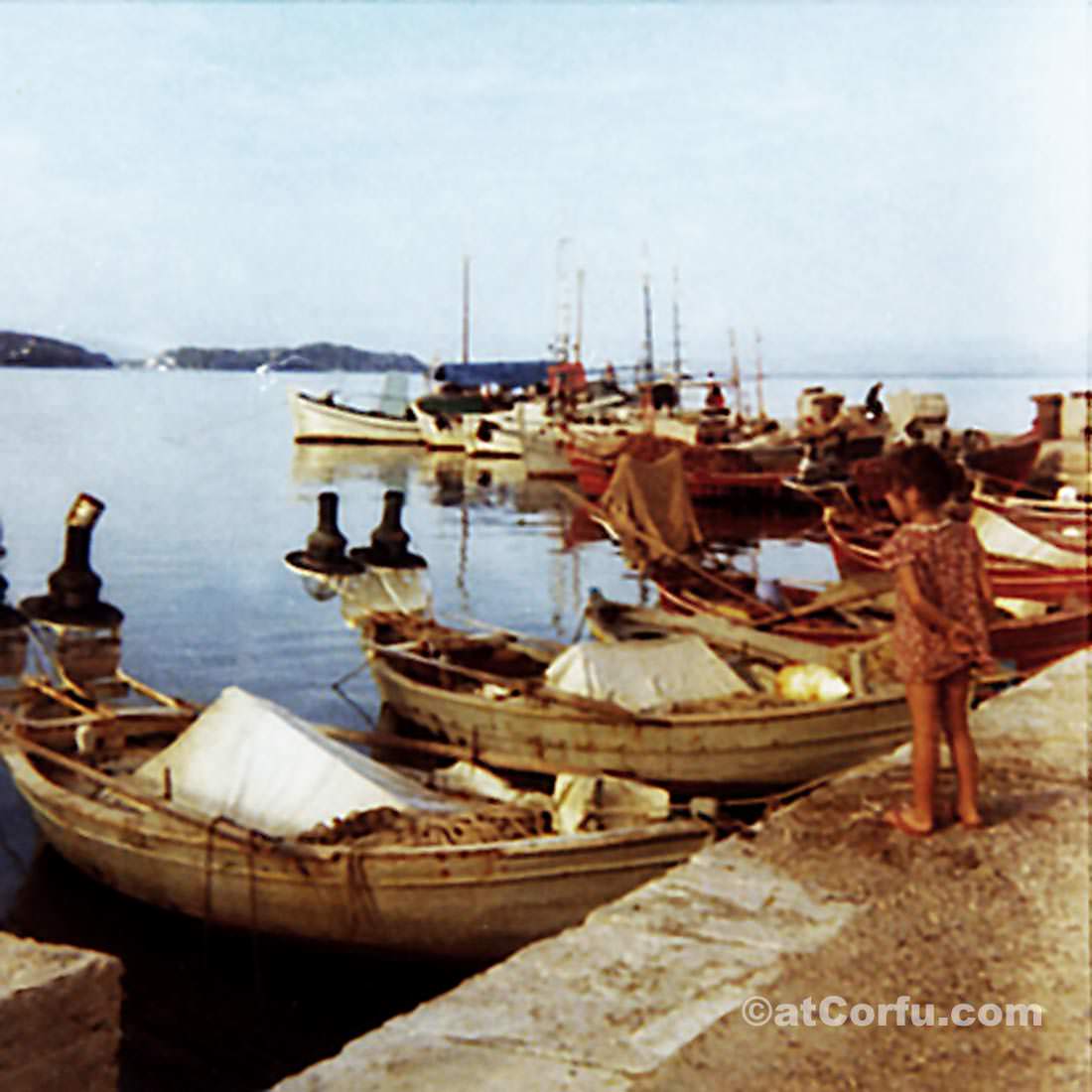
Fishermen at Garitsa below the fortress
On 21 May 1864, after the London treaty and the positive vote of the Ionian Parliament, Corfu and all the Ionian islands united with Greece.
It was one of the most important turning points in the history of Corfu. The turbulent historical past of the island ended, so ends the prominence of Corfu as the capital of the Ionian State.
The emergent Greek state could not afford the existence of two centres of economic and cultural strength, so in the battle with Athens, Corfu lost its university, its fame, its cultural lead, and after just 40 years, became a Greek provincial town.
But the memories of the glorious past remain, and this is what makes Corfu unique, a Greek island that does not look like the others.
Here, there are dozens of Corfu photos of a great variety of places in Corfu, there are pictures of Corfu Town, and of major beaches, also aerial photographs of the old fortress in Corfu, the Venetian shipyards at Gouvia, the Byzantine castle in Gardiki at the southwest of Corfu island, Angelokastro in Paleokastritsa, photos of Gaios harbor on the island of Paxos, and much more.
1 / 60
Gouvia Beach
Dassia Beach
Chalikounas Beach
Ai Gordis Beach
Agios Stefanos Peroulades
Picturesque Kouloura
Korission Lake
Issos Beach
Issos Beach
Issos Beach tip
Issos Beach - Lagoudia islets
Ipsos Beach
Ipsos Beach
Ipsos Beach
Venetian Arsenal at Gouvia
Gouvia Beach
Gouvia Beach
Gouvia Beach
Glyfada Beach in Corfu
Gardiki Castle top
Gardiki Castle top
Gardiki Castle top
Gardiki Castle Gate
Gaios - The capital of Paxos
Mandraki port under Corfu old fortress
Faliraki under Corfu old fortress
Dassia Beach
Corfu Old Gravure
Chalikounas - The mouth
Chalikounas Beach and Korrision lake
Chalikounas, Korrision lake Mouth
Chalikounas Beach
Chalikounas Beach
Chalikounas Beach
Chalikounas Beach
Chalikounas Beach
Chalikounas Beach
Chalikounas Beach
Chalikounas Beach long sandy strech
Chalikounas Beach
Chalikounas Beach
Chalikounas Beach in the winter
Kanoni Aerial view
From Anemomylos - Old Gravure
The Palace north of Espianade square
Saint George south Beach
Agios Stefanos Norteast Corfu
Agios Gordis Beach
Agios Gordis Beach
Agios Gordis Beach
Agios Gordis Beach
Aggelokastro
St Ioannis of Pigeons Beach
Mouse island, Perama, and Airport in Corfu
Pictures from various places in Corfu
The second group of full-size pictures from various places in Corfu, there are pictures of the major beaches, aerial photos of the old fortress pictures from Liston, photos of Old Corfu town, photos of City Hall, of the Serbian museum, pictures of the Palace of Saints Michael and George and others.
1 / 60
Palaiokastritsa Beach
Faliraki and Vido close view
View from Inside Old Fortress
Inside Old Fortress
Inside Old Fortress
Mattias von Schoolemburg statue
Museum of Serbs
Museum - The house of Serbs
Anemomylos Garitsa
Anemomylos Garitsa
Alexandros Desillas statue
Corfu Old fortress from the air
Corfu Town from airplane
Alipa Port in Palaiokastritsa
Agios Spiridon Beach in Paleokastritsa
In Paxos with a boat
In Paxos Cave with a boat
Holy Saturday in Liston Area Corfu
Moraitika Beach
Moraitika Beach
Moggonisi in Paxos
Mirtiotissa Beach
Messonghi Beach
Messonghi Beach
Marathia Beach
Liston at night
In the port of Lefkimi
Lakka in Paxos
Cricket at Spianada square
Kofinetta at the north of Liston
Townhall Square in Corfu
Corfu Esplanade square and the Old fortress
Corfu Old houses roofs
Jason and Sosipater church in Corfu
A Building inside Old fortress
Kontra Fossa that separates Old Fortress
Palace of St Michael and George
The Liston Arches
The road behind the Saint Spiridon church
Kerasia Beach
Kerasia Beach
Kerasia Beach
Kavos at night
Kavos Beach
Kavos Beach
Kavos Beach
Kavos Beach
Kassiopi Beach
Kassiopi Port
Kassiopi Port Obelisk
Kassiopi Port
Mouse island in old gravure
Kalami Beach
More Photos from Corfu Island
The third group with dozens of full-size pictures from various places of Corfu, pictures of Esplanade square, of the buildings inside the old fortress, images of the canal d ‘amour at Sidari, from the Mouse island, aerial pictures from the airport and the fortress, old prints of Corfu, beautiful beaches and much more…
1 / 61
Canal Damour Beach
Corfu town view from Old Fortress
Corfu West coast
Paleokastritsa shores as viewed from Lakones
Corfu town from plane
Mesonghi Landscapes
Mesonghi Landscapes
At Zisimos - Liston area
Gravoure - Corfu countryside
Skidi and Prasoudi Beaches
Sidari Beach
Sidari Beach
The rocky shores of Canal d'amour in Sidari
Sidari Beach
Sidari Beach
Santa Barbara Beach
Santa Barbara Beach
Santa Barbara Beach
Santa Barbara Beach
Santa Barbara Beach
Santa Barbara Beach
Roda Beach
Fishermen in Garitsa - Gravoure
Psara Messonghi
Corfu Airport
Mouse island, kanoni, and Corfu Airport
Mouse island and Vlacherna from Kanoni
Peroulades Beach
Peroulades Beach
Peroulades Beach
Peroulades Beach
Peroulades Beach
Cape Drastis
Peroulades Beach
Canal d’Amour beach sandstone formations
Paramonas Beach
Paramonas Beach
Benitses Beach next to the port
Benitses Beach
Benitses Beach in Laopetra
Uper Esplanade and Old Fortress - Gravoure
Corfu old fortress and Vido island
Corfu old fortress and the town
Inside Old Fortress
Inside Old Fortress
Inside Old Fortress
Inside Old Fortress
Inside Old Fortress
Inside Old Fortress - The English hospital
Inside Old Fortress
Inside Old Fortress
Inside Old Fortress
Inside Old Fortress
Inside Old Fortress
Inside Old Fortress
Inside Old Fortress
Inside Old Fortress
Inside Old Fortress
Inside Old Fortress
Unique Photos of Corfu
Introducing our dazzling showcase of Featured Photos from the enchanting Corfu Island! Get ready to be transported to a world of azure waters, sun-soaked beaches, and charming cobblestone streets.
From the captivating elegance of the Old Town to the sunsets that paint the sky in hues of gold, orange, and pink, these photos capture the essence of Corfu’s breathtaking beauty. Dive into the cerulean waters of its stunning coastlines, get lost in the vibrant colors of local markets, and feel the history whisper through the ruins of ancient castles.
Each photo is a window into the heart and soul of Corfu, inviting you to explore its history, culture, and natural wonders. So get ready to embark on a visual journey that will leave you craving the sand between your toes, the taste of Greek delicacies, and the charm of this island paradise. Are you ready to discover Corfu’s beauty through our lens?
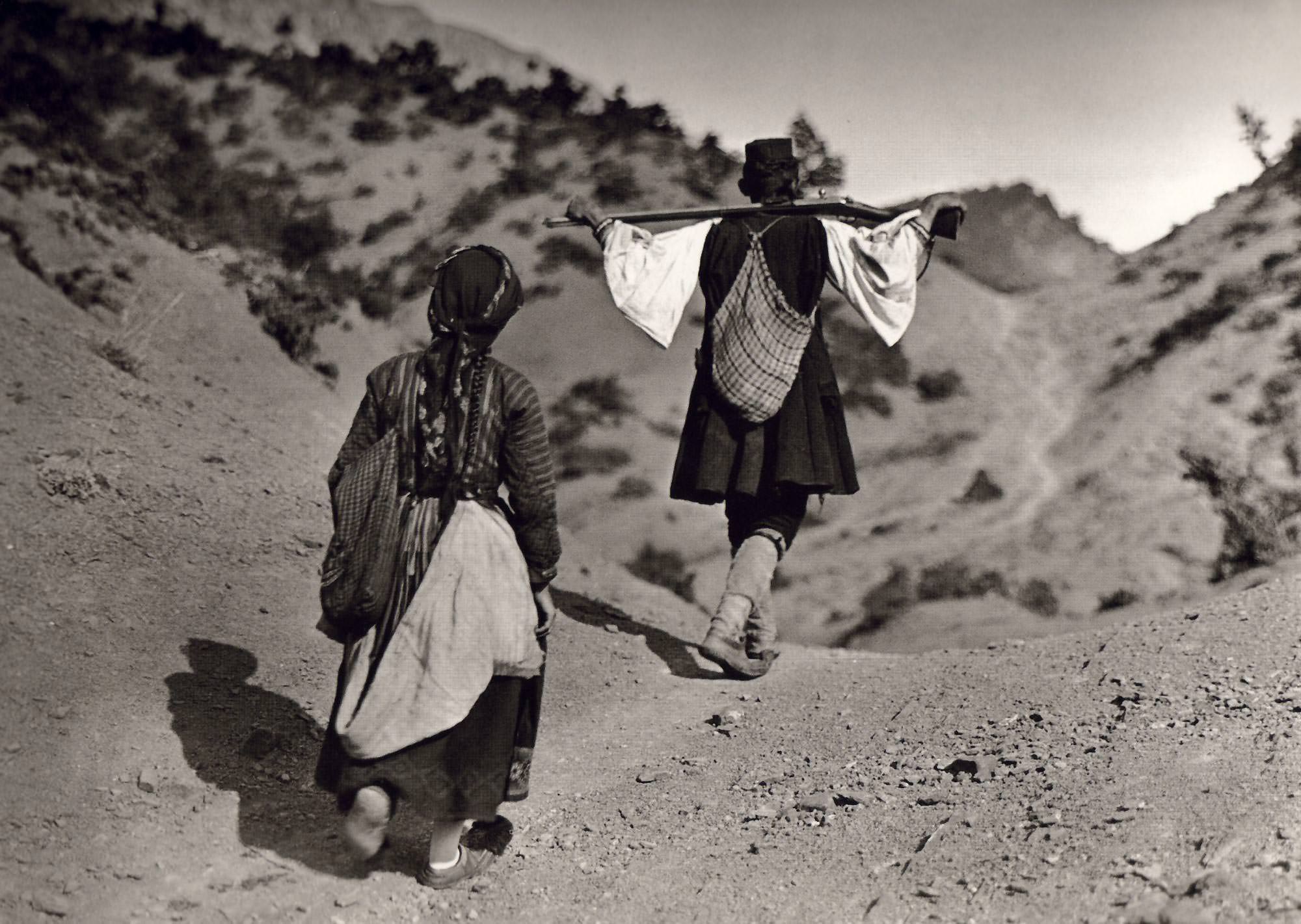
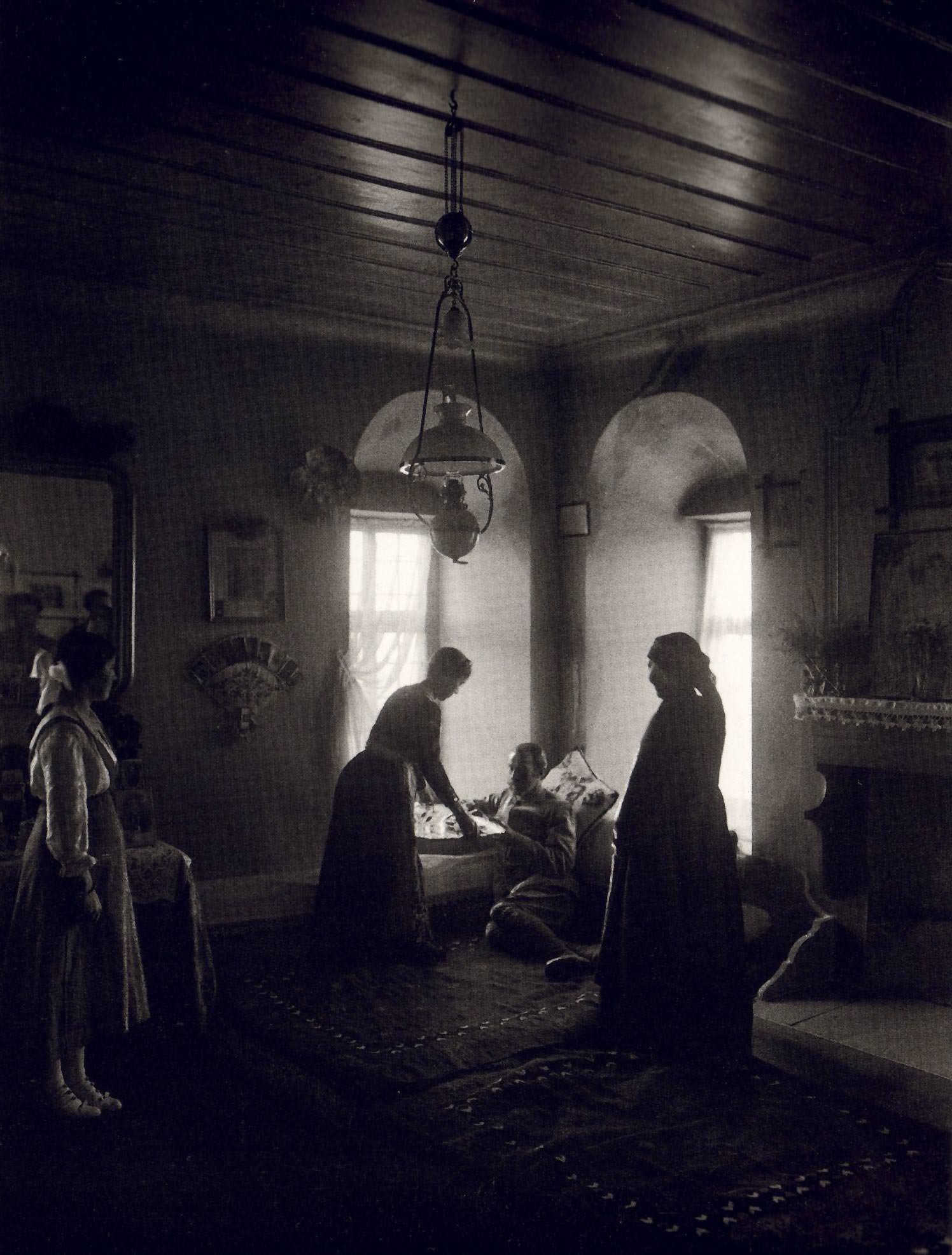
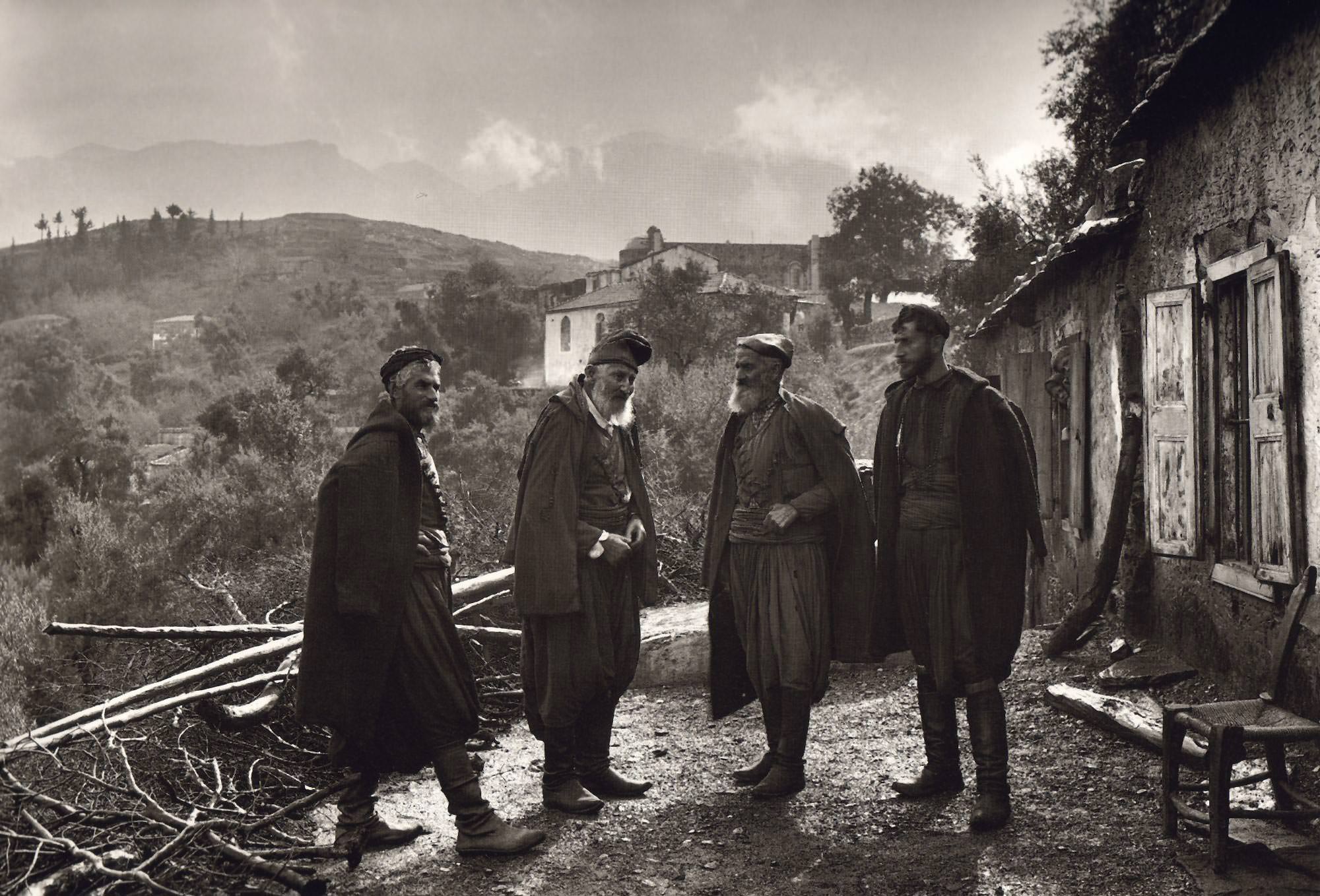
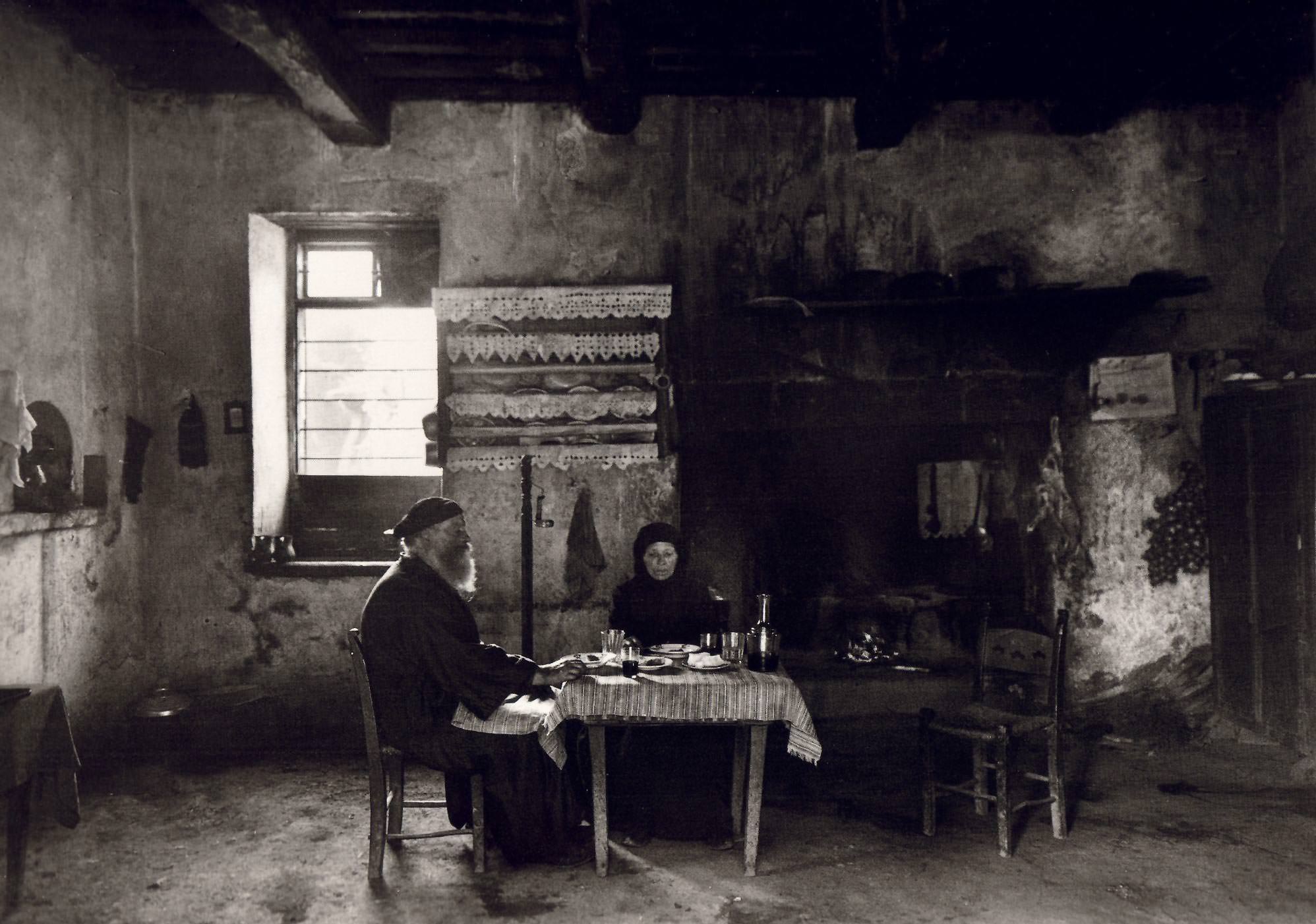
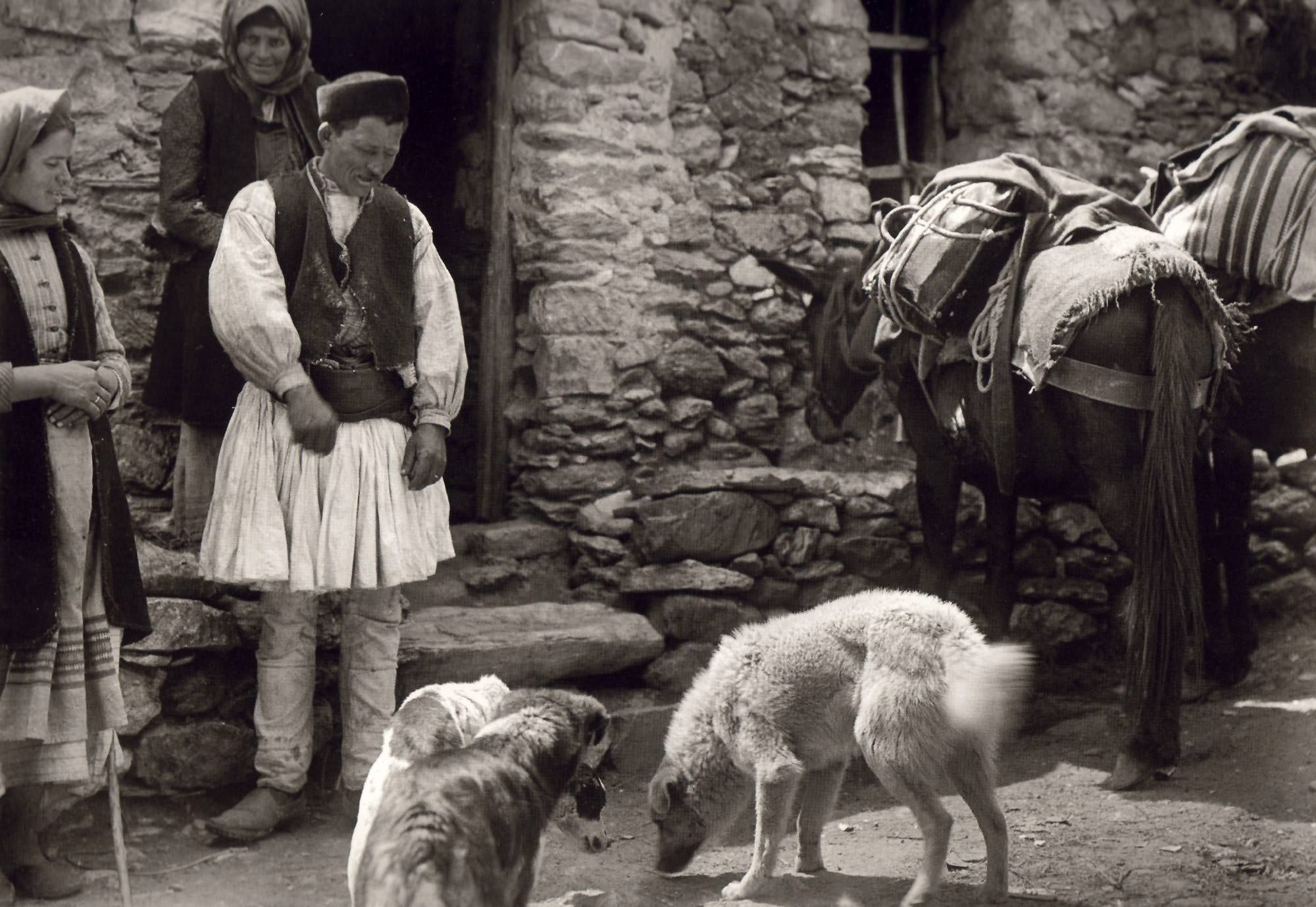
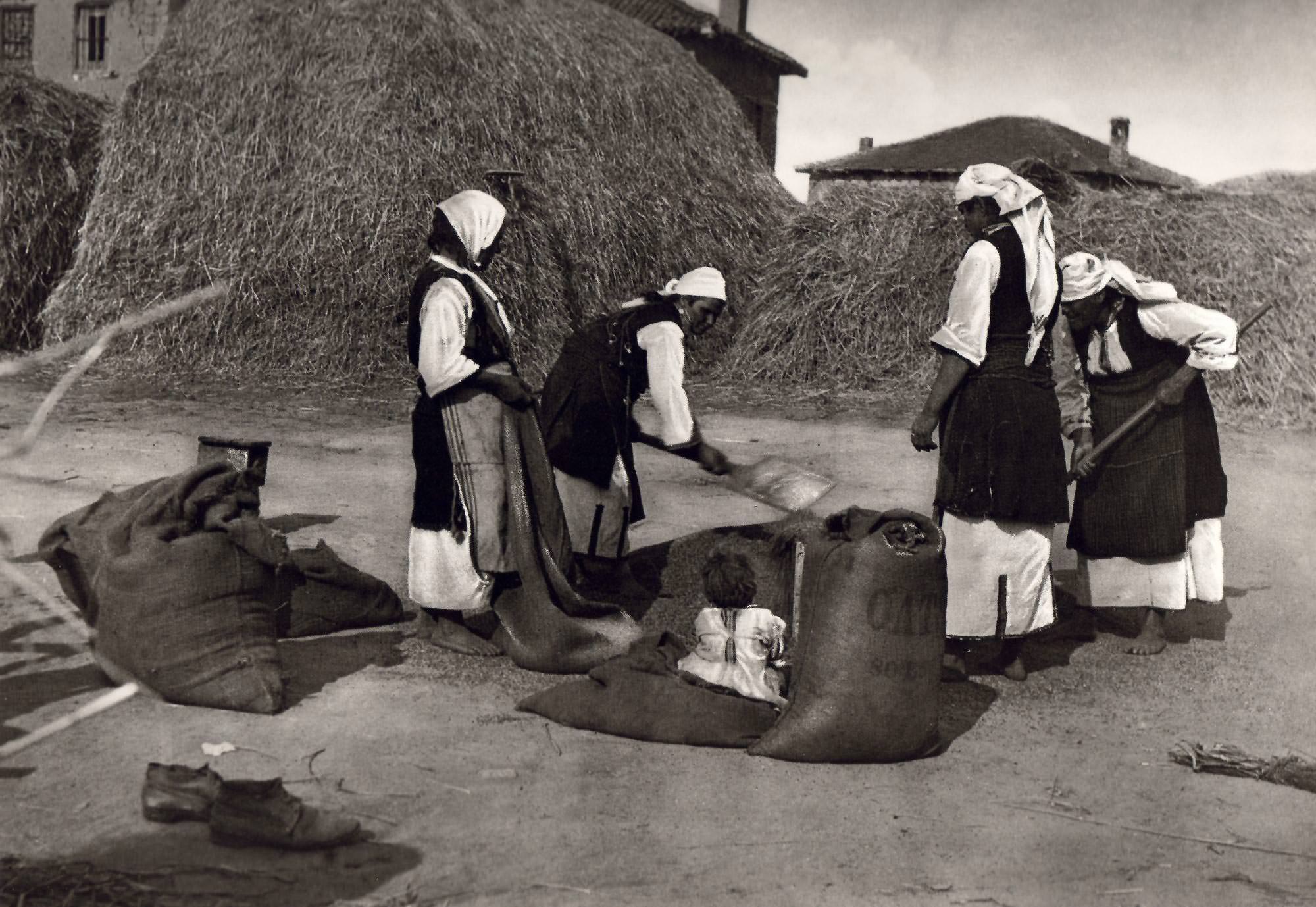
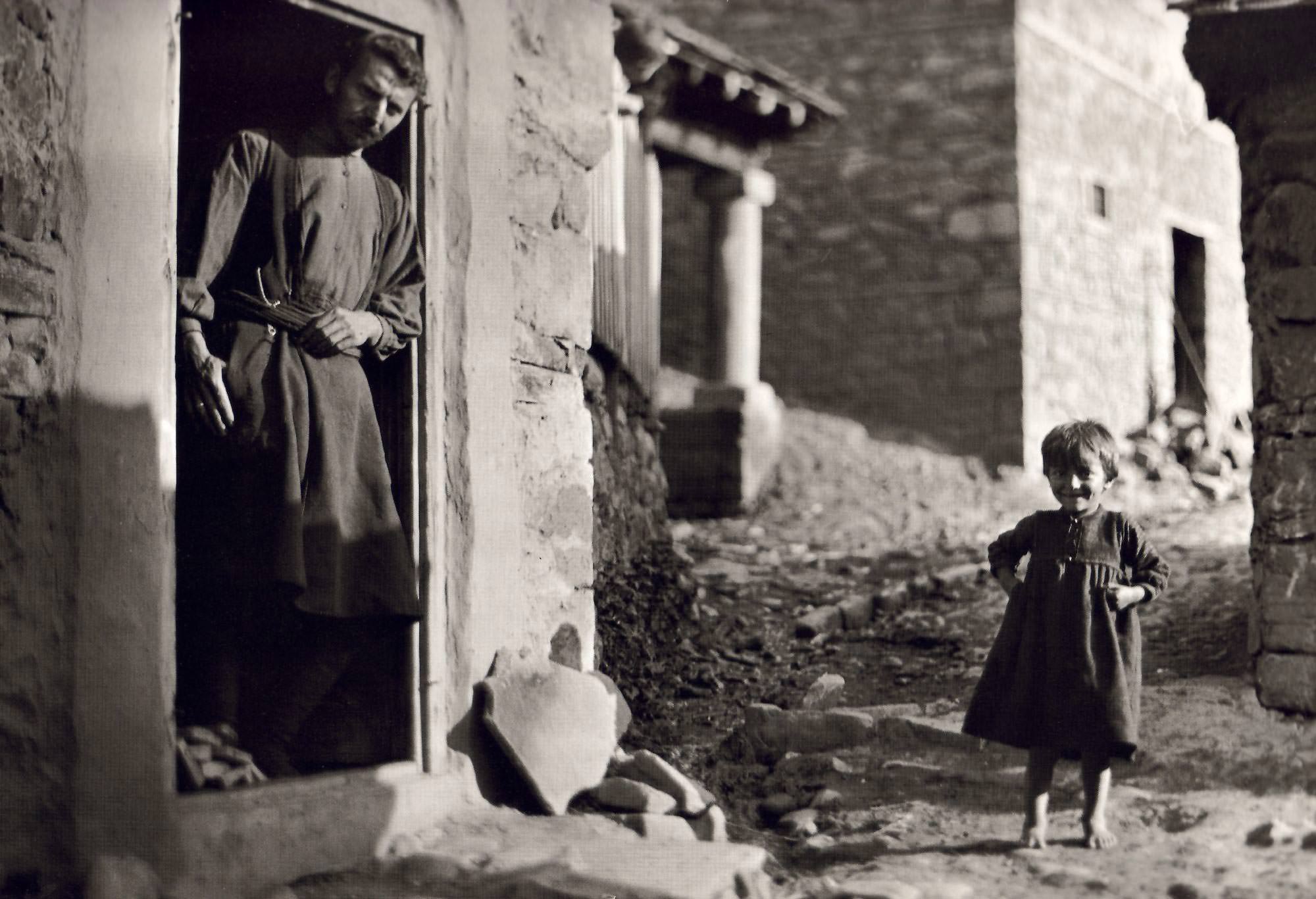
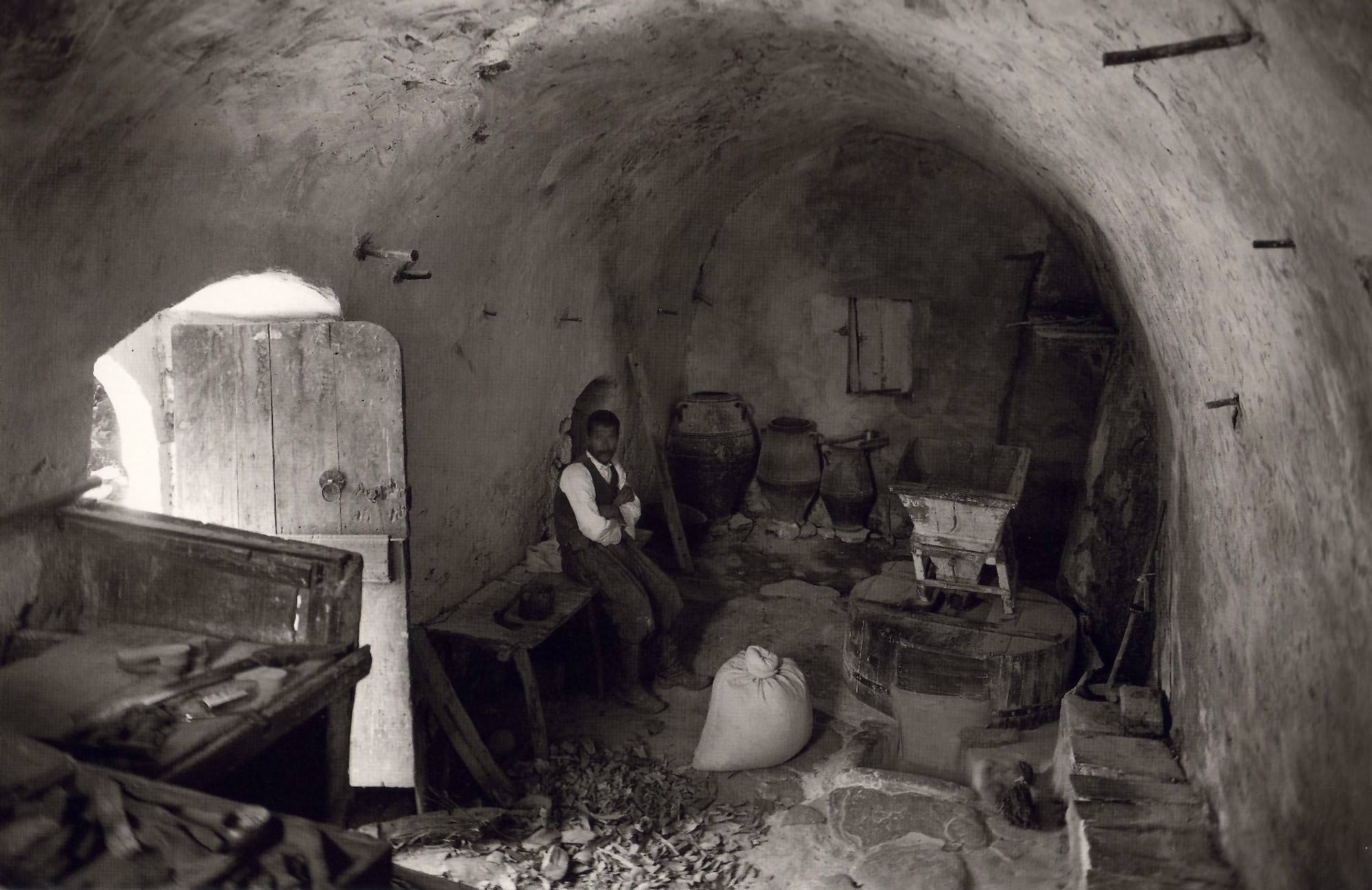
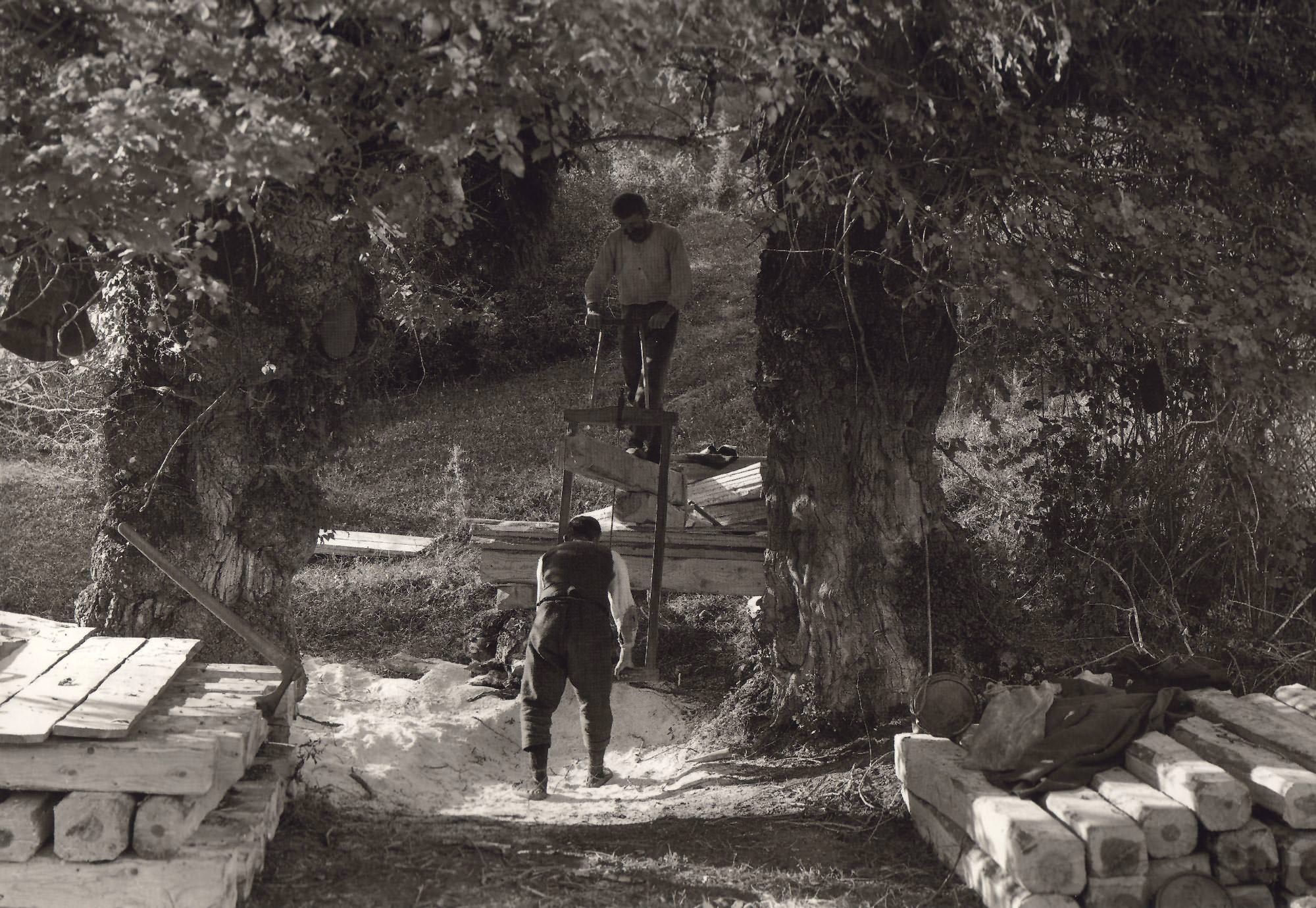
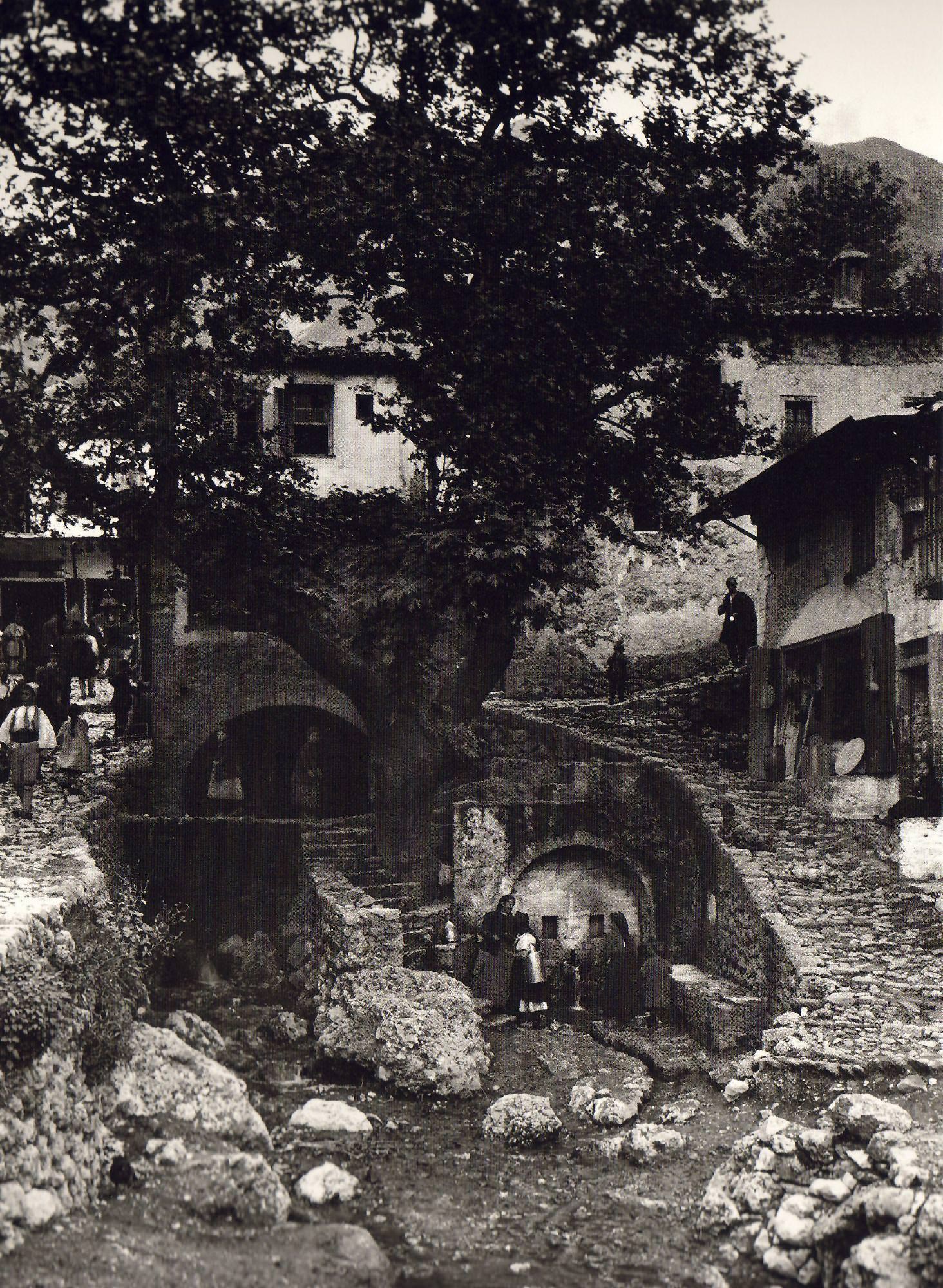
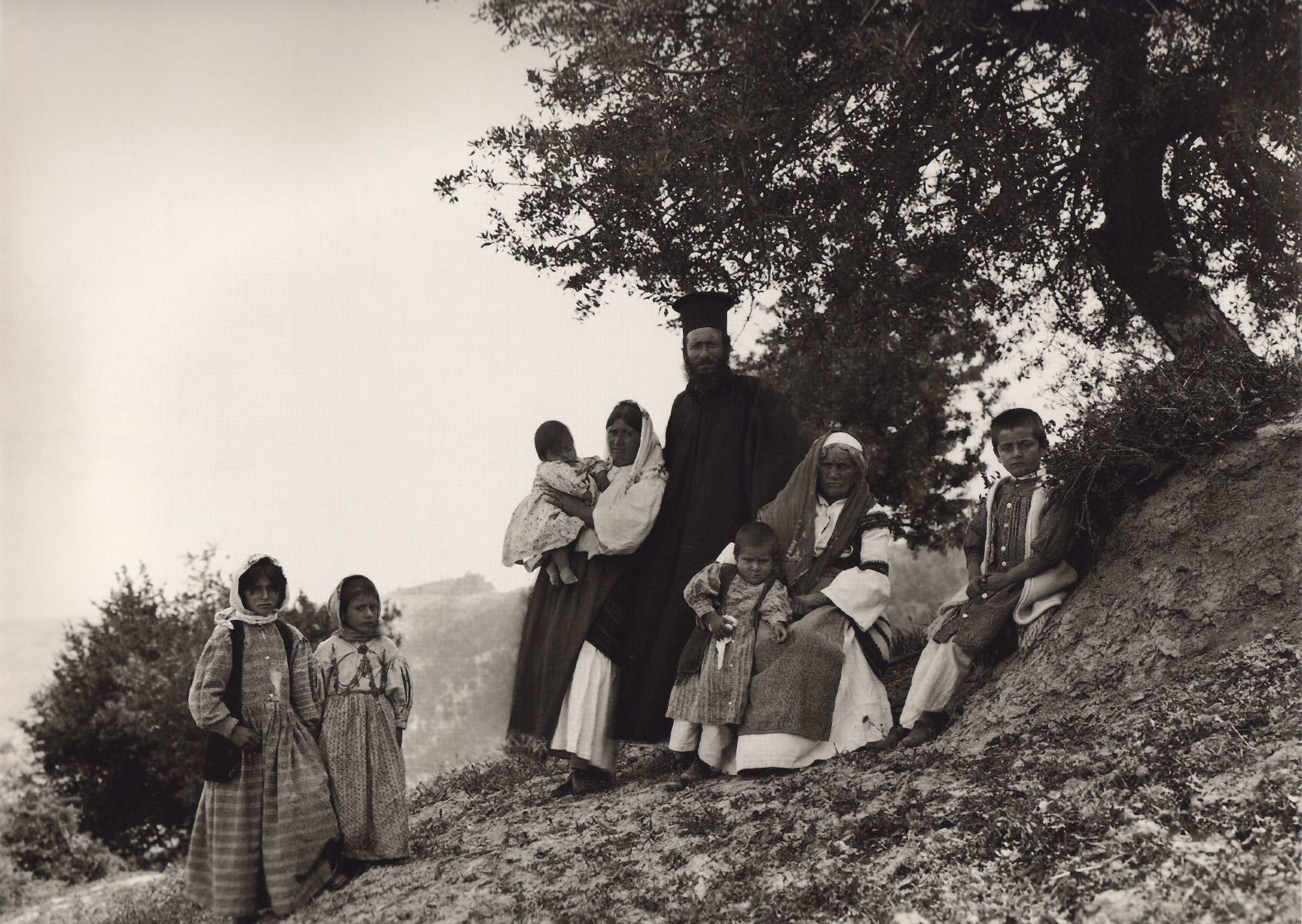
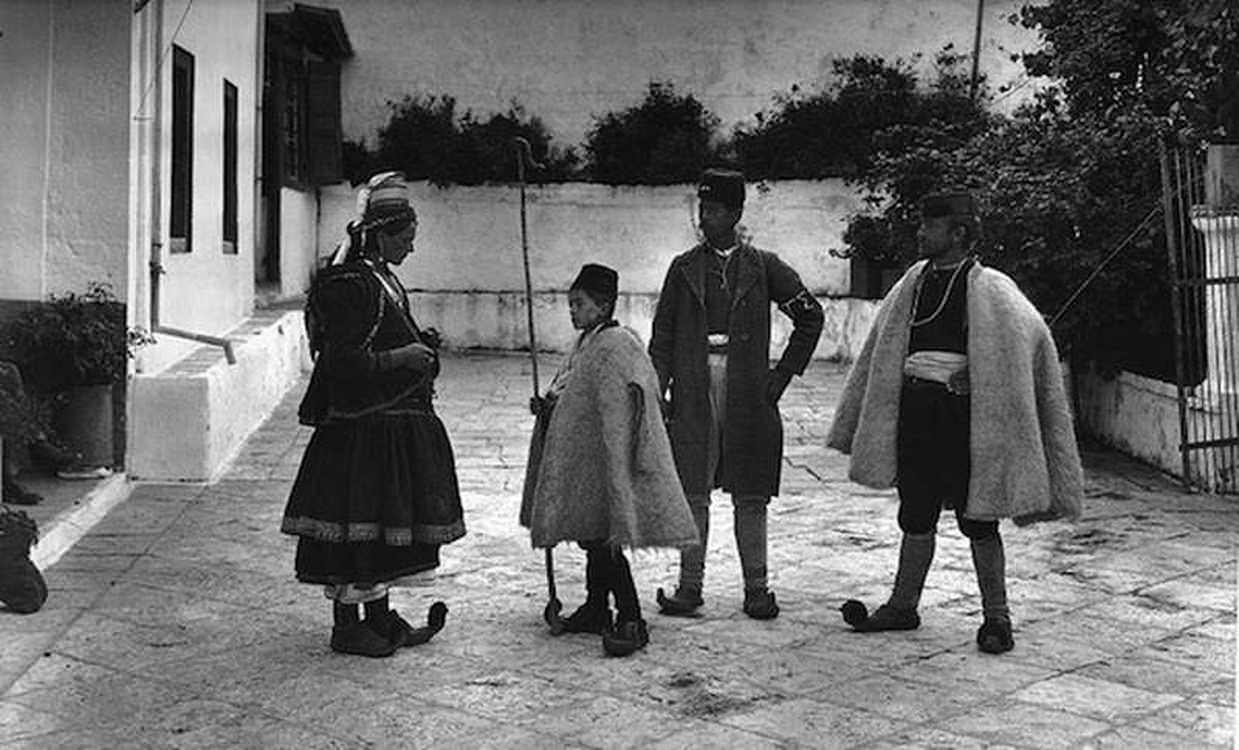
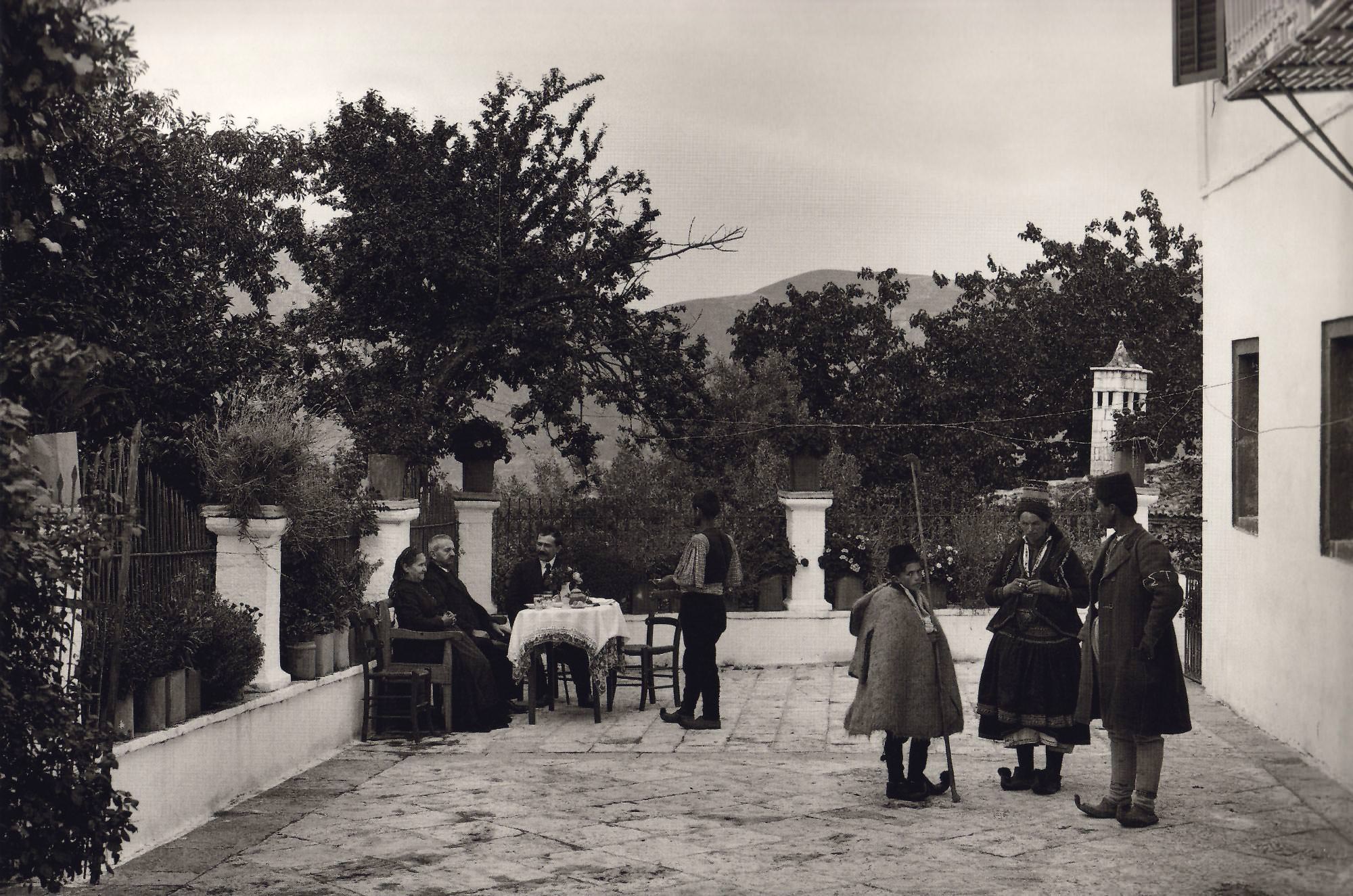
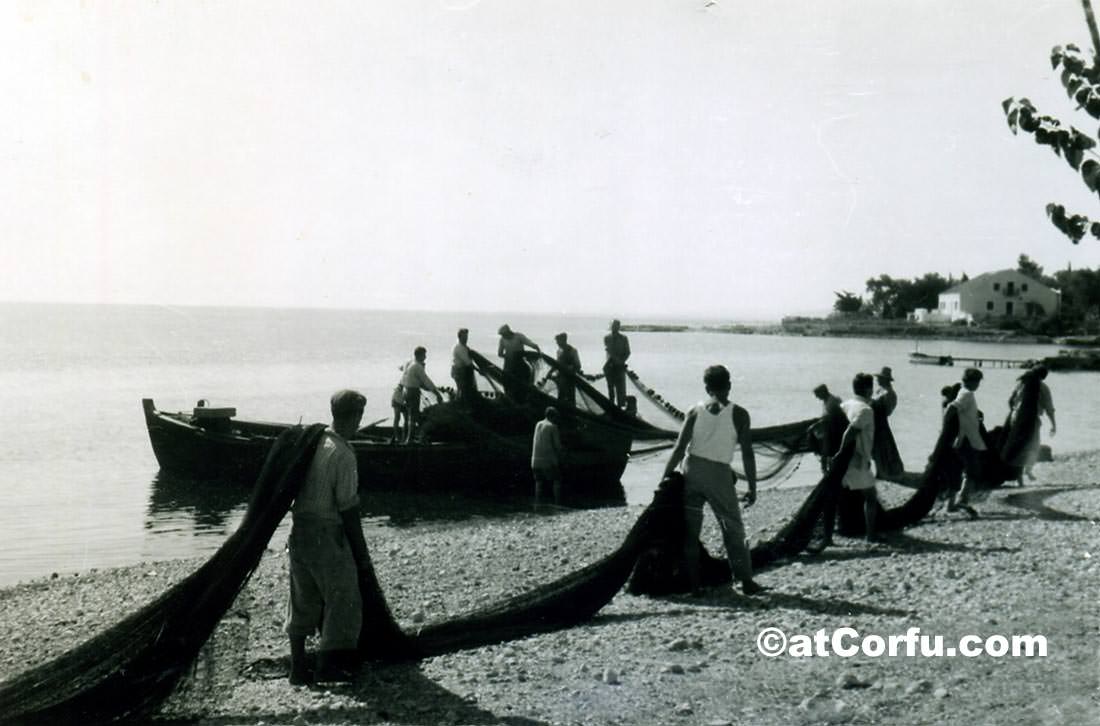
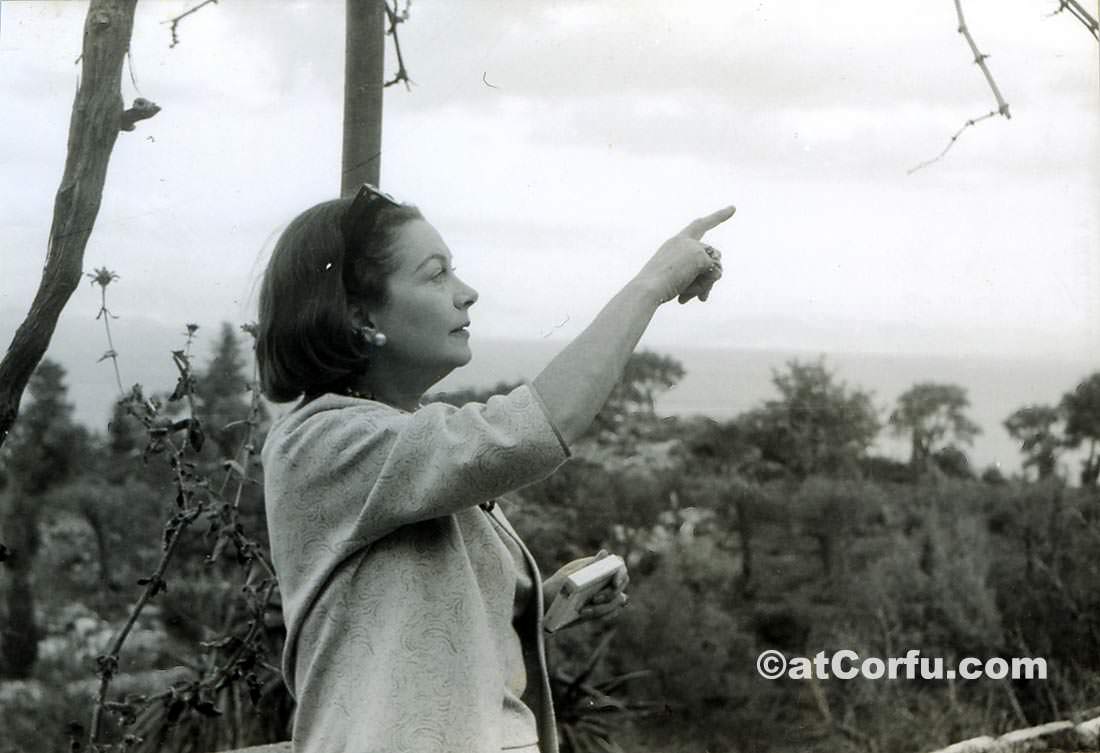
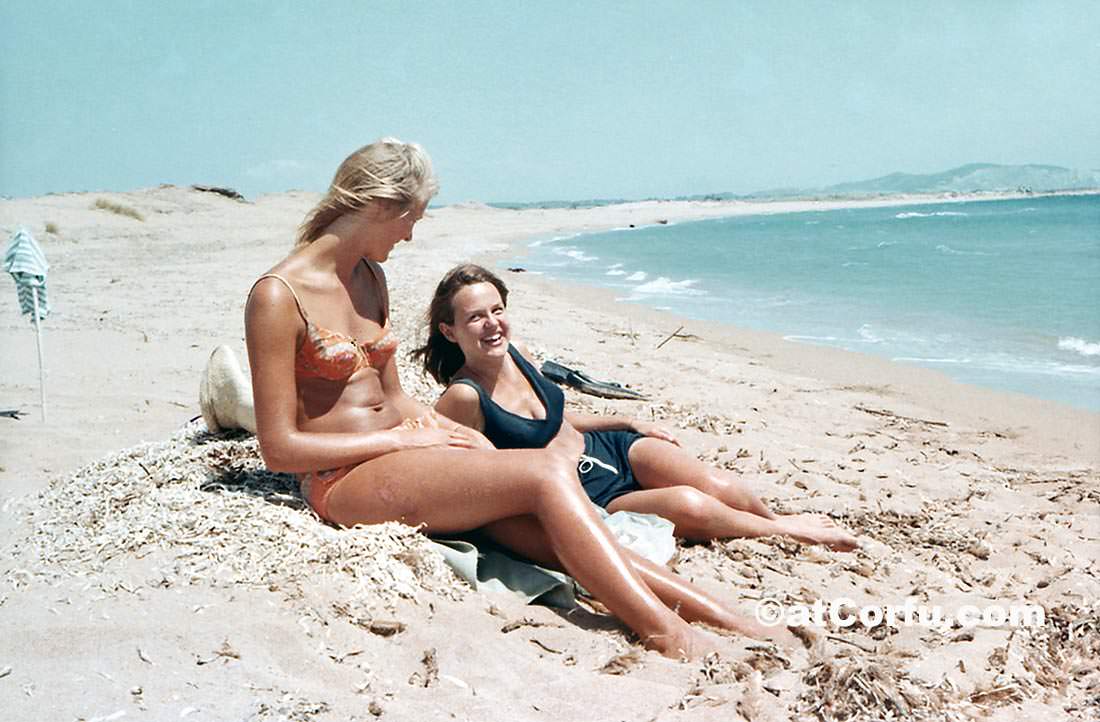
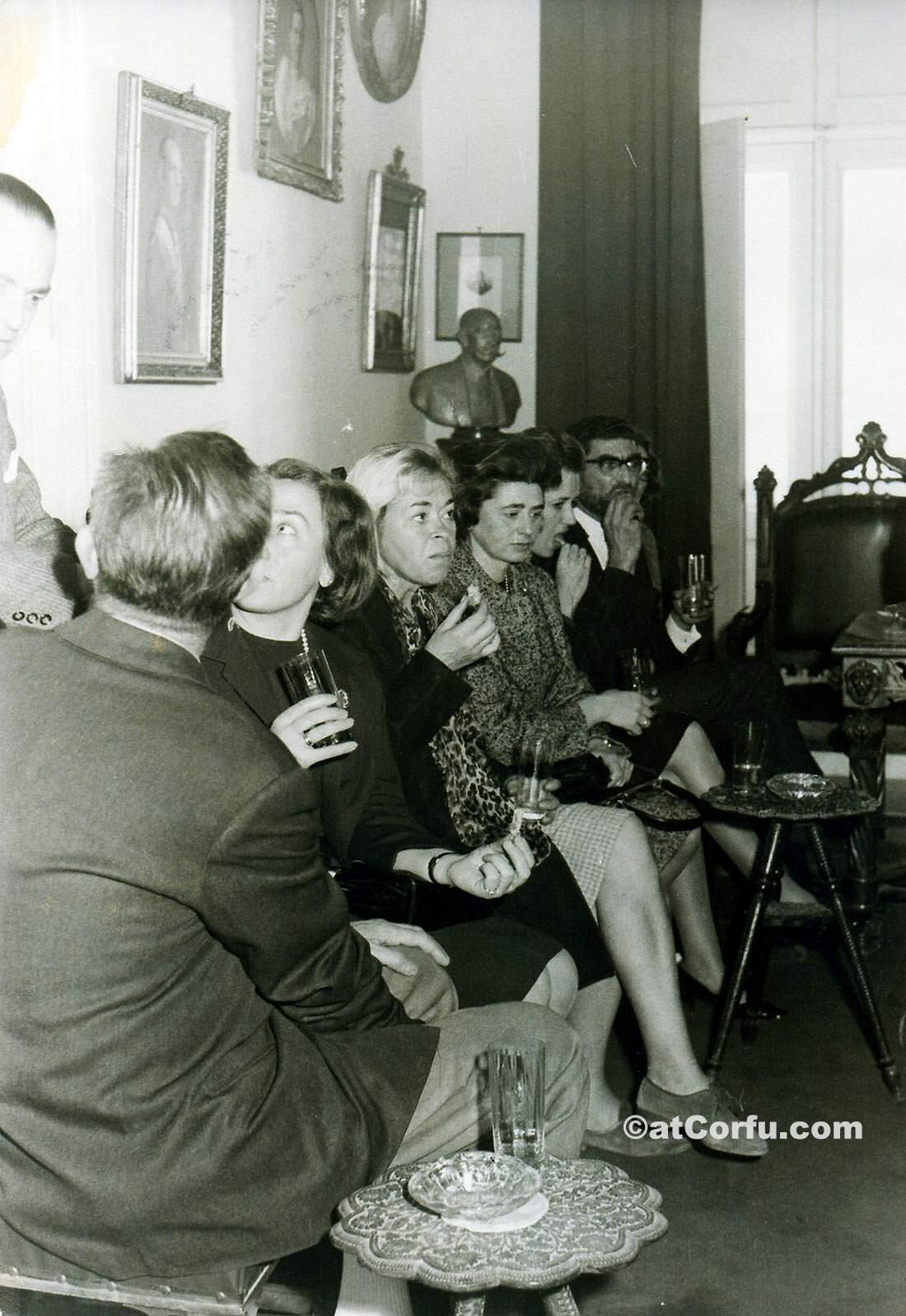
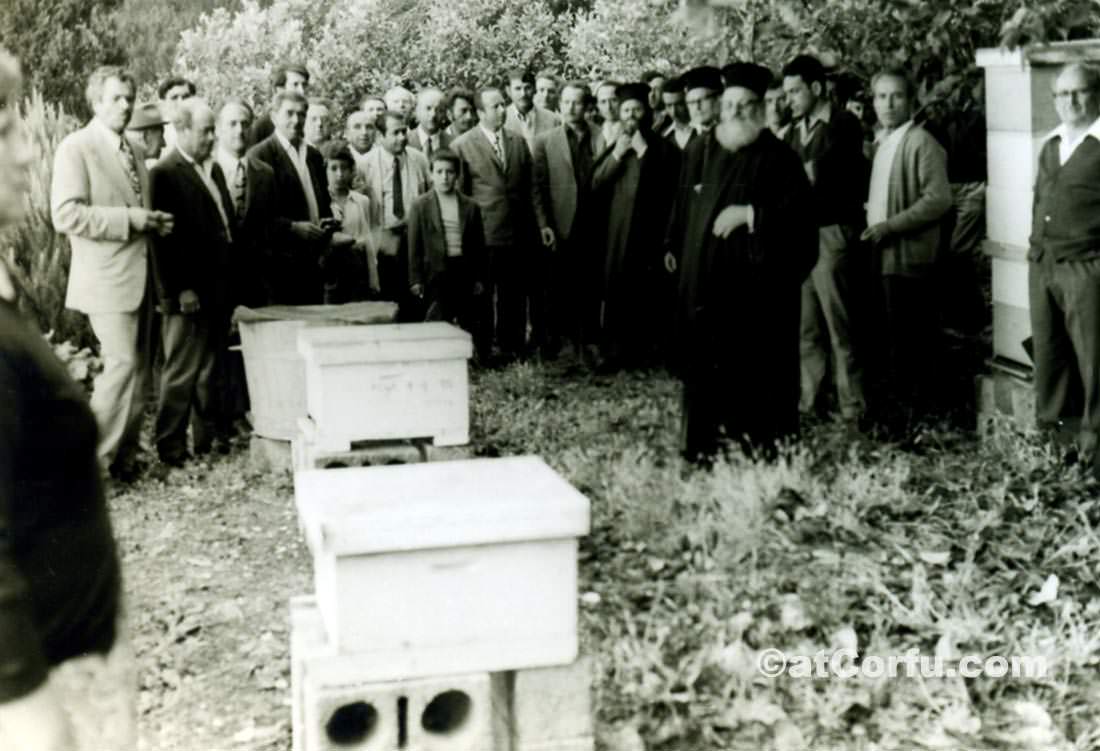
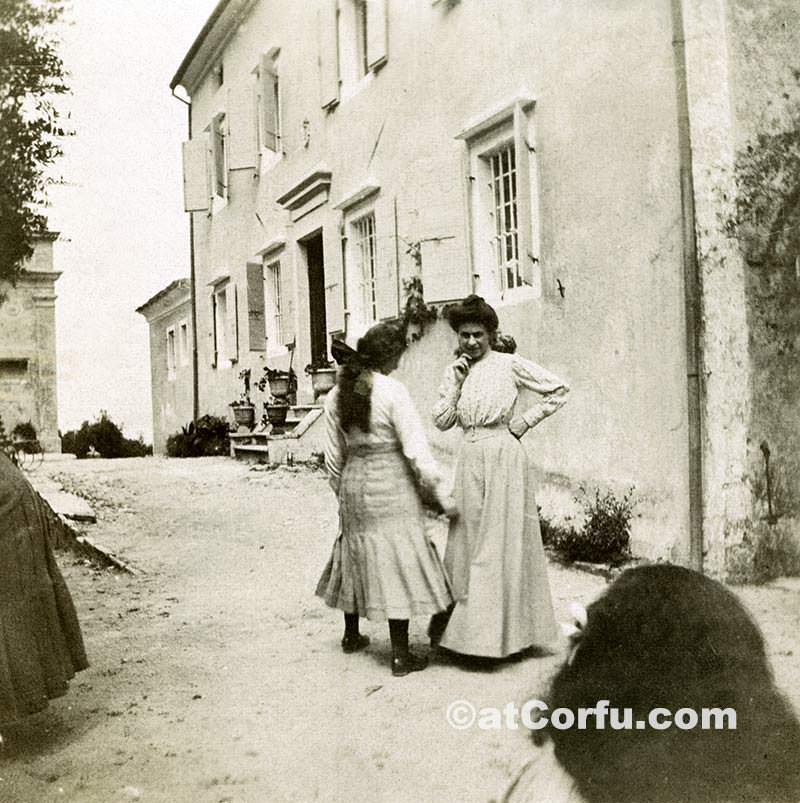
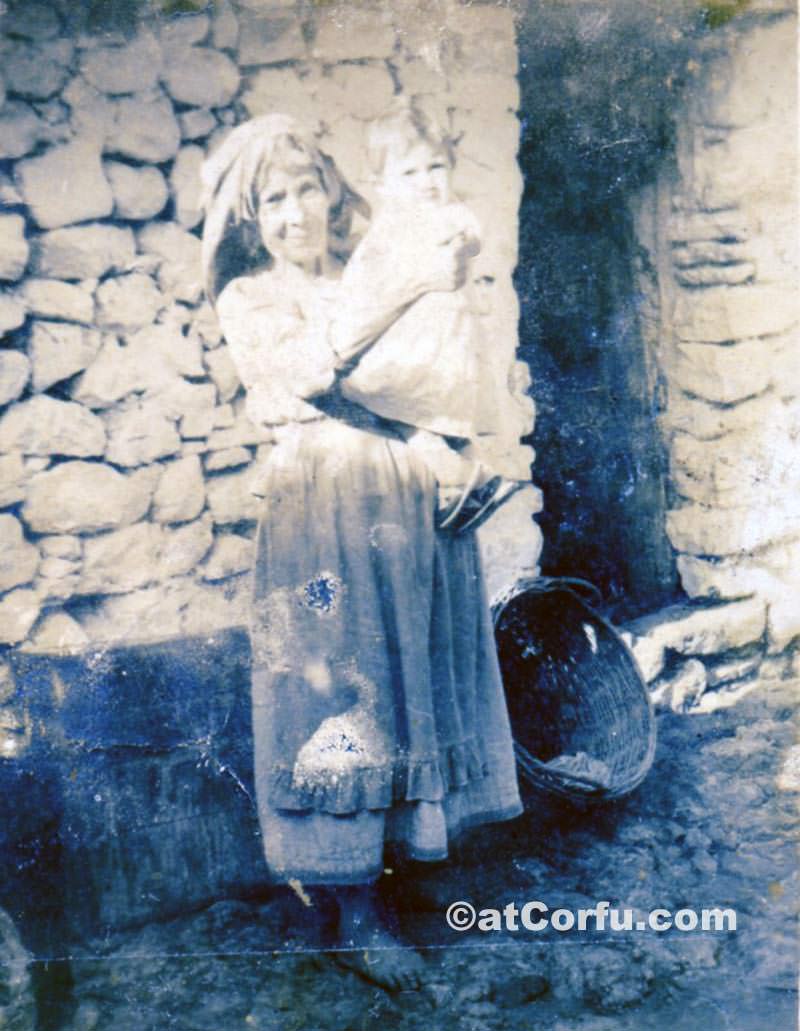
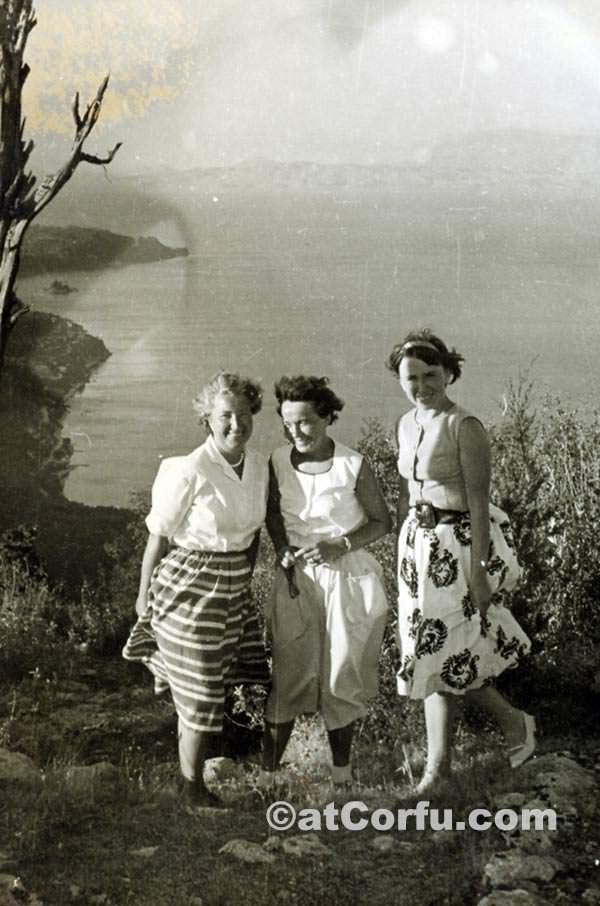
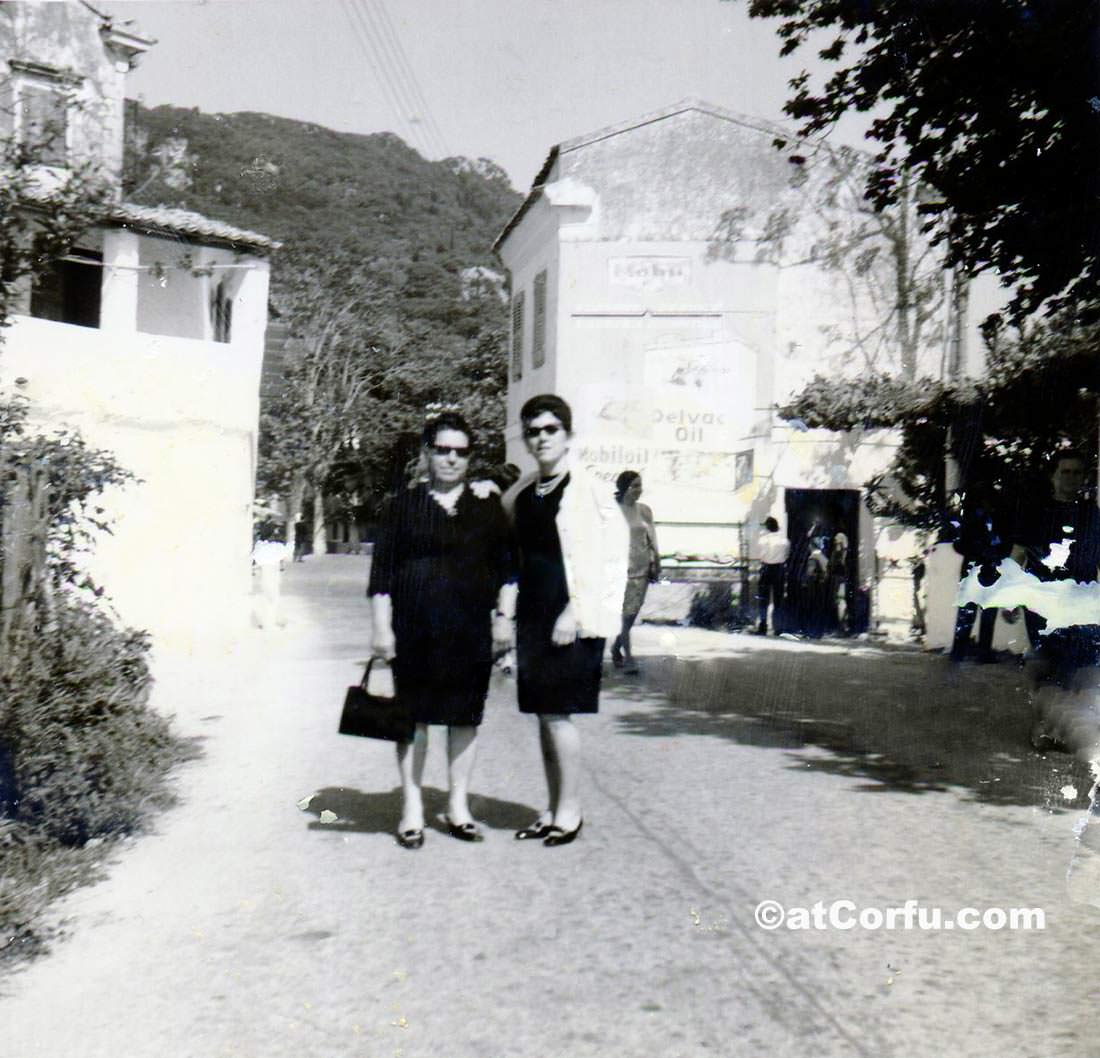
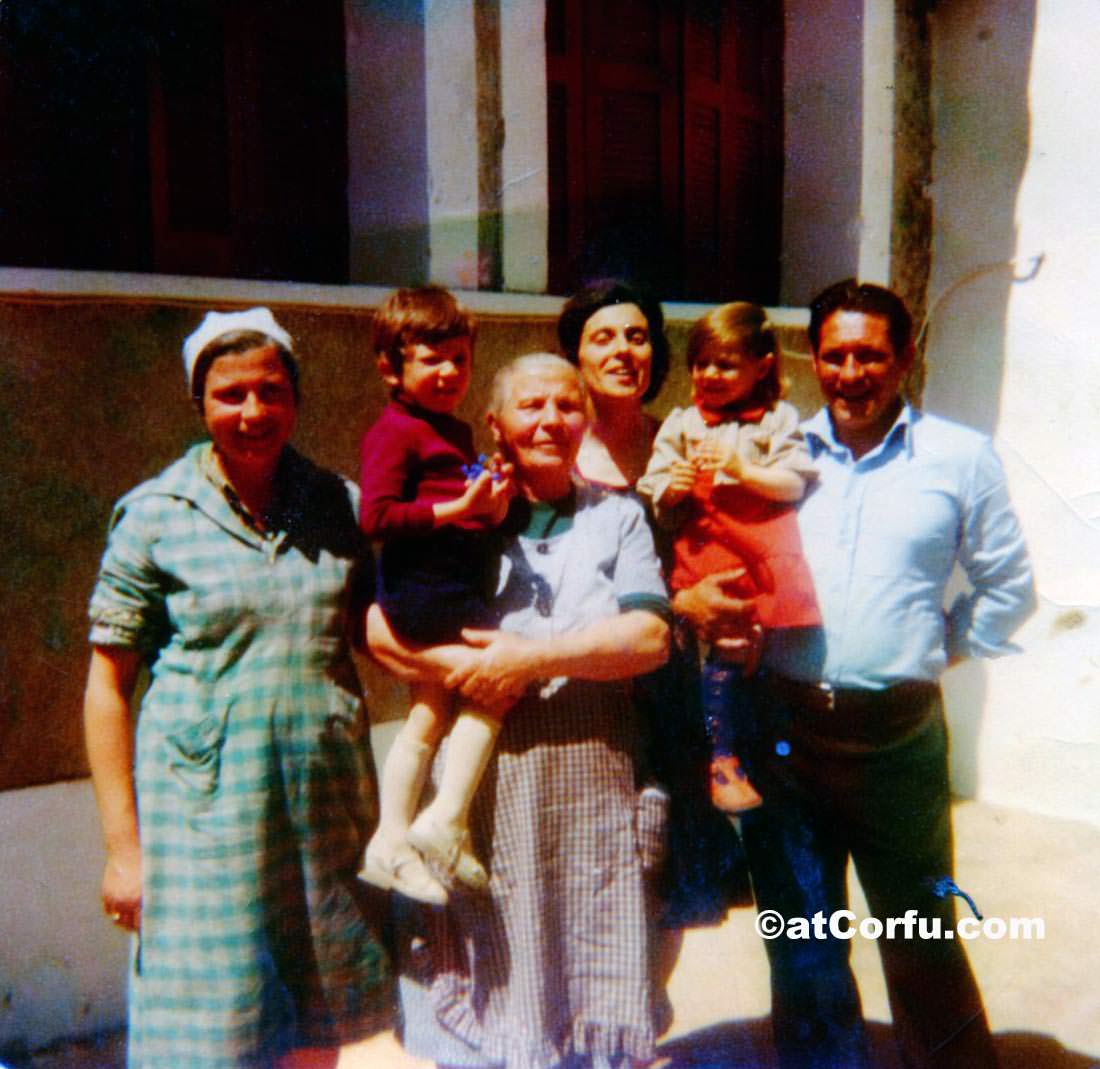
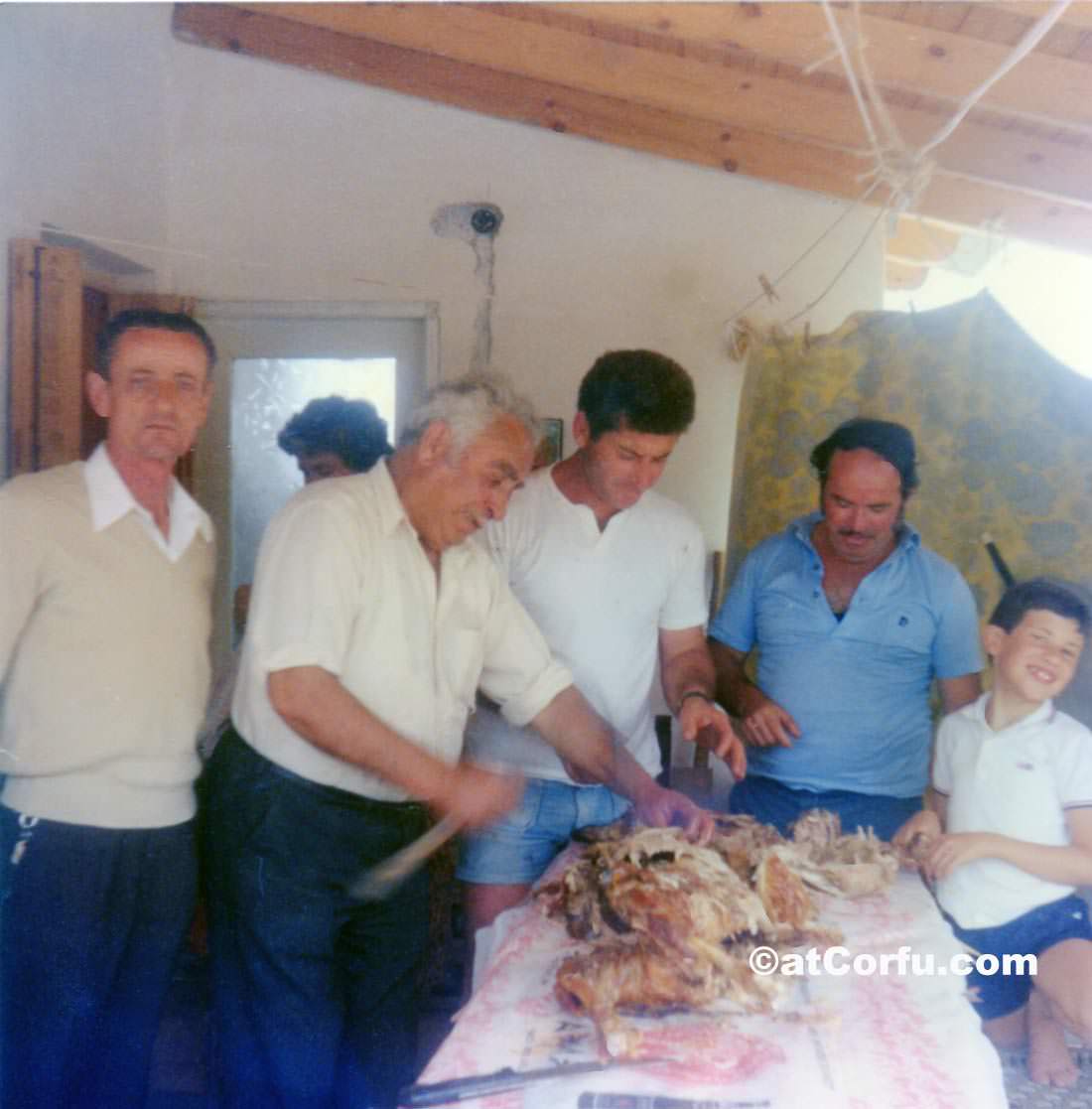
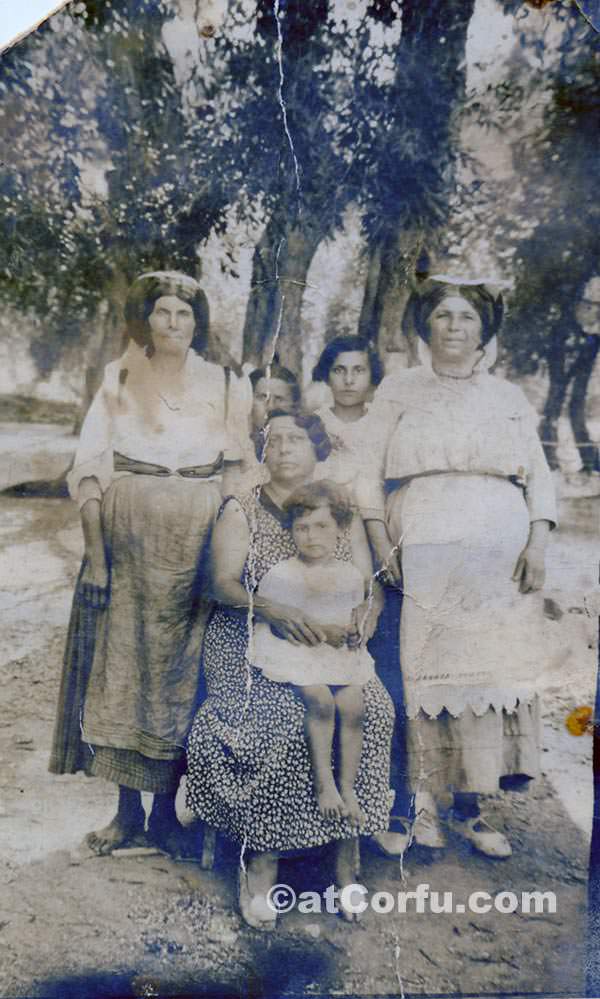
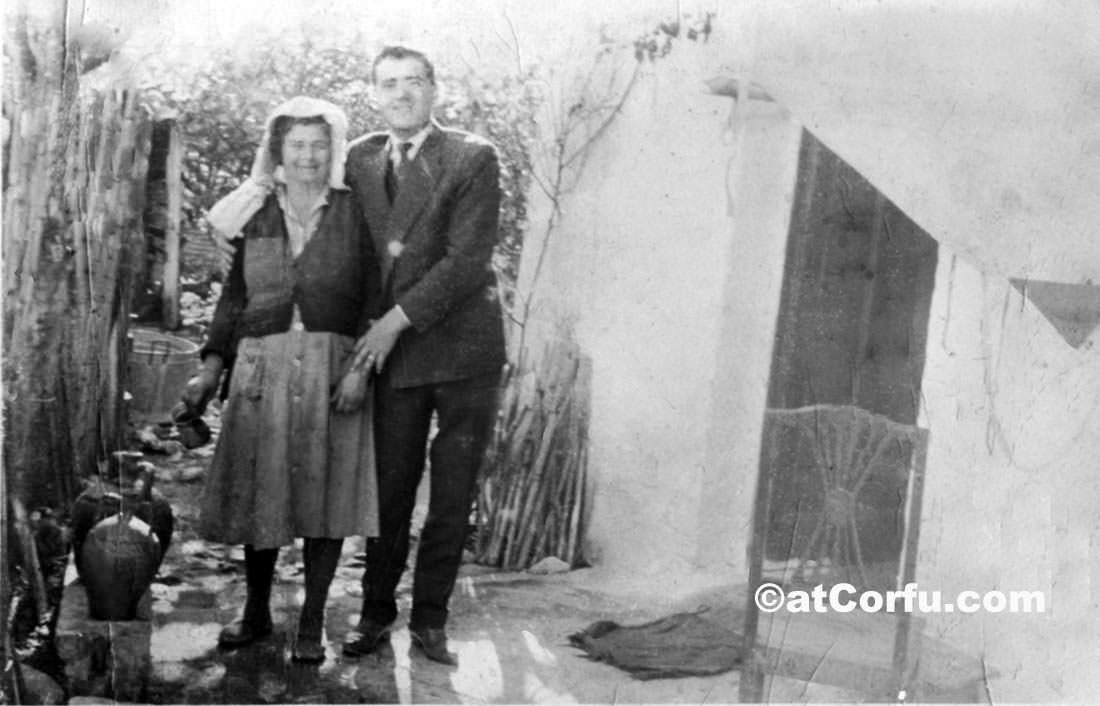
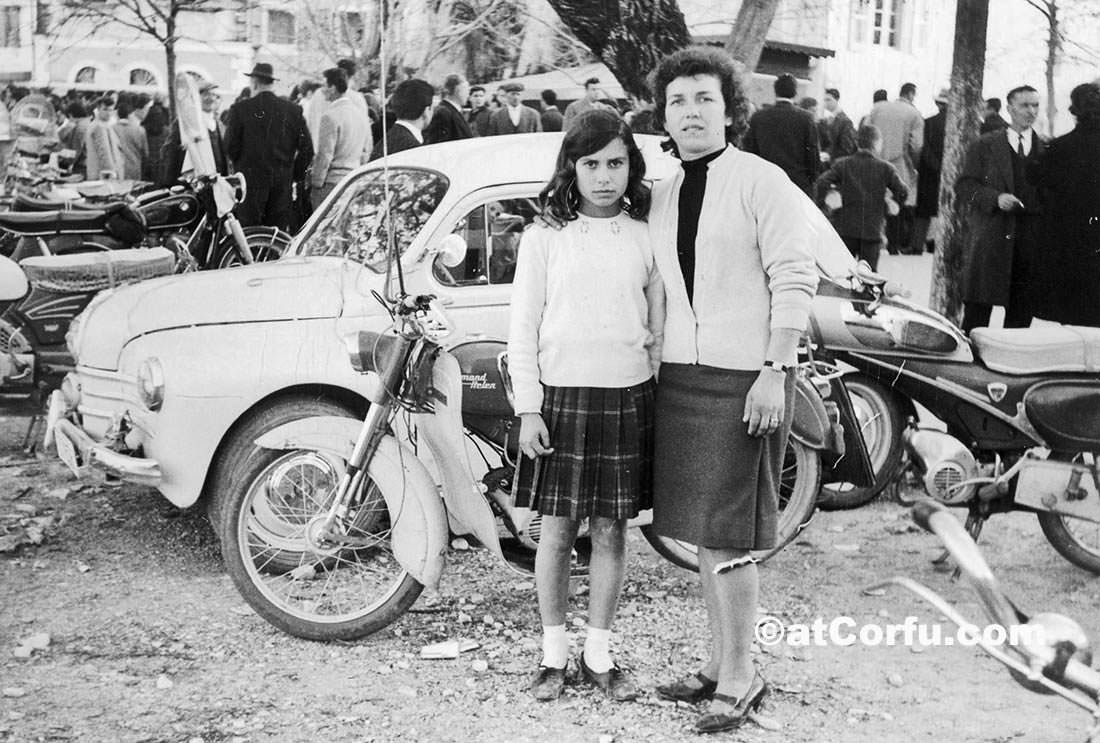
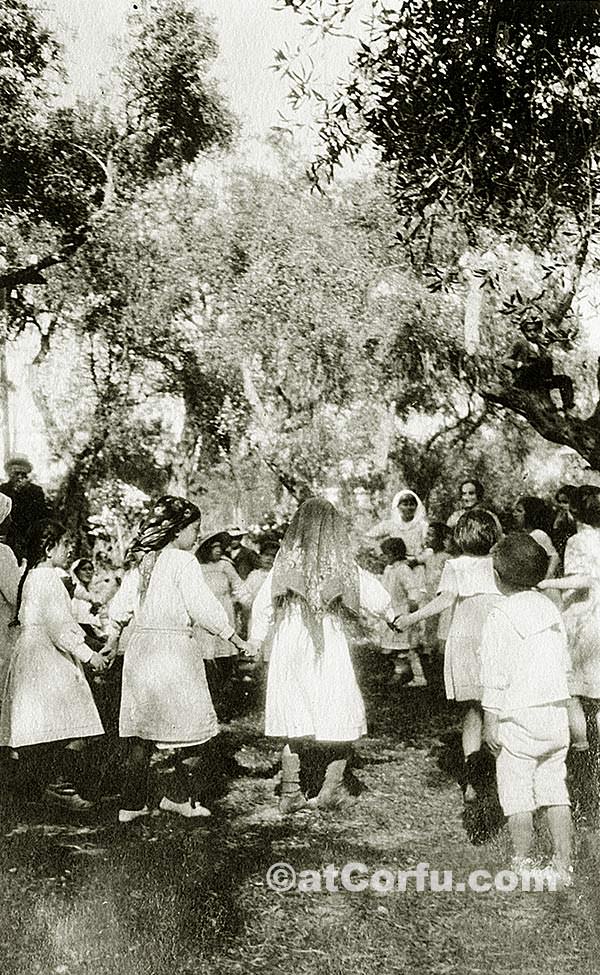
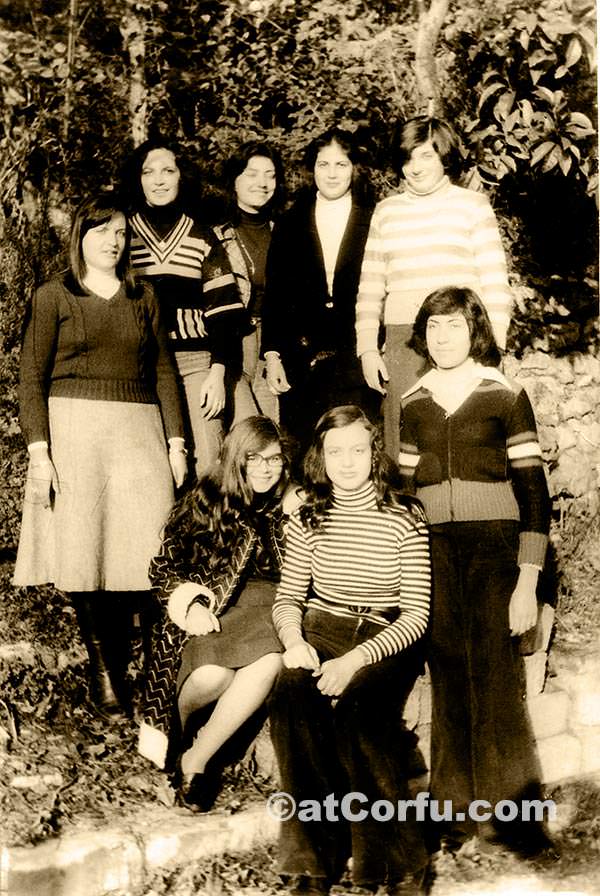
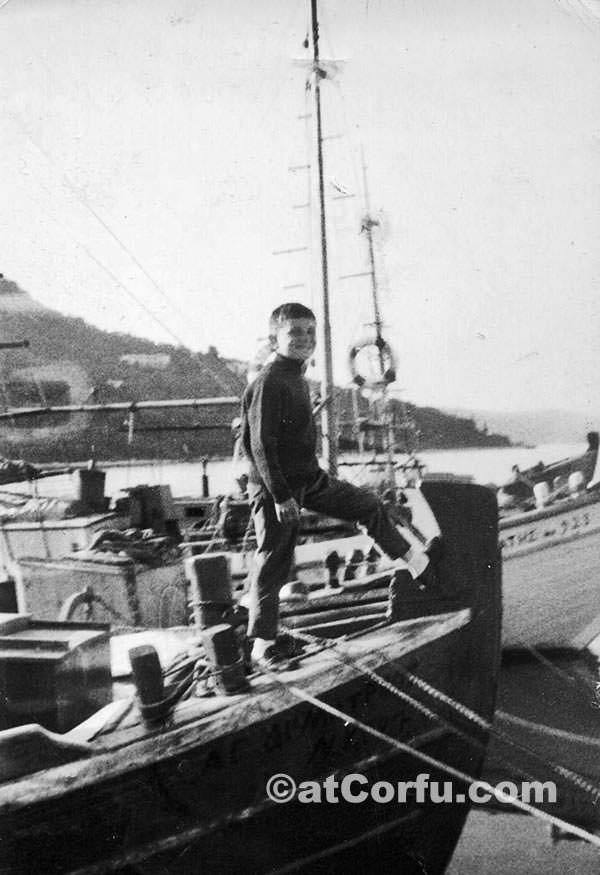
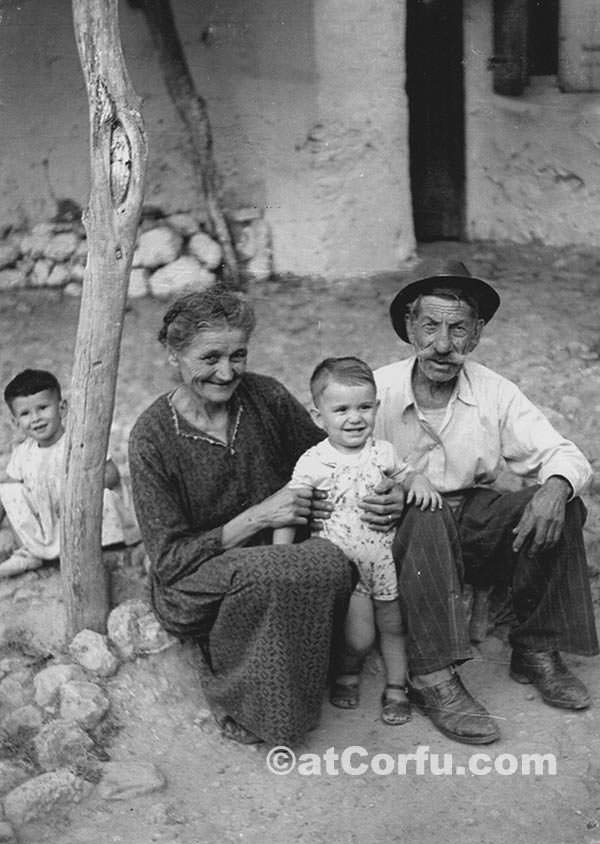
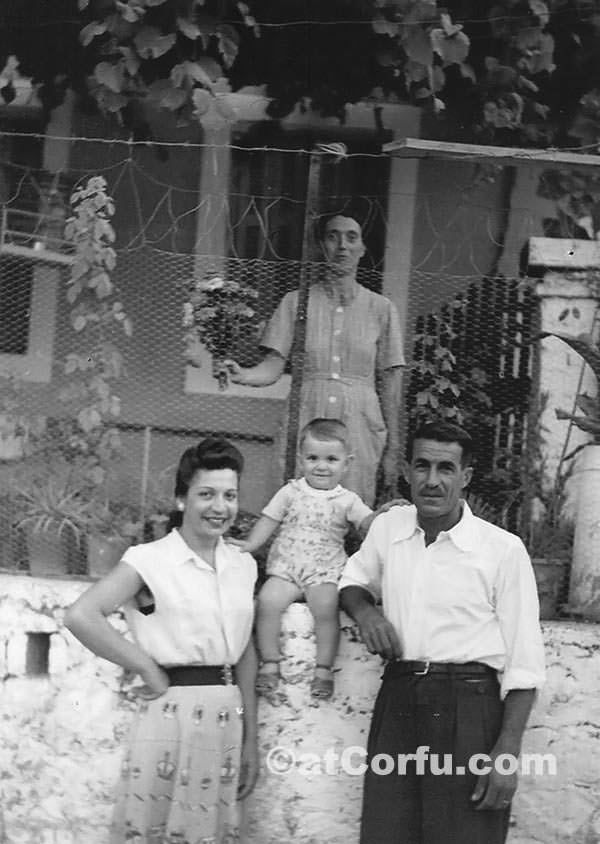
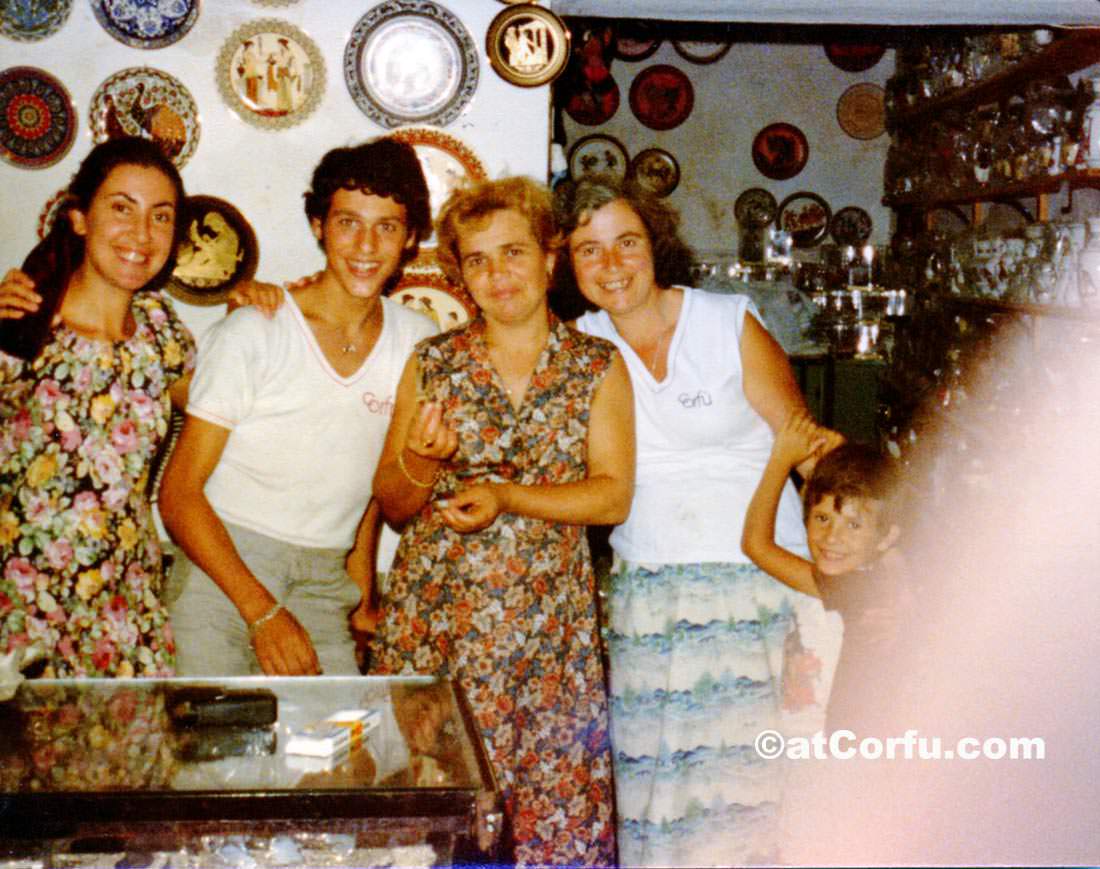
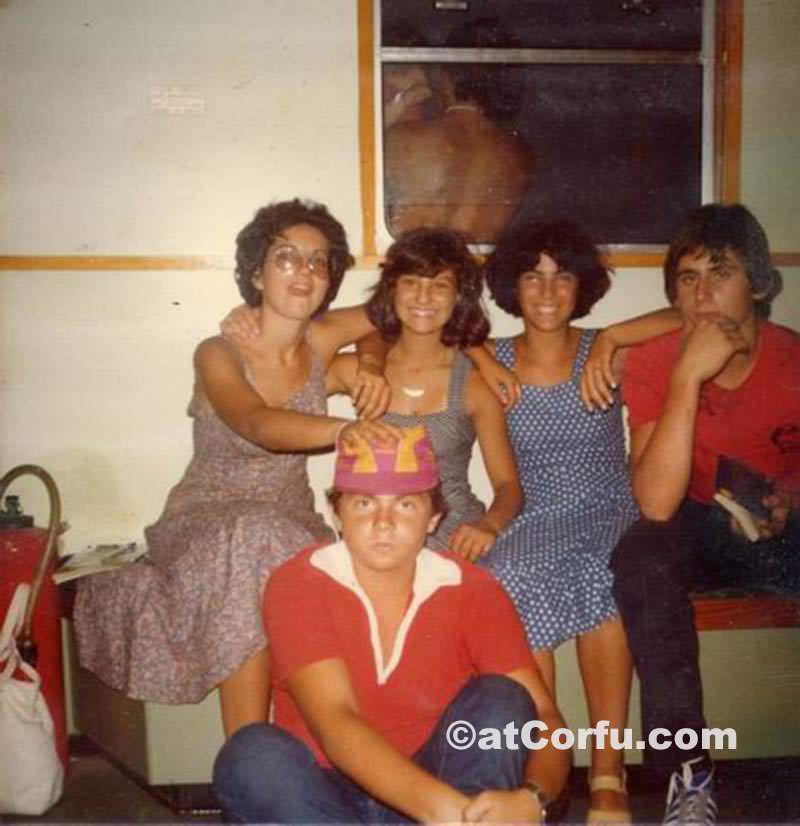
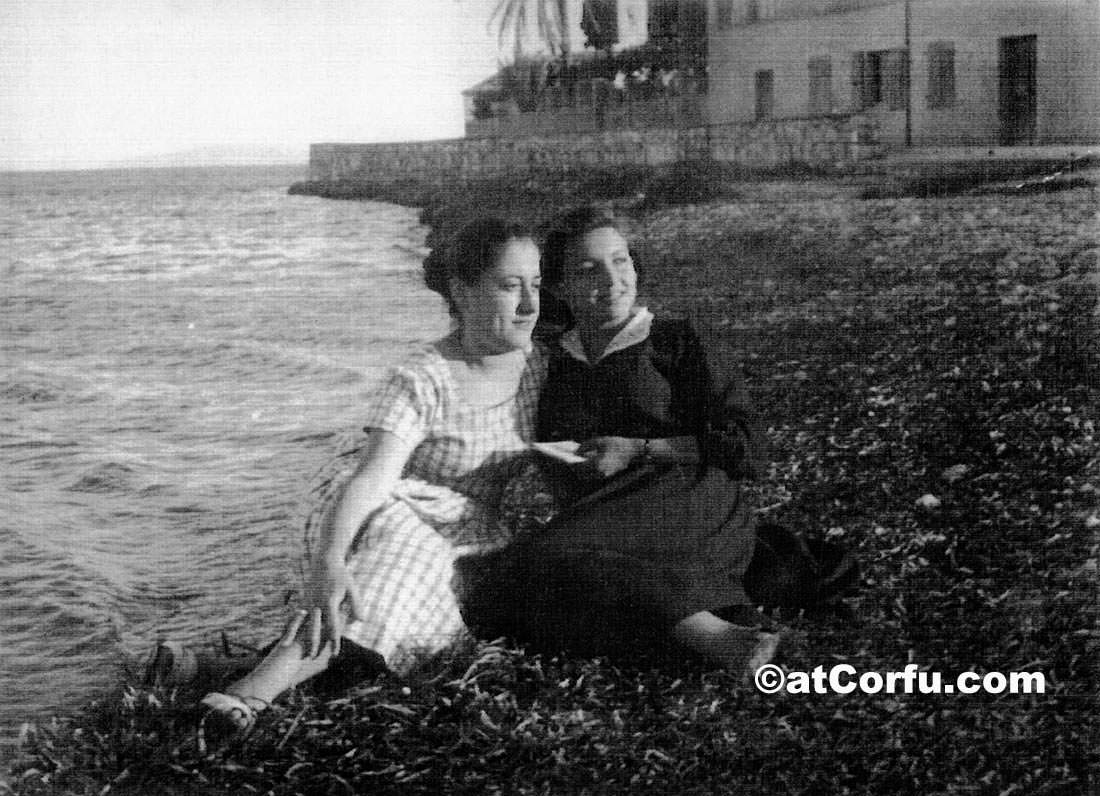
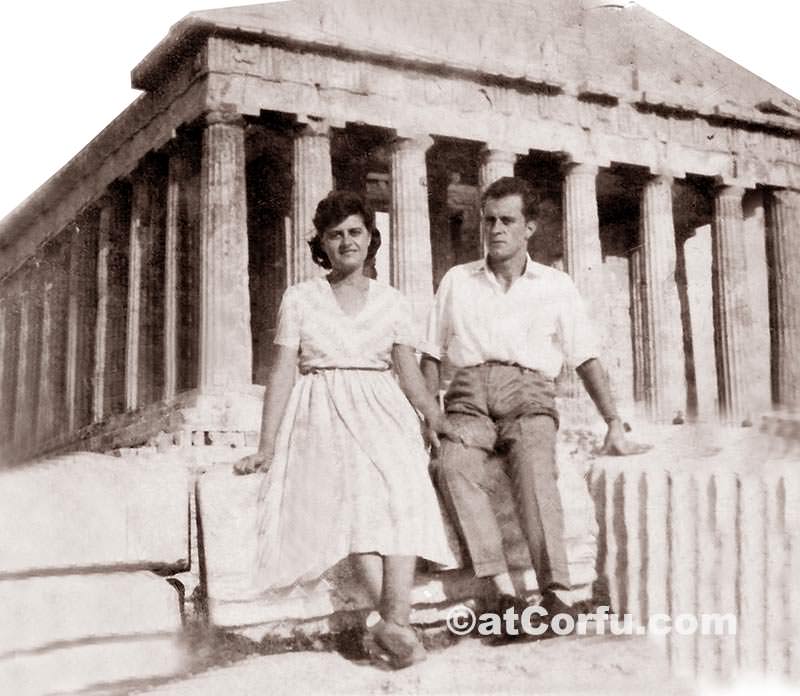
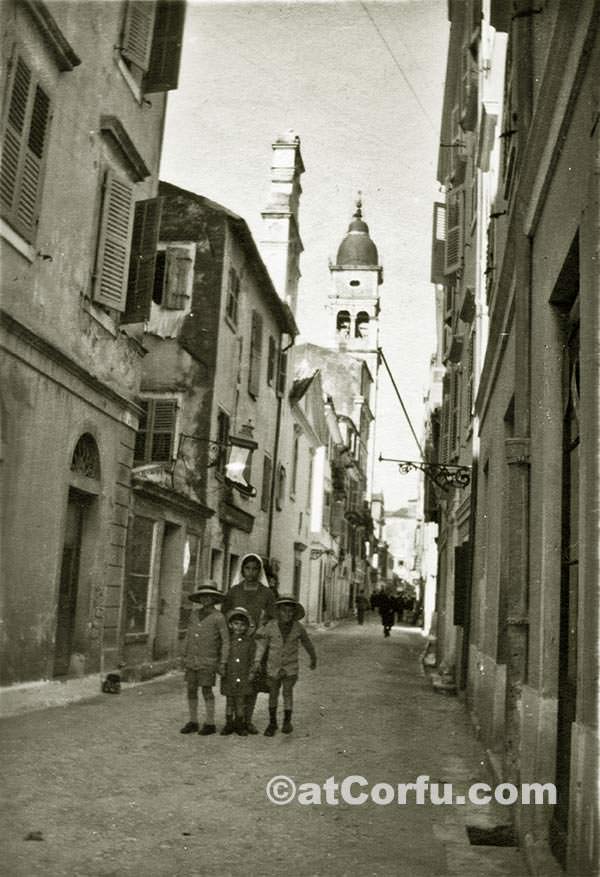
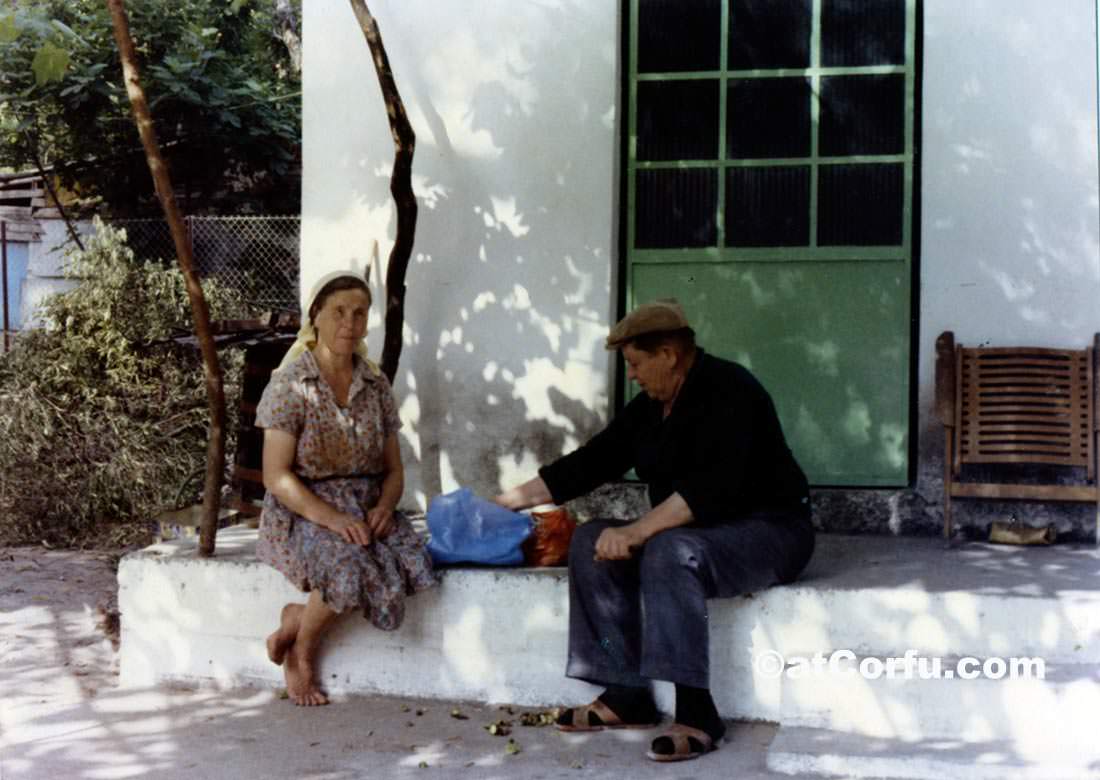
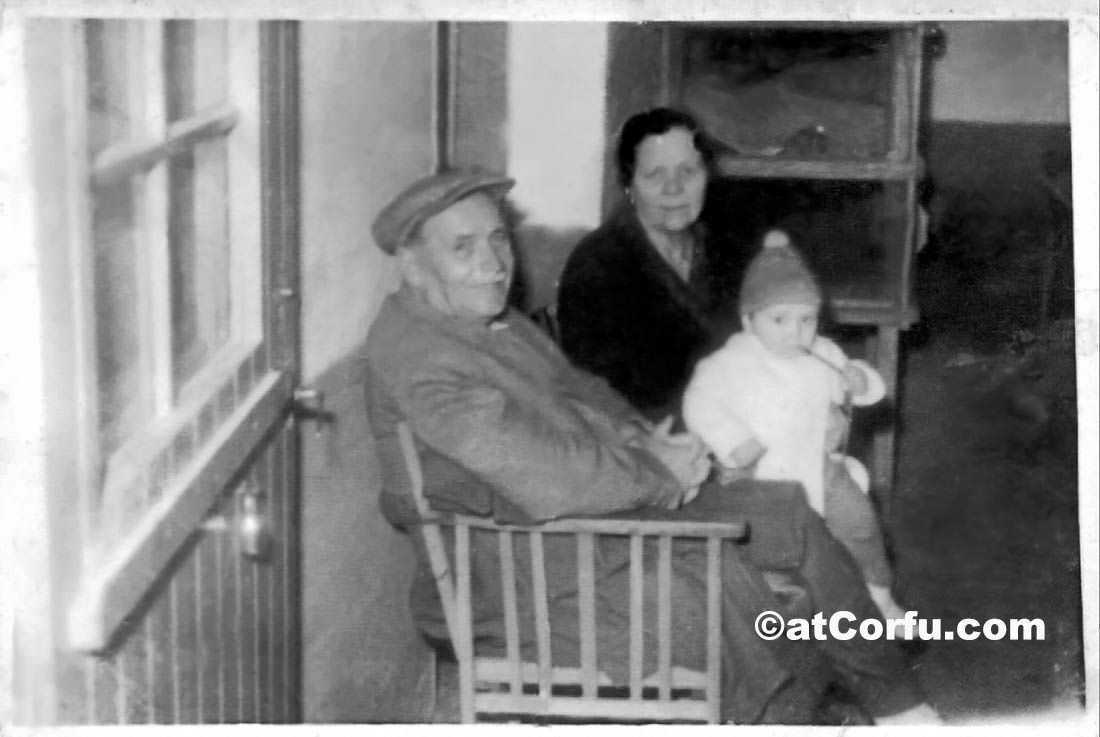
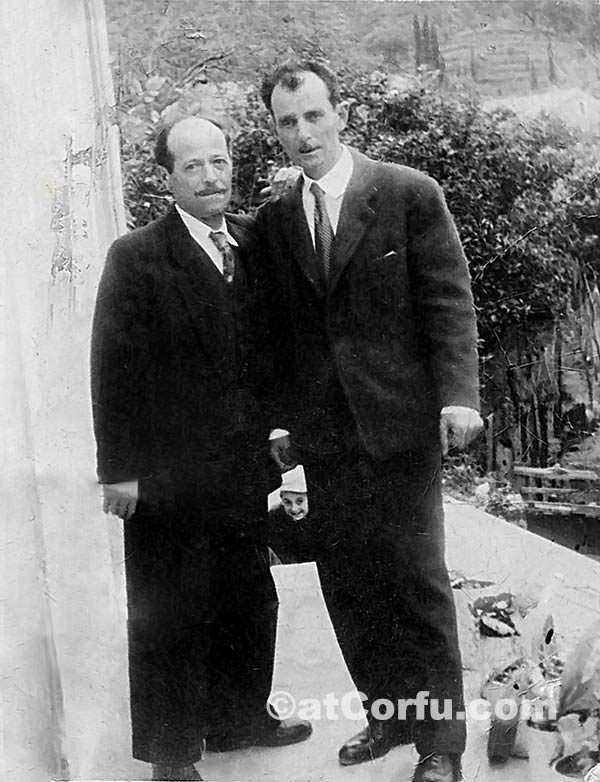
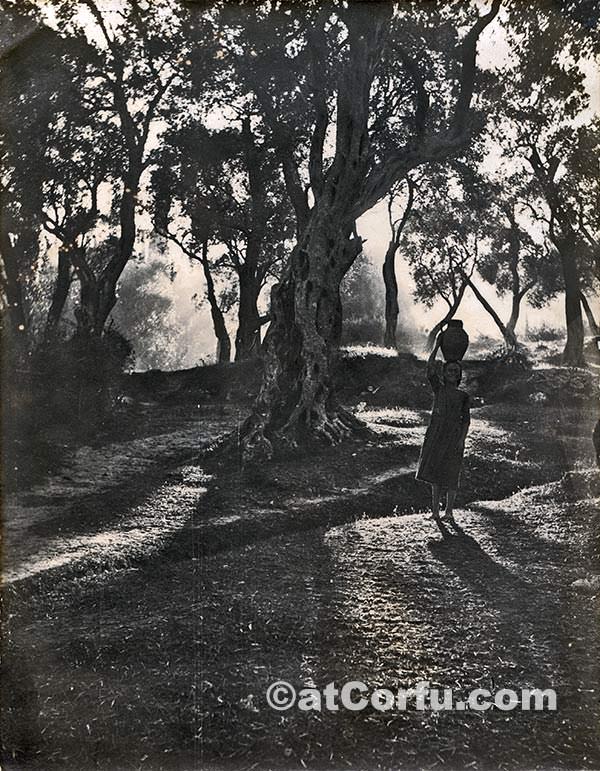
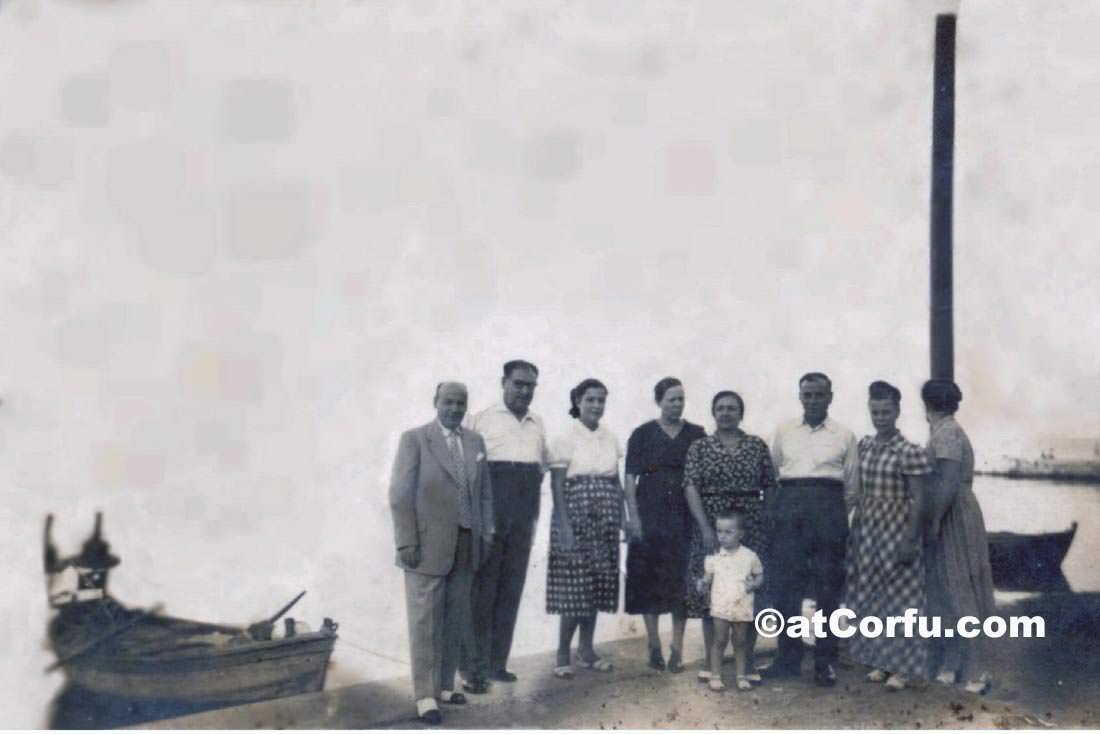
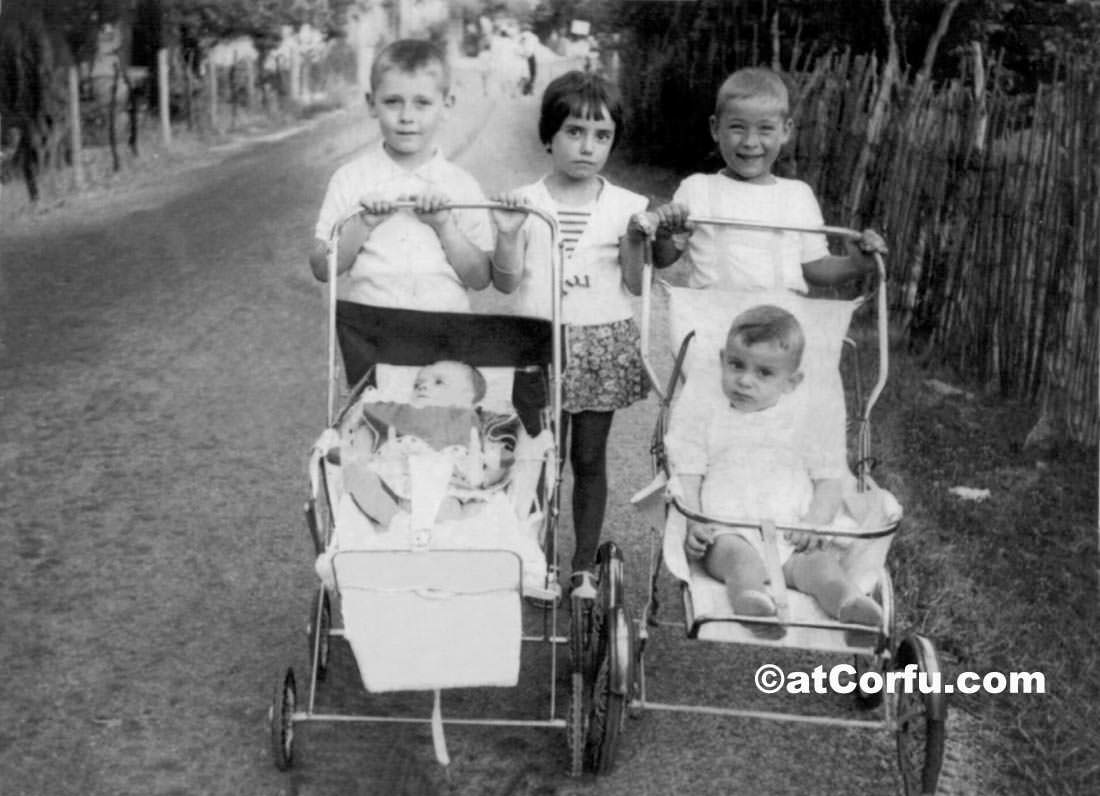
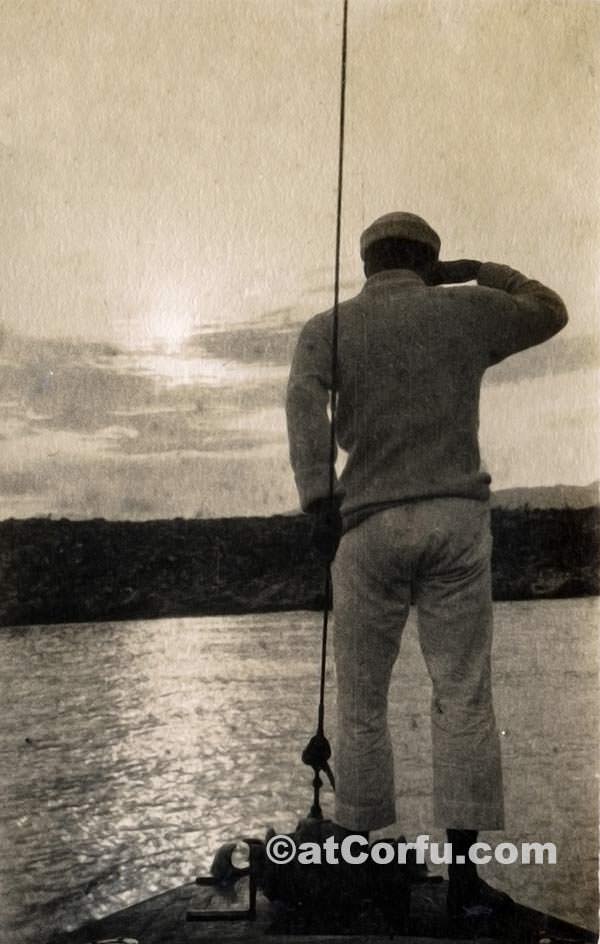
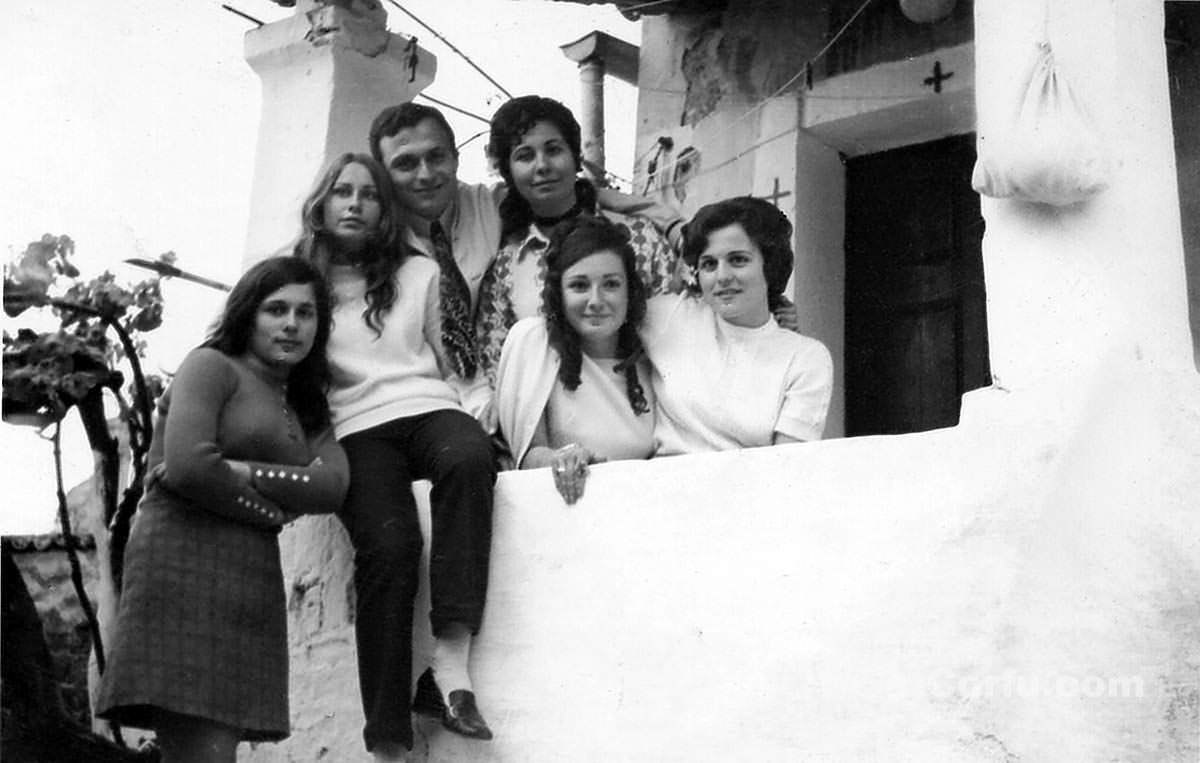
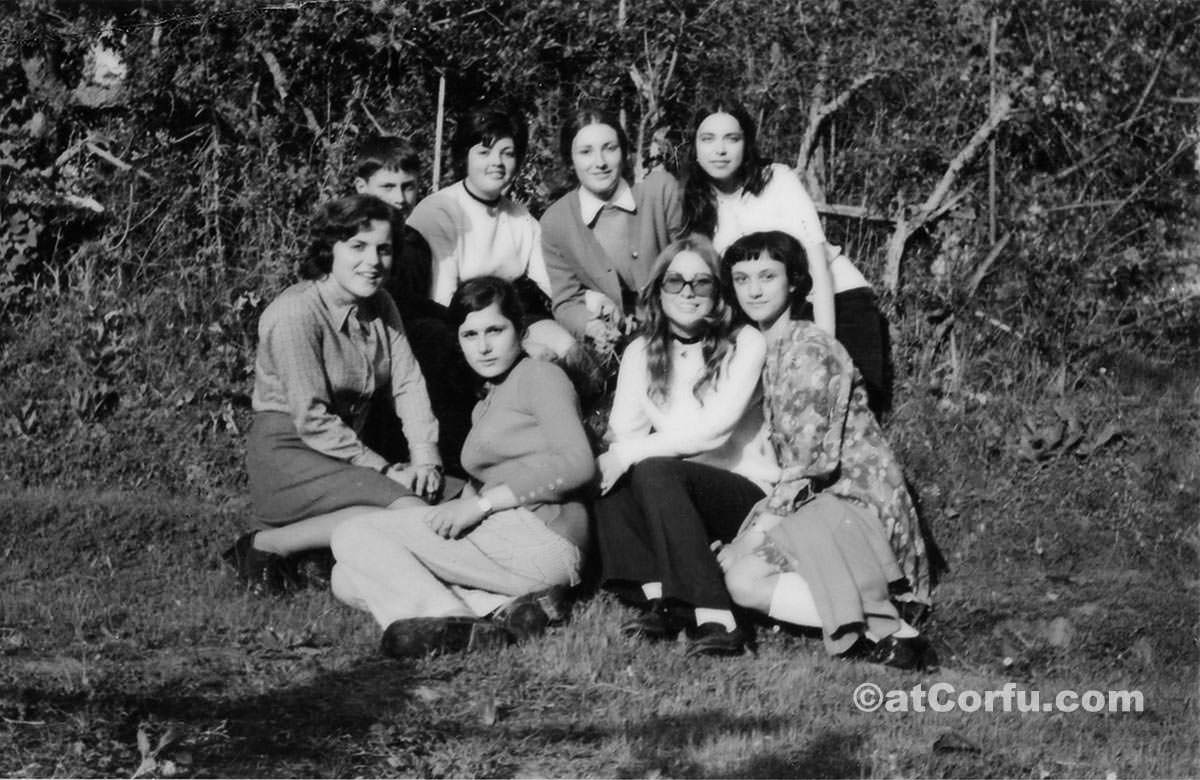
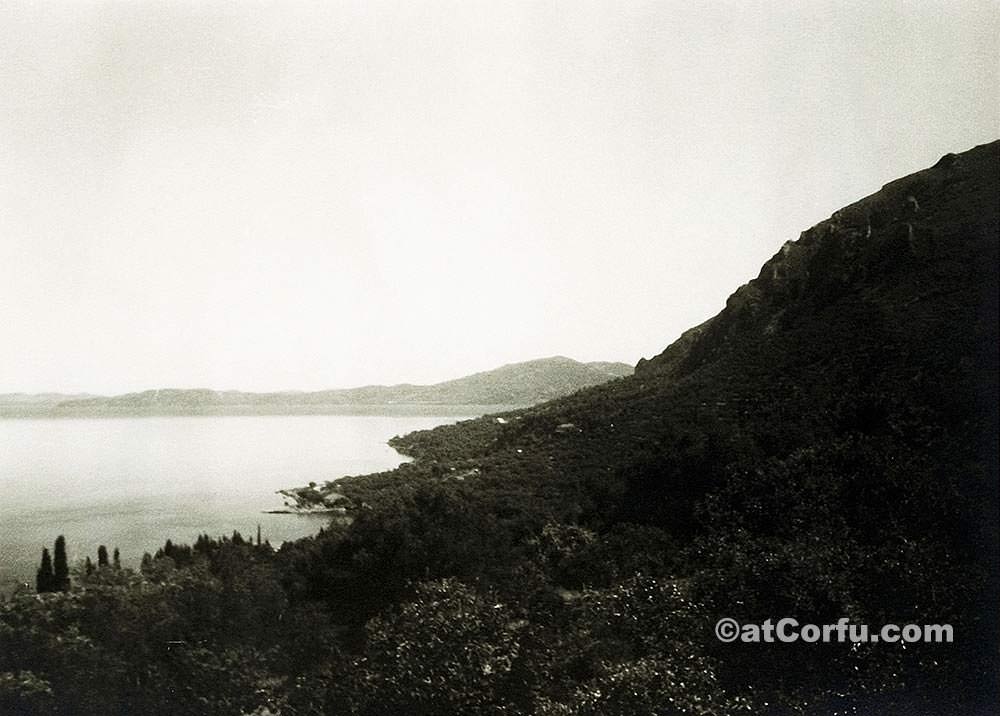
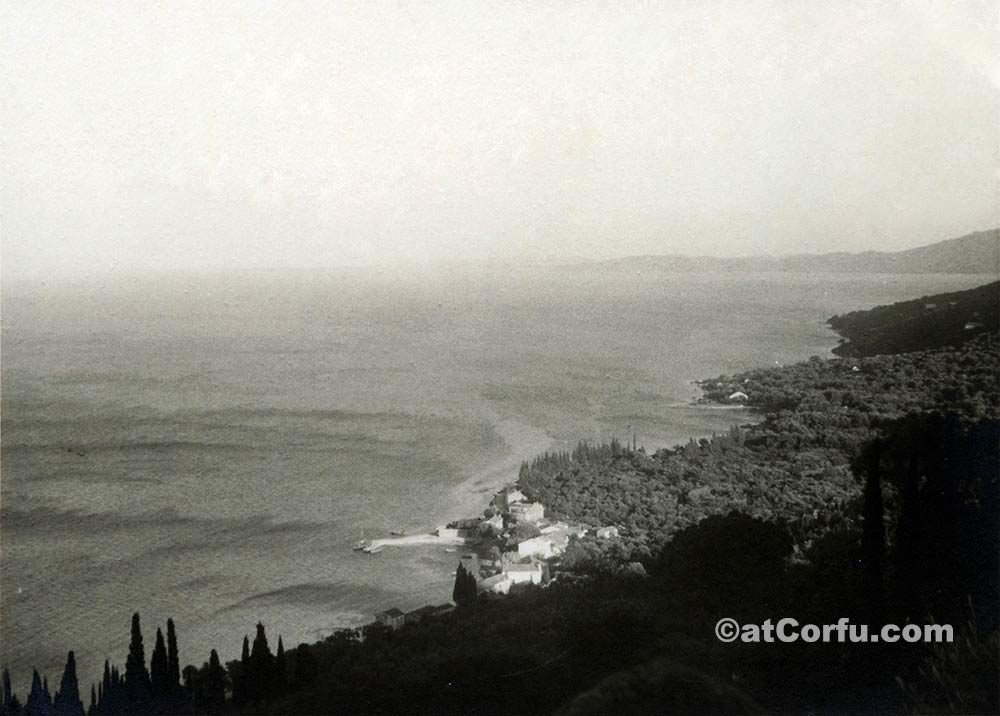
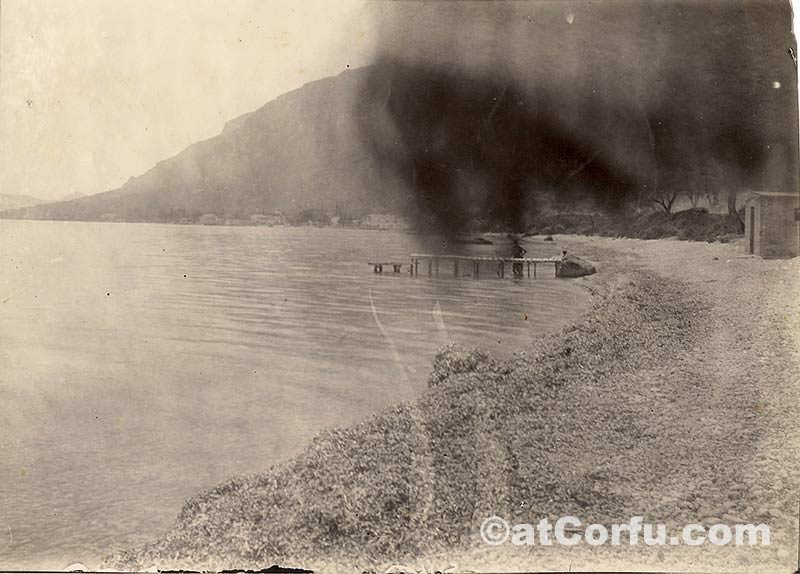
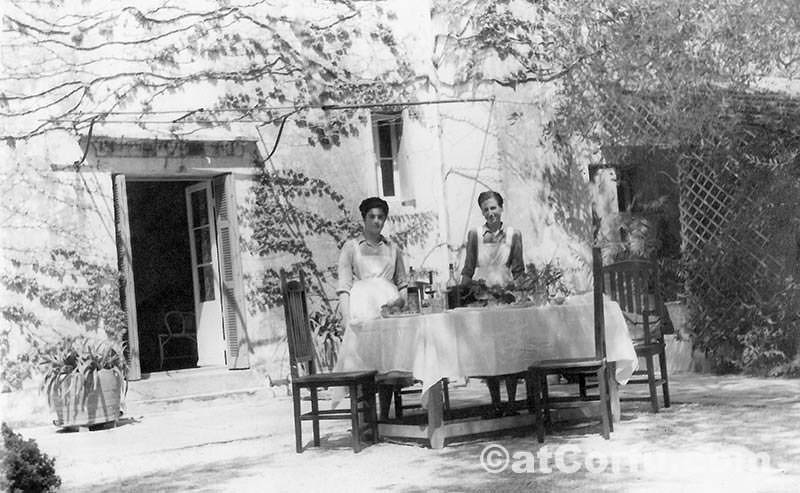
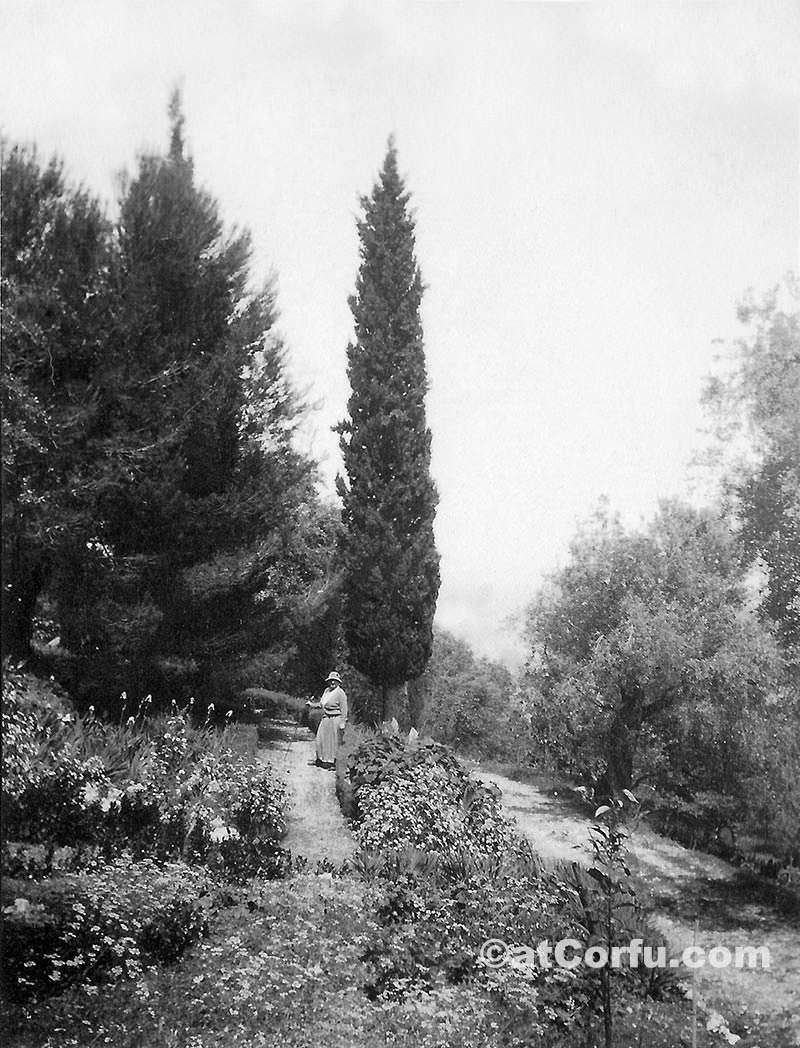
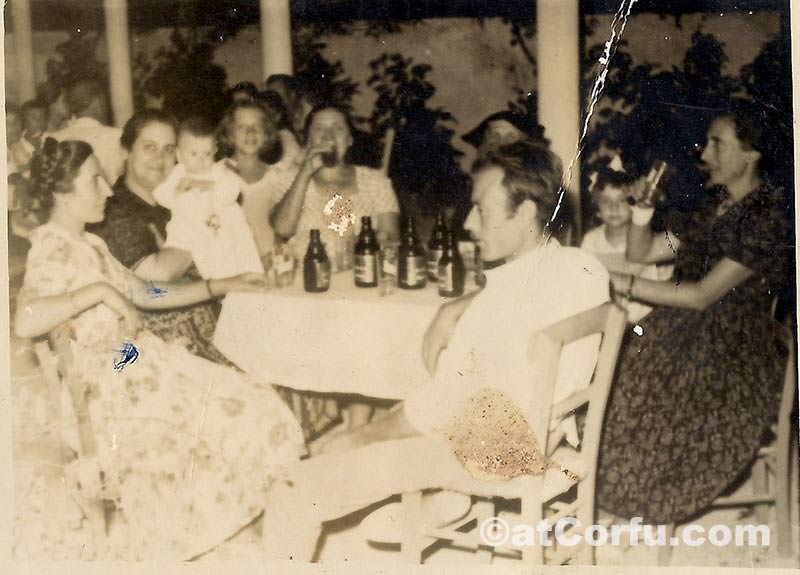
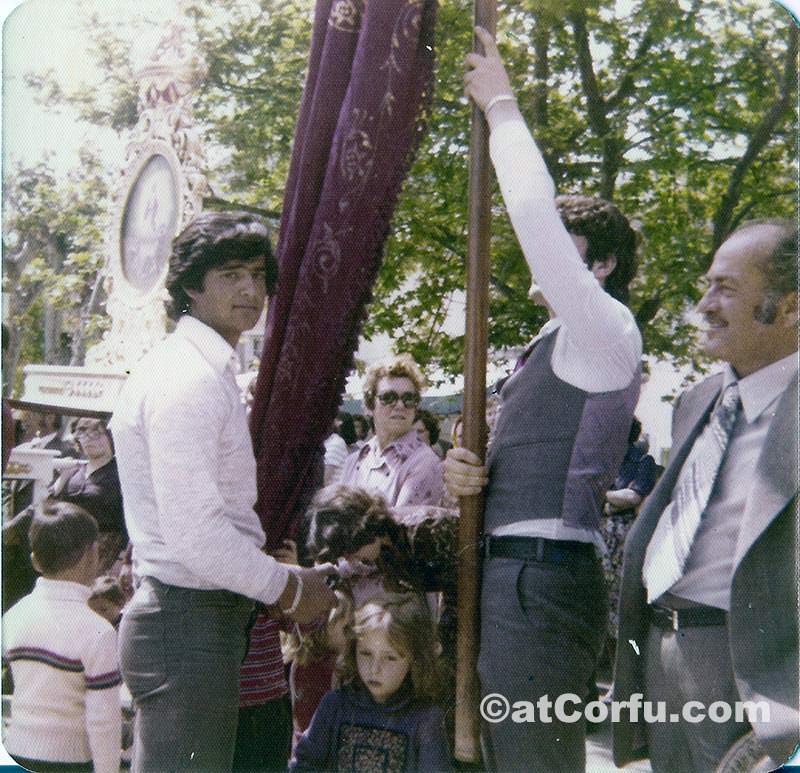
Rulers and especially important people may write history, but ordinary people are the ones who actually make it, and to begin to write about the habits, lifestyle, and obvious difficulties of society in the early 20th century we would need many pages and it would be very difficult to write clearly and accurately.
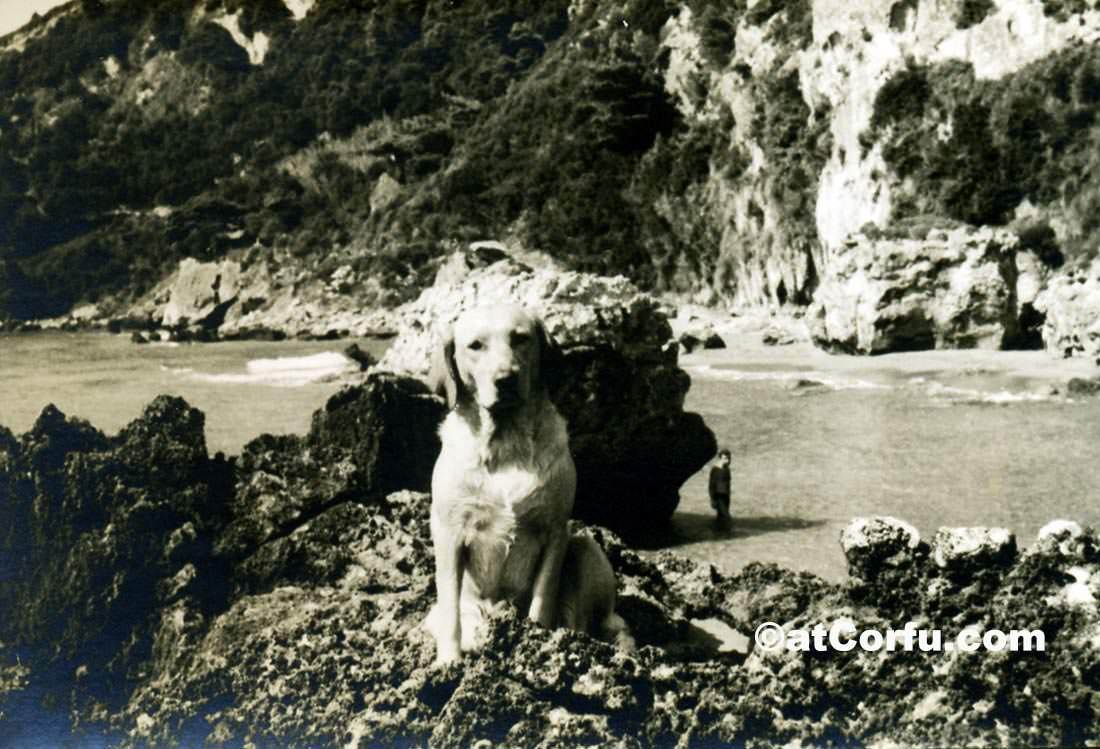
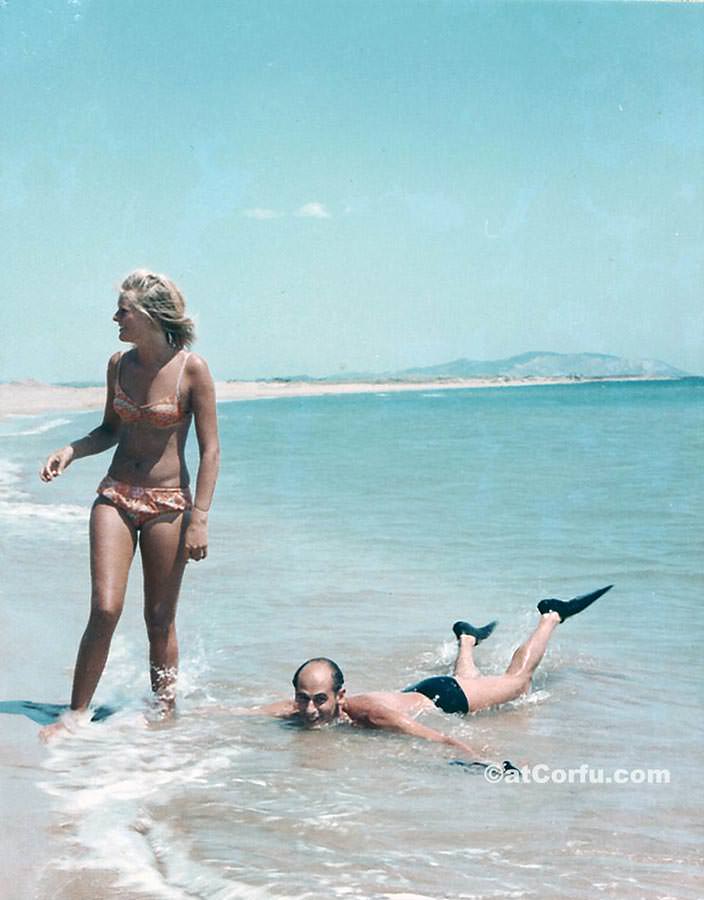
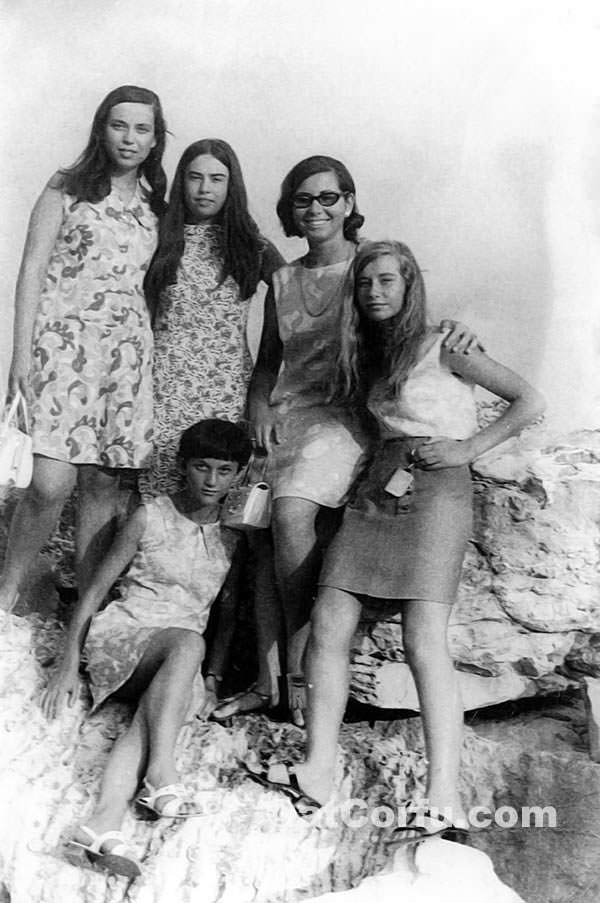
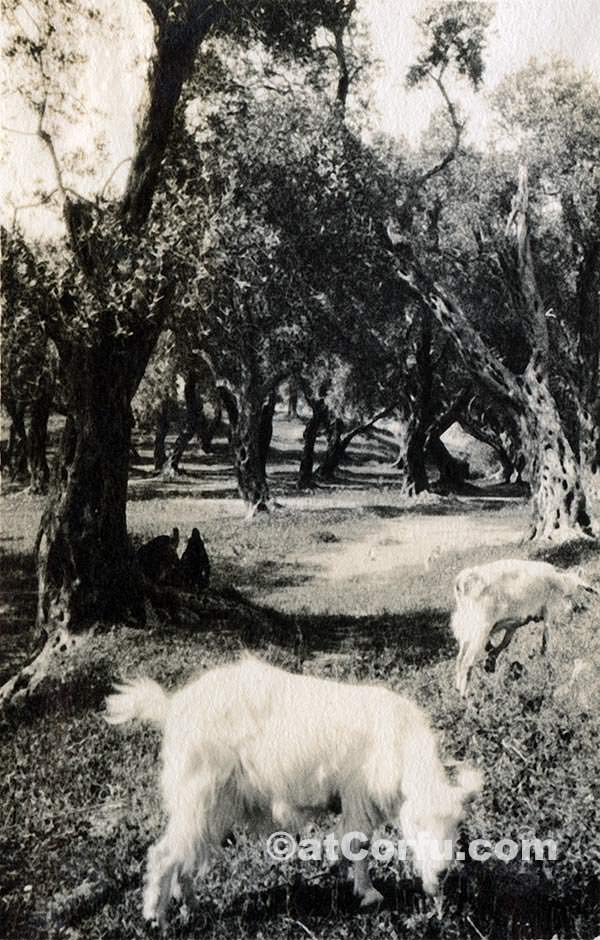
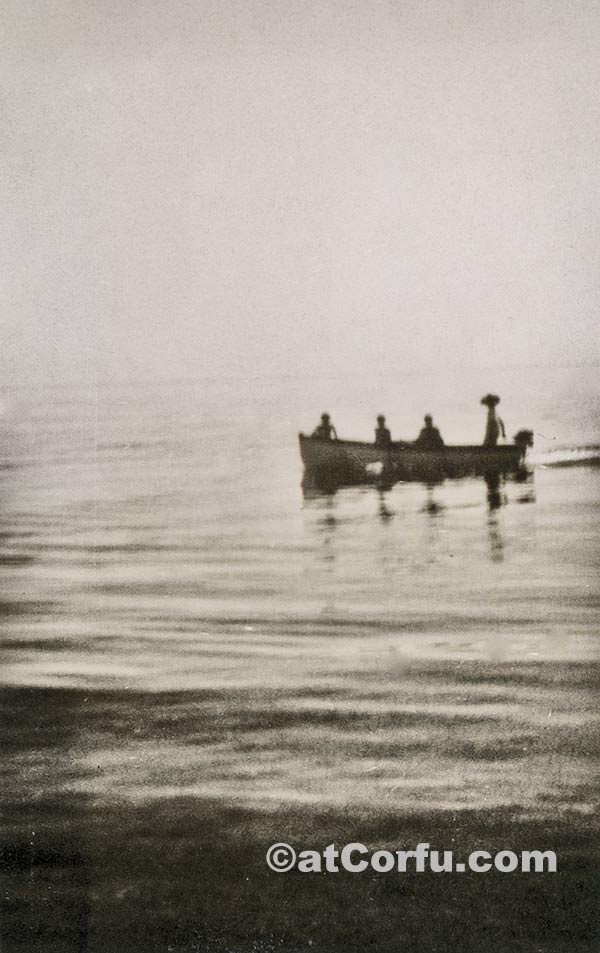
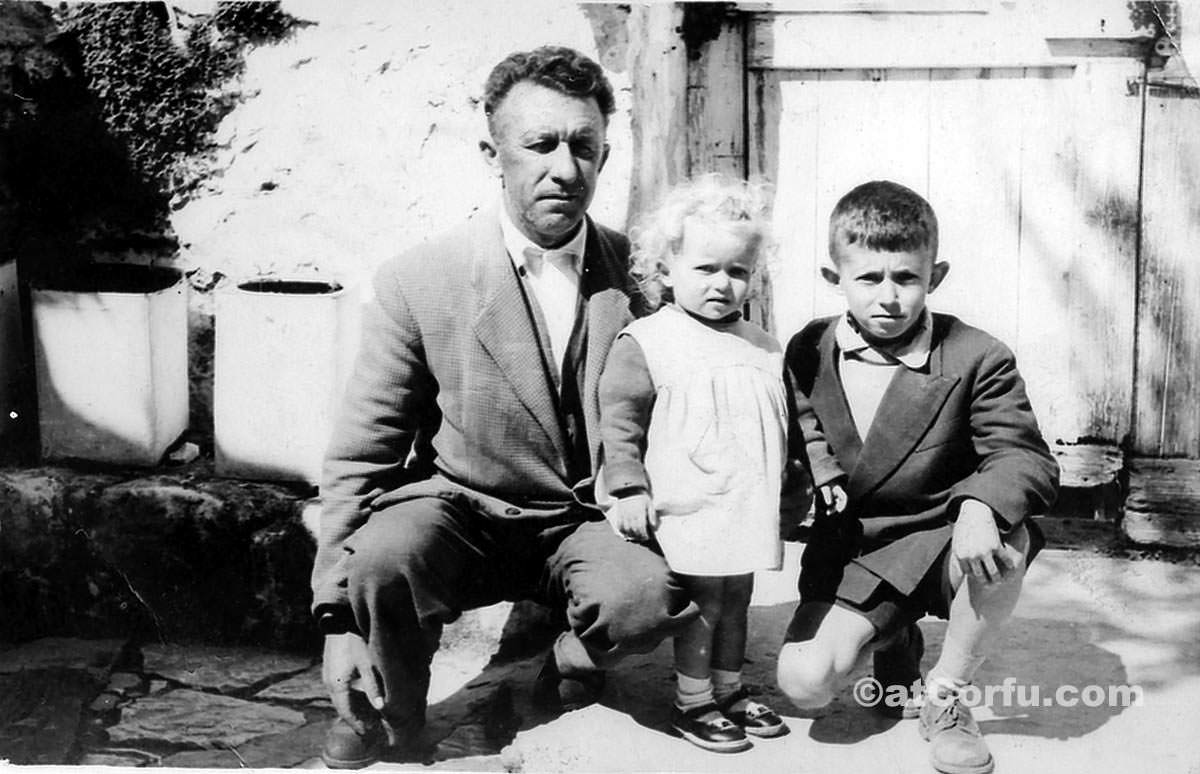
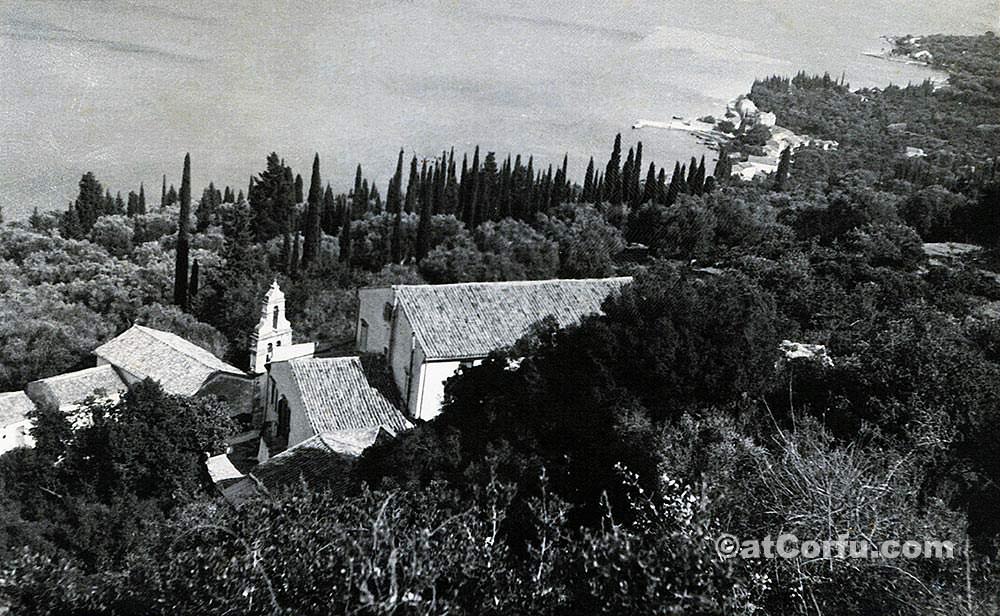
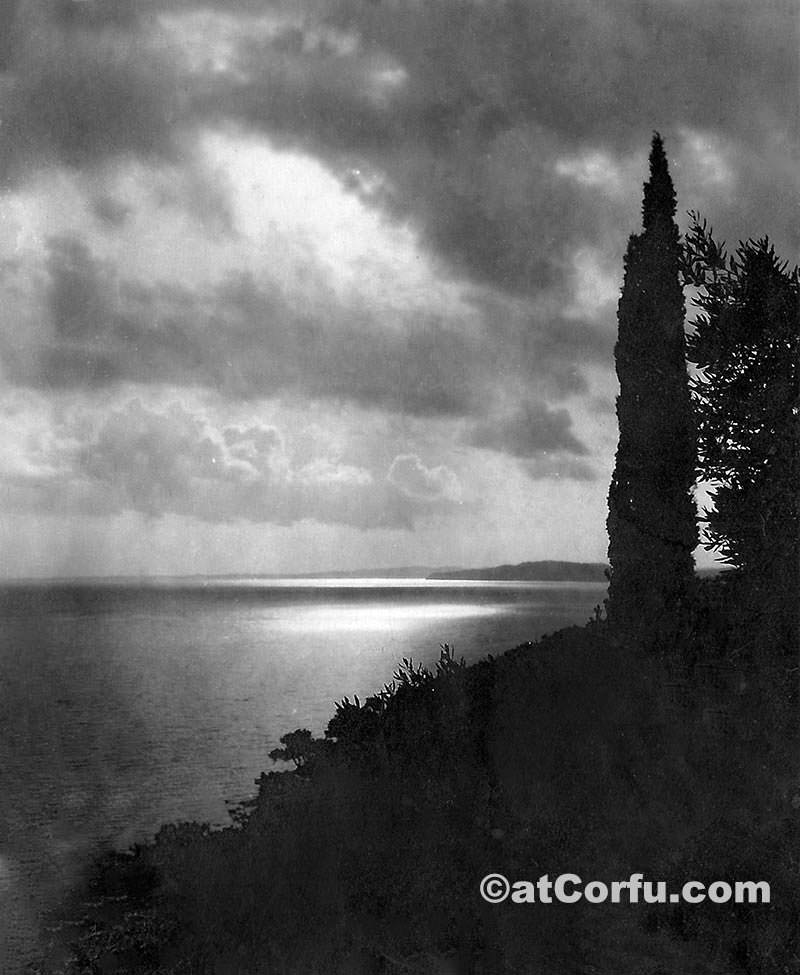
Everything becomes easier with these old photos of Corfu whichreveal to us the life in that distant era.
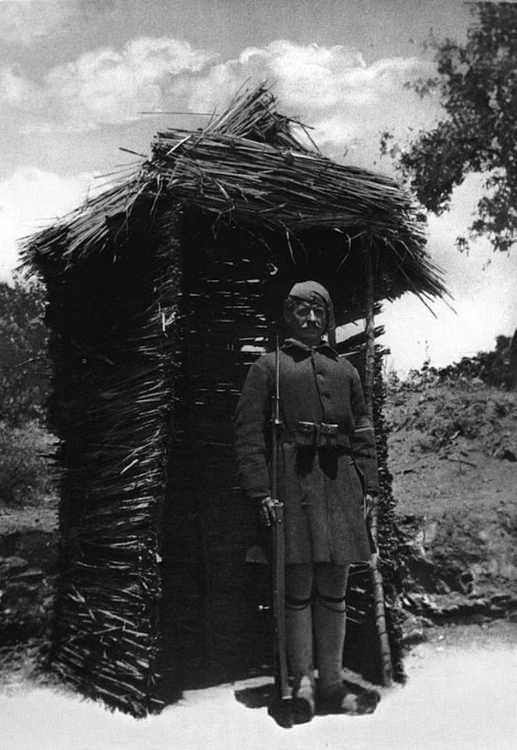
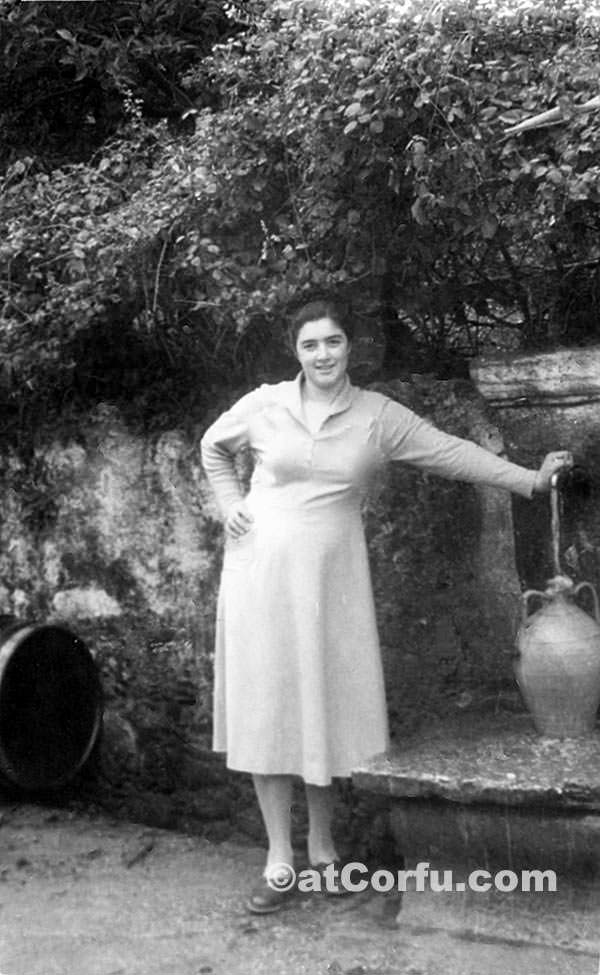
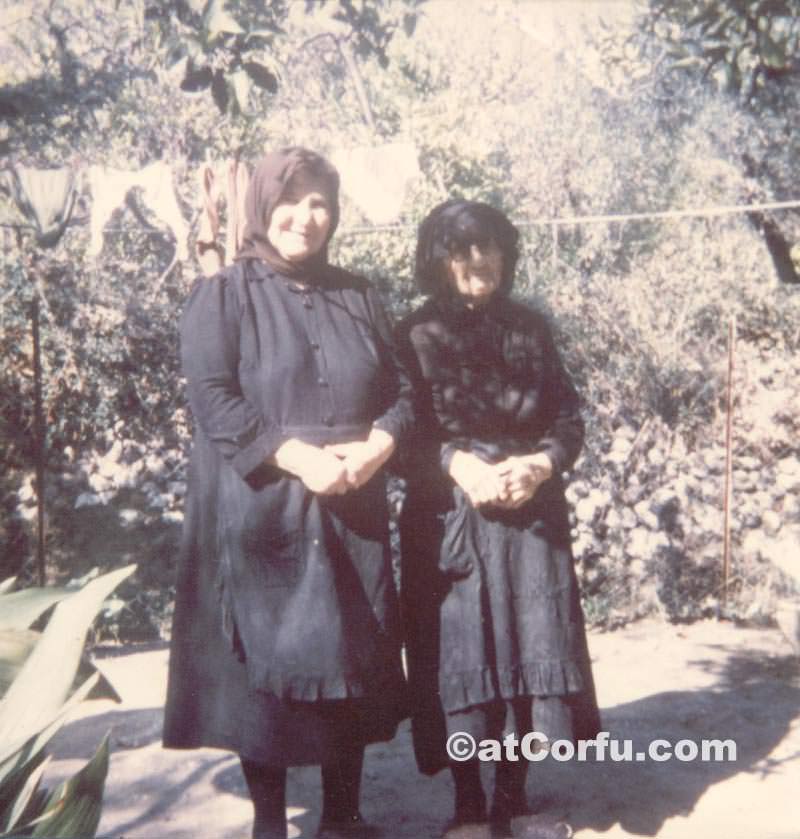
Observing facial expressions, their dress, or watching them working hard in the fields, we understand many things about their way of life, we discover that their world and their character was very different.
We see ordinary people trying to survive in a difficult environment, where the work was hard and lasted almost all day, material possessions were very limited and only enjoyed by a narrow circle of wealthy people.
Their faces show innocence if we compare them with modern people, lacking greed and consumerism, mostly poor but happier, it seems to look at the prematurely aged but cheerful faces, than their wealthier descendants
The women were especially worthy of admiration, it is more than obvious that their life was very hard, they worked hard and were socially oppressed both by the social environment but mainly from their family, to such an extent that makes us wonder how they managed to live, something that today’s women certainly could not put up with.
Fortunately, the world is changing, and development solves many of the problems of the past but it also creates new issues and divisions.
We simply present these old Corfu photos, so everyone can draw their own conclusions.
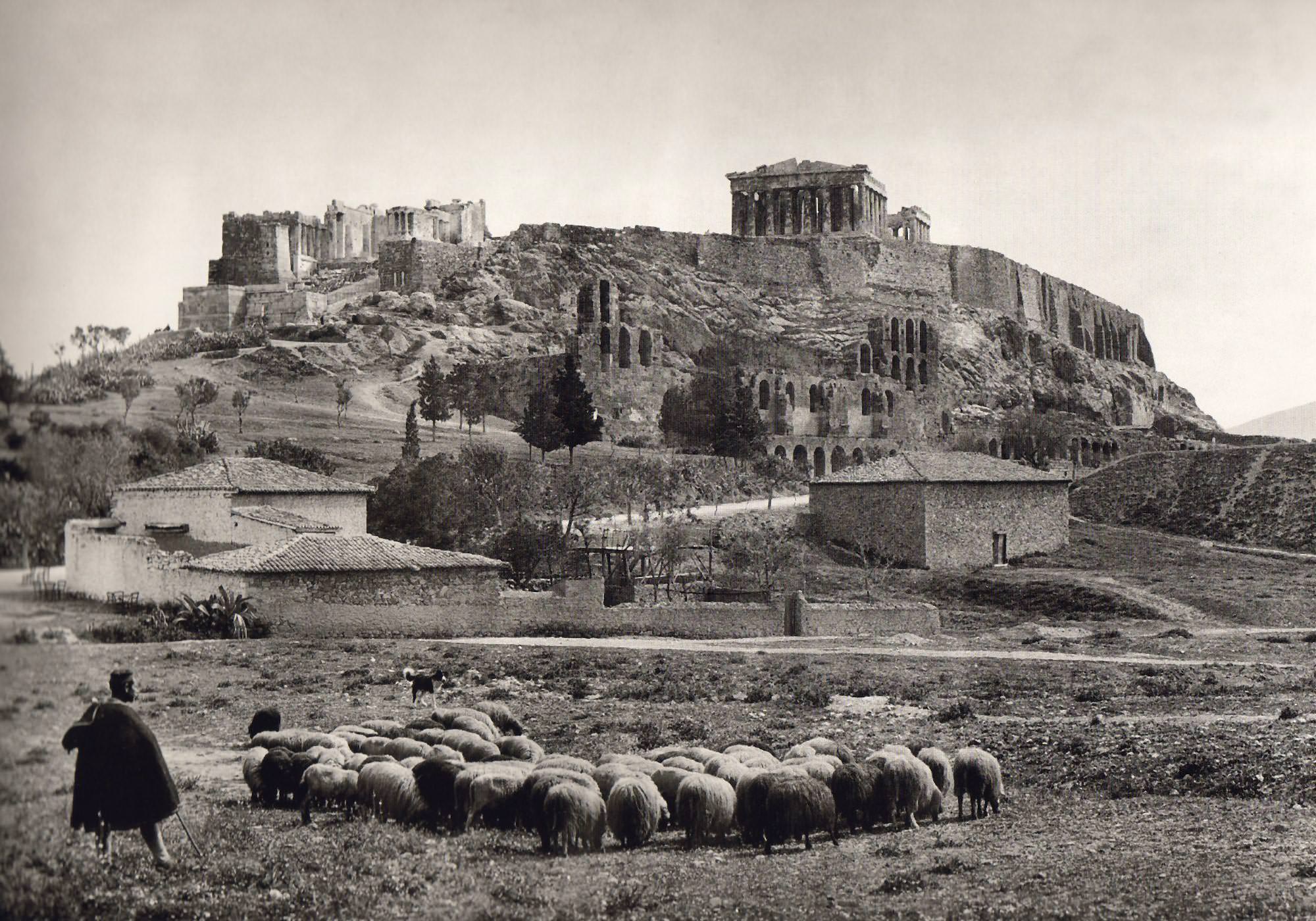
This is a photo of whatever remained of the Parthenon in 1908. Over the centuries, warfare and other atrocities haven’t managed to wipe it out, and it remains a symbol of our national heritage.
Thus, we see why all restoration was necessary, even with their faults. Thanks to this, a monument now stands upright with all its majesty over the Acropolis.
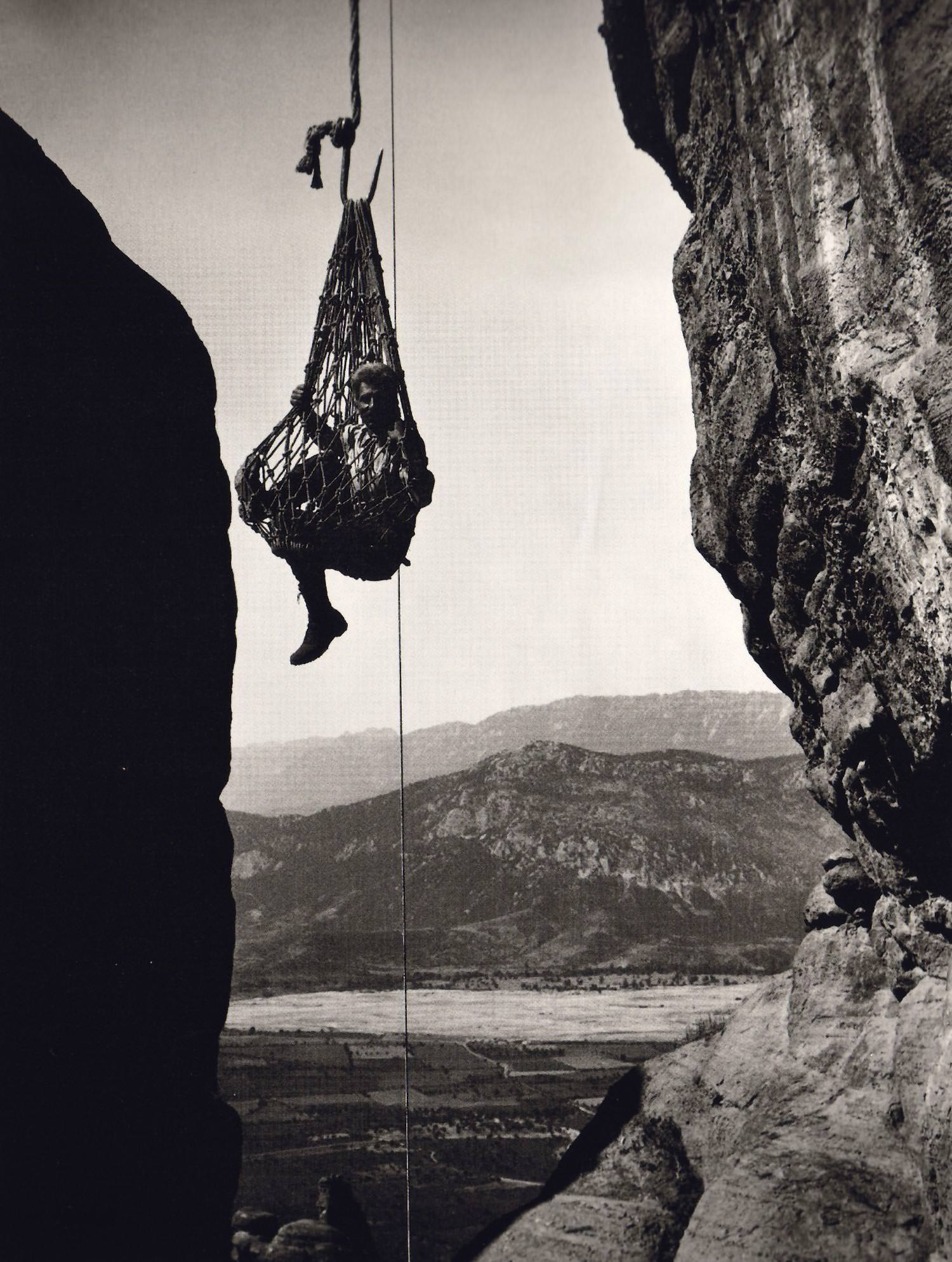
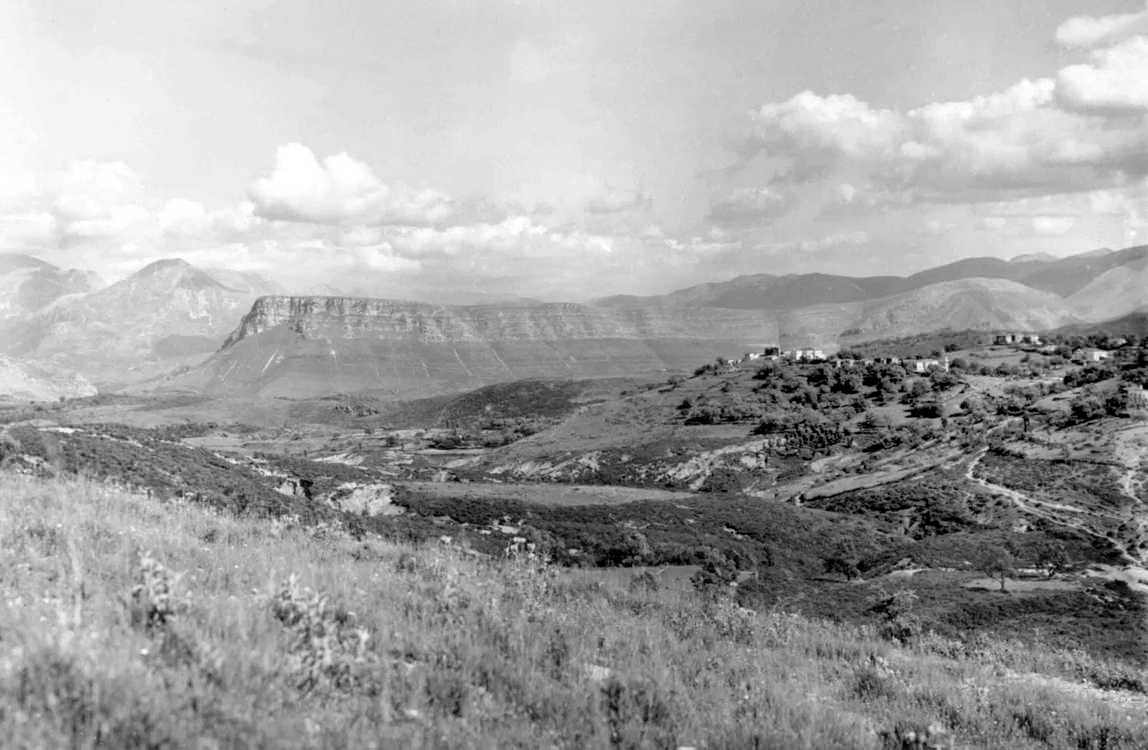
The Philhellene Swiss photographer Fred Boissonnas(1858-1946) was the first foreign photographer who traveled so much in the Greek land from 1903 and for nearly three decades following.
Fred Boissonnas was born in 1858 in Geneva to a family that moved from Marseilles in southern France to Switzerland.
Due to the origin of the family, Fred believed that he was a descendant of Greek navigators; this may explain his interest and love for the Greeks, especially those of the countryside …
Fred Boissonnas first set foot in the Greek island of Corfu in 1903, from where chronologically his first photos are, after this he went to Athens, which he had visited numerous times, and from there he wandered across the entire Greek territory and also in the new countries under Greek unification, such as Macedonia, Thrace, Epirus, Aegean islands, etc.
Generally, he did not leave an inch of Greek soil without recording it with his camera.
Towards the end of his Greek adventure, shortly before 1930, he spent some time in Mount Athos, where he photographed many details of monastic life and the monasteries.
He died in Geneva in 1946.
Fred-Boissonnas
His work was innovative and proved decisive in the development of Greek photography during the 20th century.
Through photos and albums, he presents a panorama of Greece during the interwar period, also helping to shape the European public opinion of Greece for the same period.
The work of Fred Boissonnas, although known in Europe in the early 20th century, now needs a second showing.
Progress in technical issues, the discovery of color, easy-to-use cameras, plus the ease with which we travel, may make the project appear obsolete, but to the historical glance, it has great value, and it also shows modernism in comparison with other photographers who wandered in Greece at that time.
The artist has recorded things that have disappeared, but also gives us a picture of Greece that extends beyond simple ethnographic pieces of evidence.
His great faith and admiration for this country are transmitted through his work with tenderness and love, which can be seen through his work even today after so many years.
These characteristics give soul to these pieces of paper, which otherwise could remain simple pictures …
Old Photos from Greece
Streets of old Athens. Pictures from Athos showing the difficult life of monks. Rural Greece of another era. Corfu is Fred’s first stop. Peloponnisos with places like Akrata, Korinth, and Andritsaina. Crete and Epirus. All Greek regions are here.
Contains information related to marketing campaigns of the user. These are shared with Google AdWords / Google Ads when the Google Ads and Google Analytics accounts are linked together.
90 days
__utma
ID used to identify users and sessions
2 years after last activity
__utmt
Used to monitor number of Google Analytics server requests
10 minutes
__utmb
Used to distinguish new sessions and visits. This cookie is set when the GA.js javascript library is loaded and there is no existing __utmb cookie. The cookie is updated every time data is sent to the Google Analytics server.
30 minutes after last activity
__utmc
Used only with old Urchin versions of Google Analytics and not with GA.js. Was used to distinguish between new sessions and visits at the end of a session.
End of session (browser)
__utmz
Contains information about the traffic source or campaign that directed user to the website. The cookie is set when the GA.js javascript is loaded and updated when data is sent to the Google Anaytics server
6 months after last activity
__utmv
Contains custom information set by the web developer via the _setCustomVar method in Google Analytics. This cookie is updated every time new data is sent to the Google Analytics server.
2 years after last activity
__utmx
Used to determine whether a user is included in an A / B or Multivariate test.
18 months
_ga
ID used to identify users
2 years
_gali
Used by Google Analytics to determine which links on a page are being clicked
30 seconds
_ga_
ID used to identify users
2 years
_gid
ID used to identify users for 24 hours after last activity
24 hours
_gat
Used to monitor number of Google Analytics server requests when using Google Tag Manager