

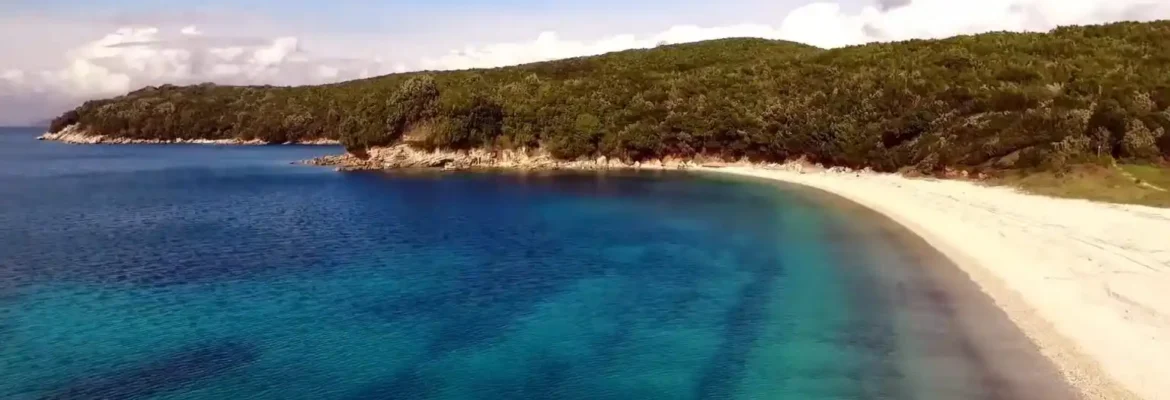


Discover the hidden gems of Corfu, from quiet beaches to traditional villages and lesser-known corners of the island. These spots offer a more peaceful and authentic experience away from the crowds.
Aqualand Water Park

One of the top attractions in Corfu is the Aqualand Water Park. Located in the heart of the island, this park is one of the largest in Europe and promises a day filled with fun and adventure.
It features numerous slides, from adrenaline-pumping rides for adults to gentler options for younger children.
The lazy river and wave pool provide relaxation, while the children’s areas are equipped with smaller slides and water play zones.
Aqualand also has plenty of shaded areas, cafes, and snack bars, ensuring a comfortable and enjoyable visit for all.
Corfu Aquarium
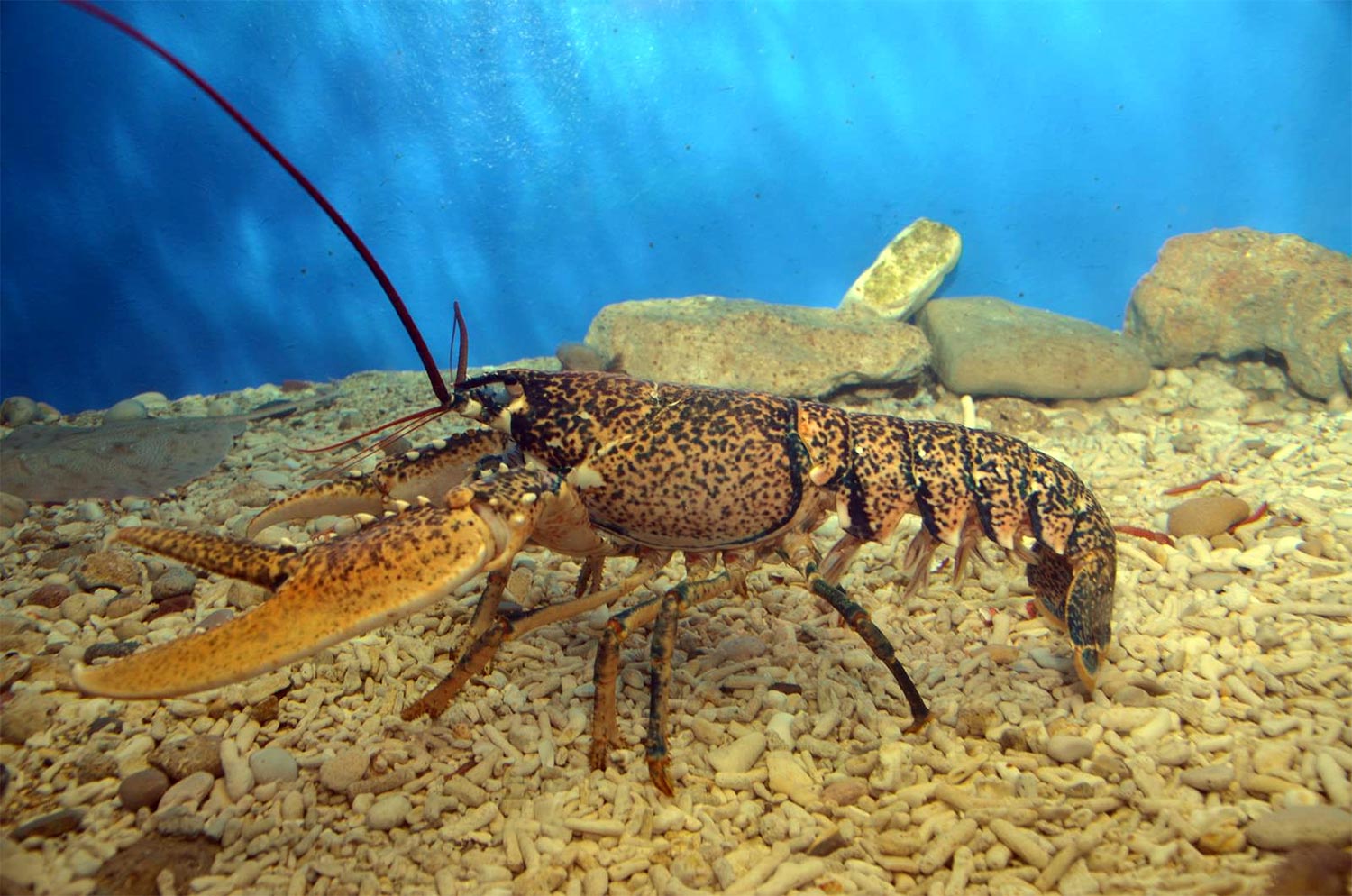
For an educational experience, the Corfu Aquarium is a must-visit.
Situated in Paleokastritsa, the aquarium showcases a variety of marine life native to the Ionian Sea.
You can learn about different species of fish, sea urchins, starfish, and other marine creatures.
The aquarium also offers interactive experiences, allowing you to touch and hold some of the animals, making learning fun and engaging.
The knowledgeable staff provides fascinating information and answers any questions, enhancing the educational value of the visit.
Hydropolis Water Park
Another great spot for water-based fun is the Hydropolis Water Park in Acharavi.
This park combines thrilling water slides and pools with educational exhibits.
It’s a fantastic place for learning about the water cycle and environmental conservation while enjoying the various water attractions.
The park also features a large play area, making it perfect for visitors to splash around.
Donkey Rescue Center
A unique and heartwarming experience awaits at the Donkey Rescue Center in South Corfu.
This sanctuary is dedicated to the care and rehabilitation of donkeys, many of which have been rescued from difficult situations.
Visitors can interact with the donkeys, learning about their stories and the center’s efforts to protect them.
It’s an educational and emotional experience full of compassion and animal welfare.
Corfu Trail
For lovers of outdoor adventures, the Corfu Trail offers a variety of scenic walks suitable for all ages.
This long-distance trail spans the length of the island, but many sections are perfect for day hikes.
Walking through olive groves, coastal paths, and traditional villages, people can enjoy the island’s natural beauty and discover hidden gems along the way.
The trail provides a great opportunity to come into contact with the local flora and fauna while enjoying the fresh air and exercise.
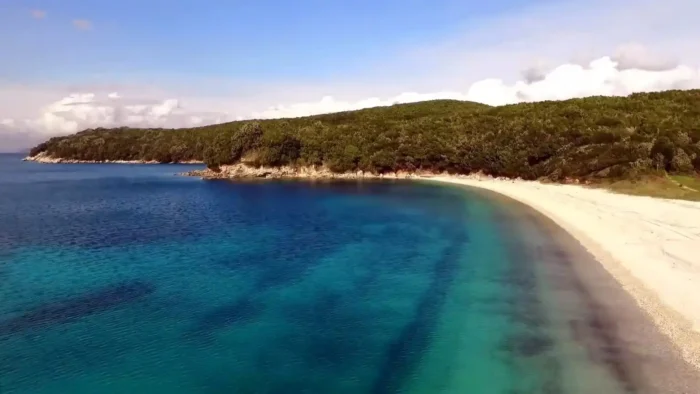
Porto Timoni Beach
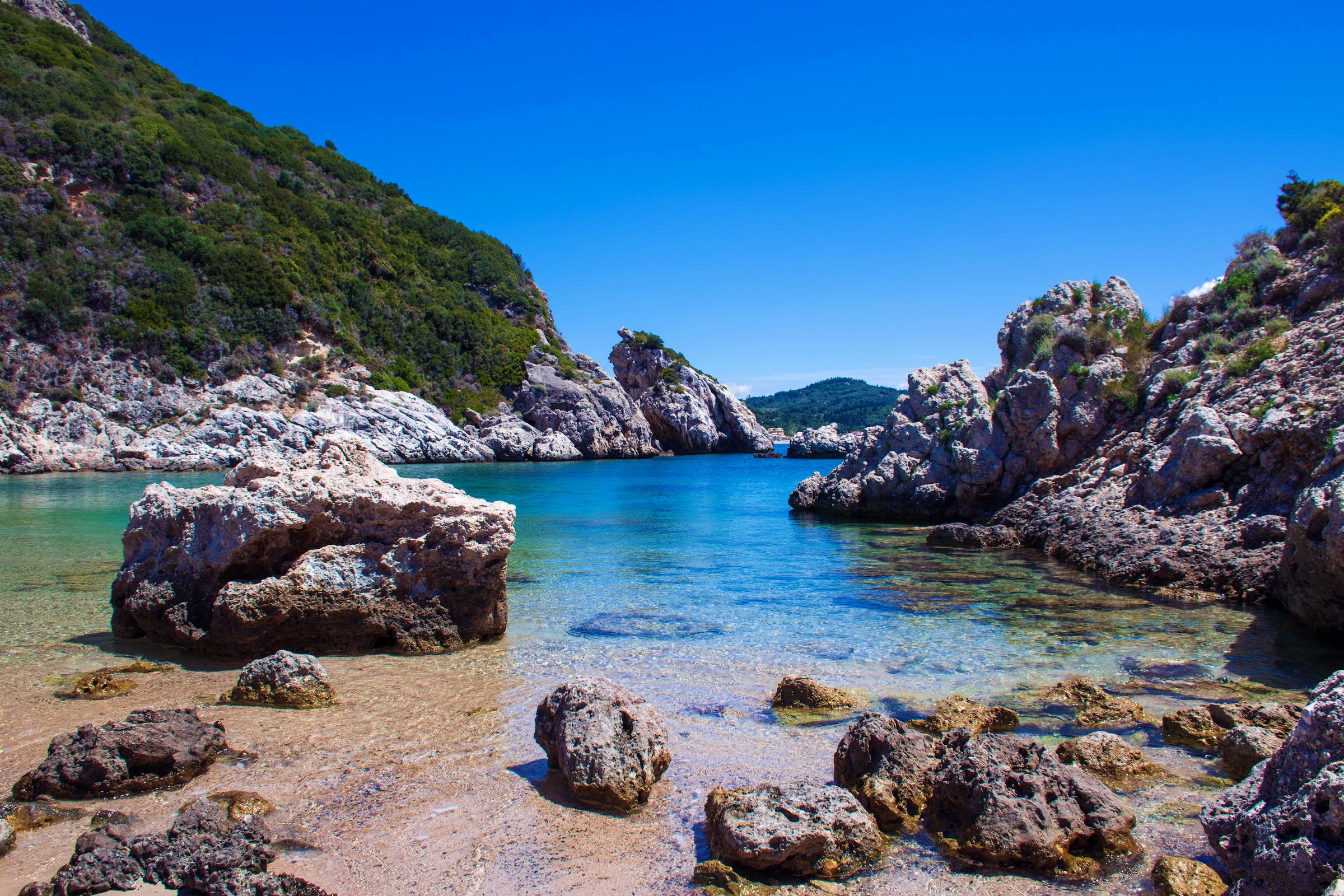
For a bit of adventure, you can hike to the Porto Timoni double beach.
This unique beach is located near the village of Afionas and consists of two crescent-shaped bays connected by a narrow strip of land.
The hike to Porto Timoni is moderately challenging but rewarding, with breathtaking views along the way.
Once there, visitors can enjoy swimming, snorkeling, and exploring the natural beauty of this secluded spot.
Blue Lagoon and Boat Trips
Boat trips are a fantastic way to explore Corfu’s coastline and discover hidden coves and beaches.
The Blue Lagoon is a popular destination for such trips. You can enjoy swimming and snorkeling in the crystal-clear waters, spotting colorful fish and other marine life.
Some tours also include stops at nearby caves and secluded beaches, providing a day of adventure and exploration.
For those who prefer a more relaxed experience, a glass-bottom boat tour is an excellent choice.
These tours allow tourists to observe the underwater world without getting wet, making it a perfect activity for those who are not comfortable swimming.
Local Taverns and Cuisine
No visit to Corfu is complete without sampling the local cuisine.
Family-friendly tavernas are scattered throughout the island, offering delicious dishes made with fresh, local ingredients.
Traditional Corfiot dishes such as Pastitsada (a beef stew with pasta), sofrito (veal in a white wine sauce), and bourdeto (spicy fish stew) are must-tries.
Many tavernas have outdoor seating, making them perfect for a fantastic meal.
Spas and Relaxation
If you are looking to relax and unwind, many of Corfu’s luxury resorts and hotels offer spa services and wellness programs.
This allows everyone to enjoy some downtime and return home refreshed and rejuvenated.
Festivals and Events
Corfu hosts numerous festivals and events throughout the year, many of which are very popular.
The Corfu Carnival in February or March features colorful parades, costumes, and performances that delight everybody.
The Easter celebrations in Corfu are particularly famous, with unique traditions such as the pot-throwing event on Holy Saturday, where clay pots are thrown from windows to mark the Resurrection.
Horse Riding

Horse riding is another fantastic activity in Corfu.
Several equestrian centers offer guided rides through the island’s scenic countryside.
These excursions are suitable for all levels, from beginners to experienced riders.
It’s a wonderful way to experience Corfu’s natural beauty and enjoy a memorable adventure.
Exploring Traditional Villages

Visiting Corfu’s traditional villages provides a glimpse into the island’s cultural heritage.
Places like Pelekas, Lakones, and Benitses offer charming streets, historical architecture, and a slower pace of life.
Visitors can explore the villages, meet residents, and enjoy traditional Greek hospitality.
Many villages have small museums and churches that offer insights into Corfu’s history and traditions.
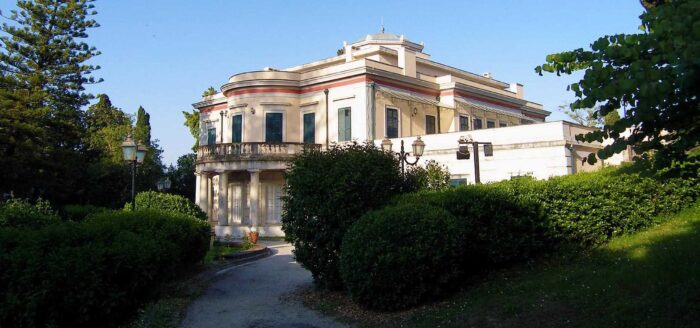
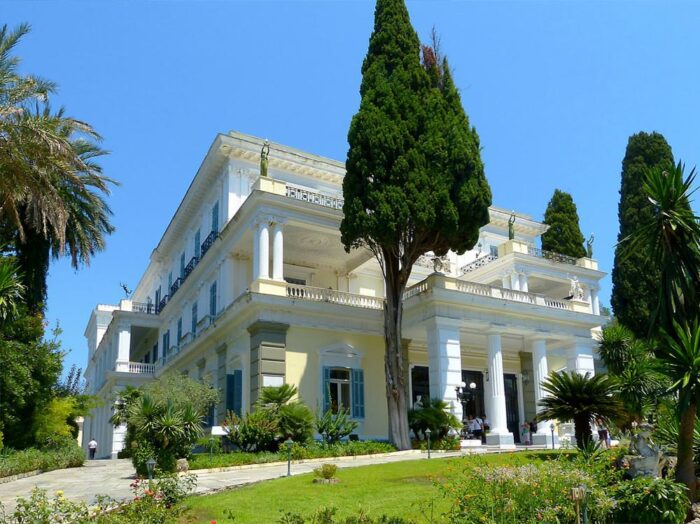
Mon Repos Palace
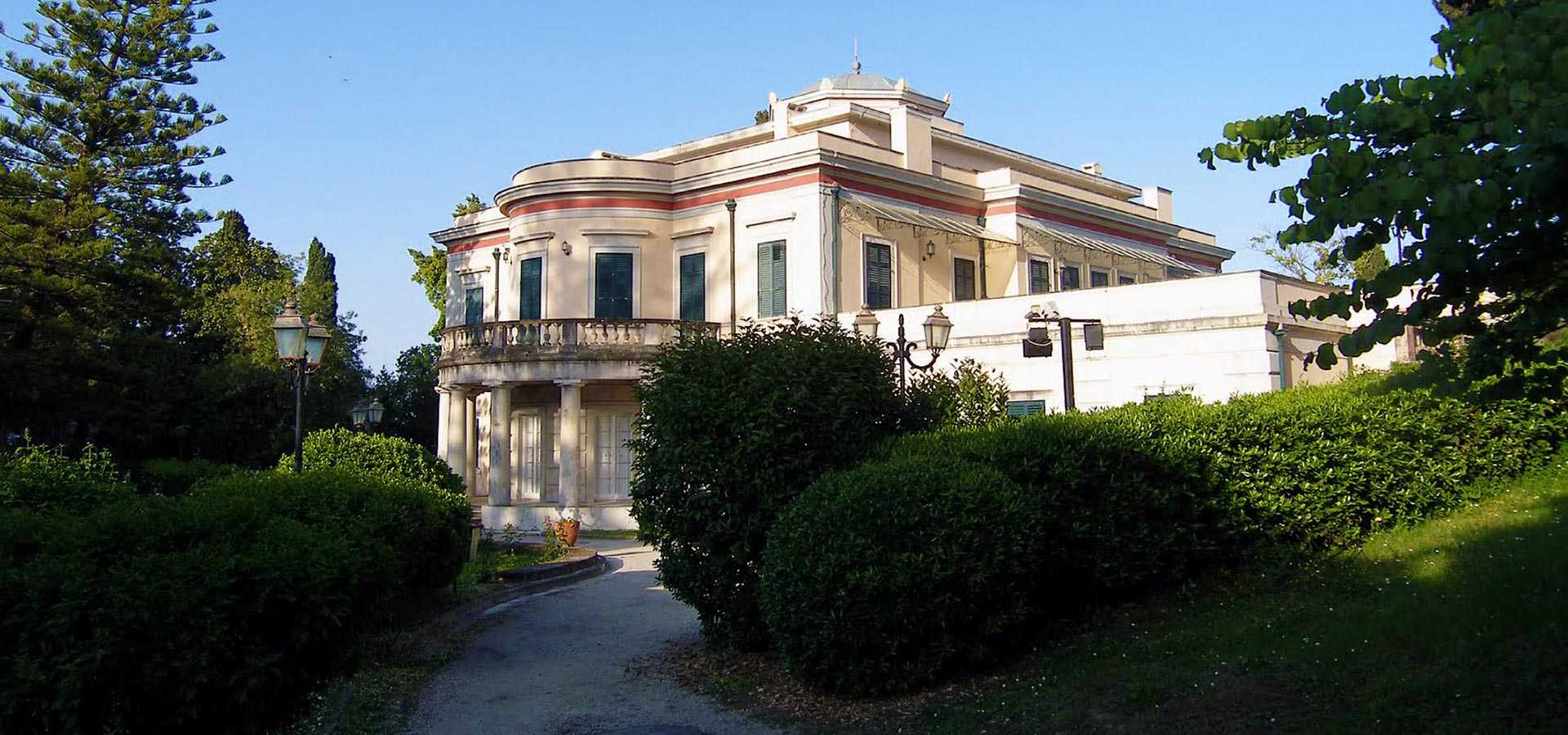
The Mon Repos Palace, located on the outskirts of Corfu Town, is another historical site worth visiting.
This neoclassical palace was the birthplace of Prince Philip, Duke of Edinburgh.
The palace is surrounded by beautiful gardens and parkland, providing a peaceful setting for a pleasant stroll.
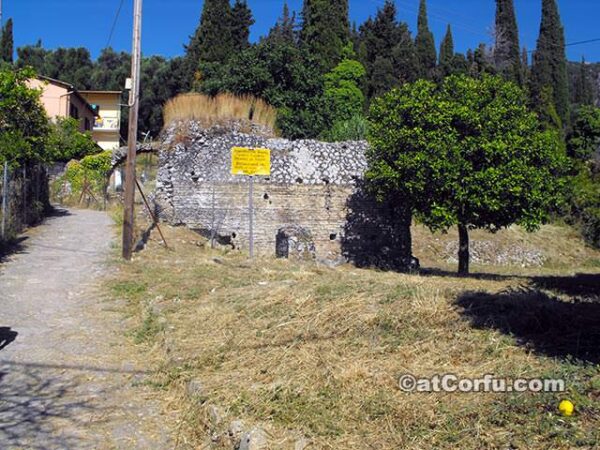
The site also includes the remains of ancient Corfu, with ruins of temples and other structures that add to the historical significance of the area.
Conclusion
Corfu is a destination that offers a wide variety of activities and experiences.
From thrilling water parks and beautiful beaches to historical sites and cultural experiences, there’s something for everyone to enjoy.
Whether you’re seeking adventure, education, relaxation, or simply quality time, Corfu has it all.
Its natural beauty, welcoming atmosphere, and diverse offerings make it a perfect choice for a memorable vacation.

Comments