Why Tripa Taverna? Because at last, you need to meet Corfu’s real character concerning the traditional gastronomy, and to try everything the Corfiot cuisine has to offer.
And in the end, something out of the ordinary and unique.
We leave the busy and noisy beaches and enter the interior of the island. In an old traditional village where the soul of Corfu lives, in Koinopiastes, somewhere in the middle of Corfu, not far from the city.
In Taverna Tripa, as we used to call it. (Tripa means a hole in Greek, as it looked like a hole when it first opened, a couple of centuries ago.)
This tavern is a remnant of other times because here we will find the authentic flavors of Corfu, definitely one of the best Corfu restaurants.
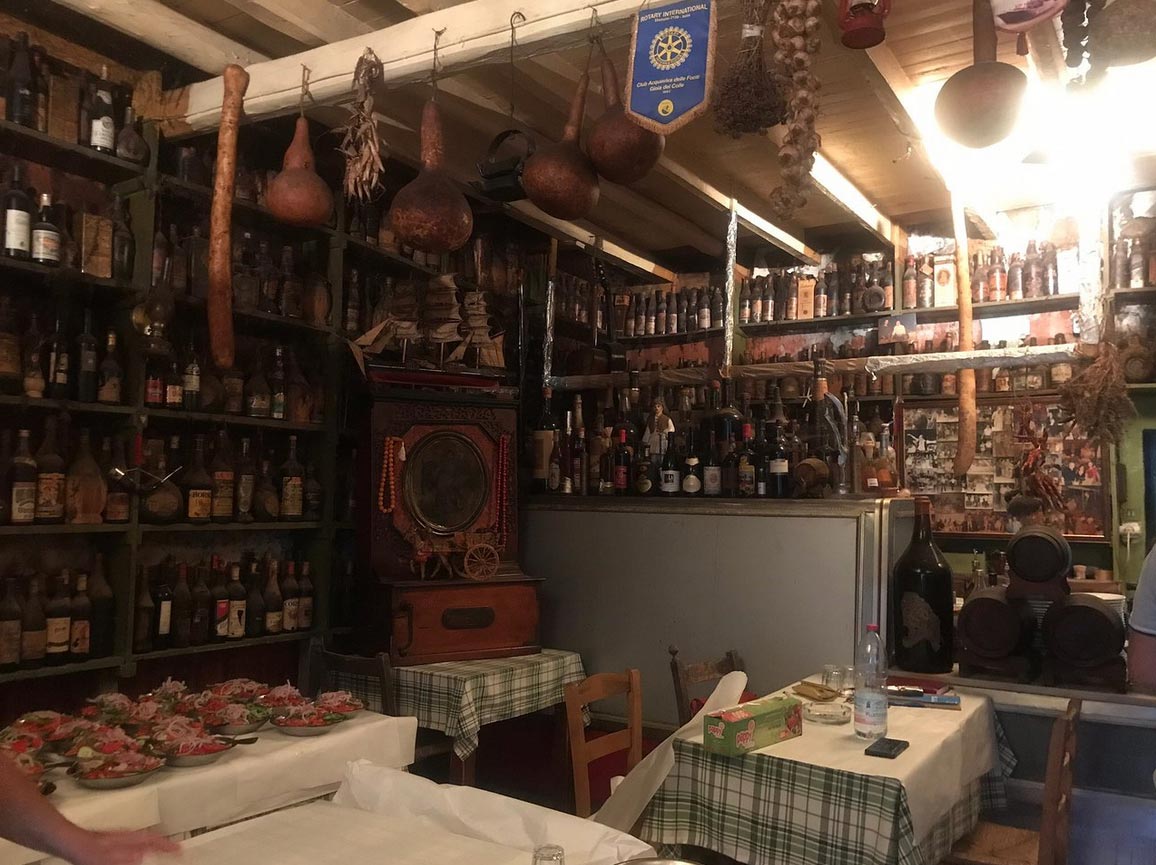
The place is reminiscent of past centuries, and the environment is pleasant and completely peculiar. The decoration has remained untouched since … 1900 CE! Something that will impress you at first, but is just the decoration, reminiscent of something like an 18th-century kafenion.
The interior of the store, along with the bottles of rare wines and drinks that seem to have been there for centuries, is surreal. There are many photos of famous people from the 19th century who have tasted the flavors of the store.
You will see former prime ministers, actors, tycoons, shipowners, Greeks, and foreigners because this taverna has a history … it seems that everybody has gone through Tripa…
The staff is very warm and the wine is wonderful. As for the food, it is just uncatchable !! With authentic ingredients and incomparable flavors, it is the ultimate traditional Corfiot cuisine. The authentic Corfiot pastitsada is … Hell.
Some days, it has live music in the cozy outdoor area, so some nights it gets even better.
Details, here you do not eat by menu, they bring you everything that the store has, like the good old days, you just keep on the table as many dishes as you want, or your eyes like, and send back those you don’t like.
So, remember a tip to follow: Be sure to go on an empty stomach, for your good!
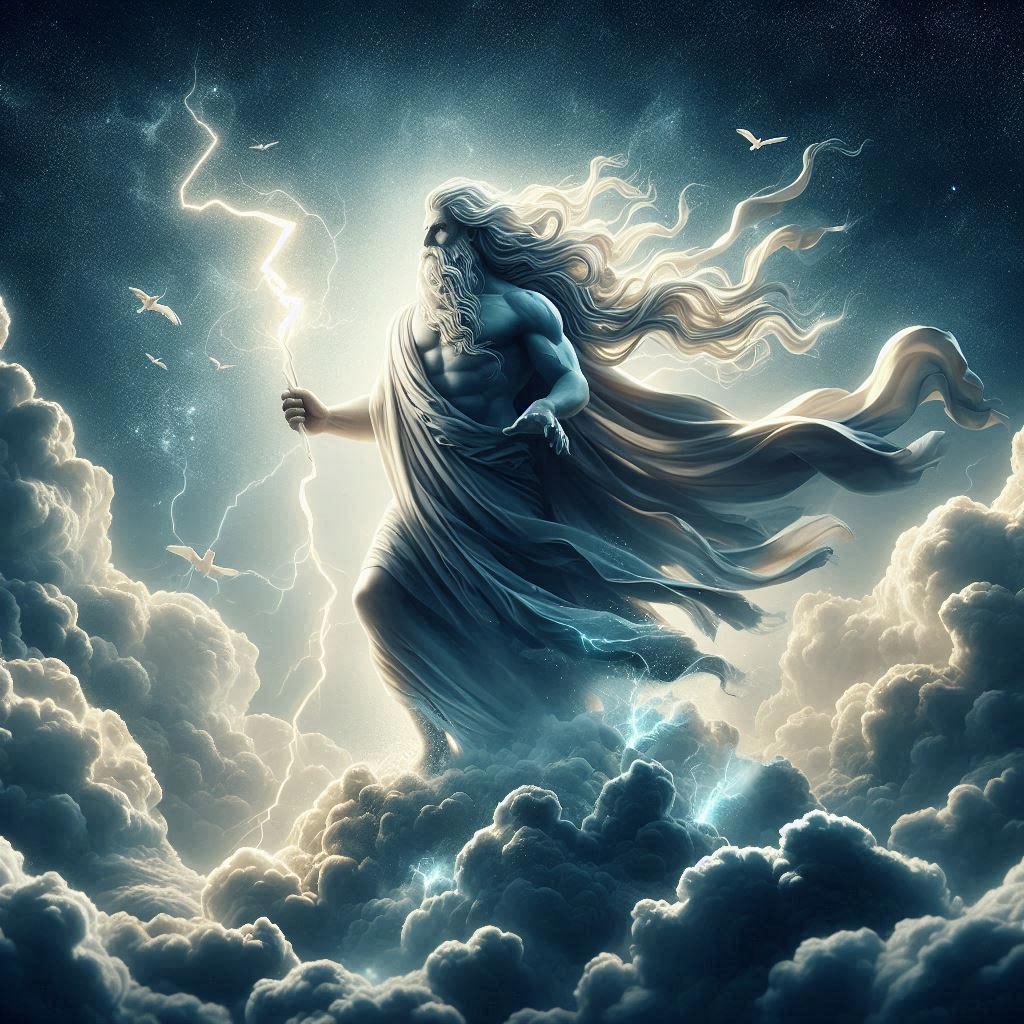
Zeus, the mighty king of the gods, was not only the ruler of Mount Olympus and wielder of thunderbolts but also a notorious lover whose many relationships, both divine and mortal, shaped the very fabric of Greek mythology.
His affairs spawned legendary heroes, divine figures, and even entire dynasties, blending the lines between gods and humans.
This complex network of relationships is as vital to understanding Zeus’s character as it is to the tales and myths themselves.
Hera: The Jealous Queen and the Long-Suffering Wife
Hera
At the heart of Zeus’s divine family was Hera, his sister and wife, whose marriage was as powerful as it was tumultuous.
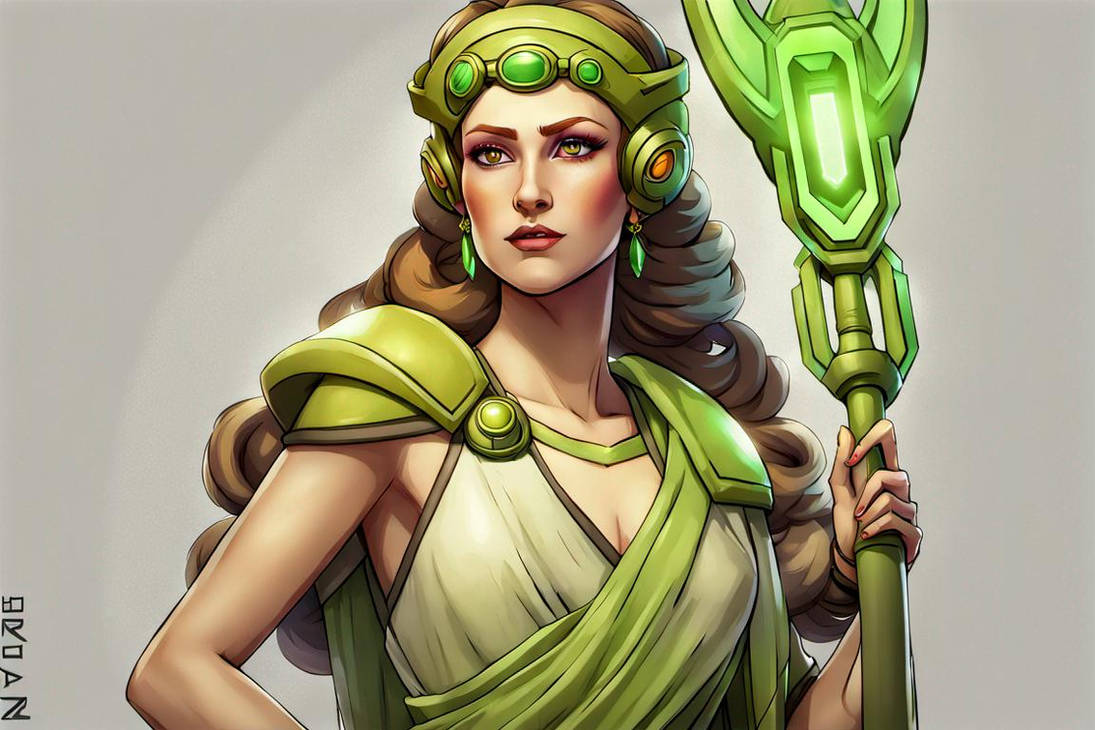
Hera was revered as the goddess of marriage, family, and childbirth, the protector of marital fidelity and the sanctity of the home.
Yet, she endured Zeus’s constant infidelities with fierce jealousy and wrath, a tension that fueled many mythic dramas.
Hera’s wrath often fell on Zeus’s lovers and their children, from sending serpents to kill baby Heracles to causing turmoil for others caught in the web of divine jealousy.
Despite her vengeful nature, Hera’s role in mythology goes beyond a jealous wife; she was a central figure upholding social order and family values.
Her temples dotted the ancient Greek world, a testament to her importance in both the divine and mortal spheres.
Her stormy relationship with Zeus symbolized the challenges inherent in power and passion, revealing a god whose authority was never uncontested, even at home.
Alcmene and the Birth of Heracles: A Hero’s Divine Origin
Among Zeus’s mortal lovers, Alcmene stands out most notably as the mother of Heracles, the quintessential Greek hero.
Zeus, ever the shapeshifter, disguised himself as Alcmene’s husband, Amphitryon, to be with her. This union produced Heracles, whose legendary feats of strength, courage, and endurance have echoed through the millennia.
Heracles’s story is one of hardship and redemption, shaped in no small part by Hera’s relentless persecution. She sent serpents to kill him as an infant and later imposed the famous Twelve Labors that would ultimately lead him to immortality.
Through Heracles, Zeus’s mortal affairs took on cosmic significance, bridging the realms of gods and men. Heracles’s eventual ascension to Olympus symbolized the ultimate union of mortal struggle and divine reward.
Leto: Mother of the Radiant Twins Apollo and Artemis
Zeus’s affair with Leto was fraught with peril, as Hera’s jealousy drove the goddess into hiding during Leto’s pregnancy.
After wandering in search of a place to give birth, Leto found sanctuary on the floating island of Delos, where she bore the divine twins.
Apollo, god of the sun, prophecy, music, and healing, and Artemis, goddess of the hunt, wilderness, and childbirth, represent two sides of nature and culture—light and dark, civilization and wildness.
Their births signaled a powerful expansion of the Olympian family, with Zeus’s relationship to Leto producing two gods whose influence permeated every aspect of ancient Greek life and religion.
Danaë and Perseus: Mortal Lineage and Divine Intervention
Danaë was a mortal princess visited by Zeus in a form as unique as the circumstances of their union—golden rain.
This union produced Perseus, a hero famed for slaying Medusa and rescuing Andromeda. Perseus’s exploits underscore the enduring legacy of Zeus’s mortal relationships, as many of these offspring became pivotal figures in mythological history.
The story of Danaë also highlights Zeus’s ability to circumvent human boundaries, his divine power enabling him to reach mortal women in extraordinary ways.
Through Perseus, Zeus’s influence extended far beyond Olympus, shaping heroic narratives and linking divine power with human fate.
Semele and Dionysus: The God Born of Tragedy and Ecstasy
Semele, a mortal princess, was one of Zeus’s most tragic lovers.
Entranced by Zeus, she was granted a fatal wish to see his true divine form. Unable to withstand the sight, she perished, but Zeus saved their unborn child by sewing him into his thigh.
From this extraordinary birth came Dionysus, god of wine, revelry, ecstasy, and transformation.
Dionysus’s complex character embodies both liberation and chaos, reflecting the paradoxes within Zeus’s relationships—joy and destruction, mortality and divinity intertwined.
The cult of Dionysus celebrated the breaking of social norms and communion with the divine through ecstasy, marking a spiritual and cultural shift in the ancient world.
Lesser-Known Lovers & Kids:
Electra: One of the Pleiades, mother of Dardanus and Iasion, founders of Troy and the Eleusinian Mysteries.
Chalciope: Mother of Linus (a tragic musician figure).
Thyia: Mother of Magnes and Macedon, eponymous ancestors of Macedonians and Thessalians.
Eurynome: Oceanid nymph; mother of the Charites (Graces).
Calypso: Ocean nymph; lover in some myths, but more commonly associated with Odysseus.
Aegina: Nymph; mother of Aeacus, grandfather of Achilles.
Dione: Sometimes considered the mother of Aphrodite in the Homeric hymns.
Nemesis: Goddess of retribution; mother of Helen (in some versions), fathered by Zeus in swan form.
Danaus: Through various mortal women, Zeus fathered many kings and heroes—linked to several royal genealogies.
Alcmene’s other sons: Some versions name Iphicles as the half-brother of Heracles (different father), but stories often intertwine.
Hippolyta (Amazon queen): In some rare variants, Zeus fathers a child with Hippolyta.
Eileithyia: Goddess of childbirth; occasionally linked with Zeus in obscure myths.
Themis: Titaness of divine law; mother of the Horae (seasons) and Moirai (Fates).
Mnemosyne: Titaness of memory; mother of the Muses by Zeus.
Eurydice: Minor mortal figure; in some variants mother of Linus.
Calisto’s other children: Besides Arcas, sometimes linked with other offspring.
Semele’s sister, Ino: Some myths suggest Zeus had relations with Ino, the mother of Melicertes.
Hermione: Daughter of Helen and Menelaus; sometimes associated with Zeus’s divine favor.
Pandora: In some versions, Zeus is linked to Pandora’s creation and story, though not a consort.
Notable Mortal Affairs Leading to Important Heroes:
Alcmene — Heracles
Danaë — Perseus
Semele — Dionysus
Io — Epaphus
Europa — Minos and others
These relationships, though less frequently spotlighted, enriched the mythological world, connecting divine narratives with human genealogies and local cults.
Zeus’s many relationships, whether marked by passion, conflict, or tragedy, reveal a god whose influence stretched far beyond his thunderbolt.
They underscore the intermingling of the divine and mortal, the eternal and ephemeral, and the complex nature of power, love, and legacy in Greek mythology.
One of the most poignant and complex myths in Greek mythology is the story of Persephone and Hades, a narrative that explains the changing seasons and explores themes of life, death, rebirth, and the inescapable bond between the mortal and divine realms.
Persephone and Hades
The abduction of Persephone
Persephone, daughter of Demeter, the goddess of agriculture and fertility, was a radiant young goddess beloved for her innocence and connection to the earth’s bounty.
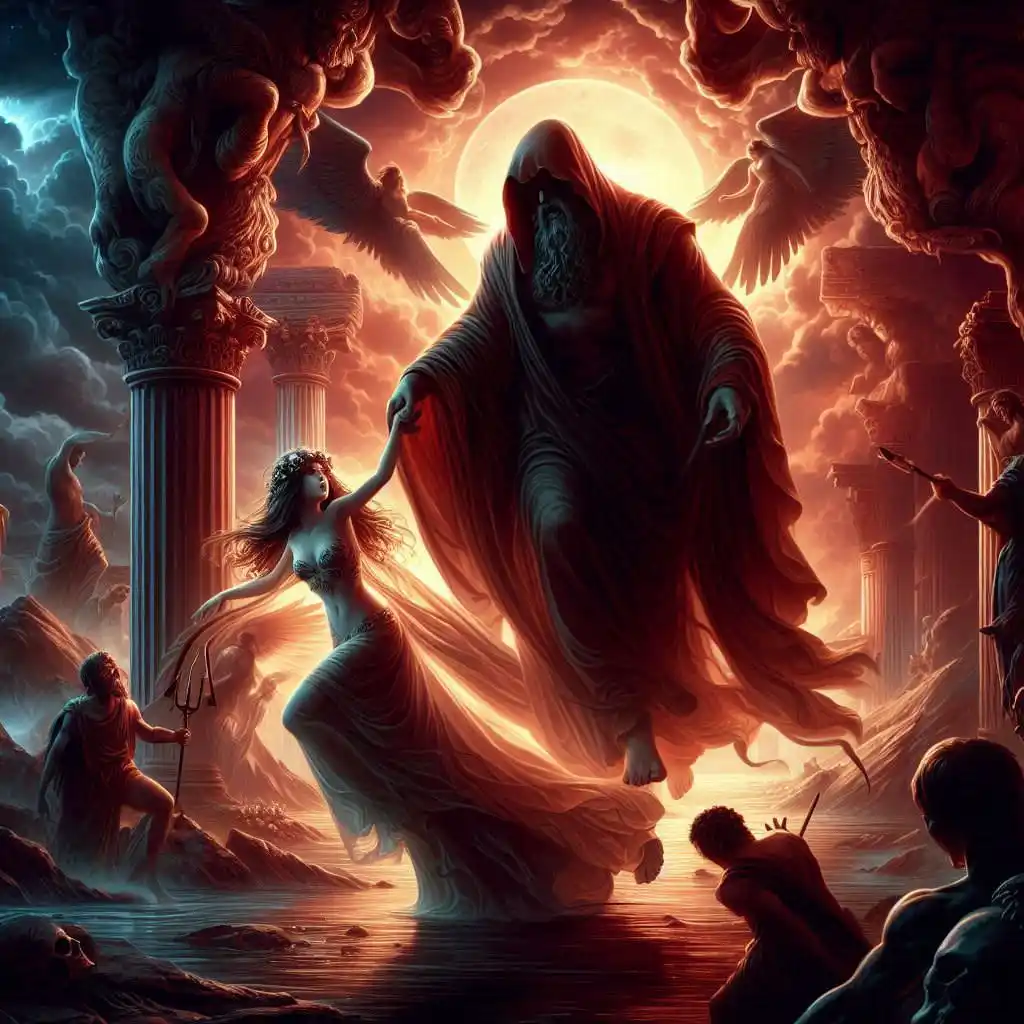
Her life took a dramatic turn when Hades, the god of the underworld and ruler of the dead, abducted her to be his queen in the shadowy realm beneath the surface of the earth and interacting with other Greek gods in the wider pantheon..
The Divine Compromise
This abduction was no mere act of cruelty but also a divine necessity, symbolizing the cycle of life and death.
Demeter’s grief plunged the earth into barrenness, sparking the first winter, while Persephone’s eventual partial return to the surface marked the arrival of spring and renewal.
This cyclical pattern embodied the ancient Greeks’ understanding of nature’s rhythms — a balance between loss and hope, decay and growth.
Beyond the agricultural symbolism, the myth also reflects deeper ideas about the transition from youth to adulthood, the acceptance of mortality, and the power dynamics between gods and humans.
Persephone’s dual role as both a goddess of spring and queen of the underworld highlights her as a liminal figure — one who exists between worlds, embodying both light and darkness.
Myth’s explanation of the seasons
The annual reunion of Persephone with her mother was celebrated in the Eleusinian Mysteries, a secretive and highly influential religious cult promising initiates spiritual renewal and a blessed afterlife.
These rites underscored the enduring power of the myth, which resonated deeply with the human experience of loss, transformation, and hope.
Hades himself, often misunderstood as a grim and malevolent figure, was in many ways a just and necessary god, maintaining order in the underworld and ensuring the proper cycle of life and death.
His relationship with Persephone, while forged through abduction, evolved into a complex partnership that balanced dominion over both the living and the dead.
In sum, the story of Persephone and Hades weaves a rich tapestry of myth and meaning — a timeless allegory for the eternal cycles that govern existence and the intertwining of joy and sorrow, light and shadow.
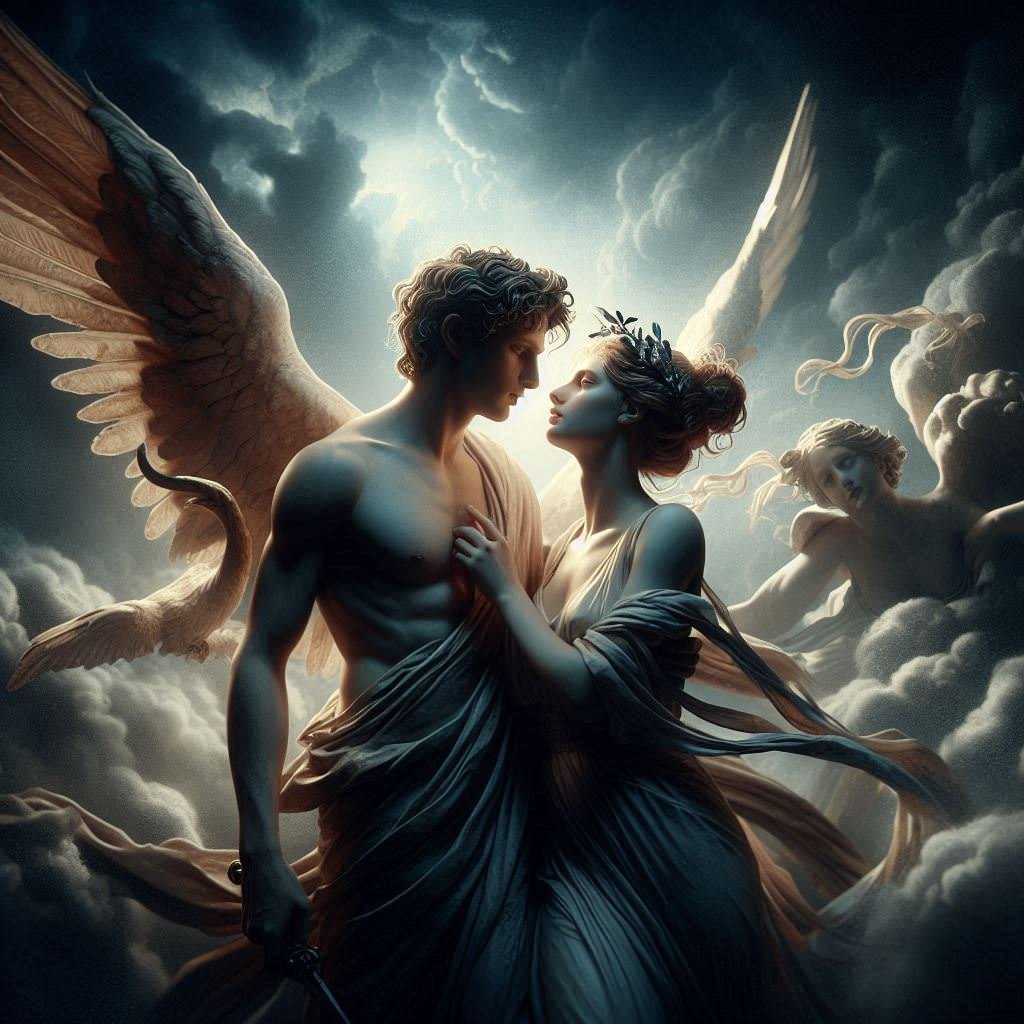
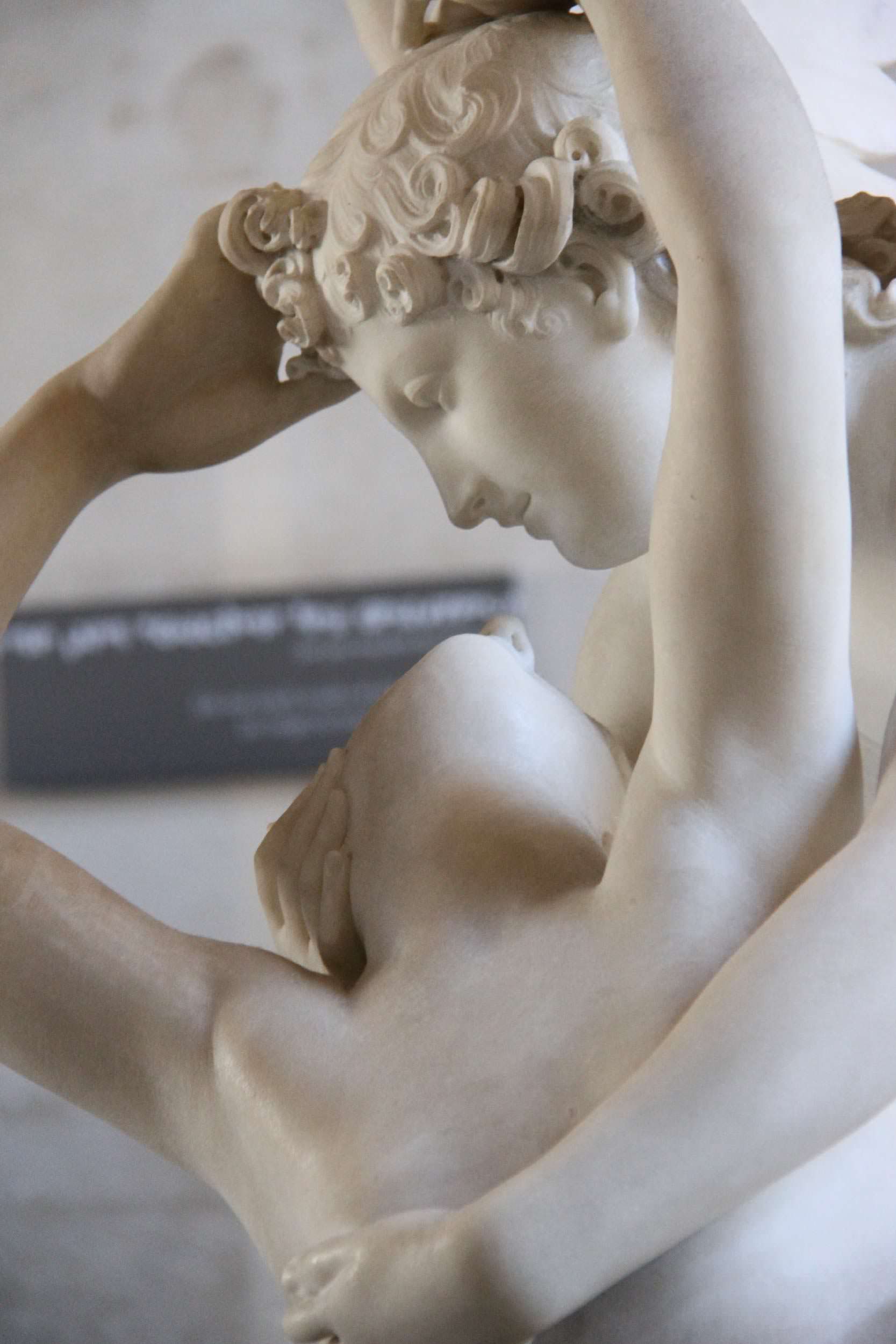
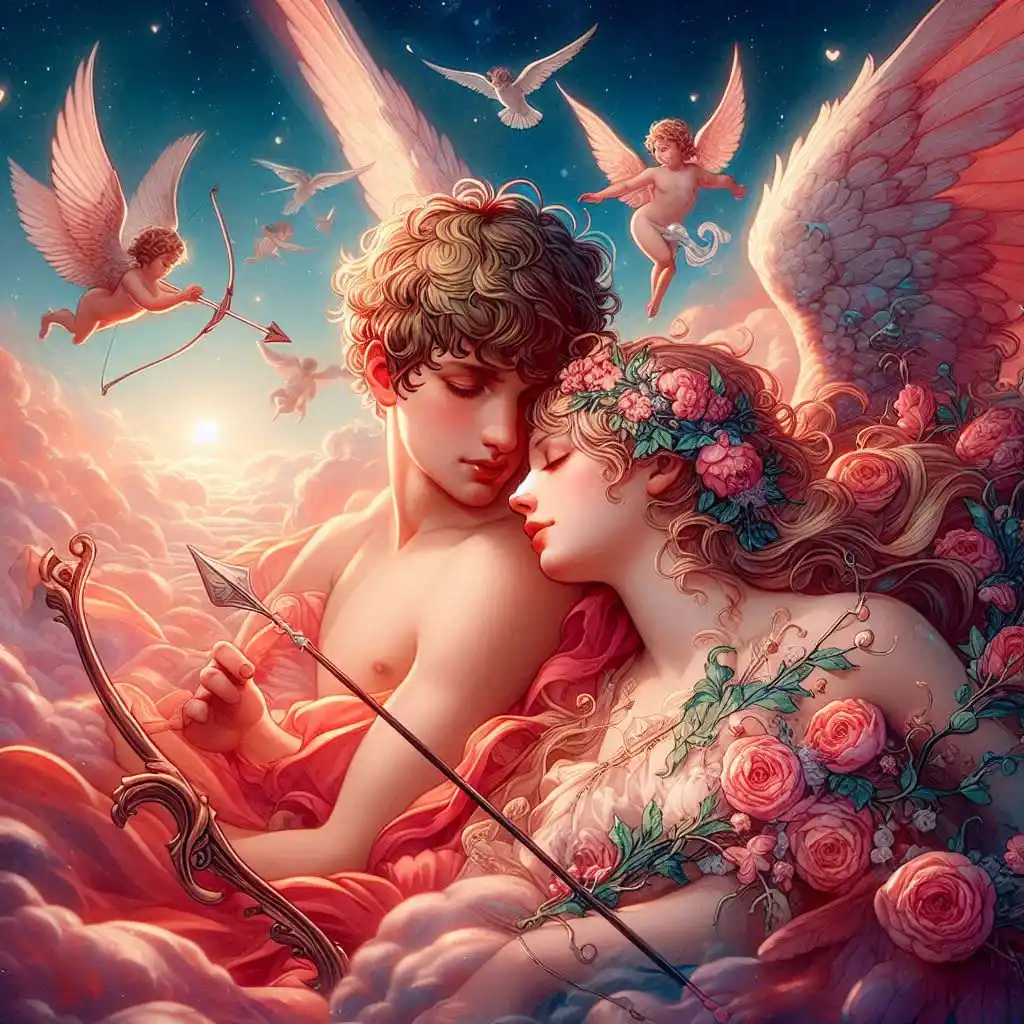
In the heart of Greek mythology lies a story that transcends gods and mortals, weaving a timeless narrative of love’s power, jealousy’s sting, and the relentless pursuit of the soul’s fulfillment.
This is the myth of Eros and Psyche — a divine romance brimming with passion, trials, and ultimate redemption.
Cupid and Psyche
The Mortal’s Beauty That Shook Olympus
Psyche was no ordinary mortal; her beauty was so radiant, so otherworldly, that people began to worship her instead of Aphrodite, the goddess of love and desire herself.
Temples once filled with devotees of Aphrodite grew silent, replaced by hushed whispers praising the young woman whose face outshone even the dawn.
This blatant shift of adoration enraged Aphrodite, who, despite being a goddess, was not immune to the sharp arrow of jealousy.
Unable to tolerate this mortal woman’s rising fame, Aphrodite devised a cruel plan. She commanded her son Eros—the god of love and desire—to pierce Psyche’s heart with his golden arrow, causing her to fall hopelessly in love with the vilest creature imaginable.
But fate, or perhaps something deeper, had other designs.
The Unexpected Twist: Love Struck the Divine
Eros and Psyche
Instead of fulfilling his mother’s wrathful command, Eros himself fell captive to Psyche’s enchanting beauty.
Unable to obey Aphrodite’s order, he secretly carried Psyche away to a hidden palace, where he visited her only under the cloak of night, shrouded in mystery.
He forbade her to look upon his face, and she, blinded by love and curiosity, accepted the strange condition.
Their relationship blossomed in the shadows—a love born from trust and yearning, yet tethered by an impossible demand.
Psyche lived like a queen, yet the nagging question of her lover’s true identity haunted her every moment.
Curiosity and Consequence: The Moment of Truth
Despite Eros’s warnings, Psyche’s curiosity eventually overwhelmed her.
One night, under the veil of darkness, she lit an oil lamp to see the face of the god who had stolen her heart. The moment the warm light revealed Eros’s divine visage—more radiant than the sun itself—her heart swelled with both awe and fear.
But in that fragile moment, a drop of hot oil fell from the lamp, waking Eros and breaking the fragile trust between them.
Feeling betrayed and hurt, Eros vanished, leaving Psyche to face the wrath of Aphrodite alone.
Trials of the Soul: Psyche’s Journey to Redemption
Aphrodite, ruthless and unrelenting, subjected Psyche to a series of brutal tasks meant to break her spirit. Each trial tested Psyche’s courage, wit, and endurance:
She was ordered to sort a mountain of mixed grains by dawn, a task seemingly impossible. With the help of ants moved by sympathy, she succeeded.
She was then sent to retrieve the golden fleece from violent sheep, a dangerous endeavor she accomplished by following whispered advice to gather what had caught on the branches.
Next, Psyche had to fill a crystal vessel with water from the treacherous River Styx, narrowly escaping death thanks to an eagle sent by Zeus.
Finally, she was tasked to journey into the underworld itself and bring back a box of Persephone’s beauty. Psyche’s curiosity got the better of her, and she opened the box, falling into a deathlike sleep.
Divine Mercy and Immortality: The Triumph of True Love
It was Eros, now healed from his wounds of betrayal, who saved Psyche from her enchanted slumber, reviving her with the kiss that only true love could give.
Moved by Psyche’s perseverance and devotion, Zeus intervened, granting her immortality so she could stand equal among the gods.
Psyche’s transformation was not just physical; it was symbolic—a testament to the soul’s journey through hardship, growth, and eventual divine union. Her name itself means “soul” or “breath,” embodying the eternal nature of love and spirit.
The Enduring Legacy of Eros and Psyche
Their story resonates because it’s more than a myth about gods and mortals; it’s a profound allegory of the human experience.
It speaks to the trials we endure for love, the perils of curiosity, the pain of separation, and the hope of reconciliation.
It is a myth of transformation—not just of Psyche’s mortal shell becoming immortal, but of love’s power to elevate the soul beyond its earthly bounds.
In art, literature, and psychology, the myth of Eros and Psyche remains a powerful inspiration.
The tale has been retold countless times, adapted into operas, ballets, and films, capturing the imagination of generations who see in Psyche’s struggle their quests for love, identity, and acceptance.
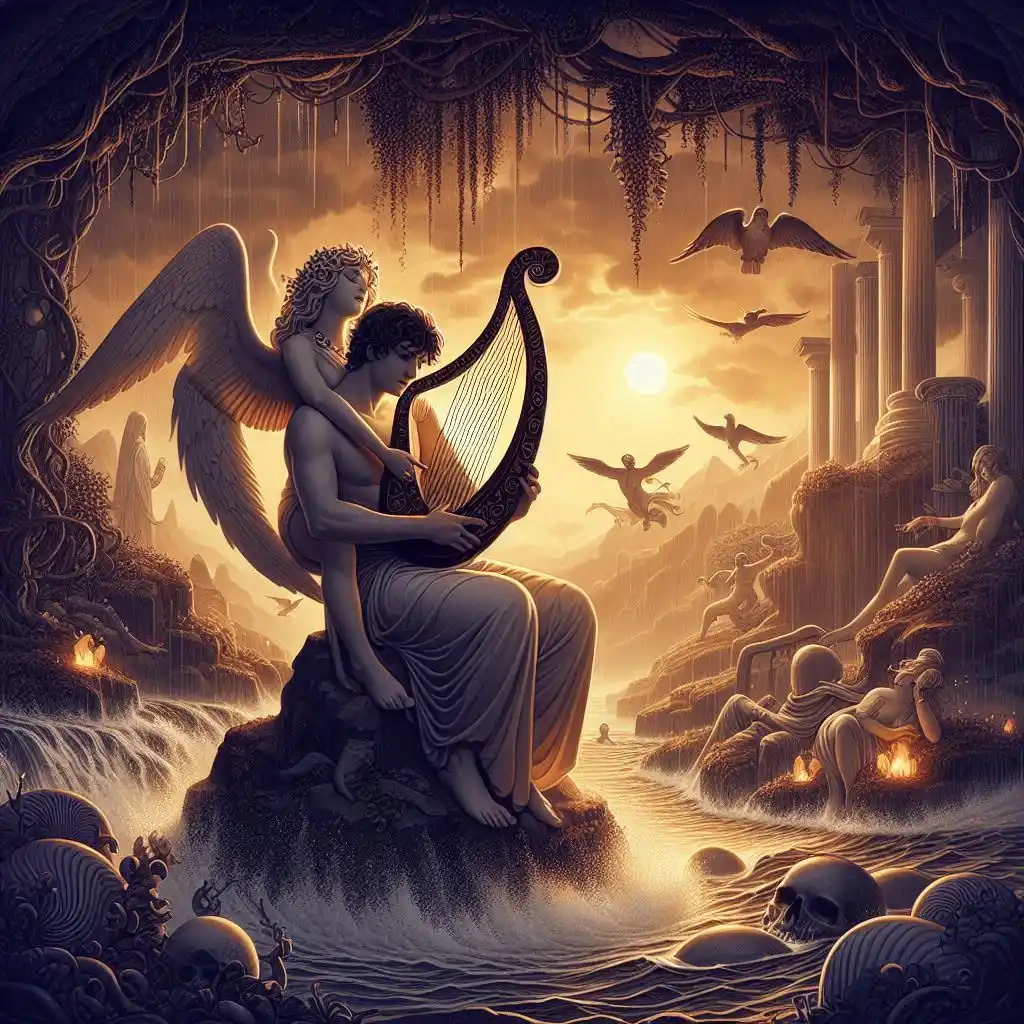
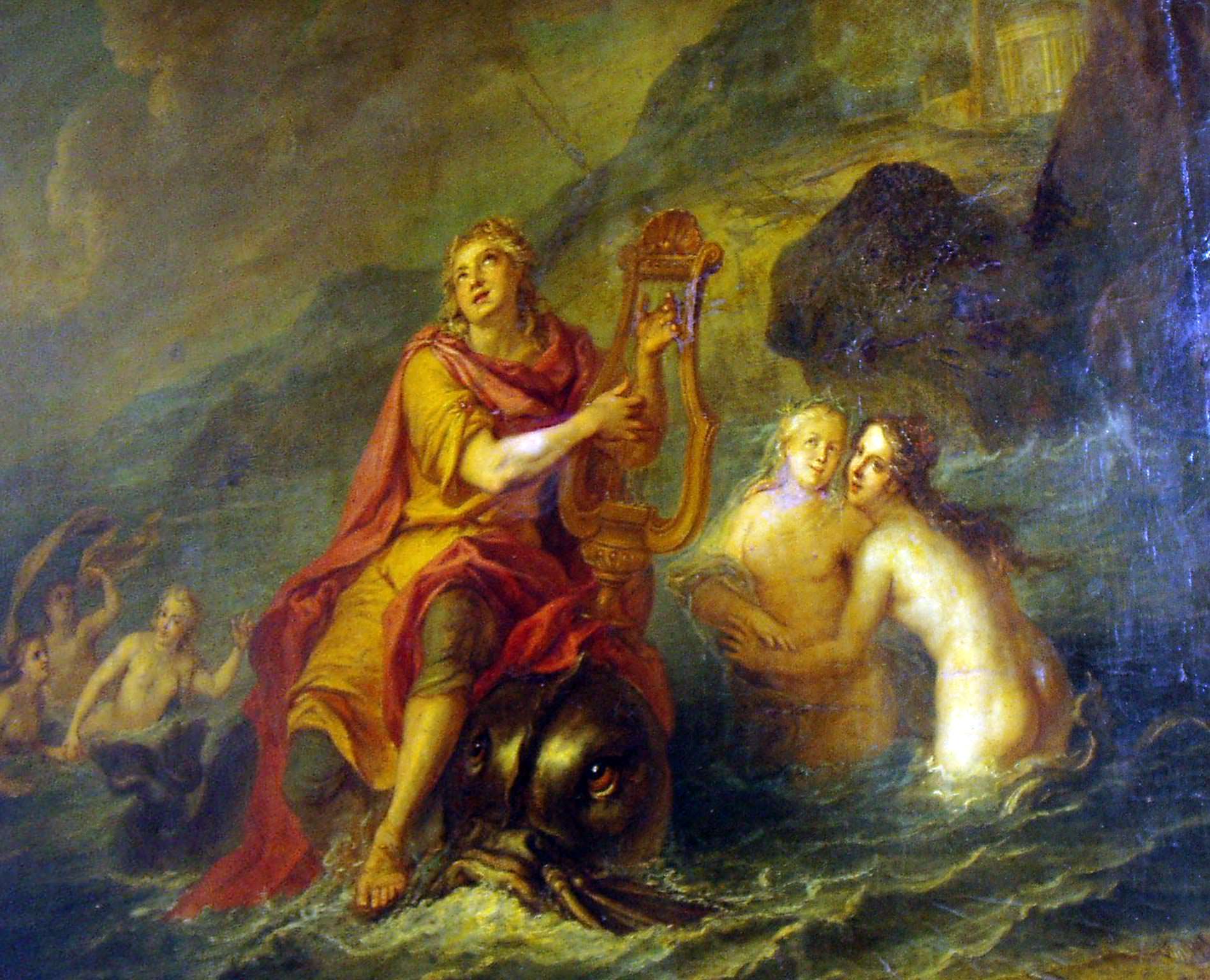
Among the many tragic and beautiful stories of Greek mythology, the myth of Orpheus and Eurydice stands out as one of the most poignant explorations of love and death.
Orpheus, famed for his divine musical talents, was the ultimate lover and artist—his music could charm all creatures, mortal and divine alike, and even move the hearts of the gods.
His love story began with Eurydice, a nymph of unparalleled beauty and grace.
Orpheus and Eurydice
Their union was passionate and full of hope, but fate dealt a cruel hand. Soon after their wedding, Eurydice was bitten by a venomous snake and died, plunging Orpheus into overwhelming grief.
Refusing to accept her death as final, Orpheus descended into the Underworld itself—the realm of Hades and Persephone—to plead for her return.
Armed with only his lyre and the power of his music, he played so beautifully that even the grim rulers of the dead were moved.
The gates of the Underworld opened, and Hades granted Orpheus a chance: he could lead Eurydice back to the living world on one condition—he must not look back at her until they both had reached the surface.
The journey back was filled with tension and longing. Every step was heavy with hope and doubt, the fragile thread holding Eurydice’s fate tethered to Orpheus’s self-control.
But as they neared the light of day, Orpheus’s fear and desire overwhelmed him, and he glanced backward. In that instant, Eurydice vanished forever, pulled back into the shadows.
This myth captures the tragic limits of human will against the irrevocable laws of fate and death. Orpheus’s failure is both deeply human and heartbreakingly relatable—his love was immense, but his patience faltered.
The story also symbolizes the power of art as a bridge between worlds: Orpheus’s music temporarily softened the harshness of death, showing how beauty and passion can transcend even the darkest forces. But it is also a reminder that some boundaries—between life and death, past and present—cannot be crossed without consequence.
Orpheus’s subsequent life was marked by sorrow and wandering, until he too met a tragic end.
Yet, his legend endured, inspiring generations with the timeless themes of love, loss, and the enduring quest to defy mortality.
Born to Gaia and Tartarus, Typhon is the deadliest storm giant in Greek mythology — whose terrifying war against Zeus for Mount Olympus represents raw nature, chaos, and volcanic destruction.
Also spelled Typhoeus, this colossal primordial storm giant is known as the “Father of All Monsters” due to the fearsome brood of offspring he fathered with his mate, Echidna, creatures as fearsome and wild as their father, each carrying a fragment of his destructive power.
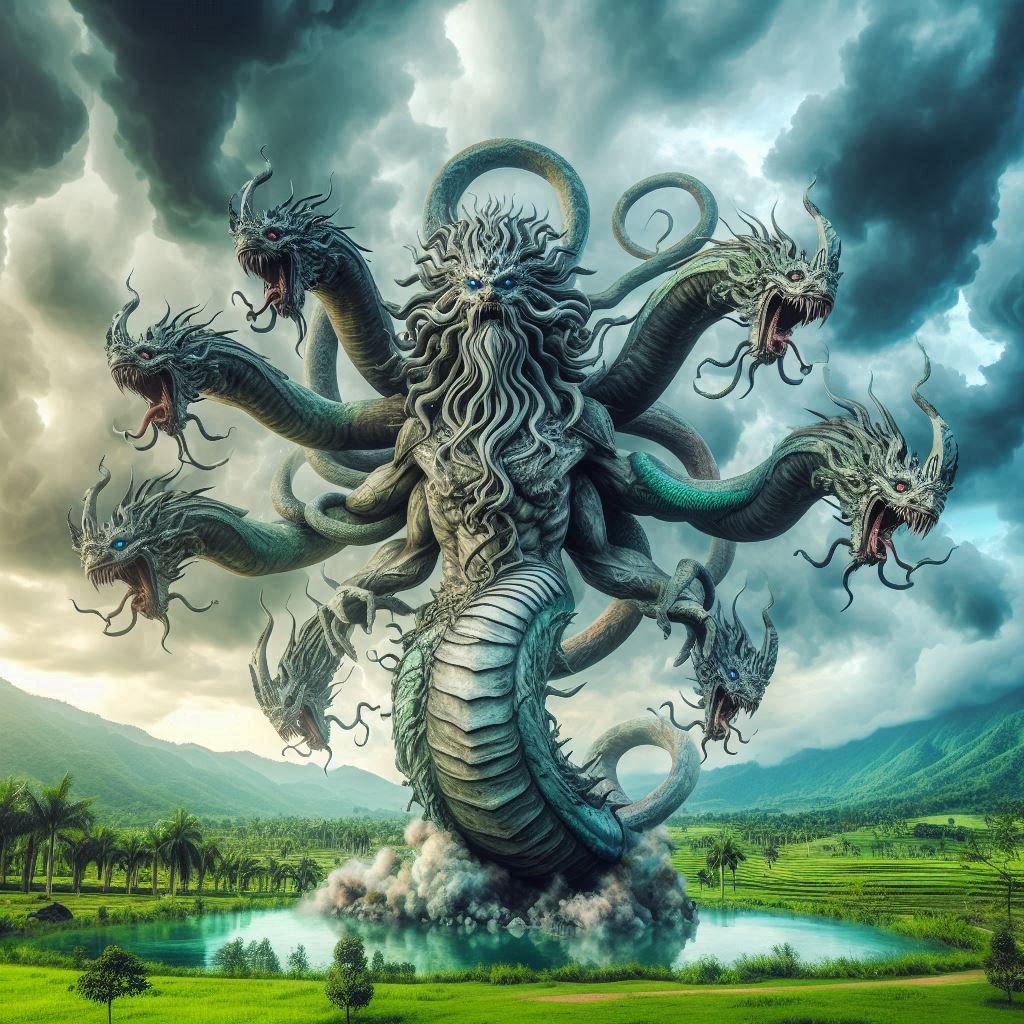
Detailed depiction of Typhon, the hundred-headed dragon monster from Greek myth
Origins and Genealogy
Typhon’s origins are tangled and vary slightly depending on source, but the most authoritative comes from Hesiod’s Theogony and later epic and lyric poets:
Parents: Gaia (Earth) and Tartarus (the primordial abyss), embodying primal Earth and the chaotic depths beneath it.
Purpose: Born as Gaia’s final weapon against Zeus after the Titans were defeated, Typhon represents nature’s rebellion against imposed divine order.
In some variations, Typhon is linked to the primordial force Chaos itself, making him a direct embodiment of cosmic disorder.
Physical Description: Horror Incarnate
Typhon is described with overwhelming, terrifying detail:
Size: Colossal, with shoulders brushing the stars.
Heads: Between 100 and 200 serpent heads erupt from his shoulders or body, each breathing fire, smoke, and venom.
Eyes: Glowing, sometimes flaming or emitting sparks.
Limbs: Human arms ending in snake coils or serpents replacing legs.
Voice: A cacophony of terrifying sounds—howling, roaring, and hissing.
He’s a living storm, a walking apocalypse.
The Mythic Battle: Zeus vs. Typhon
The clash between Zeus and Typhon is an apocalyptic cosmic war, symbolizing the ultimate battle of order against chaos, civilization against untamed nature.
Typhon attacks Olympus: He attempts to overthrow Zeus by physically assaulting the gods’ home, hurling mountains and spewing destructive storms.
Zeus counters: Using thunderbolts, lightning, and wind storms, Zeus battles Typhon fiercely.
Typhon wounds Zeus: In some versions, Typhon strips Zeus of his sinews (tendons), imprisoning him (in the Corycian Cave or another locale), which delays Zeus’s victory.
Zeus’s recovery and victory: With Hermes’ help or by retrieving his sinews, Zeus recovers, returns, and finally defeats Typhon.
Typhon’s imprisonment: Zeus pins Typhon beneath Mount Etna or another volcano, where his writhing causes eruptions and earthquakes.
In ancient times, these wild mythological battles were often used to explain the dramatic landscapes of the Ionian Sea.
If you want to explore the real geography behind these legends, check out our Corfu Island Guide to see how the island’s unique mountains and terrain were formed.
Literary Sources and Variants
Hesiod’s Theogony: The earliest and most influential account; it emphasizes Typhon’s birth, terrifying appearance, and defeat by Zeus.
Apollodorus’ Library: Expands on the battle and details Typhon’s offspring with Echidna.
Pindar and Euripides: They allude to Typhon as a cosmic threat.
Nonnus’ Dionysiaca: A late antique epic giving elaborate descriptions of Typhon’s monstrous form and fight.
Roman sources (Virgil, Ovid): Sometimes equate Typhon with other monsters or volcanic forces.
Typhon’s Offspring and Legacy
Typhon and his mate Echidna didn’t just rule the primordial abyss; they fathered a terrifying brood of offspring that became the ultimate weapons of ancient Greek mythology — while you might know their names, the dark legends behind how Cerberus, the Hydra, the fire-breathing Chimera, the riddle-posing Sphinx, and the invulnerable Nemean Lion actually received their fatal powers from their parents depend entirely on one forgotten, cursed ritual…
Cerberus: Three-headed dog guarding the underworld.
Hydra: Multi-headed serpent.
Chimera: Hybrid fire-breathing monster.
Sphinx: Riddle-posing hybrid creature.
Nemean Lion: Invulnerable beast.
This monstrous brood cements Typhon’s role as the source of chaos in the world.
Many of these terrifying mythological creatures were prominently featured in ancient local architecture.
Today, you can view real ancient mythological artwork in the Archaeological Museum of Corfu, including the famous Gorgon Medusa pediment discovered during excavations of the Temple of Artemis, highlighted in our guide to Corfu Old Town.
Symbolism and Interpretation
Typhon is far more than a scary monster:
Personification of Natural Disaster: Volcanoes, earthquakes, storms—all uncontrollable forces that ancient Greeks feared and sought to explain.
Chaos vs. Order: Typhon embodies the raw chaos that Zeus (order, law, and civilization) must continually suppress.
Cosmic Cycle: His imprisonment under volcanoes explains natural phenomena, suggesting that chaos is never fully eradicated, only contained.
Psychological Archetype: Typhon represents the monstrous shadow within nature and humans—the destructive forces beneath the surface of civilization.
Archaeological and Cultural Echoes
Volcano Mythology: Mount Etna, Mount Vesuvius, and other volcanic sites in the Mediterranean were linked to Typhon’s imprisonment, reflecting early human attempts to rationalize natural disasters.
Cult and Rituals: While there is no direct cult worship of Typhon, his myth influenced ritual invocations against chaos and calamity.
Iconography: Some ancient art depicts Typhon as a chaotic mass of serpents and human forms, emphasizing his terrifying nature.
Comparative Mythology
Typhon has parallels in other mythologies:
Leviathan (Hebrew tradition): A sea serpent symbolizing chaos.
Tiamat (Babylonian myth): A primordial chaos dragon defeated by Marduk.
Jörmungandr (Norse myth): The world serpent who encircles the earth.
These parallels highlight a common human need to personify and conquer chaos through myth.
Final Thoughts on Typhon
Typhon’s myth is a cornerstone of Greek cosmogony and theology—without him, Zeus’s rule lacks tension and significance. Typhon reminds us that beneath the fragile veneer of civilization lies a vast, wild chaos always ready to erupt. The ancient Greeks personified this fear in Typhon, weaving a story of conflict, survival, and balance that still captivates.
Monstrous Summary
This monstrous lineage was not just a parade of terrifying creatures but a reflection of the chaotic forces that ancient Greeks believed constantly threatened the fragile order of the cosmos.
Typhon’s offspring represented natural disasters, wild beasts, and the darker impulses of the world—forces that the gods had to subdue for civilization to thrive.
The stories of these creatures weave through the myths of heroes and gods, often serving as epic challenges that define the valor and cunning of mortals like Heracles and Bellerophon.
Their defeat symbolizes the triumph of order, civilization, and reason over chaos, wildness, and destruction.
Typhon’s legacy also underscores the Greek worldview that chaos is never fully destroyed but contained and balanced.
The monstrous offspring remain reminders of the primal forces lurking beneath the world’s surface—powerful, untamed, and eternally dangerous.
❓ Frequently Asked Questions
Who is Typhon in Greek mythology?
Typhon is a colossal primordial storm giant born to Gaia and Tartarus. Known as the deadliest monster in Greek myth, he challenged Zeus for control of Mount Olympus and fathered many of Greece’s most famous monsters.
Why was Typhon created?
For a single purpose, Revenge against the gods and Zeus, for the defeat of the Titans, Gaia’s loving children.
What are Typhon’s parents?
Typhon’s parents are Gaia (the personification of the Earth) and Tartarus (the deep abyss of the Underworld). They created him as a final weapon against the Olympian gods.
Is Typhon a Titan or a monster?
Typhon is classified as a primordial monster and a storm giant. Not a Titan. While he possessed god-like strength capable of threatening Mount Olympus, he represents untamed chaos and natural destruction rather than divine order.
Contains information related to marketing campaigns of the user. These are shared with Google AdWords / Google Ads when the Google Ads and Google Analytics accounts are linked together.
90 days
__utma
ID used to identify users and sessions
2 years after last activity
__utmt
Used to monitor number of Google Analytics server requests
10 minutes
__utmb
Used to distinguish new sessions and visits. This cookie is set when the GA.js javascript library is loaded and there is no existing __utmb cookie. The cookie is updated every time data is sent to the Google Analytics server.
30 minutes after last activity
__utmc
Used only with old Urchin versions of Google Analytics and not with GA.js. Was used to distinguish between new sessions and visits at the end of a session.
End of session (browser)
__utmz
Contains information about the traffic source or campaign that directed user to the website. The cookie is set when the GA.js javascript is loaded and updated when data is sent to the Google Anaytics server
6 months after last activity
__utmv
Contains custom information set by the web developer via the _setCustomVar method in Google Analytics. This cookie is updated every time new data is sent to the Google Analytics server.
2 years after last activity
__utmx
Used to determine whether a user is included in an A / B or Multivariate test.
18 months
_ga
ID used to identify users
2 years
_gali
Used by Google Analytics to determine which links on a page are being clicked
30 seconds
_ga_
ID used to identify users
2 years
_gid
ID used to identify users for 24 hours after last activity
24 hours
_gat
Used to monitor number of Google Analytics server requests when using Google Tag Manager