



Many places in Greece are tied to myths, but they are not all the same kind of place. Some are real landscapes that the Greeks imagined as the setting of a story. Some are sanctuaries where people really worshipped. And some are ruins that a legend was attached to long after they were built. This page walks through the best-known ones, starting on Corfu, and marks each one so you know what you will actually see.
Three Kinds of Places
- Landscape of a myth: a real place the story is attached to. The story is the reason to go, and nobody has found evidence of the event itself.
- Sanctuary: a historical place of worship, where people really sacrificed, consulted oracles, or held festivals.
- Archaeological site with a legend: real ruins that the myth was hung on later, often centuries after the site was built or abandoned.
Some places are more than one kind, and a few are disputed. I say so where it matters.
Mythological Places at a Glance
- Mouse Island (Pontikonisi), Corfu: landscape of a myth. The Phaeacian ship turned to stone.
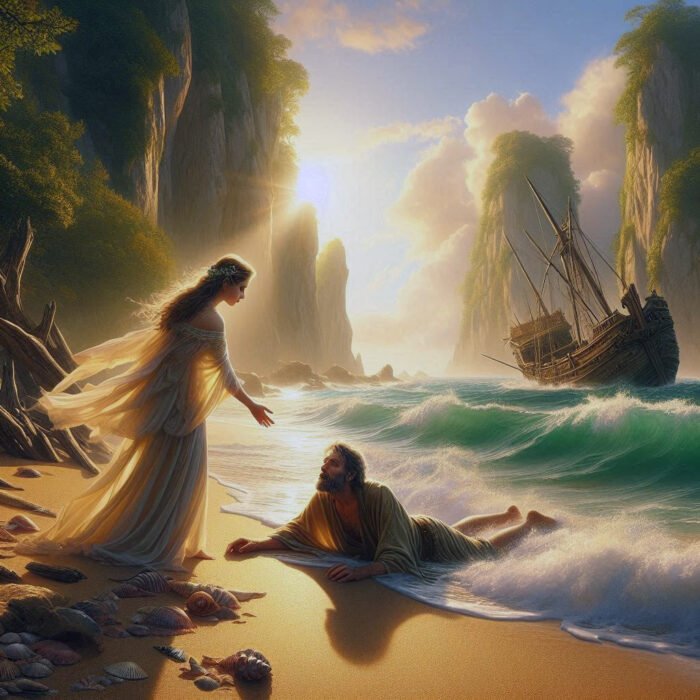
- West coast beaches, Corfu: landscape of a myth. Odysseus meets Nausicaa.
- Ithaca, Ionian Islands: landscape of a myth (disputed). Odysseus’s kingdom.
- Acheron and the Nekromanteion, Epirus: landscape of a myth, sanctuary (disputed). The entrance to the underworld.
- Dodona, Epirus: sanctuary. The oracle of Zeus and the sacred oak.
- Delphi, Central Greece: sanctuary. Apollo, the Pythia, and the navel of the world.
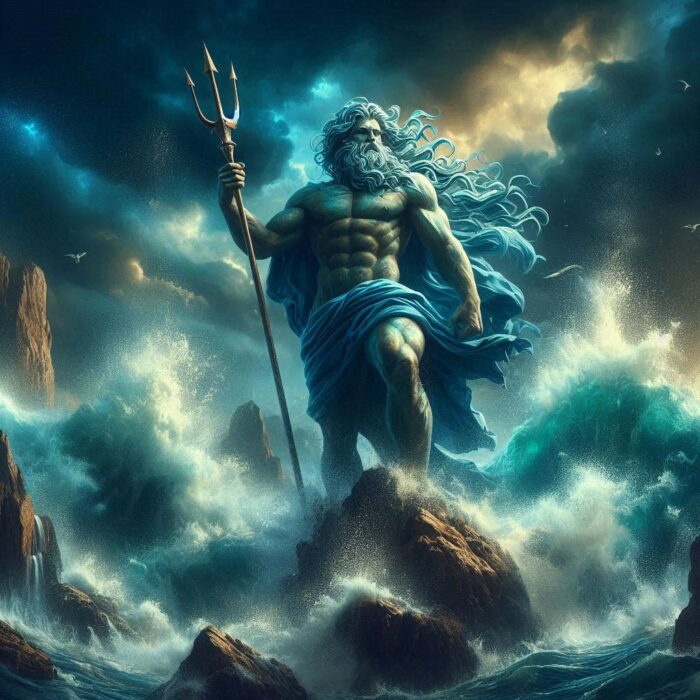
- The Acropolis, Attica: sanctuary. Athena and Poseidon compete for Athens.
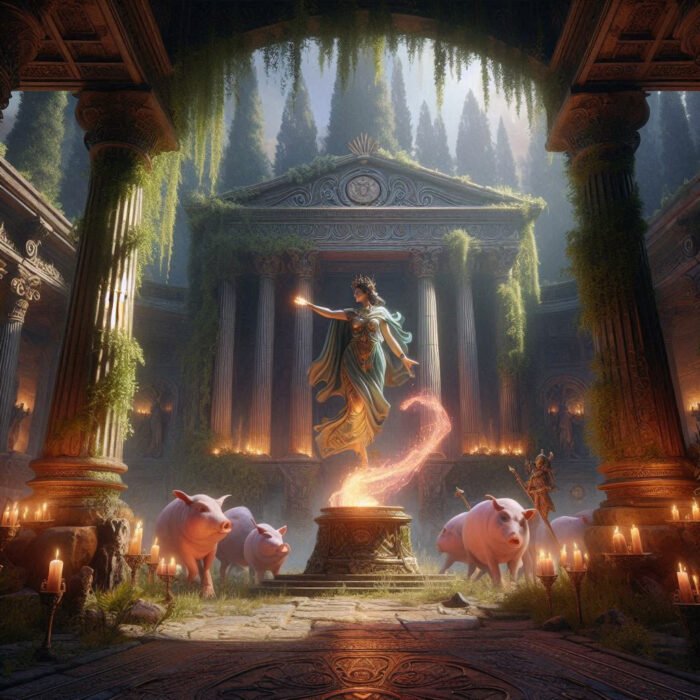
- Eleusis, Attica: sanctuary. Demeter, Persephone, and the Mysteries.
- Olympia, Peloponnese: sanctuary. The games for Zeus.
- Mycenae, Peloponnese: archaeological site with a legend. Agamemnon’s kingdom.
- Lerna, Peloponnese: archaeological site with a legend. Heracles and the Hydra.
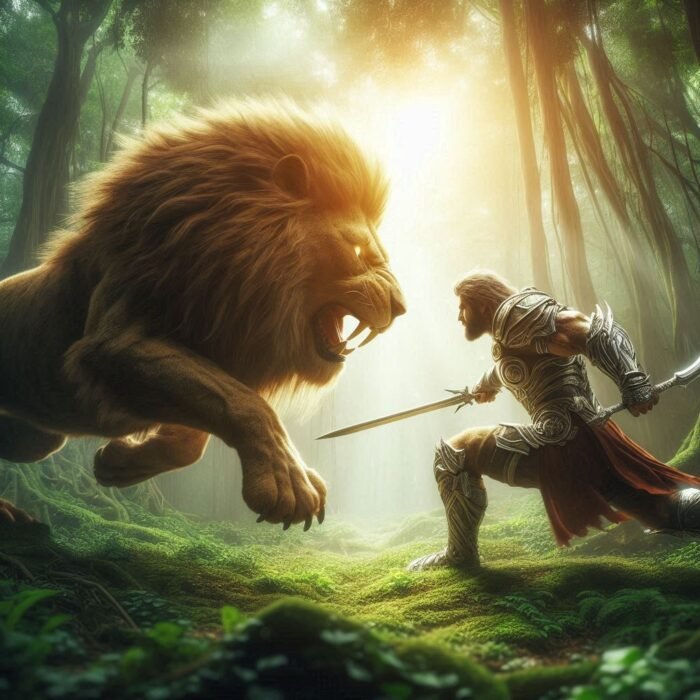
- Nemea, Peloponnese: archaeological site with a legend. Heracles and the Nemean lion.
- Cape Tainaron, Peloponnese (Mani): landscape of a myth. An entrance to Hades.
- Knossos, Crete: archaeological site with a legend. The Minotaur and the Labyrinth.
- Delos, Cyclades: sanctuary. The birthplace of Apollo and Artemis.
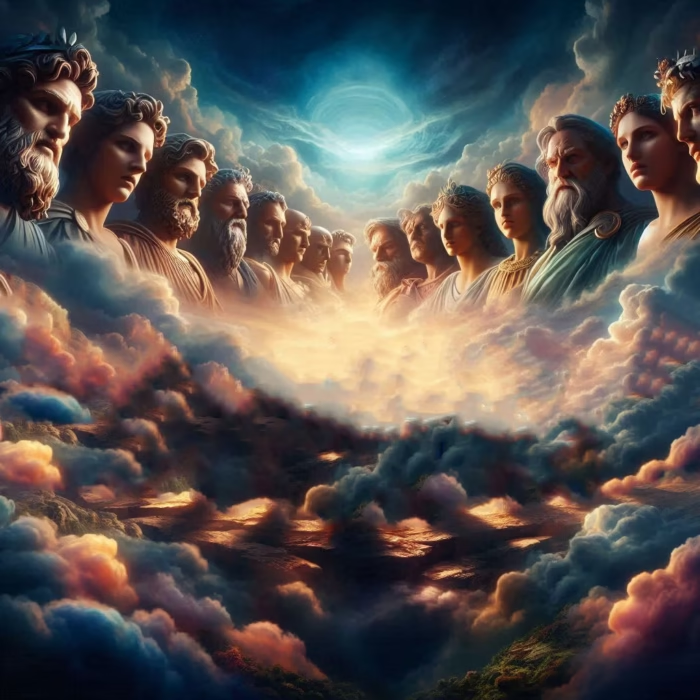
- Mount Olympus, Northern Greece: landscape of a myth. The home of the twelve gods.
Start on Corfu: The Island of the Phaeacians
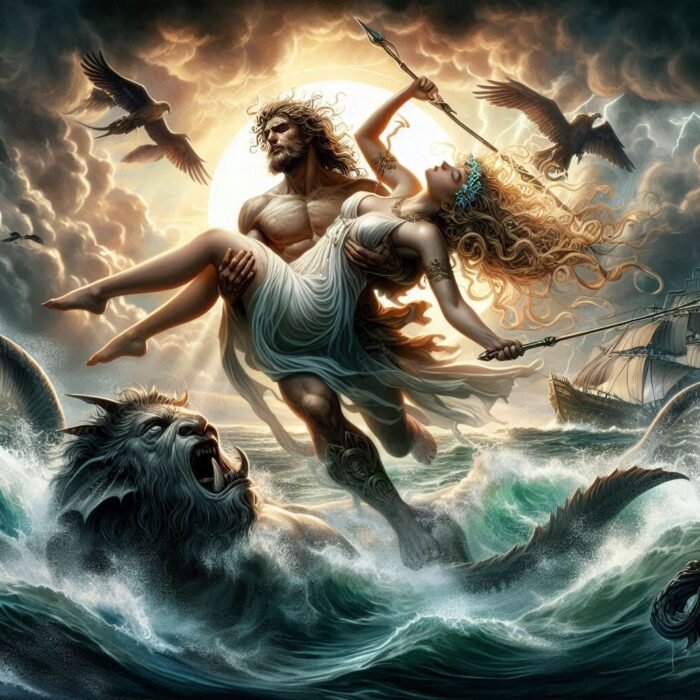
In the Odyssey, Odysseus is washed ashore on Scheria, the land of the Phaeacians, a seafaring people ruled by King Alcinous. Ancient tradition, which the historian Thucydides already noted, identified Scheria with Corfu, and the island has never given up the idea. (Corfu’s own name comes from a different myth: the nymph Kerkyra, carried off by Poseidon.) For the full story, see Shipwreck on the Island of the Phaeacians and Corfu and Ionian Mythology.
Mouse Island (Pontikonisi), Kanoni
Type: landscape of a myth
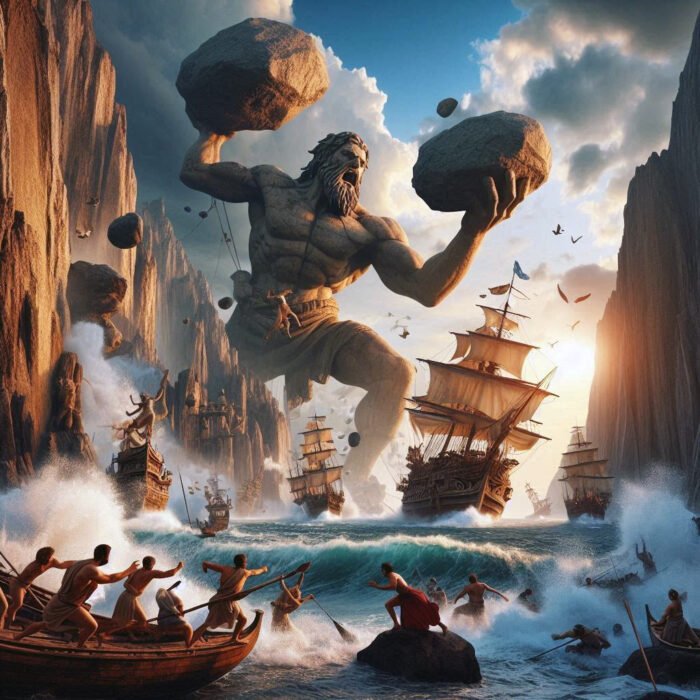
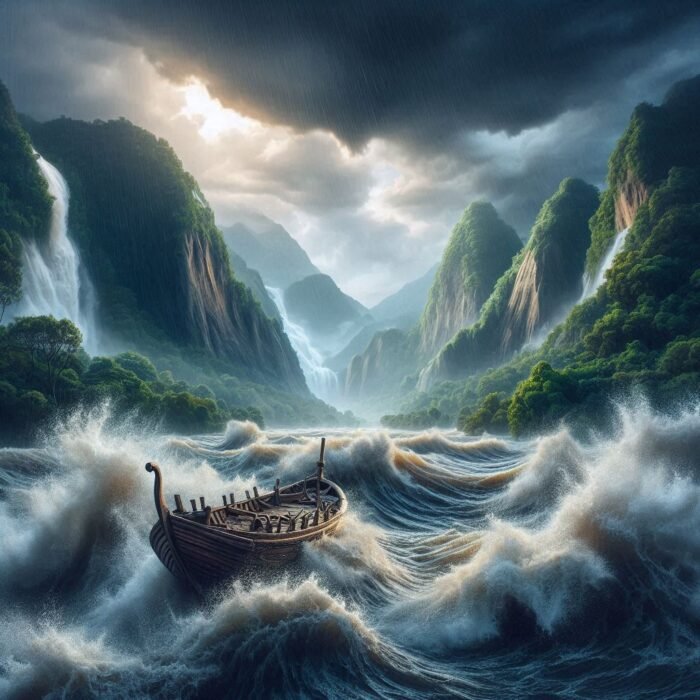
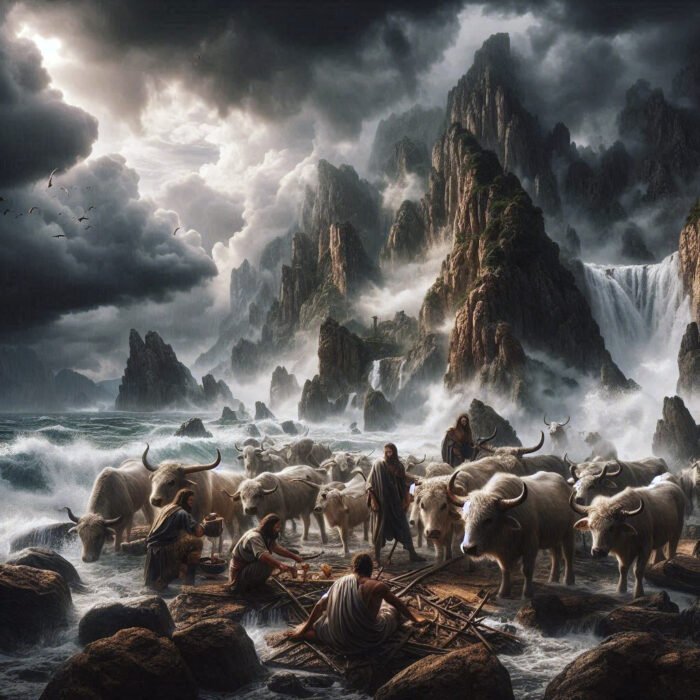
The Phaeacians take Odysseus home to Ithaca. On the way back, Poseidon, angry that they helped him, turns their ship to stone as it nears the harbour. Corfiots point to the small island of Pontikonisi, off Kanoni, as that petrified ship, and a chapel stands on it. Nothing proves the identification, but it is the best-known myth on the island, and you can see it from Kanoni and from Vlacherna.
The West Coast: Where Odysseus Met Nausicaa
Type: landscape of a myth
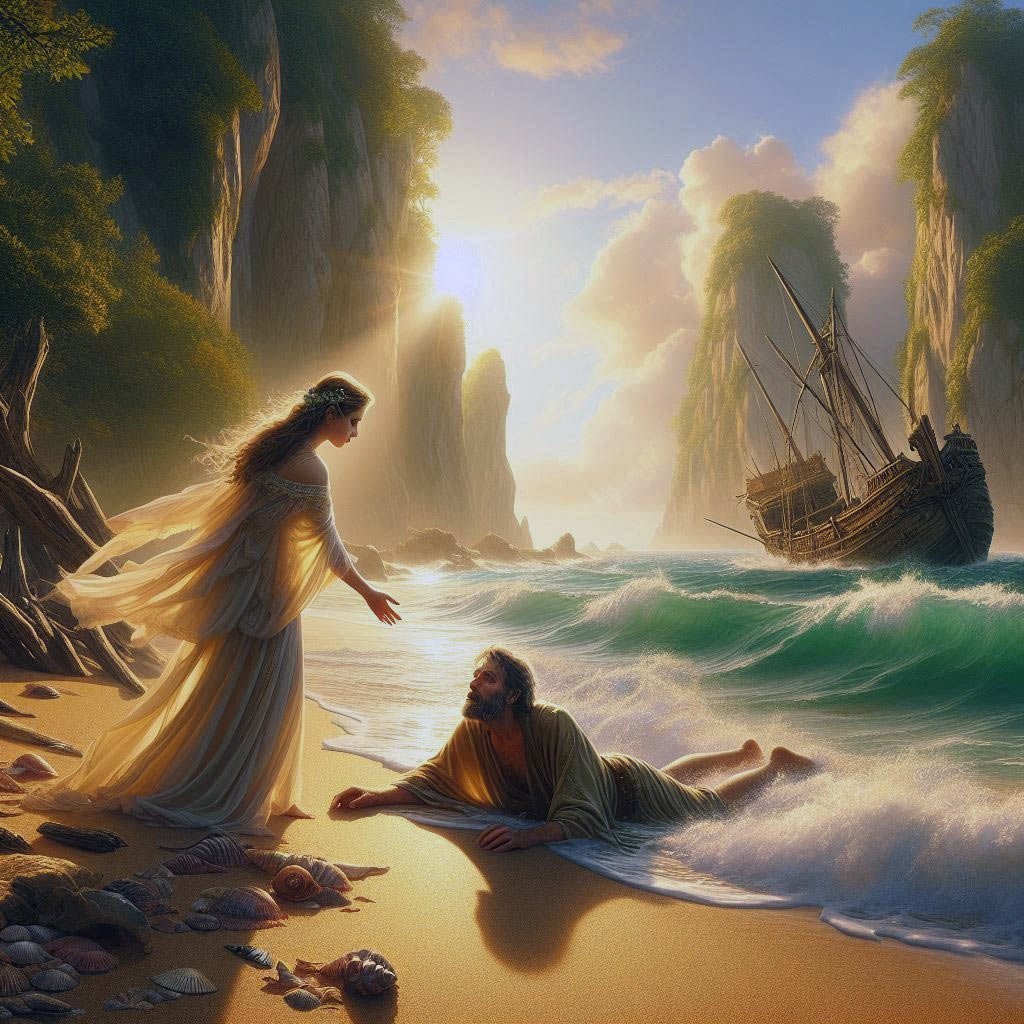
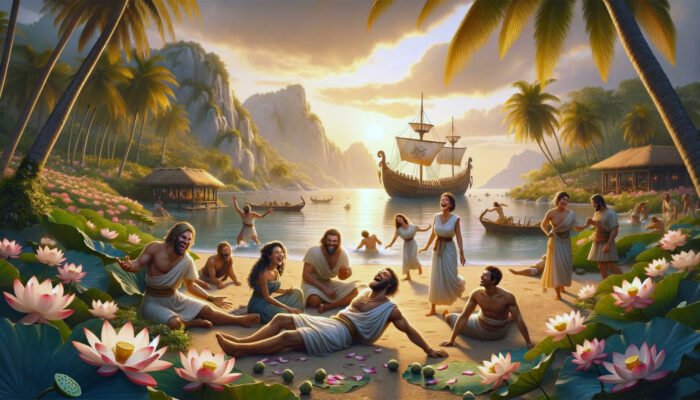
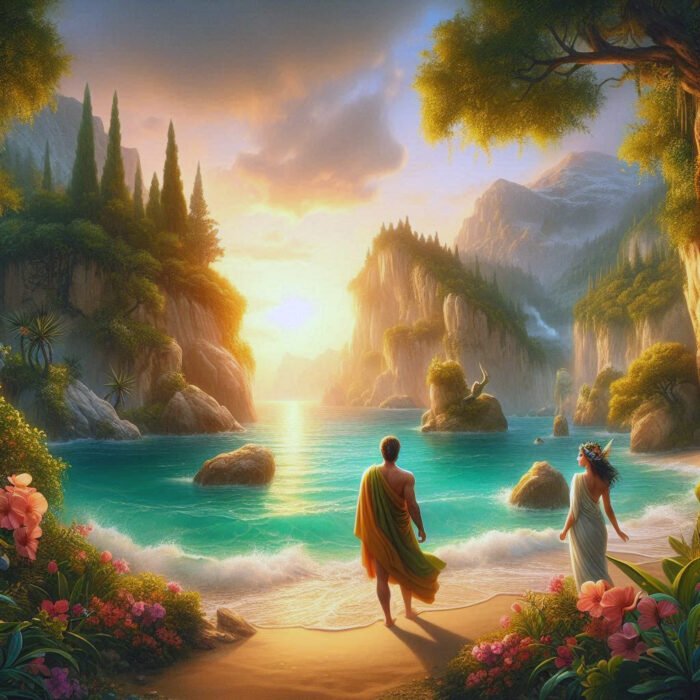
Exhausted from the sea, Odysseus is found by the princess Nausicaa while she and her maids wash clothes by the shore. Several places on the west coast claim the scene, among them Ermones and Palaiokastritsa. They cannot all be right, and none can be proved, but each makes a good beach day with a story attached.
Corfu appears in a second epic as well. In the Argonautica, Jason and Medea, pursued by the Colchians, reach the land of the Phaeacians and marry there with the help of Alcinous and his queen. You can read Medea’s side of the story in Medea: The Woman Who Could Not Accept Betrayal.
The Ionian Islands and Epirus
Ithaca
Type: landscape of a myth (disputed)
Odysseus’s home island lies further south in the Ionian Sea. Visitors can see places named for the poem, such as the Arethusa spring and the Cave of the Nymphs, but which island Homer meant by Ithaca is debated, and some scholars have proposed Lefkada instead. The last chapters of the Odyssey are told in Return to Ithaca.
Acheron and the Nekromanteion
Type: landscape of a myth, plus a sanctuary whose identity is disputed
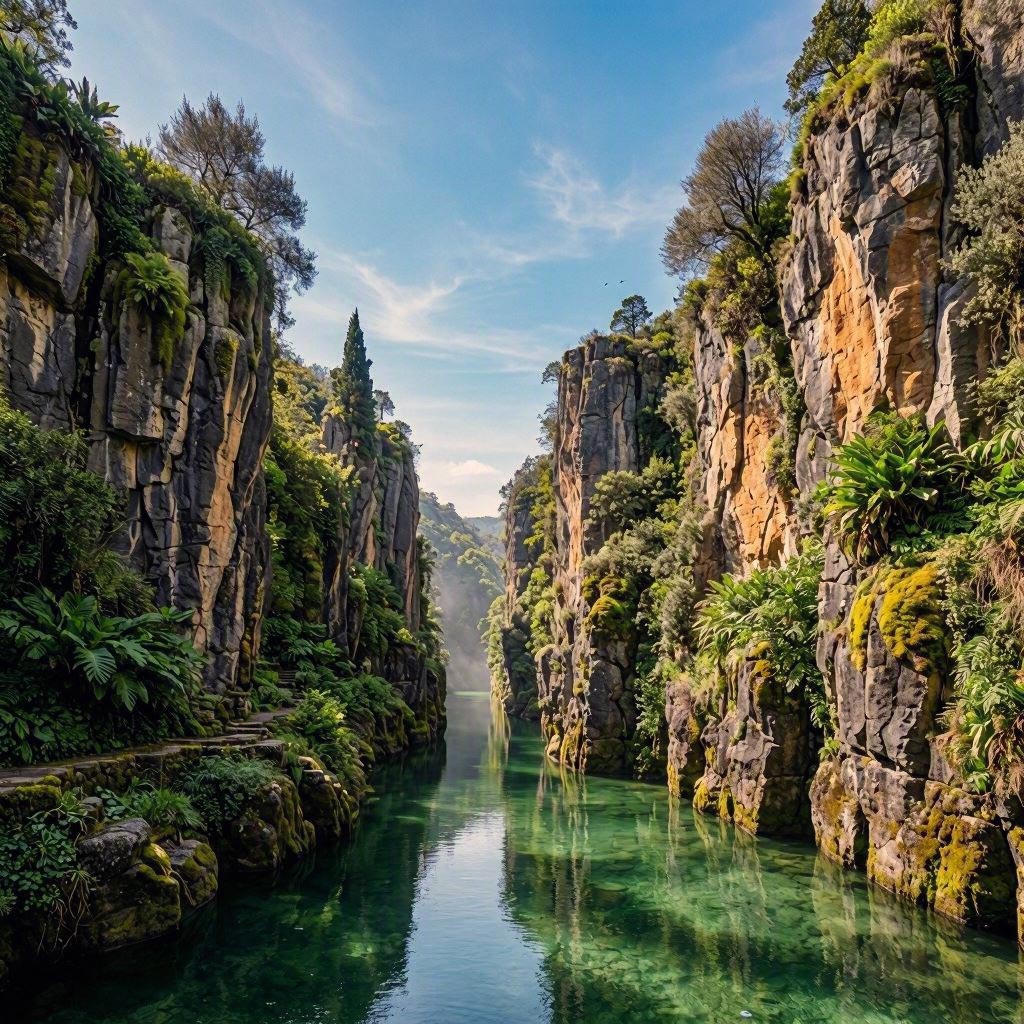
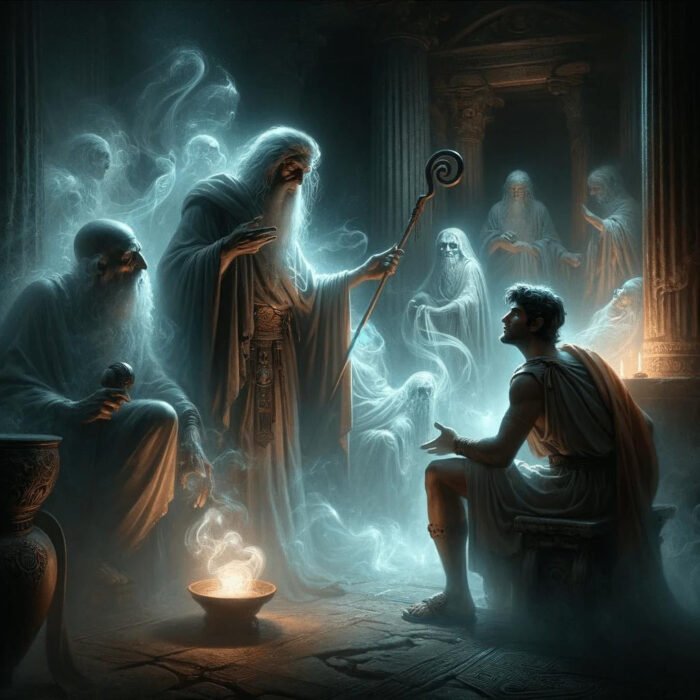
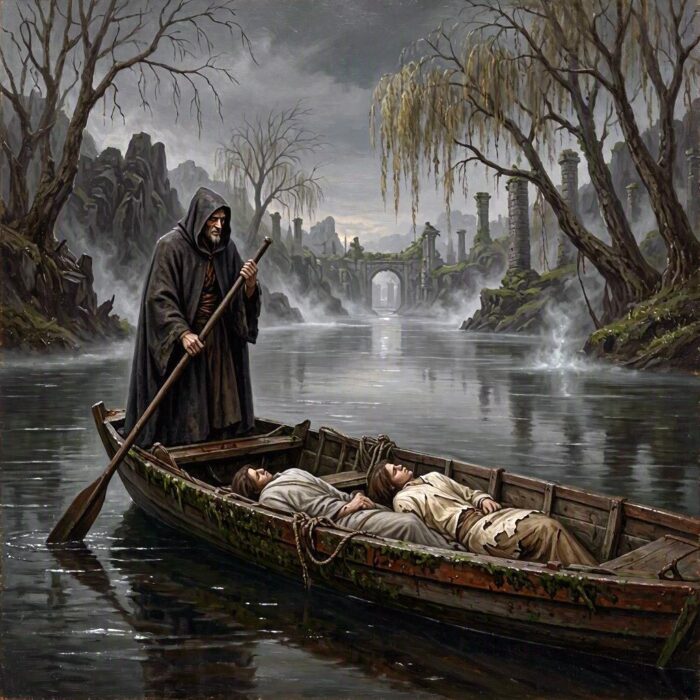
The Acheron is a real river in Epirus, on the mainland across from Corfu. The Greeks tied its gorges and the meeting of its waters to the rivers of the underworld. A hill near the confluence of the Acheron, Pyriphlegethon and Cocytus carries the ruins that the archaeologist Sotirios Dakaris identified in 1958 as the Oracle of the Dead. He linked them to Odysseus’s visit to the dead in Homer and to Herodotus’s story of the tyrant Periander, who sent messengers to consult his dead wife Melissa.
Not everyone accepts that reading. In 1979, the German scholar Dietwulf Baatz recognized parts of third-century BCE catapults among the finds and argued that the building was a fortified Hellenistic farmstead. A 2022 paper suggests yet another possibility: a fortified trading station. The Romans burned the site in 167 BCE. Visitors today can still descend into the vaulted underground chamber.
For the myth itself, read Acheron and the Journey to the Underworld.
Dodona
Type: sanctuary
Dodona was one of the oldest oracles of Zeus in Greece, and Homer already knew it. According to tradition, the priests interpreted the rustling of the leaves of a sacred oak. In the mountains near Ioannina, you can walk through the ruins and the large ancient theatre.
Central Greece and Attica
Delphi
Type: sanctuary
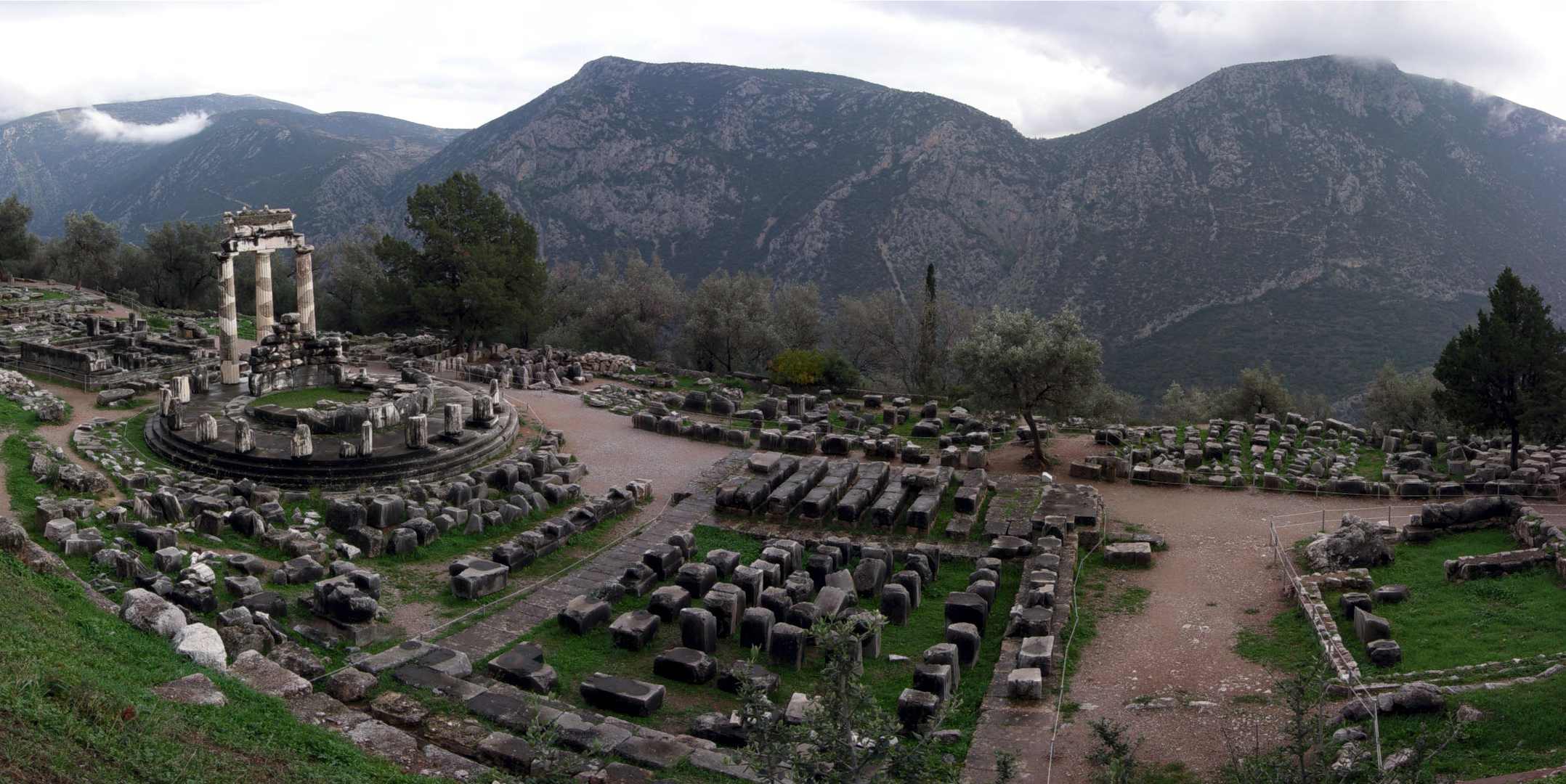
The most famous oracle of the ancient world was the sanctuary of Apollo on the slope of Mount Parnassus. In myth, Apollo killed the serpent Python here, and Zeus found the centre of the world: he sent two eagles flying from opposite ends of the earth, and they met at Delphi. A carved stone, the omphalos, marked the spot. The priestess, the Pythia, gave answers in the god’s name, and cities consulted her before founding colonies or going to war. Delphi is a UNESCO World Heritage Site.
The Acropolis, Athens
Type: sanctuary

When Athena and Poseidon competed to become the patron of Athens, Poseidon struck the rock with his trident and brought up a salt spring, and Athena planted an olive tree. The Athenians chose Athena. Beside the Parthenon, the Erechtheion was the place where the olive tree and the marks of the trident were said to be.
Eleusis
Type: sanctuary
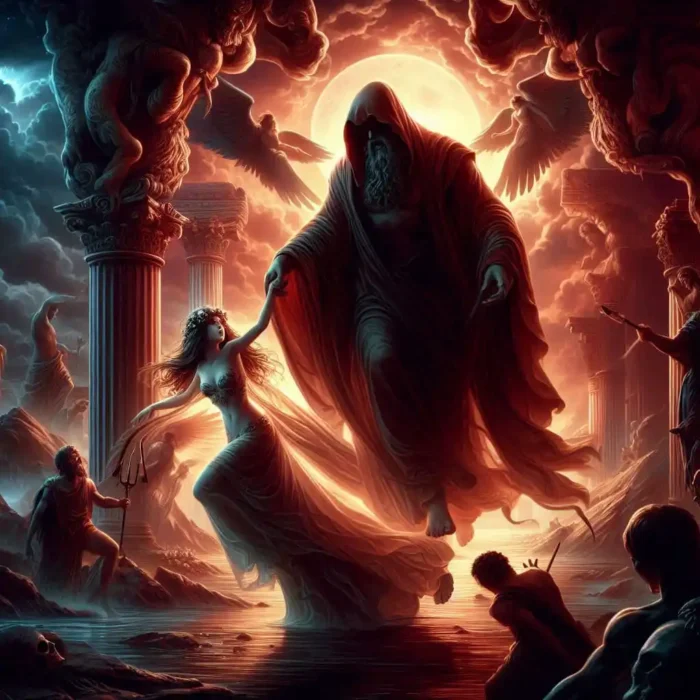
When Hades carried off Persephone, her mother Demeter searched the earth for her and, in the Homeric Hymn, came to Eleusis. There she was honoured with the Eleusinian Mysteries, the most important secret rites in ancient Greece, whose initiates swore never to reveal what they saw. The ruins lie in modern Elefsina, west of Athens. The myth is told in Persephone and Hades.
The Peloponnese
Olympia
Type: sanctuary

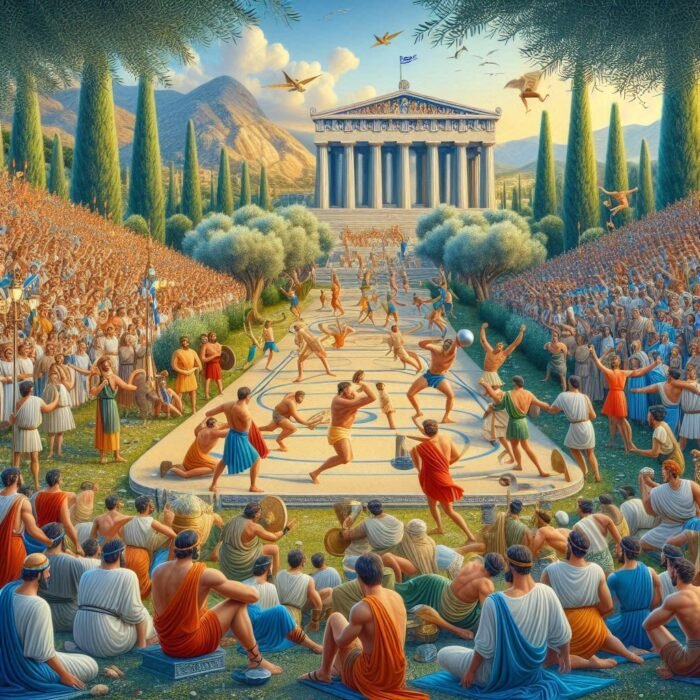
The Olympic Games were held here every four years in honour of Zeus. The myths give different founders: Heracles in some versions, and in others the hero Pelops, who won his bride in a chariot race. The temple of Zeus once held a gigantic statue of the god by Phidias, one of the Seven Wonders of the ancient world. The statue is lost, but the ruins, the stadium, and the workshop where it was made can still be seen. The history of the games is in the Olympic Games in Ancient Greece.
Mycenae
Type: archaeological site with a legend
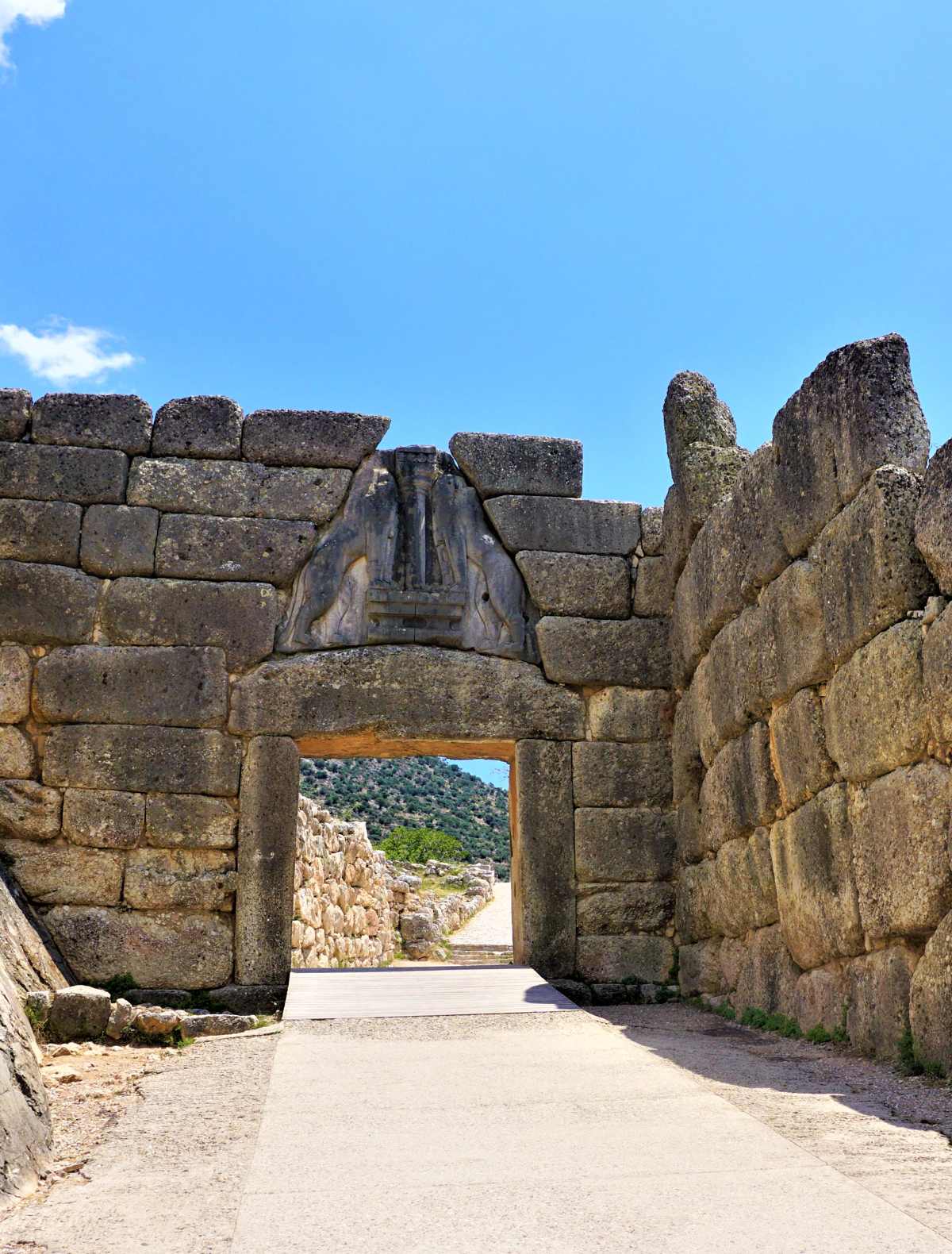
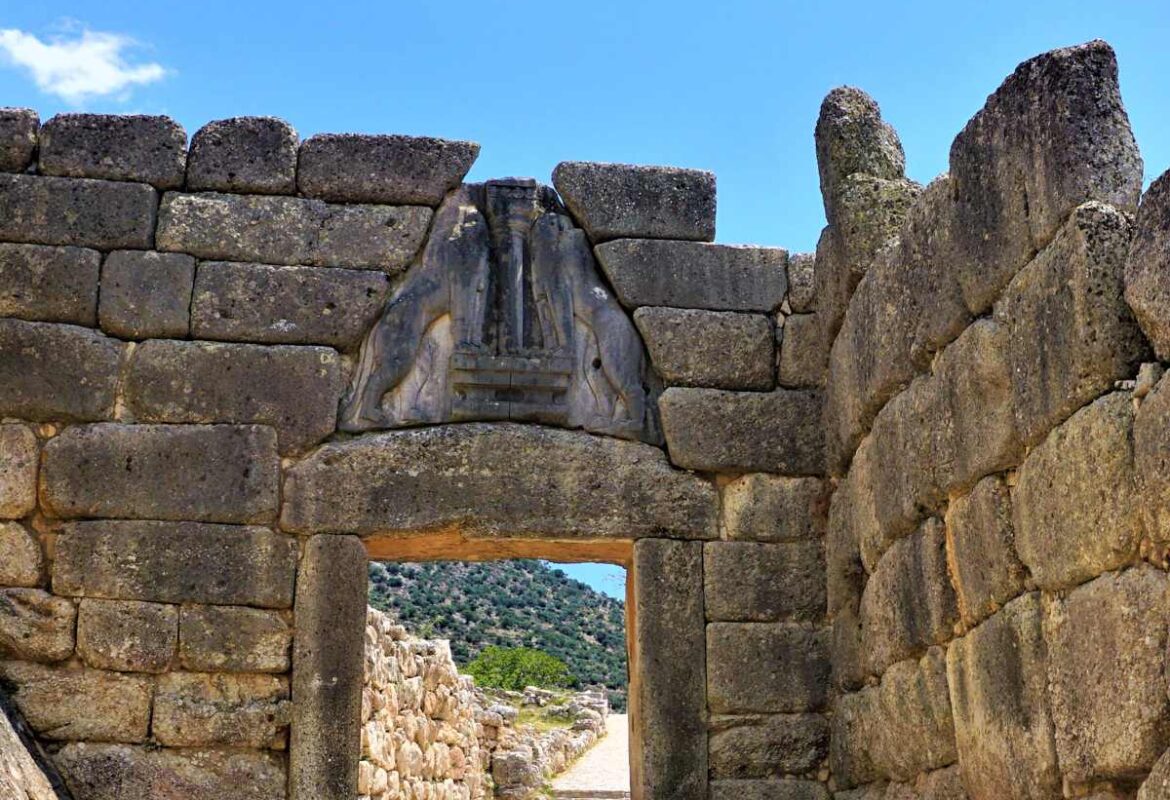
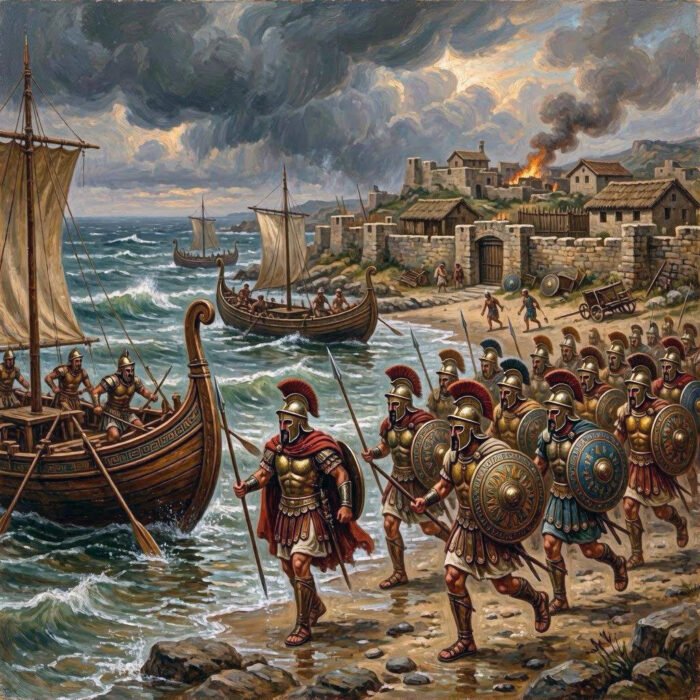
The citadel entered through the Lion Gate was the legendary kingdom of Agamemnon, who led the Greeks to Troy and was murdered on his return. The legend is younger than the stones. The gold mask that Heinrich Schliemann called the Mask of Agamemnon was made several centuries before any possible Trojan War, and the Treasury of Atreus is a great tomb that later tradition gave its name to. The story of the war is in The Trojan War: Before, During and After the Iliad.
Lerna
Type: archaeological site with a legend
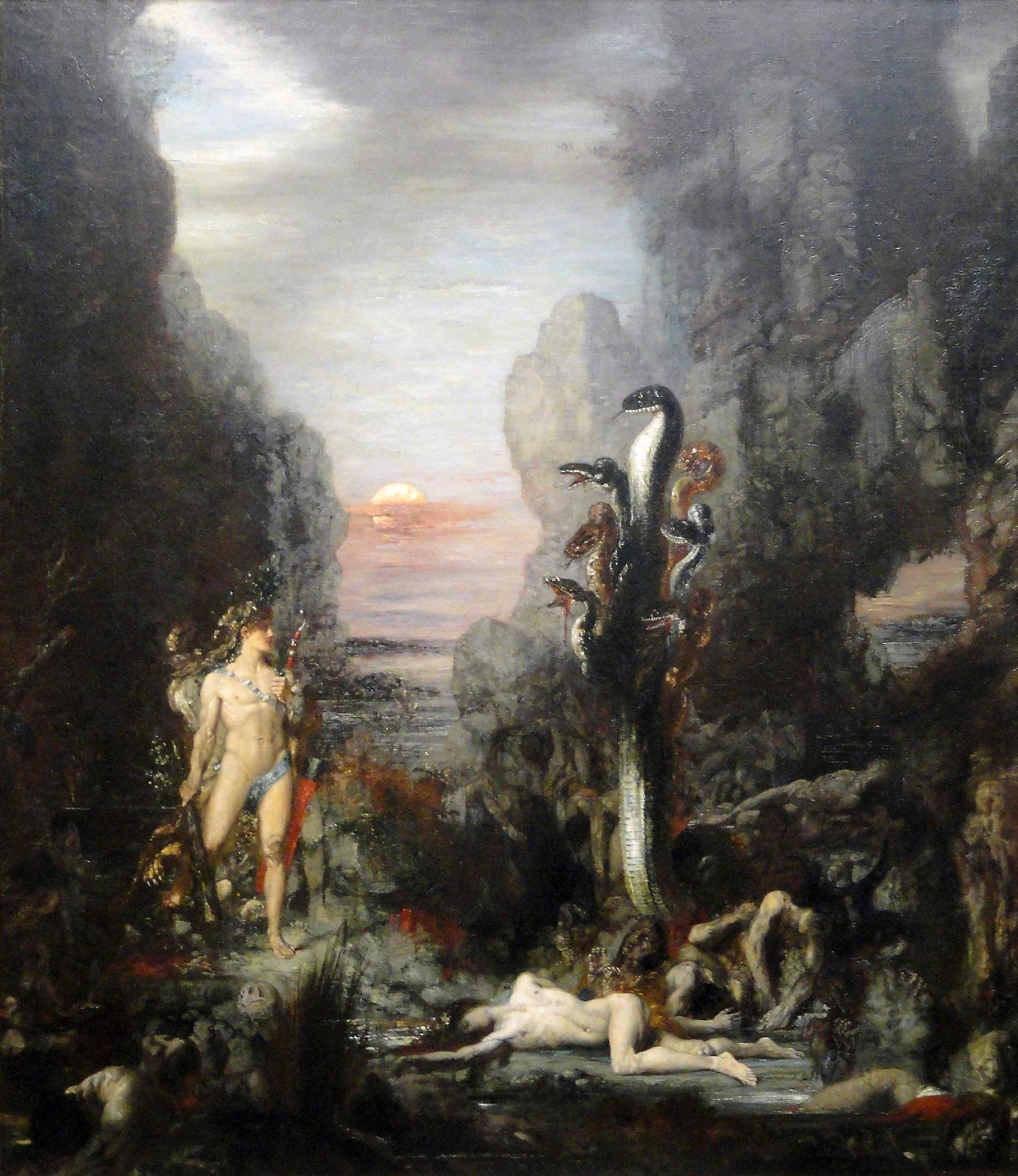
Heracles’s second labour was to kill the many-headed Hydra, which lived in the marshes and springs of Lerna near Argos. Lerna is a small site with the remains of an Early Bronze Age building. It is modest, but it is easily reached from Mycenae and Nemea. The labours are told in The 12 Labours of Hercules.
Nemea
Type: archaeological site with a legend
Heracles’s first labour was to kill the Nemean lion, whose hide he wore afterwards. Nemea had a temple of Zeus and a stadium, and it held one of the great Panhellenic games. The vaulted tunnel that athletes used to enter the stadium still survives.
Cape Tainaron
Type: landscape of a myth
At the southern tip of the Mani peninsula, ancient tradition placed one of the entrances to Hades. Here Heracles was said to have dragged the hound Cerberus up into daylight during his last labour, and in antiquity there was an oracle of the dead on the cape. It is a wild and remote place with the remains of a temple of Poseidon, and reaching the tip involves a walk. For the gods of the underworld, see Chthonic and Lesser Gods in Greek Mythology.
Crete, the Islands and the North
Knossos, Crete
Type: archaeological site with a legend
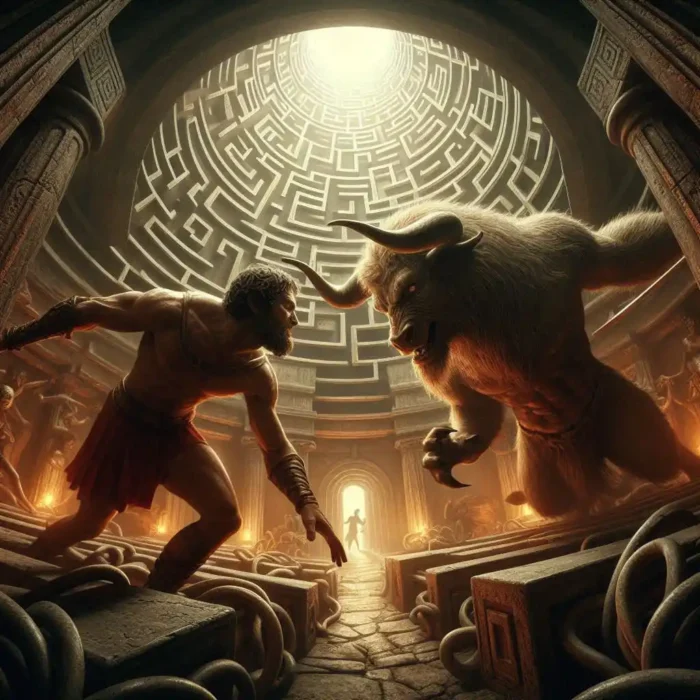
King Minos’s palace was the setting of the Minotaur story: the half-man, half-bull kept in the Labyrinth built by Daedalus, until Theseus killed it with the help of Ariadne. Arthur Evans began excavating the palace in 1900 and reconstructed parts of it in colourful concrete. No labyrinth has been found, but the maze of rooms may have inspired the story. See Theseus and the Minotaur and Daedalus and Icarus.
Delos
Type: sanctuary
In myth, Delos was the island where Leto gave birth to Apollo and Artemis, and it became one of the holiest places in Greece. In 426 BCE, the Athenians purified it by removing graves, and later births and deaths were forbidden on the island. It also grew into a wealthy trading port. Today it is an uninhabited archaeological site, reached by boat from Mykonos and famous for its Terrace of the Lions.
Mount Olympus
Type: landscape of a myth
The ancient Greeks imagined the twelve Olympian gods living on the summit of Greece’s highest mountain, 2,917 metres at its top, Mytikas. Unlike most places on this page, it is a real and serious mountain. The usual route starts from Litochoro, and a climb needs preparation and good weather. See The 12 Olympian Gods.
And Troy?
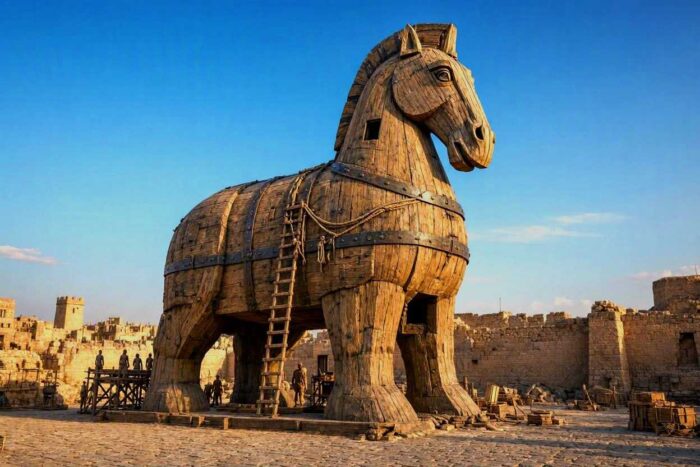
Troy is not in Greece. Its remains lie at Hisarlik in northwestern Turkey, and its story is told in The Trojan War: Before, During and After the Iliad. More myths, gods and heroes are in the main Greek Mythology section.



Comments