Looking for common Greek words and phrases? If you’d like a broader introduction, you can also explore the Greek language and how it’s used across different regions.
Here are 100 essential Greek words with meanings and pronunciation, useful for everyday conversations, travel, and beginners.
Learning just a few basic Greek expressions can make communication easier and is always appreciated by locals, and you might even recognize some Greek words already used in English.
Here are some of the most common Greek words used in everyday situations:
⭐ Most Common Greek Words
Hello – Γεια σας (Ya sas)
Hi – Γεια (Ya)
Thank you – Ευχαριστώ (Efharistó)
Please / You’re welcome – Παρακαλώ (Parakaló)
Yes – Ναι (Nai)
No – Όχι (Ohi)
Good morning – Καλημέρα (Kaliméra)
Good evening – Καλησπέρα (Kalispéra)
Good night – Καληνύχτα (Kaliníhta)
Goodbye – Αντίο (Antio)
Enjoy your stay – Καλή διαμονή (Kali diamoni)
My name is – Με λένε… (Me lene)
Have a good trip – Καλό ταξίδι (Kalo taksidi)
Excuse me / Sorry – Συγγνώμη (Signómi)
How much? – Πόσο κάνει; (Póso káni?)
Thank you very much – Ευχαριστώ πολύ (Efharistó polí)
Beyond these common expressions, everyday Greek also includes slang and informal language. Many learners are curious about Greek swear words and insults, which are widely used in real conversations.
🙏 Politeness & Communication
Please / You’re welcome: Παρακαλώ (Parakaló)
Thank you: Ευχαριστώ (Efharistó)
Excuse me / Sorry: Συγγνώμη (Signómi)
Do you speak English?: Μιλάτε Αγγλικά; (Miláte Angliká?)
I don’t understand: Δεν καταλαβαίνω (Den katalavéno)
I don’t speak Greek: Δεν μιλάω Ελληνικά (Den miláo Elliniká)
Can you help me?: Μπορείτε να με βοηθήσετε; (Boríte na me voithísete?)
🏨 Hotels
I have a reservation: Έχω κράτηση (Ého krátisi)
Room: Δωμάτιο (Domátio)
Key: Κλειδί (Klidí)
Breakfast: Πρωινό (Proinó)
Is breakfast included?: Περιλαμβάνεται το πρωινό; (Perilamvánete to proinó?)
Air conditioning: Κλιματισμός (Klimatismós)
Wi-Fi: Wi-Fi (Wi-Fi)
🍽 Restaurants & Cafés
Table for two: Τραπέζι για δύο (Trapézi ya dío)
Menu: Μενού (Menú)
Water: Νερό (Neró)
Coffee: Καφές (Kafés)
Beer: Μπύρα (Bíra)
Wine: Κρασί (Krasí)
Cheers!: Στην υγειά μας! (Stin iyá mas!)
The bill, please: Τον λογαριασμό, παρακαλώ (Ton logariasmó, parakaló)
Delicious: Νόστιμο (Nóstimo)
Vegetarian: Χορτοφαγικό (Horto-fayikó)
🏖 Directions & Transport
Where is…?: Πού είναι…; (Poú íne?)
Beach: Παραλία (Paralía)
Airport: Αεροδρόμιο (Aerodrómio)
Port: Λιμάνι (Limáni)
Bus stop: Στάση λεωφορείου (Stási leoforíu)
Taxi: Ταξί (Taxí)
Left: Αριστερά (Aristerá)
Right: Δεξιά (Dexiá)
Straight ahead: Ευθεία (Eftheía)
How much is the ticket?: Πόσο κάνει το εισιτήριο; (Póso káni to isitírio?)
🚑 Emergencies
Help!: Βοήθεια! (Voíthia!)
Doctor: Γιατρός (Yatrós)
Pharmacy: Φαρμακείο (Farmakío)
Hospital: Νοσοκομείο (Nosokomío)
Police: Αστυνομία (Astinomía)
I need a doctor: Χρειάζομαι γιατρό (Hriázome yatró)
Frequently Asked Questions About Greek Words & Phrases
What are the most common Greek words?
Some of the most common Greek words include “Γεια σας” (hello), “Ευχαριστώ” (thank you), and “Παρακαλώ” (please / you’re welcome). These basic Greek words are used in everyday conversations and are easy to learn for beginners.
How do you say hello in Greek?
The most common way to say hello in Greek is “Γεια σας” (Ya sas), which is polite and suitable for most situations. Informally, you can also say “Γεια” (Ya).
How do you say thank you in Greek?
“Thank you” in Greek is “Ευχαριστώ” (Efharistó). It’s one of the most important and commonly used Greek words in everyday communication.
What Greek words should I learn first?
The most useful Greek words to learn first are basic greetings and polite expressions like “hello,” “thank you,” “please,” and “excuse me.” These common Greek words help in everyday situations, such as ordering food or asking for directions.
Do people in Greece speak English?
Yes, English is widely spoken in Greece, especially in tourist areas, hotels, and restaurants. However, learning a few basic Greek words and phrases is appreciated and can make communication easier.
Is Greek difficult to learn?
Greek can seem challenging at first due to its alphabet, but it is a phonetic script, and once you learn the letters, reading basic Greek words and phrases becomes quite easy. Many common expressions are simple to pronounce and useful in daily conversations.
Chthonic gods were associated with the earth, the dead, fertility, rebirth, oaths, and the unseen forces beneath the world. They were worshipped differently from Olympian gods—often through night rituals, libations poured into the ground, and rites tied to agriculture or death.
Some chthonic deities stood in direct relationship with Olympus, forming a bridge between the worlds above and below.
Chthonic Gods and Deities of the Underworld
Hades – Ruler of the Underworld; brother of Zeus and Poseidon, yet never an Olympian
Persephone – Queen of the Underworld and daughter of Demeter
Hecate – Goddess of crossroads, magic, and liminal spaces
Demeter – Agricultural goddess with strong chthonic cults tied to death and rebirth
Hermes Chthonios – Guide of souls to the Underworld
Erinyes (Furies) – Goddesses of vengeance and moral retribution
Gaia – Primordial Earth, source of life and the dead
Chthonic gods were not lesser in power, only different in function. Together with the Olympians, they formed a complete religious system that governed both life above ground and the mysteries below.
The Judgment of Souls in Greek Mythology
After death, human souls were believed to descend into the Underworld, where their fate was determined through divine judgment. This process was not moralistic in the later religious sense, but concerned oaths, crimes, and balance.
Minos, Rhadamanthys, and Aeacus – The three Judges of the Dead. Former mortal kings renowned for justice, they were appointed by Zeus to judge souls: Rhadamanthys judged souls from Asia, Aeacus judged souls from Europe, Minos held the final authority in disputed cases.
Based on their judgment, souls were sent to:
Asphodel Meadows – The neutral afterlife for most mortals
Elysian Fields – A blessed realm for heroes and the righteous
Tartarus – A place of punishment for oath-breakers and great offenders
The judgment of souls reinforced the Greek belief that divine order extended beyond death, governed not by mercy but by justice, memory, and cosmic balance.
Lesser Olympian gods
Greek mythology is often introduced through the Twelve Olympian Gods, the principal rulers of the divine world who resided on Mount Olympus. These major deities governed the sky, sea, war, wisdom, love, agriculture, and the core institutions of ancient Greek society.
This article covers the lesser Olympian gods, divine attendants, and related chthonic deities…
→ For the complete list and full profiles of the Twelve Olympian Gods, see the dedicated article.
These gods lived on Olympus, attended divine feasts, or served the ruling gods, and were often worshipped alongside them:
Nike, Bia, Kratos, Zelos – Attendants of Zeus
Iris – Messenger of Hera
Ganymedes – Cupbearer of Zeus
Horae – Guardians of cosmic order
Moirae – Fates under Zeus
Charites – Companions of Aphrodite and Hera
Leto – Mother of Apollo and Artemis
Heracles – Deified hero and gatekeeper of Olympus
Ariadne – Immortal consort of Dionysus
Psyche – Deified soul, wife of Eros
Semele (Thyone) – Deified mother of Dionysus
Several of these attendant figures deserve a closer look — particularly the Muses, the Horae and Moirai, and the personified abstract forces below.
Muses
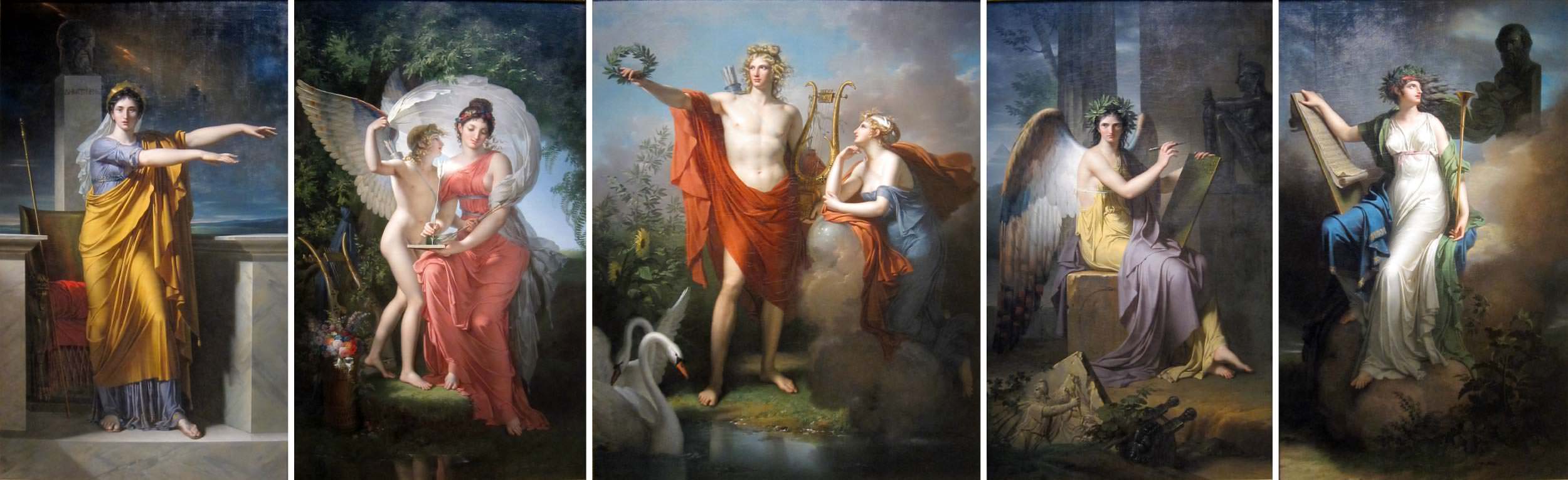
Charles Meynier-Apollo and the Muses
The Muses were a group of nine goddesses in Greek mythology who personified and presided over the realms of inspiration, creativity, and intellectual pursuits.
These divine sisters were the patrons of various artistic and intellectual endeavors, each overseeing a specific domain. Their influence extended far and wide, inspiring mortals to excel in their chosen fields and contribute to the flourishing of Greek culture.
Here is an expanded look at some of the Muses and their respective domains:
Calliope (Epic Poetry): Calliope was the Muse of epic poetry and eloquence. She was often depicted holding a writing tablet or a scroll, symbolizing the recording of great heroic tales. Poets and bards invoked Calliope’s guidance when embarking on the composition of epic poems. Her inspiration was sought for works like Homer’s “Iliad” and “Odyssey.”
Clio (History): Clio was the Muse of history and historical writing. She held a scroll or a book and was responsible for inspiring historians and chroniclers to document the events of the past. Her influence encouraged the recording of historical accounts, ensuring that the deeds of great leaders and civilizations were preserved for future generations.
Terpsichore (Dance): Terpsichore was the Muse of dance and choral singing. She was often depicted holding a lyre, which represented the music and rhythm that accompanied dance. Dancers, choreographers, and musicians invoked Terpsichore’s blessings to create and perform graceful and harmonious dances and musical compositions.
Erato (Lyric Poetry): Erato was the Muse of lyric poetry and love poetry. She was often depicted holding a lyre, symbolizing the intimate connection between music and poetry. Poets and writers turned to Erato for inspiration when crafting verses that expressed love, desire, and the emotions of the heart.
Thalia (Comedy and Idyllic Poetry): Thalia was the Muse of comedy, idyllic poetry, and pastoral arts. She held a comic mask, symbolizing her association with theatrical comedy. Playwrights, poets, and performers sought Thalia’s influence to create lighthearted and humorous works, including comedic plays and poems.
Melpomene (Tragedy): Melpomene was the Muse of tragedy. She held a tragic mask and a club, signifying the serious and often somber nature of tragic drama. Playwrights and dramatists invoked Melpomene’s inspiration to craft emotionally charged and thought-provoking tragedies that explored profound themes.
Polyhymnia (Sacred Poetry and Hymns): Polyhymnia was the Muse of sacred poetry, hymns, and eloquence. She was often portrayed in a contemplative pose, meditating on divine and sacred matters. Priests, hymnists, and religious poets called upon Polyhymnia when composing hymns and sacred verses for religious ceremonies and rituals.
Euterpe (Music and Lyric Poetry): Euterpe is the Muse of music and lyric poetry. She is often shown with a flute, a symbol of her connection to music and the arts.
Urania (Astronomy): Urania is the Muse of astronomy and celestial poetry. She is often shown gazing at the stars and holding a celestial globe or a compass.
These nine Muses collectively represented the diverse facets of artistic and intellectual pursuits in ancient Greece.
Their influence transcended the boundaries of creativity and knowledge, serving as a source of guidance and inspiration for those who sought to excel in their chosen fields, be it poetry, history, dance, or other forms of expression.
The Muses’ enduring legacy continues to remind us of the profound role that inspiration and creativity play in the human experience.
Horae (Seasons) and Moirai (Fates)
In Greek mythology, the Horae and the Moirai were two distinct groups of goddesses who played crucial roles in shaping the course of human life and the order of the cosmos.
Each group had its responsibilities and significance, reflecting the Greeks’ fascination with the passage of time, fate, and the changing of seasons. Here is an expanded exploration of these two groups of goddesses:
The Horae (Seasons)
The Horae, often referred to as the “Hours” in English, were a group of goddesses who personified and regulated the natural seasons and the orderly progression of time. They were typically depicted as graceful and youthful maidens, often with flowers or wreaths in their hair, symbolizing the changing of the seasons. The Horae were divided into three primary categories, each overseeing a different aspect of time and the seasons:
Eunomia (Order or Lawfulness): Eunomia represented good order and governance. She ensured that the seasons followed a predictable and harmonious pattern, which was essential for agricultural cycles and the well-being of society.
Dike (Justice): Dike was the embodiment of justice and moral order. Her presence signified the importance of ethical conduct and the consequences of human actions. She maintained balance and fairness in the natural world.
Eirene (Peace): Eirene personified peace and prosperity. She was associated with the bountiful and peaceful times that followed the successful harvest seasons. Her presence indicated a time of tranquility and plenty.
The Horae were closely connected to agricultural and rural life, as their regulation of the seasons directly affected crop growth, harvests, and the overall well-being of the Greek populace. They represented the cyclical nature of time and the importance of order and harmony in both the natural and human realms.
The Moirai (Fates)
As primordial forces, the Moirai embodied the earliest concepts of destiny and necessity, a theme that resonates through other abstract deities like Ananke.
They were a group of three sisters who held immense power over the destiny and fate of all living beings.
Often depicted as elderly women, stern and unyielding in their determination.
The three primary Moirai were:
Clotho (The Spinner): Clotho was responsible for spinning the thread of life. She determined the beginning of one’s life and the circumstances of their birth. She was depicted spinning the thread on a spindle.
Lachesis (The Allotter): Lachesis determines the length and destiny of an individual’s life. She measured the thread spun by Clotho and assigned the events and experiences that would shape a person’s existence.
Atropos (The Inevitable): Atropos was the cutter of the thread of life. Once Lachesis determined the length of a person’s life, it was Atropos who decided when that life would come to an end. Her shears represented the finality of death.
The Moirai were relentless and impartial in their duties, making them both feared and revered. They symbolized the inevitability of fate and the idea that every living being, including the gods themselves, was subject to the whims of destiny. The Moirai’s presence in Greek mythology underscored the profound philosophical questions surrounding free will, determinism, and the human condition.
In summary, the Horae and the Moirai were integral to Greek mythology, representing the cyclical nature of time, the importance of order, and the inexorable power of fate. Together, they highlighted the complex interplay between human agency and the forces that shape the course of existence.
Personifications
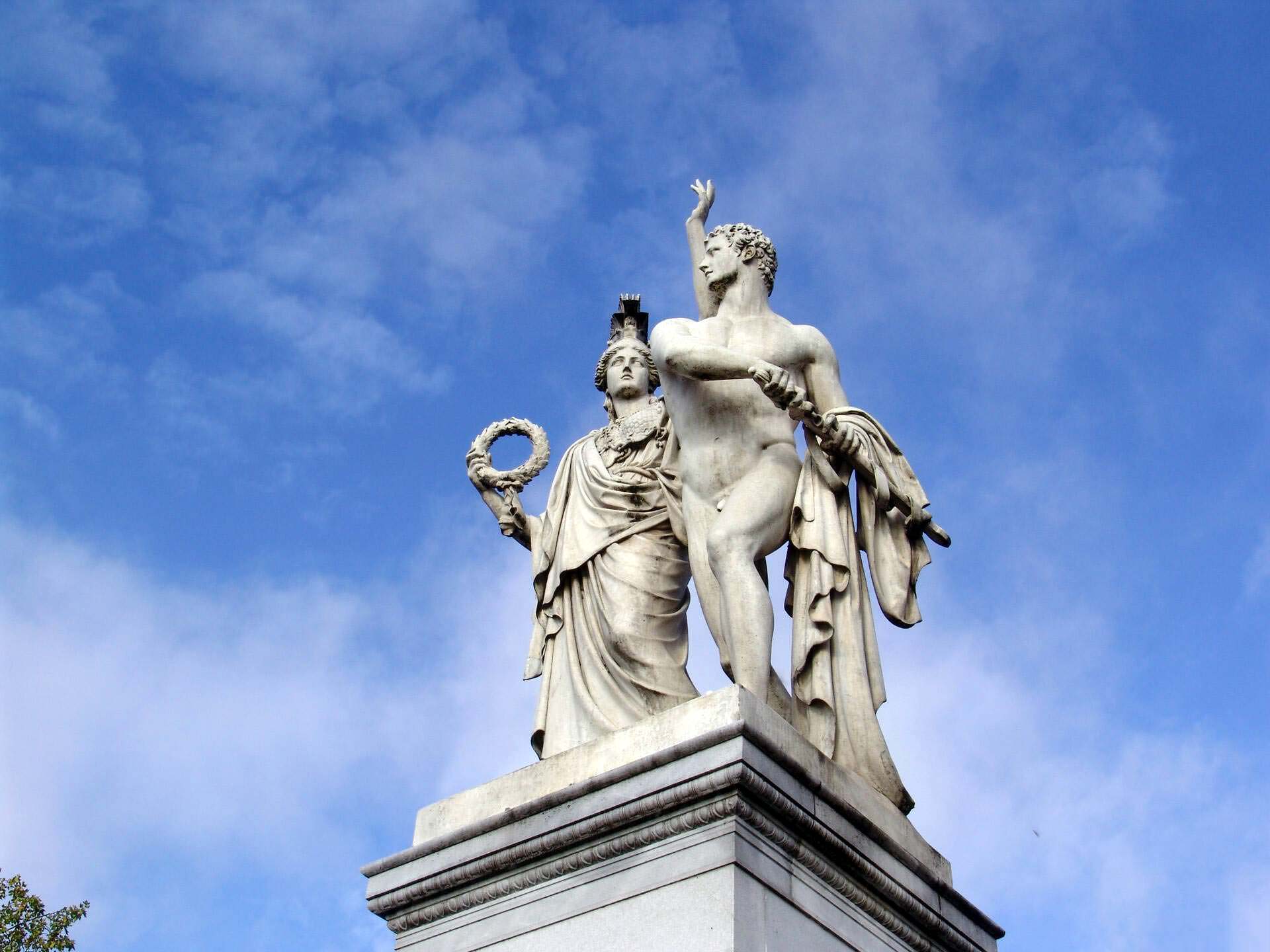
Nike and the wounded
In Greek mythology, a diverse array of deities personified abstract concepts, embodying various aspects of human life and the natural world.
These anthropomorphic representations allowed the ancient Greeks to explore and understand these concepts within the context of their religious and cultural beliefs.
Here is an expanded look at some of these deities who personified abstract concepts:
Nike (Victory): Nike was the winged goddess of victory, often depicted with wings and carrying a laurel wreath or palm branch. She symbolized the triumphant outcome of conflicts, contests, and battles. Nike played a significant role in Greek art and culture, representing not only military victory but also success in sports and competitions.
Eris (Strife): Eris was the goddess of strife and discord. She was often depicted as a troublemaker who sowed chaos and rivalry among gods and mortals. Eris famously initiated the Trojan War by indirectly causing the dispute over the golden apple, which ultimately led to the conflict between the Greeks and the Trojans.
Tyche (Luck): Tyche was the goddess of luck, fortune, and chance. She represented the capricious and unpredictable nature of fate. Tyche was often depicted holding a rudder, symbolizing her influence throughout events. Her worship was particularly popular in Hellenistic times when people sought to invoke her favor in uncertain times.
Nemesis (Retribution): Nemesis was the goddess of retribution and vengeance. She ensured that mortals received their due rewards or punishments for their actions. Nemesis encouraged virtuous behavior by punishing hubris and arrogance. She was often depicted with a measuring rod and scales, emphasizing the concept of balance and justice.
Hedone (Pleasure): Hedone was the goddess of pleasure and enjoyment. She represented the pursuit of sensory and emotional gratification. While not as widely known as some other abstract deities, Hedone played a role in the exploration of human desires and the pursuit of happiness.
Ananke (Necessity): Ananke was the goddess of necessity and inevitability. She personified the concept that certain events and outcomes are inescapable and bound by fate. Ananke’s role highlighted the limitations of mortal free will and the existence of forces beyond human control. Though often discussed among minor or abstract deities, Ananke, like the Moirai, is primordial, embodying the earliest cosmic forces that shaped fate and necessity.
These abstract deities added depth and complexity to the Greek pantheon, allowing the ancient Greeks to explore profound philosophical and moral questions.
They served as reminders of the often unpredictable and uncontrollable aspects of life, encouraging individuals to contemplate the nature of victory, discord, luck, retribution, pleasure, and necessity within the context of their existence.
Through these deities, Greek mythology provided a lens through which people could grapple with the complexities of the human experience and the world around them.
Gods by Function: How the Greek Pantheon Was Really Organized
The idea that Greek mythology hadonly twelve Olympian gods is a modern oversimplification.
The ancient Greeks themselves were flexible, practical, and inconsistent in their approach to divine hierarchies.
While a core group of twelve usually anchored Olympus, many other gods lived on Olympus, attended divine councils, or served essential Olympian functions.
These figures were often fully divine, widely worshipped, and culturally central—yet excluded from the neat number twelve simply because tradition demanded it.
In reality, the Olympians formed a functional system, not a fixed list.
Gods were grouped by what they governed, where they acted, and which major deity they served. Below is a clean, historically grounded restructuring of the Olympian world—how it actually worked.
Functional Orders of Gods
1. Theoi Agoraioi — Gods of Assembly, Law & Civic Life
Presiding over councils, justice, persuasion, and public order:
Zeus – Supreme authority of kings and assemblies
Athena – Wise counsel and strategy
Themis – Divine law and custom
Dike – Justice
Eunomia – Good order
Calliope – Eloquence and epic authority
Hermes – Commerce and negotiation
2. Theoi Gamelioi — Gods of Marriage & Social Bonds
Governing marriage, harmony, persuasion, and fertility:
Hera – Protector of marriage
Zeus – Divine guarantor of unions
Aphrodite – Love and attraction
Harmonia – Unity and concord
Hebe – Youth and renewal
Peitho – Persuasion
Hymenaios – Wedding ritual
Charites (Graces) – Joy and celebration
Erotes – Forces of desire (Eros, Himeros, Pothos)
3. Theoi Mousikoi — Gods of Music, Arts & Education
Presiding over poetry, music, dance, memory, and learning:
Apollo – Music, poetry, leadership of the arts
Artemis – Choral dance and maiden song
The Nine Muses – Artistic inspiration:
Calliope (Epic)
Clio (History)
Erato (Love poetry)
Euterpe (Lyric poetry)
Melpomene (Tragedy)
Polyhymnia (Hymns)
Terpsichore (Dance)
Thalia (Comedy)
Urania (Astronomy)
Hermes – Musical invention
Dionysus – Theater and ecstatic performance
4. Theoi Polemikoi — Gods of War & Conflict
Embodiments of battle, terror, victory, and strategic force:
Ares – Brutal warfare
Athena – Strategic war and defense
Enyo – Destruction
Eris – Strife
Nike – Victory
Phobos – Panic
Deimos – Terror
Zeus – Fate and outcome of wars
Apollo – Archery and plague
5. Theoi Iatrikoi — Gods of Healing & Medicine
Healing deities associated with Apollo:
Apollo – Divine healer
Asclepius – Medicine and physicians
Epione – Soothing pain
Hygeia – Health
Panaceia – Universal remedy
Iaso – Recovery
Aceso – Healing process
Aegle – Radiant health
Telesphorus – Completion of healing
6. Theoi Ktesioi — Gods of House & Home
Protectors of domestic life and property:
Hestia – Hearth and household unity
Zeus Ktesios – Household prosperity
Hermes – Doorways and boundaries
Hecate – Thresholds and entrances
7. Theoi Mantikoi — Gods of Prophecy & Fate
Oracular and prophetic deities:
Apollo – Oracles and seers
Zeus – Fate and destiny
Themis – Prophetic law
Mnemosyne – Sacred memory
Dione – Oracle of Dodona
Hermes – Divination and signs
Pan & Nymphs – Rustic prophecy
8. Theoi Gymnastikoi — Gods of Athletics & the Games
Patrons of strength, competition, and victory:
Hermes – Training and agility
Heracles – Strength and heroic effort
Dioscuri (Castor & Polydeuces) – Horsemen and athletes
Nike – Victory
Agon – Contest
Eros – Comradeship
9. Theoi Halioi — Gods of Sea & Navigation
Maritime gods connected to Olympus:
Poseidon – King of the Sea
Apollo – Safe voyages
Aphrodite – Harbors and calm seas
Artemis – Coastal protection
Dioscuri – Sailor salvation
10. Theoi Nomioi — Gods of the Countryside
Rural life, herding, hunting, and wild nature:
Artemis – Hunting
Hermes – Herds and flocks
Dionysus – Wild vegetation
Note on Divine Domains: In Greek mythology, gods were not limited to a single role or category. Many deities operated across multiple spheres—religious, civic, natural, and cosmic—depending on context, cult practice, and myth. These categories reflect functions, not rigid boundaries, and a single god could belong to several groups at once.
The Reality of Olympus
Olympus was not a parliament with fixed seats—it was a living religious system. Gods gained or lost prominence depending on local cults, political needs, and mythic tradition. The Twelve were symbolic anchors, not a closed club.
Understanding the Olympians means understanding function, worship, and role, not counting chairs.
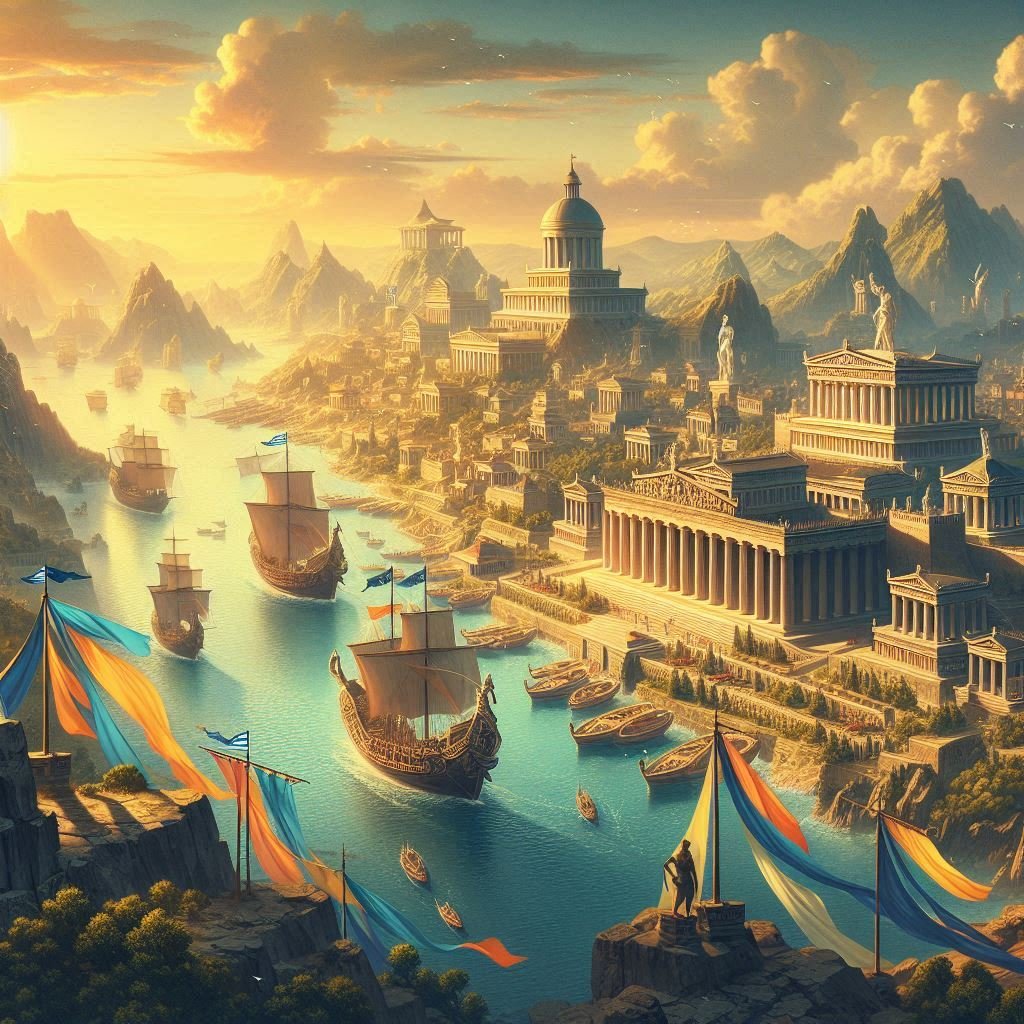
In the age of heroes and gods, when Olympus watched over mortals with both curiosity and mischief, a single golden apple would change the fate of the world.
It all began at the wedding of Peleus, a mortal king, and Thetis, a sea goddess.
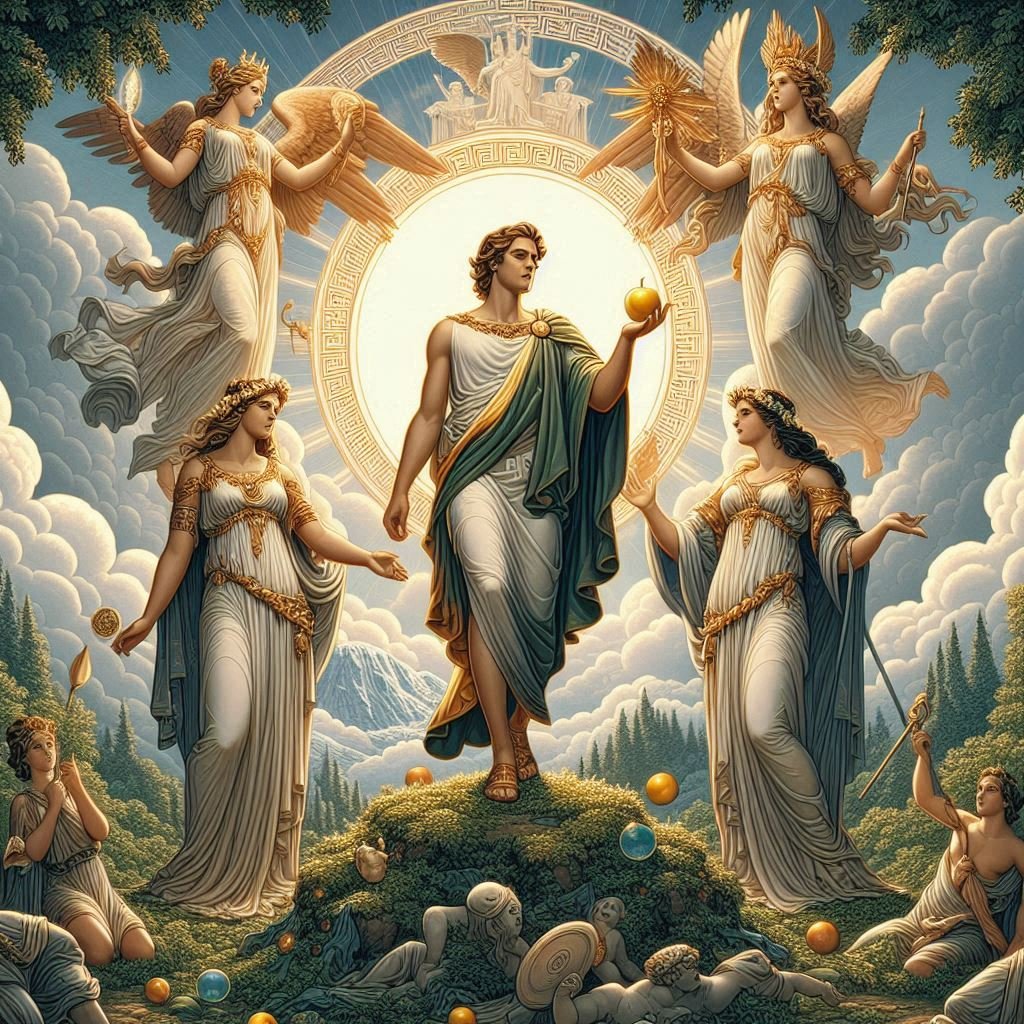
Every deity was invited — except one: Eris, the goddess of discord. Angered by the slight, she tossed a golden apple into the midst of the celebration, inscribed with the words: “To the fairest.”
Immediately, three goddesses stepped forward claiming the prize.
Hera, queen of the gods, boasted of her power and dominion.
Athena, goddess of wisdom and war, promised strategic skill and victory to the one who chose her.
And Aphrodite, goddess of love and desire, whispered the promise of the most beautiful and desired woman in the world.
The gods themselves could not settle the dispute, so the decision fell to a mortal: Paris, the young prince of Troy, renowned for his fairness and judgment.
Paris was faced with a nearly impossible choice. Each goddess presented her case with grandeur.
Hera tempted him with the might to rule all lands and kingdoms.
Athena offered him the glory of victory in war, wisdom beyond measure, and fame among heroes.
Aphrodite, meanwhile, appealed to his heart rather than ambition, promising him Helen of Sparta, whose beauty was legendary even among mortals.
Troy
Guided by desire rather than duty or wisdom, Paris awarded the golden apple to Aphrodite.
This simple act of favoritism, born of human longing and divine temptation, set in motion a chain of events that would engulf the world in war.
For Helen, promised to Paris by Aphrodite, was already married to Menelaus, king of Sparta.
Her abduction — or, in some accounts, elopement — ignited the Trojan War, drawing heroes and armies from across Greece to lay siege to Troy.
Paris’ choice reminds us that even small actions, driven by vanity, love, or desire, can have consequences beyond imagination.
The Judgment of Paris is not just a story about beauty or temptation — it is a tale of destiny, pride, and the delicate balance between mortal choice and divine influence.
It teaches that in the world of gods and men, even the fairest decision can carry the heaviest weight.
And so, the young prince who judged beauty over wisdom became a central figure in one of the most legendary conflicts of mythology, proving that love, desire, and human choice are forces as mighty as any sword or army.
Alright, folks, gather ’round for a myth that proves one thing loud and clear: even gods can get hopelessly friend-zoned.
And when a love-struck Olympian goes chasing after a nymph who wants absolutely none of it, you get a story that’s equal parts romantic tragedy and ancient Greek chaos. Welcome to the drama of Apollo and Daphne.
So, picture this. Apollo, the golden boy of the gods — literally. God of music, poetry, prophecy, sunlight… basically the guy who wins every category at the Divine Awards Gala.
He’s riding high after roasting the Python at Delphi, chest pumped, ego on fire. The guy is glowing with victory and maybe a bit too full of himself.
Enter Eros — tiny, winged, armed with arrows Eros. Apollo, in peak smug mode, decides to mock him: “Hey kid, maybe stick to playing with toys instead of shooting love arrows, yeah?” Big mistake. Huge. Because if there’s one thing Eros does well, it’s revenge. Petty, poetic revenge.
So Eros draws two arrows:
One gold, which sparks irresistible love.
One lead, which sparks “absolutely not, get away from me.”
He shoots Apollo with the gold one — boom, instant obsession.
He shoots Daphne, a gorgeous river nymph and daughter of the river god Peneus, with the lead one — boom, instant “ugh, men.”
Apollo sees Daphne and immediately turns into the divine version of a guy writing poetry in your DMs at 3 a.m. Daphne, meanwhile, wants nothing to do with romance. She’s sworn herself to a life of freedom, forests, and zero boyfriends. Basically the ancient Greek CEO of the No-Thanks-I’m-Good Club.
But Apollo is in full pursuit mode. He’s running after her through the woods, declaring love, playing the world’s most desperate soundtrack on his lyre, and Daphne is sprinting like her life depends on it — because honestly, in myth terms, it kind of does.
Daphne transformed into a tree
And when she realizes she can’t outrun him, she pulls the ultimate move: she begs her father, Peneus, to save her. He does — in a way only Greek mythology would consider a solution.
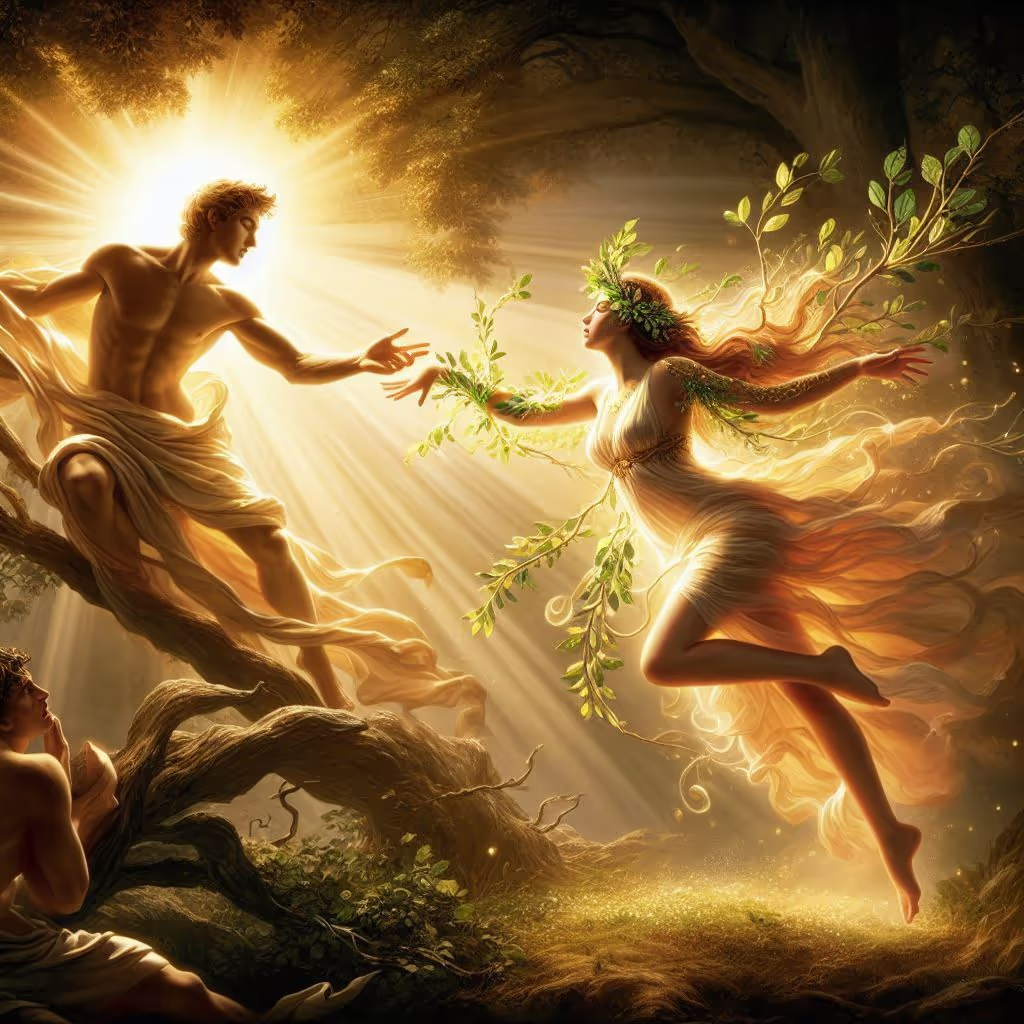
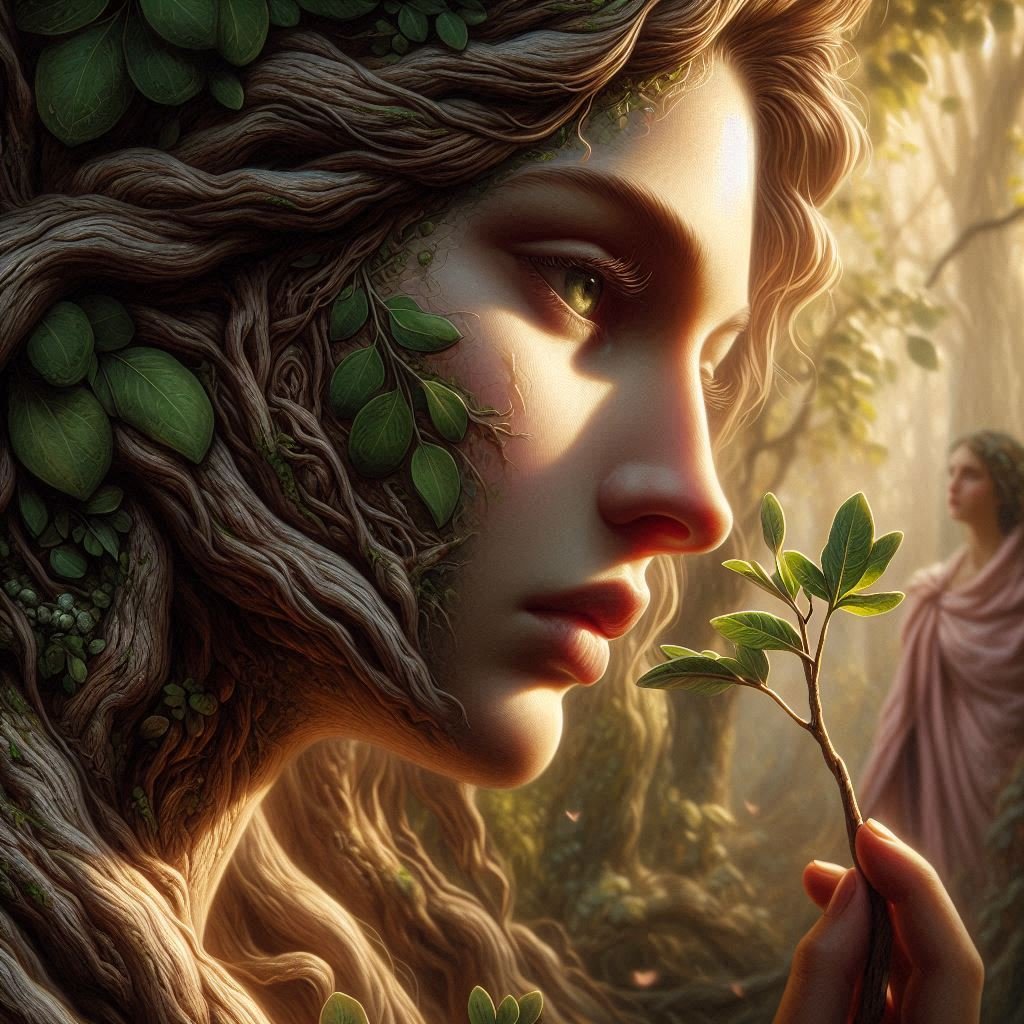
Right as Apollo is about to catch her, Daphne transforms. Her feet root into the ground, her arms stretch into branches, her skin turns to bark, and leaves burst from her fingertips. In seconds, she’s a laurel tree, silent, still, and unreachable forever.
Apollo arrives just in time to watch the woman he loves turn into a plant.
Devastated, he does what mythic men do best: makes it symbolic. He swears the laurel will be his sacred tree.
Victors will wear laurel crowns, poets and heroes will be honored with its leaves. It’s a promise, a tribute, and a bittersweet attempt at holding onto someone who never wanted to be held.
So in the end, Apollo gets his laurel — but not his love. And Daphne escapes Apollo’s chase — but loses her human form in the bargain.
It’s a story about desire, boundaries, obsession, and how sometimes the only way to get your freedom is to become something entirely new.
Daphne and Apollo: a myth that proves love arrows should come with warning labels — and that sometimes the tree has better boundaries than the god.
The myths of Prometheus and Pandora are often told separately, but in Greek tradition, they’re two parts of the same story: the gift of fire, the anger of Zeus, and the consequences humanity had to face. Their tales run in parallel, and together they explain how both human progress and human suffering entered the world.
Prometheus: The Firebringer
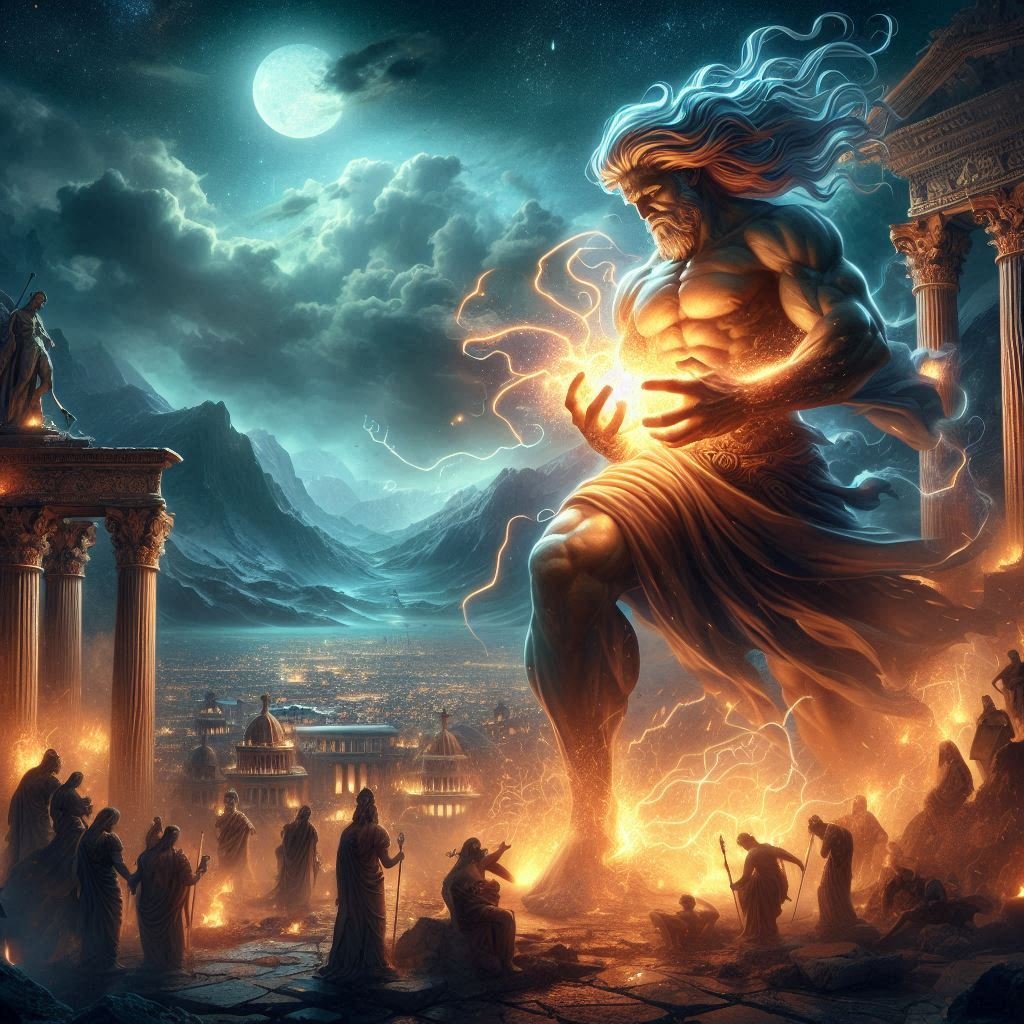
Prometheus, a Titan known for his cleverness and sympathy for humankind, looked down at the early mortals struggling in darkness and decided they deserved better. Defying Zeus, he stole the sacred fire from Olympus and delivered it to humanity.
With fire came warmth, light, craftsmanship, and the beginning of civilization itself.
Zeus, furious at this act of rebellion, punished Prometheus by chaining him to a remote rock where an eagle devoured his liver each day — only for it to regenerate so the torment could continue endlessly.
Pandora: Zeus’ Countermeasure
While Prometheus was being punished, Zeus also prepared a “gift” for mankind. He ordered Hephaestus to create the first woman, Pandora, and had the gods bestow her with beauty, charm, and curiosity. She was sent to Prometheus’ brother, Epimetheus.
Though Prometheus had warned his brother not to accept any gifts from Zeus, Epimetheus ignored the warning and welcomed Pandora into his home. There, Pandora encountered a sealed jar (misnamed “box” in later tradition) that she ultimately opened.
From it escaped all the hardships and sorrows that plague humanity — disease, toil, grief, and countless misfortunes. Only Hope remained inside.
Pandora opened the box
How Their Stories Connect
Prometheus’s defiance triggered Zeus’s retaliation. Pandora was the direct consequence of Prometheus’ theft of fire:
Prometheus gives humanity fire → Zeus retaliates.
Prometheus is punished individually → Pandora becomes the punishment for mankind.
Their myths form a single arc explaining why:
Humans gained knowledge and progress (the fire), and humans inherited suffering (the jar).
In Short
Prometheus gives humans the power to rise; Pandora introduces the struggles that define the human condition. Their tales are inseparable — two halves of the same mythological explanation for why life contains both ingenuity and hardship.
Contains information related to marketing campaigns of the user. These are shared with Google AdWords / Google Ads when the Google Ads and Google Analytics accounts are linked together.
90 days
__utma
ID used to identify users and sessions
2 years after last activity
__utmt
Used to monitor number of Google Analytics server requests
10 minutes
__utmb
Used to distinguish new sessions and visits. This cookie is set when the GA.js javascript library is loaded and there is no existing __utmb cookie. The cookie is updated every time data is sent to the Google Analytics server.
30 minutes after last activity
__utmc
Used only with old Urchin versions of Google Analytics and not with GA.js. Was used to distinguish between new sessions and visits at the end of a session.
End of session (browser)
__utmz
Contains information about the traffic source or campaign that directed user to the website. The cookie is set when the GA.js javascript is loaded and updated when data is sent to the Google Anaytics server
6 months after last activity
__utmv
Contains custom information set by the web developer via the _setCustomVar method in Google Analytics. This cookie is updated every time new data is sent to the Google Analytics server.
2 years after last activity
__utmx
Used to determine whether a user is included in an A / B or Multivariate test.
18 months
_ga
ID used to identify users
2 years
_gali
Used by Google Analytics to determine which links on a page are being clicked
30 seconds
_ga_
ID used to identify users
2 years
_gid
ID used to identify users for 24 hours after last activity
24 hours
_gat
Used to monitor number of Google Analytics server requests when using Google Tag Manager