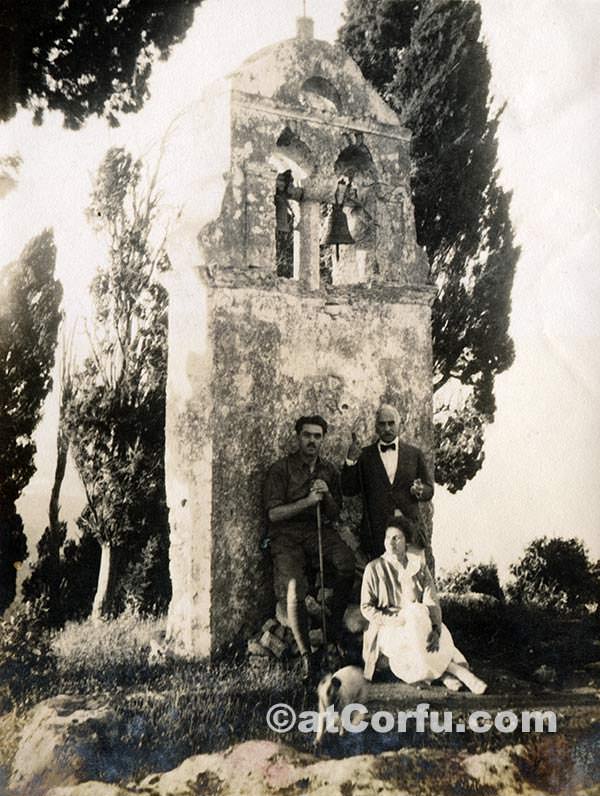
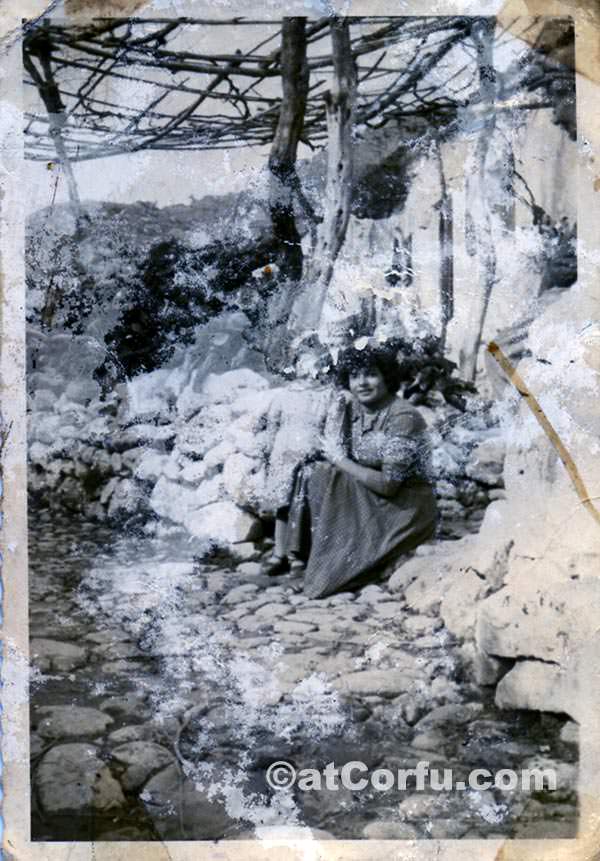
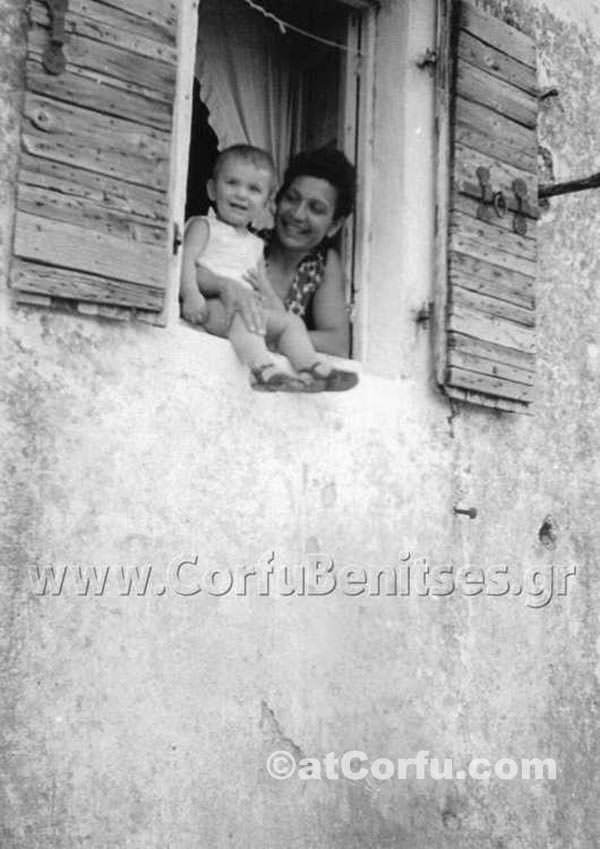
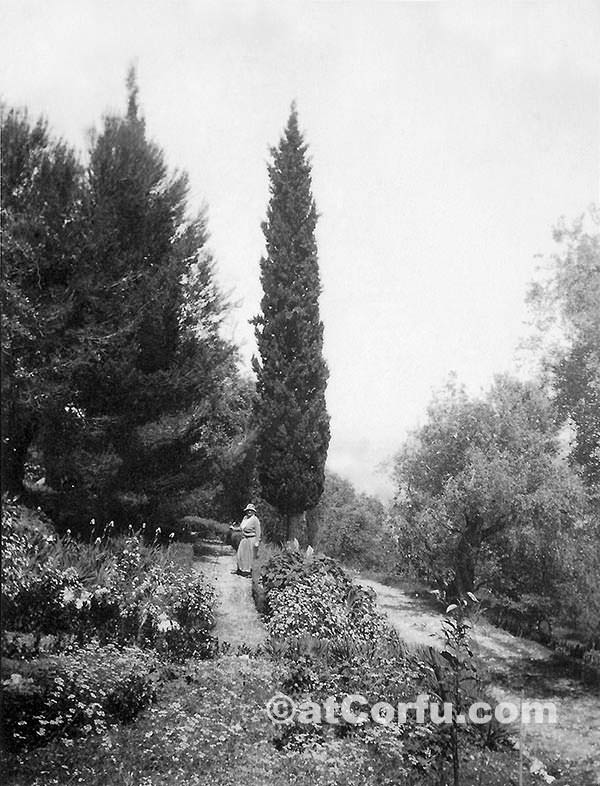
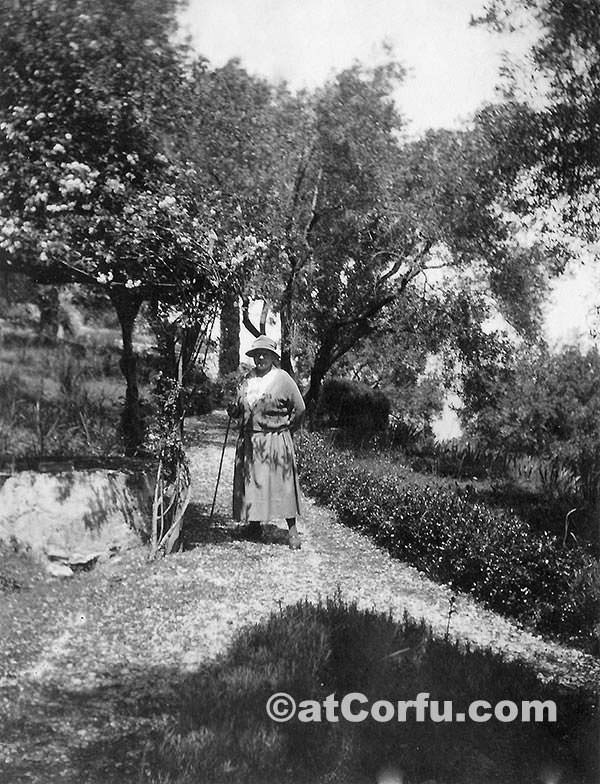
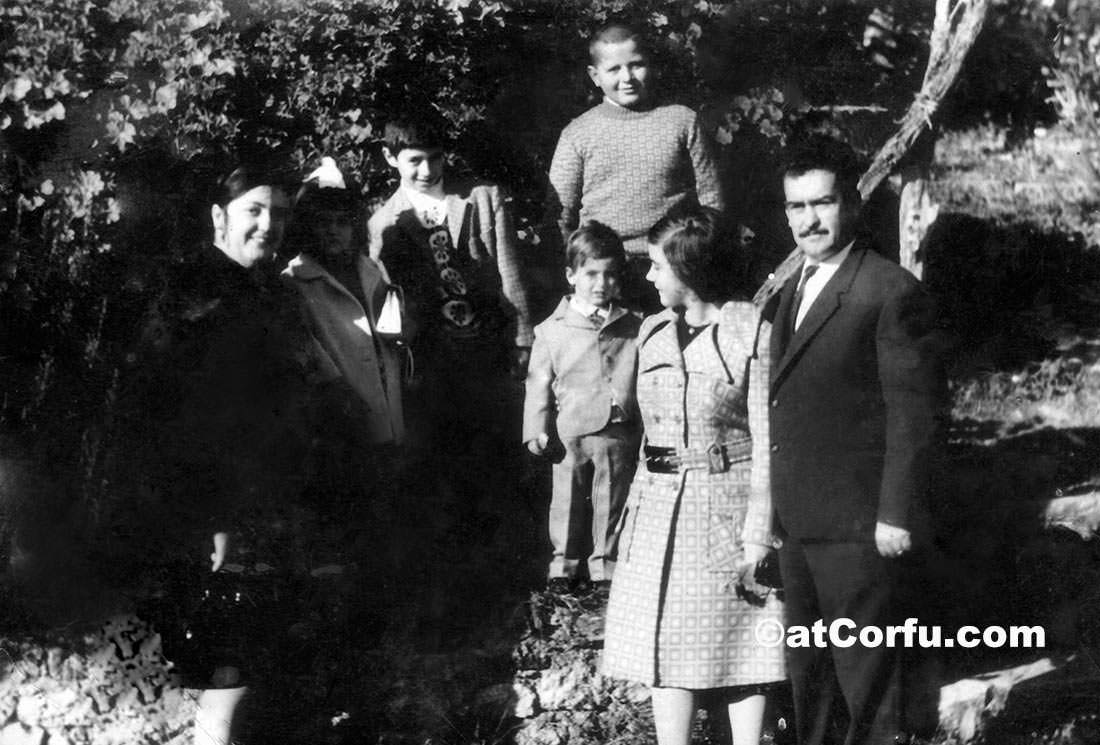
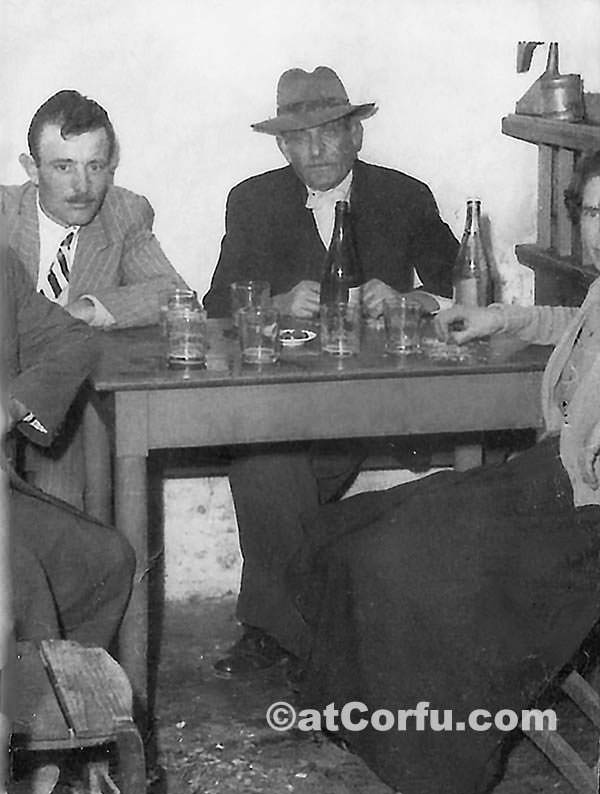
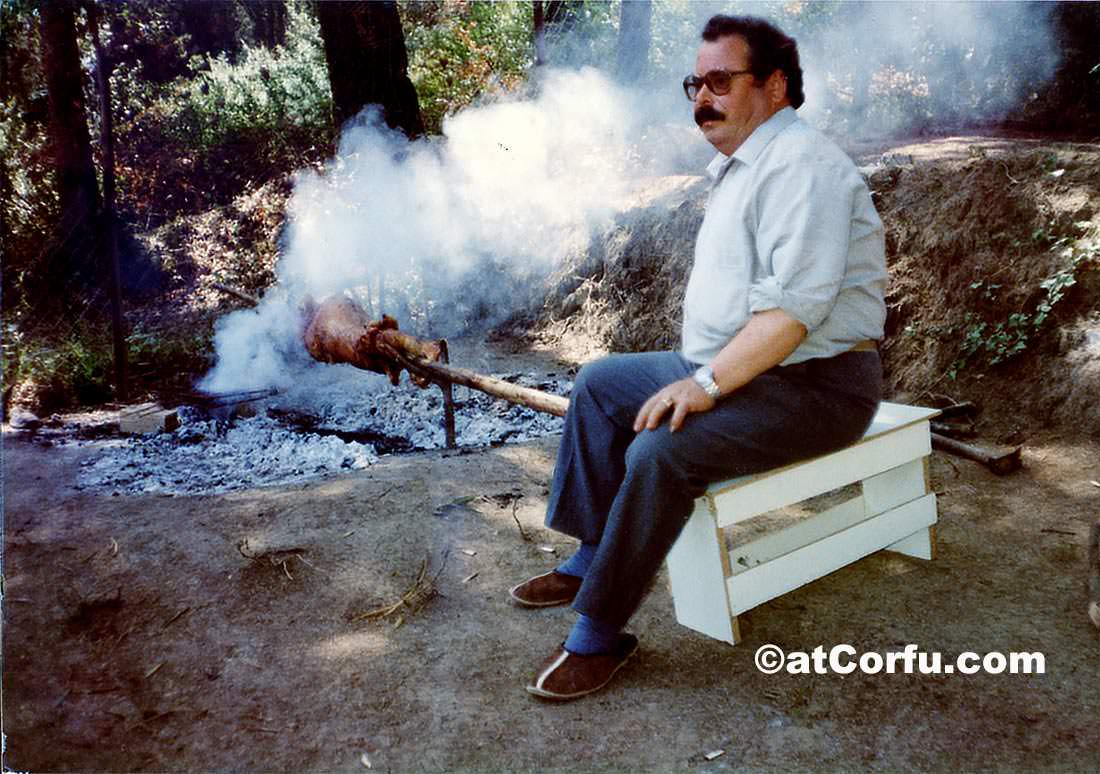
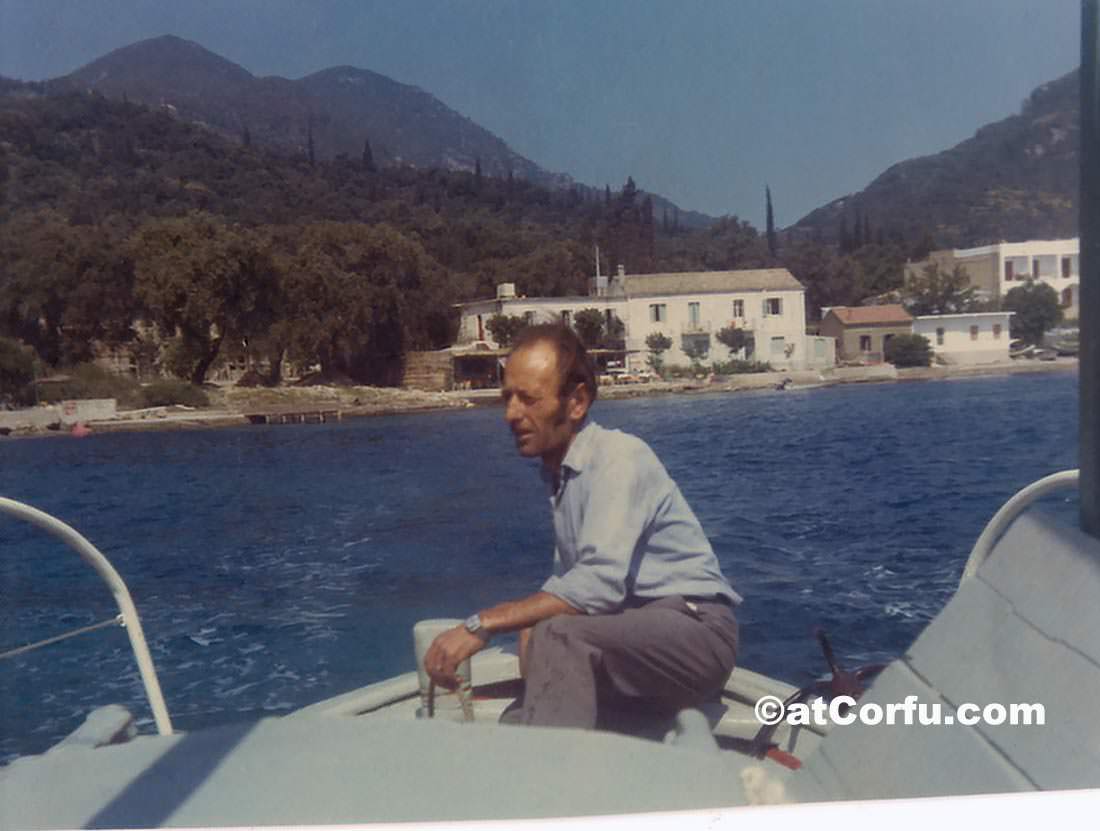
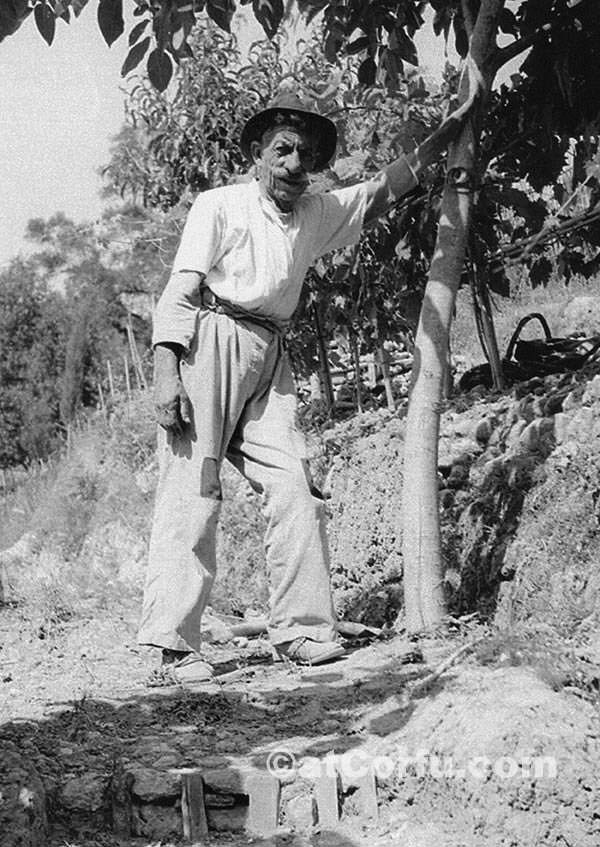
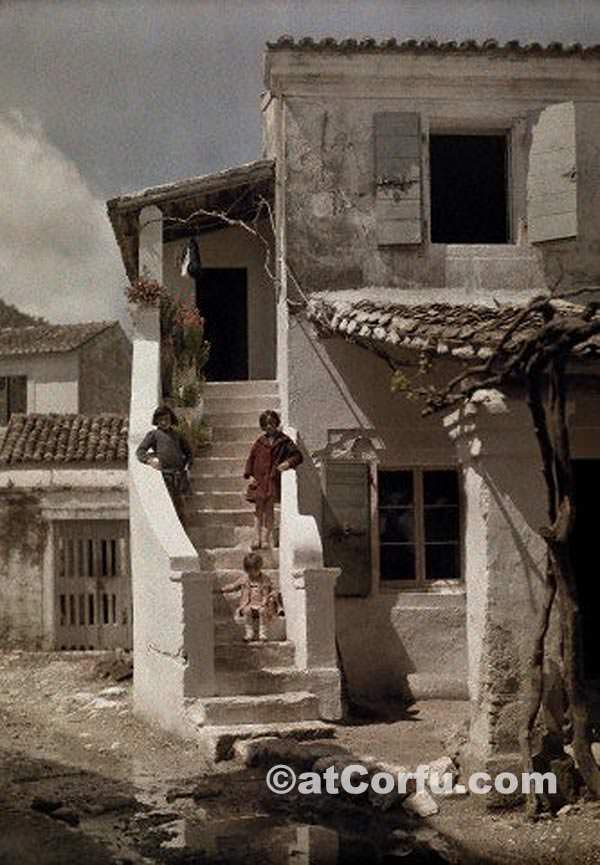
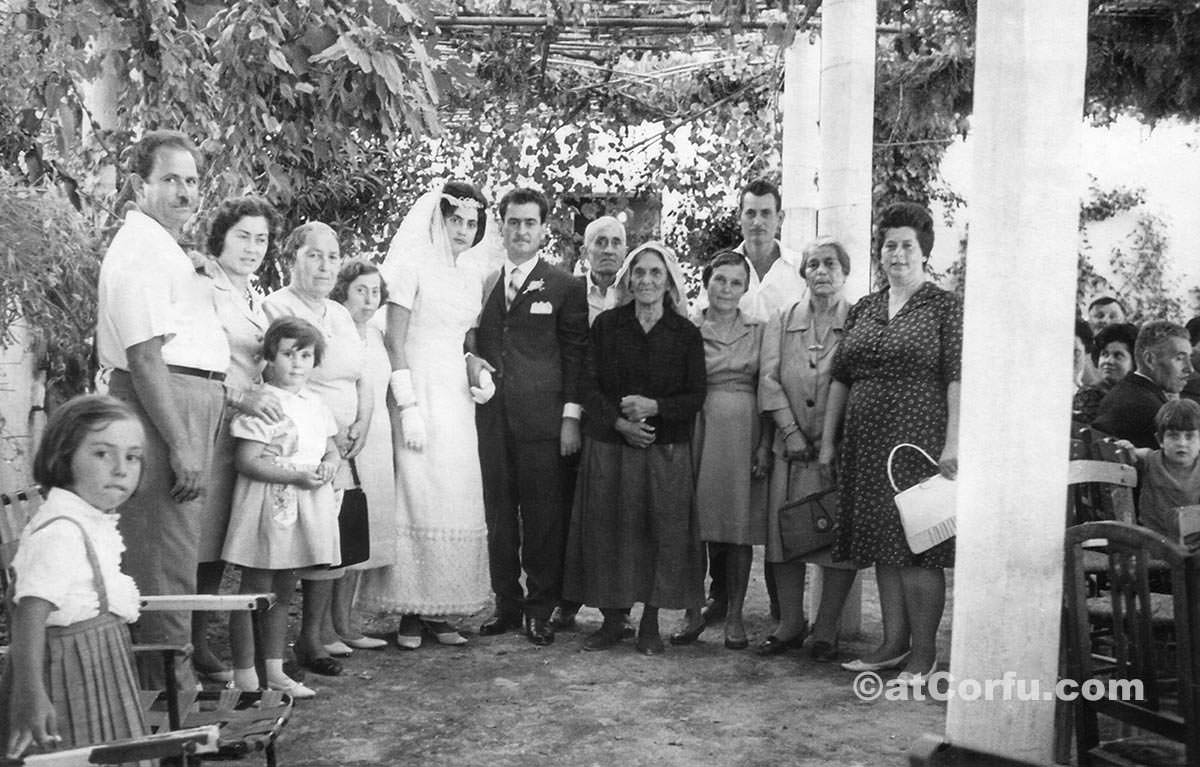
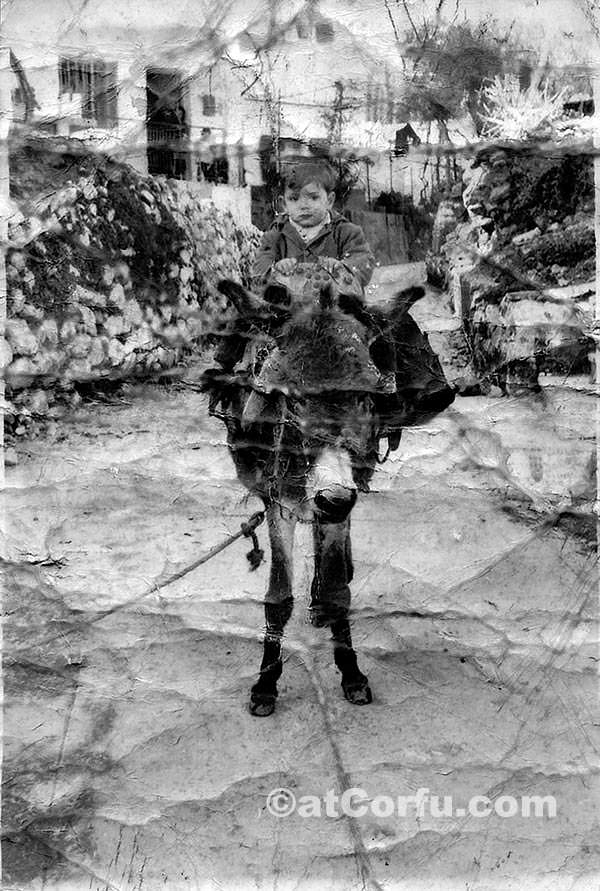
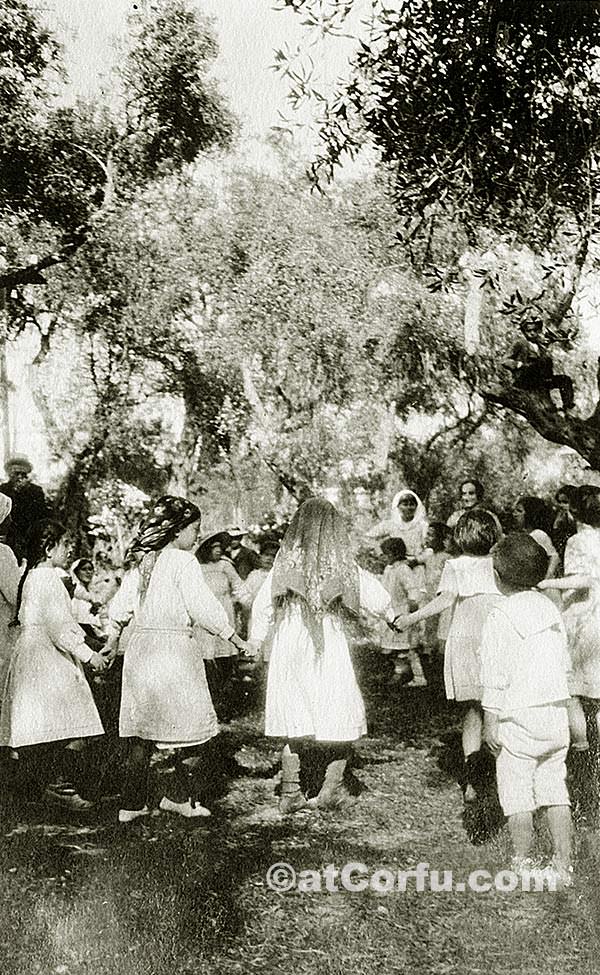
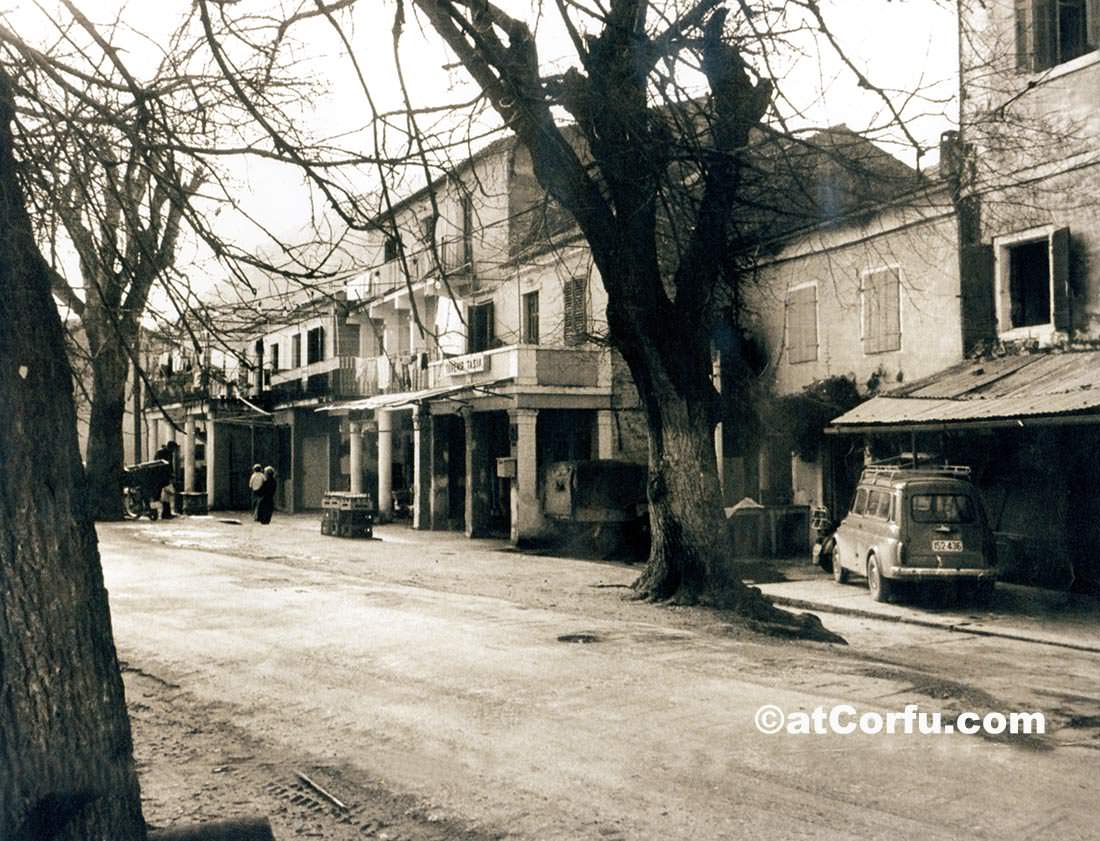
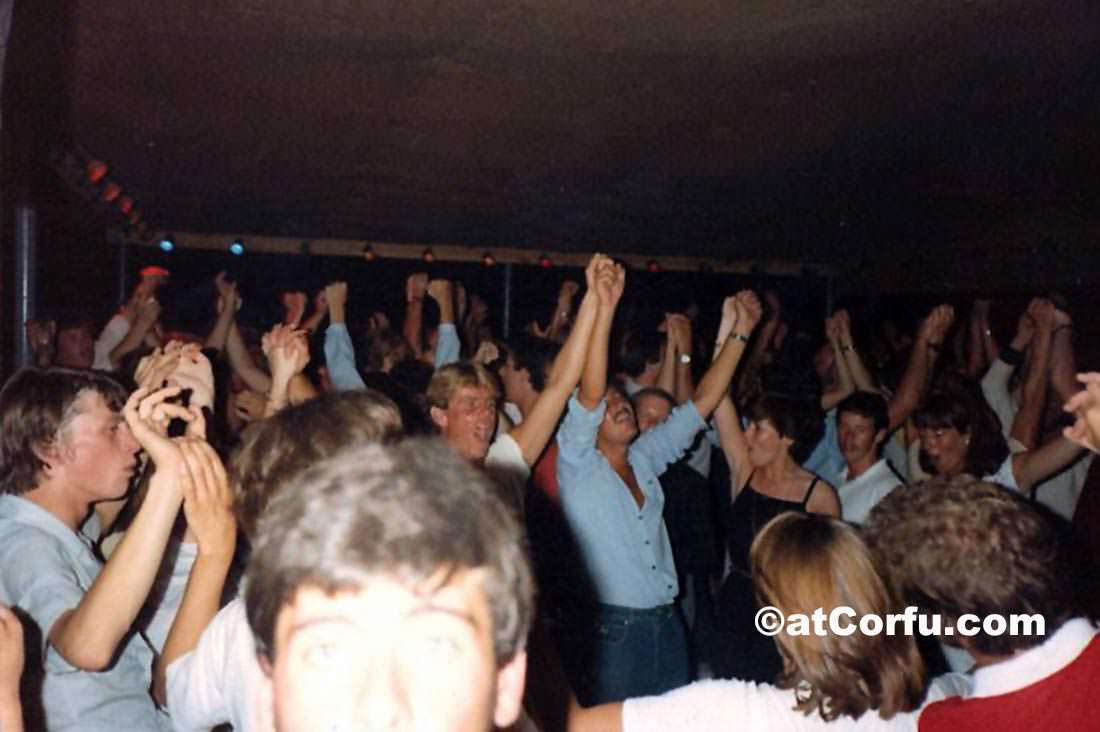
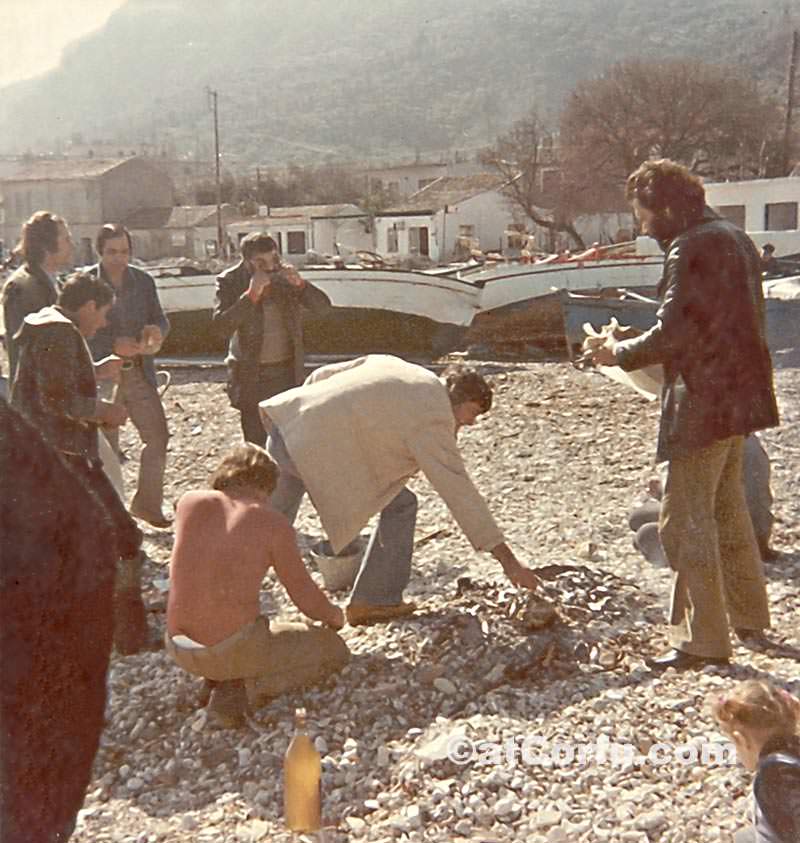
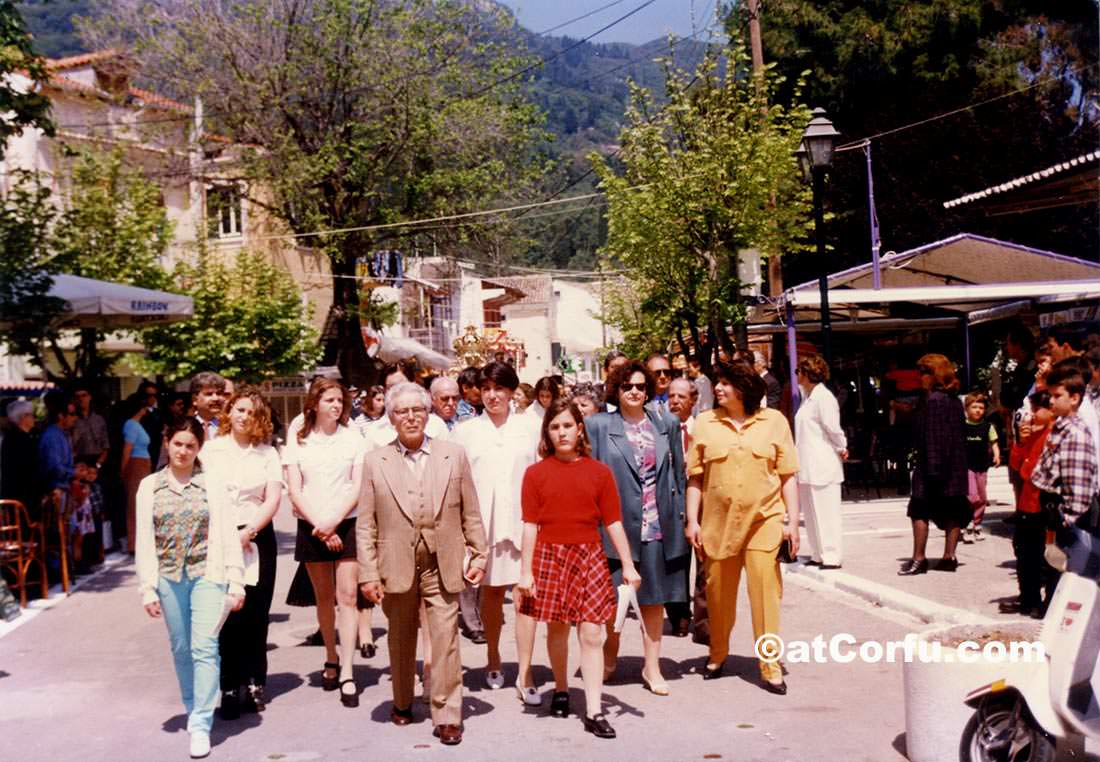
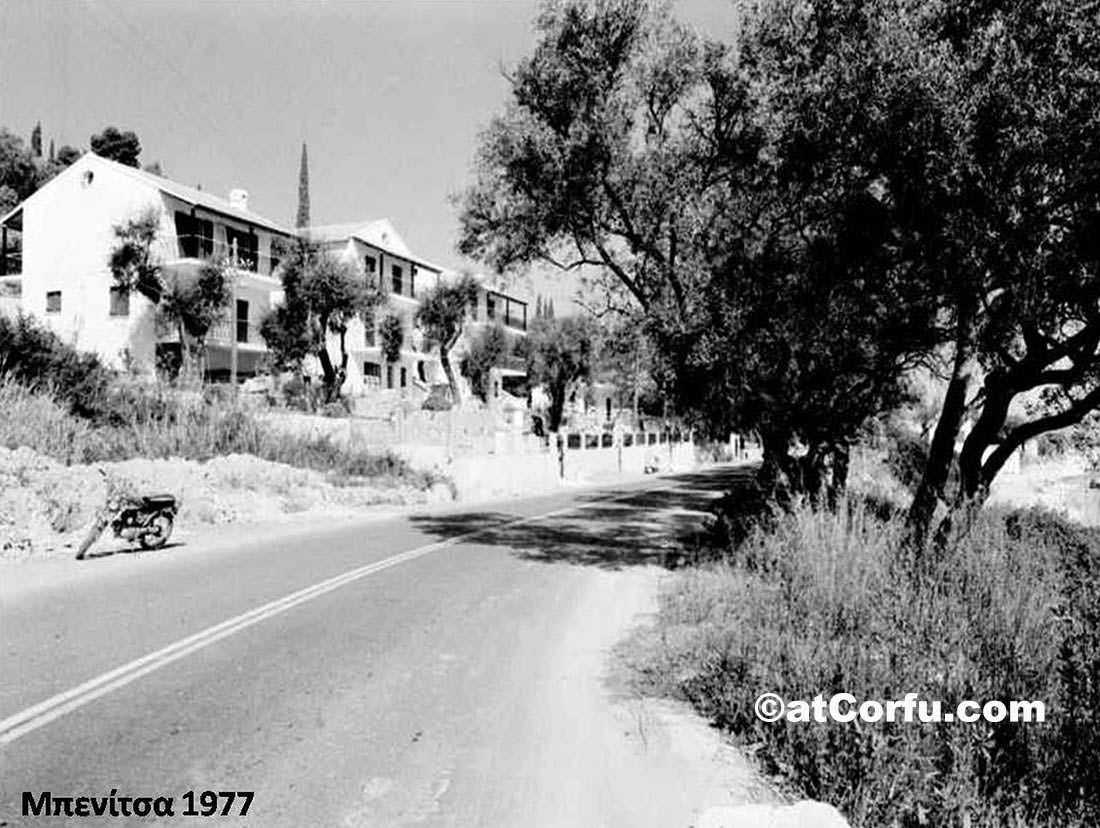
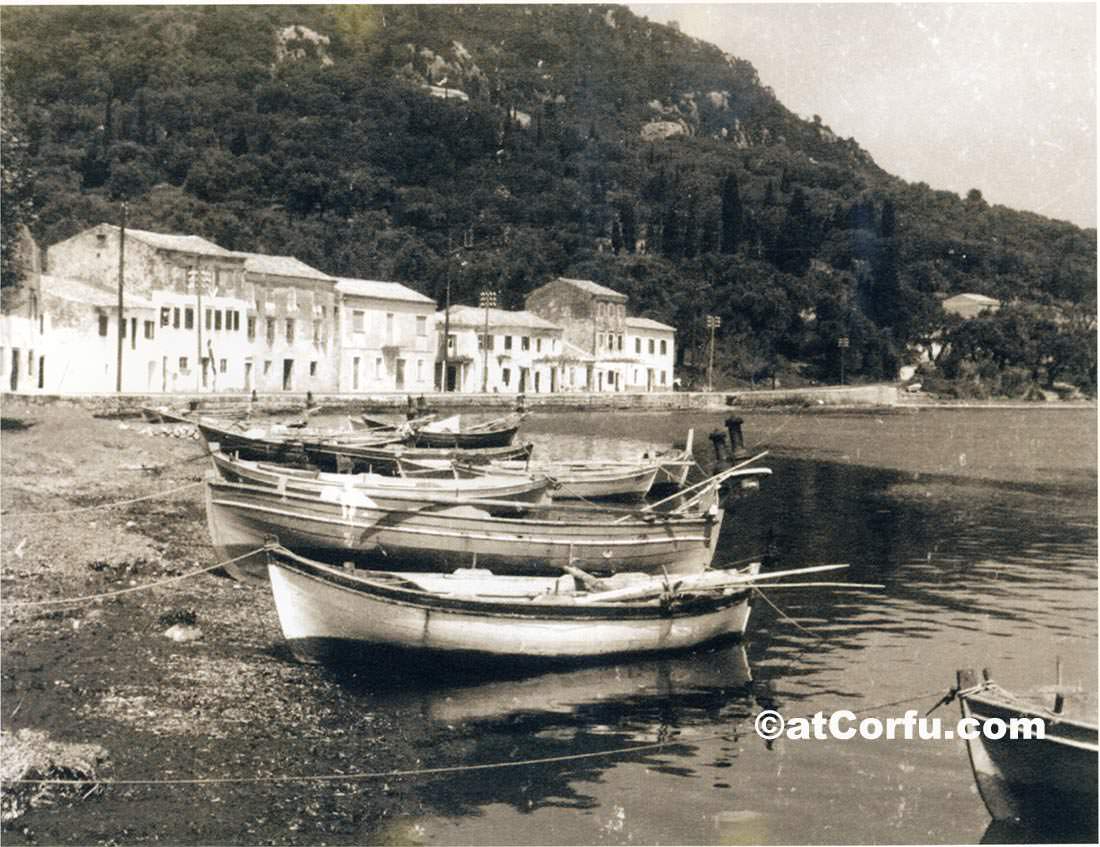
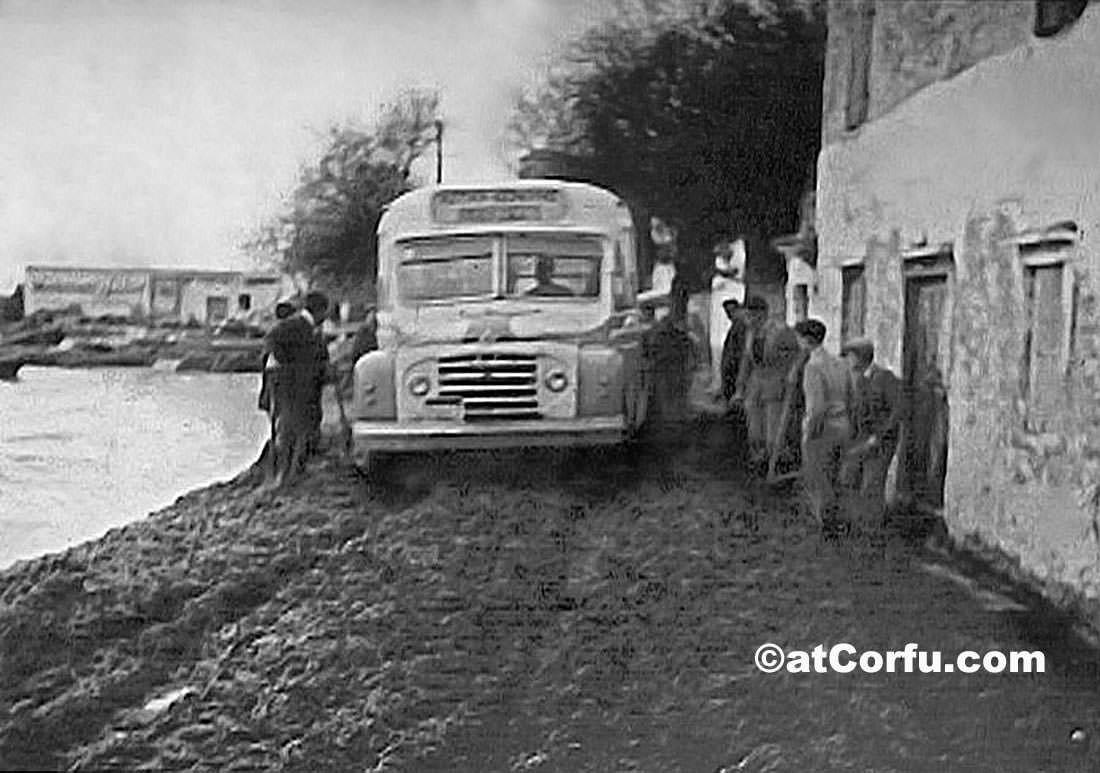
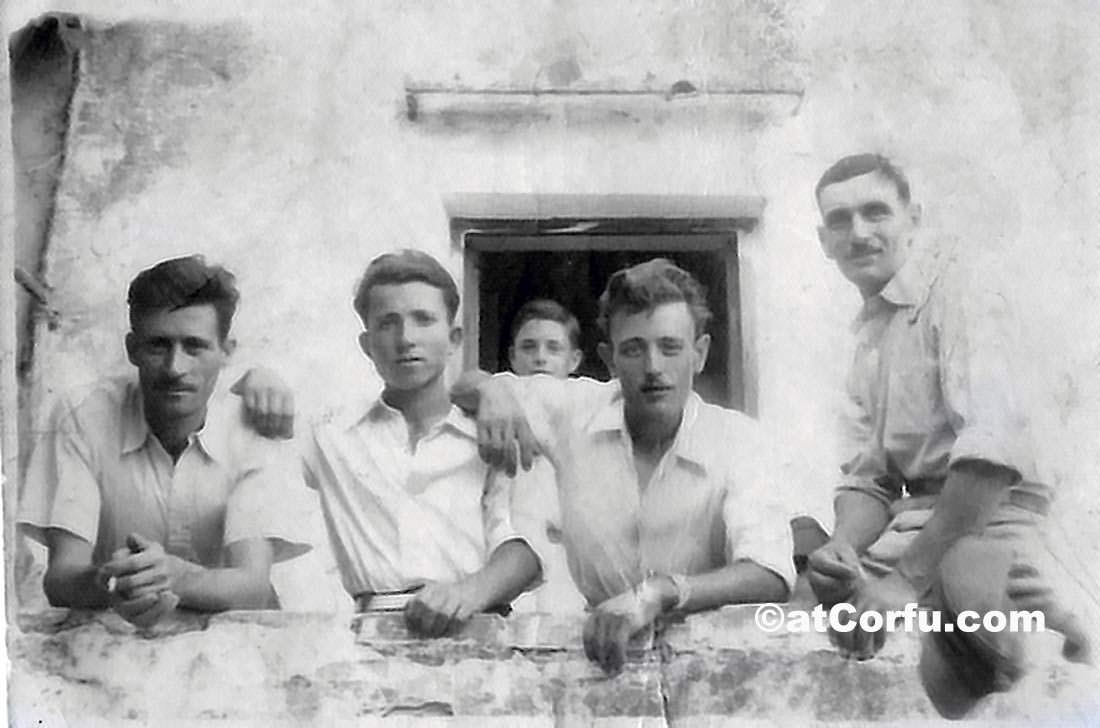
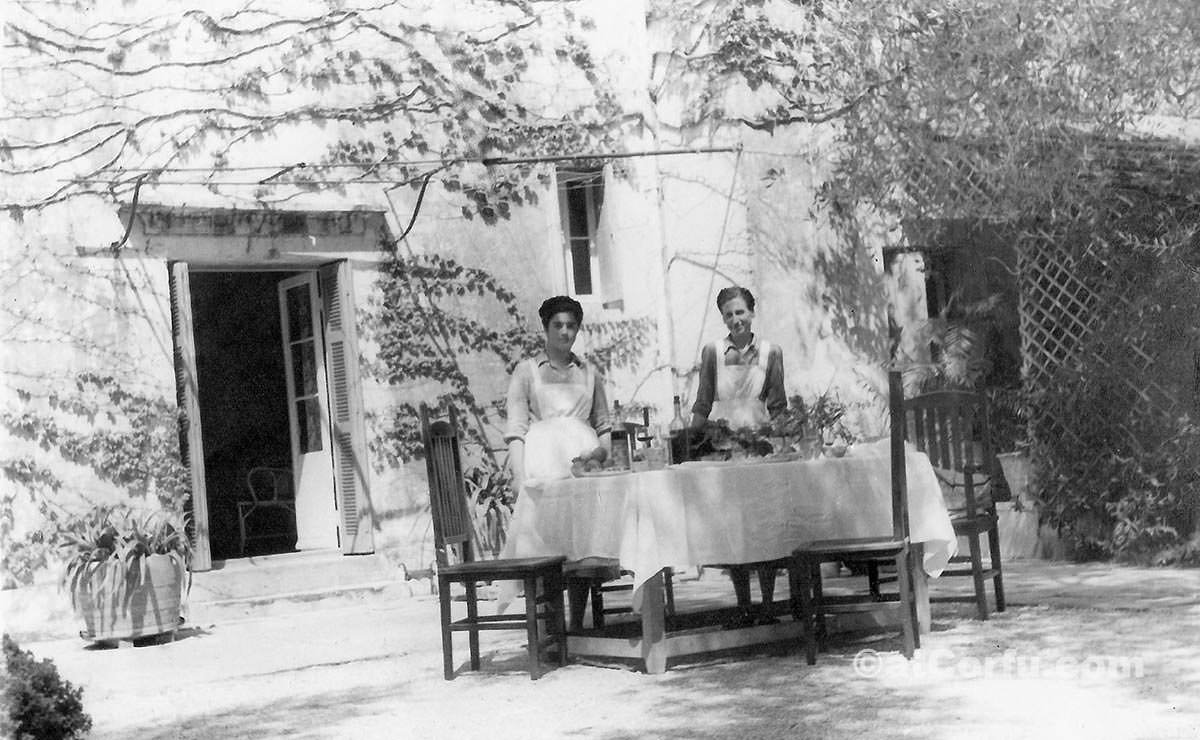
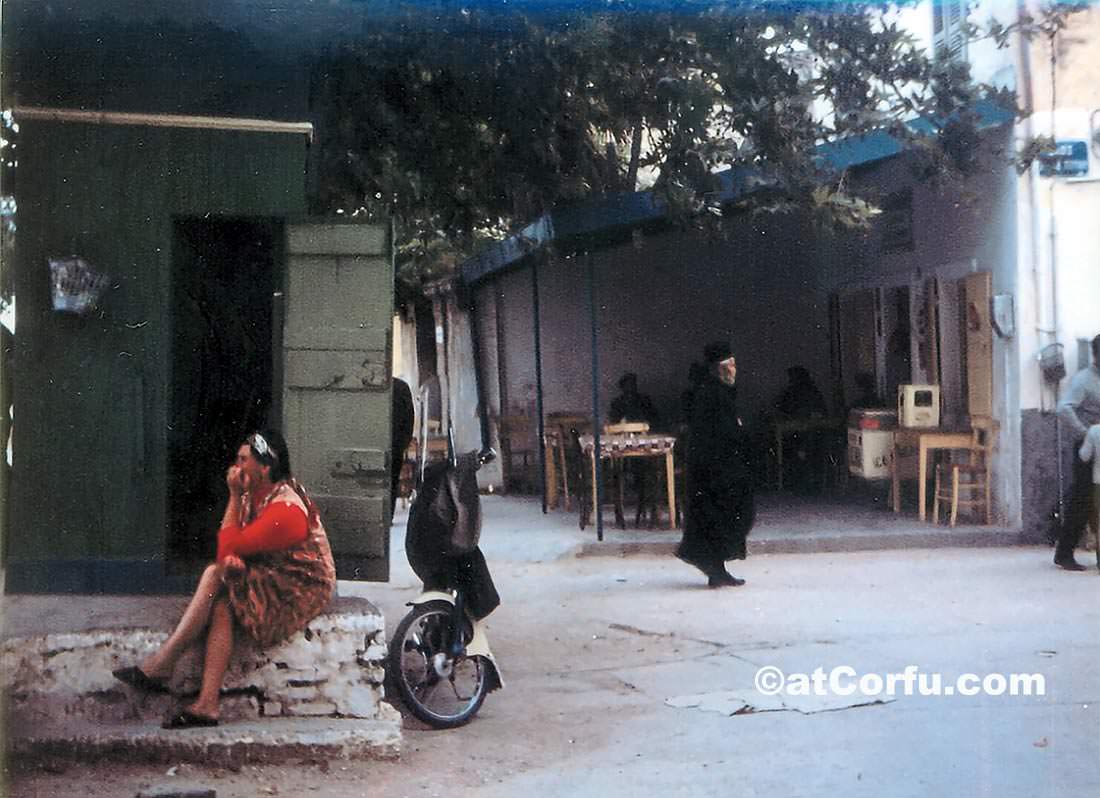
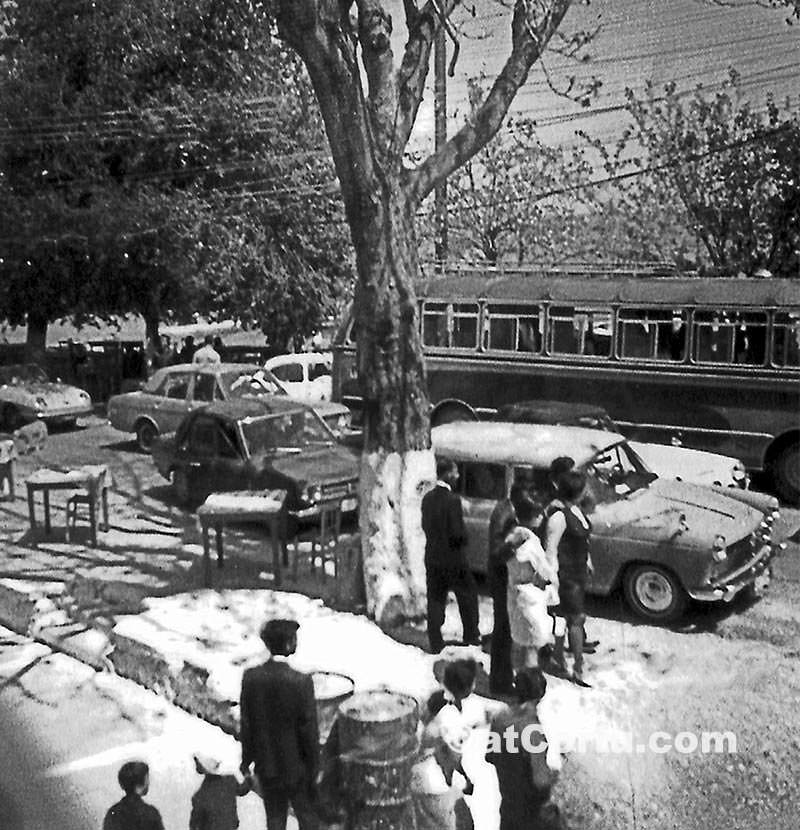
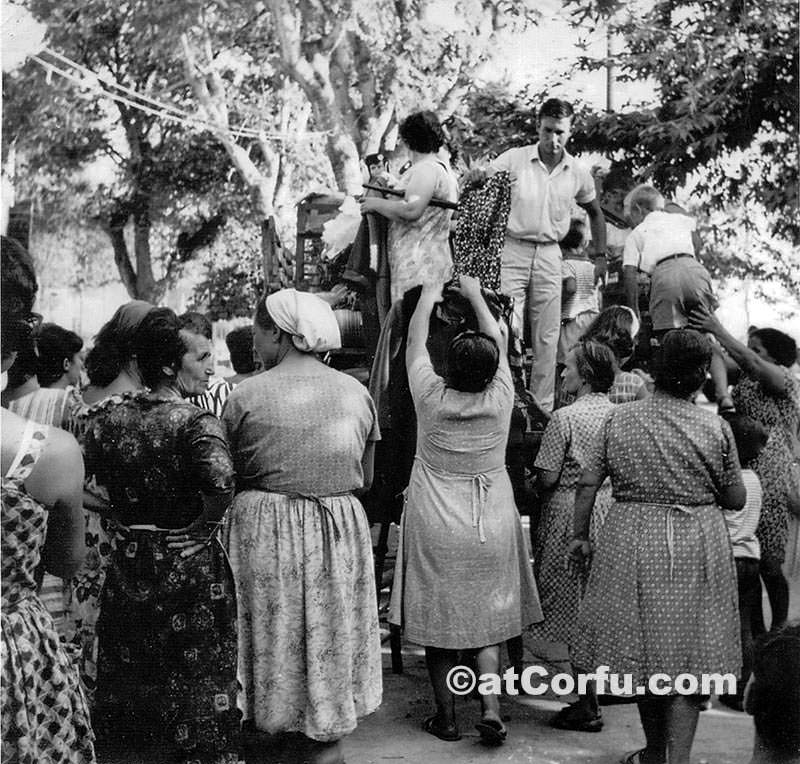
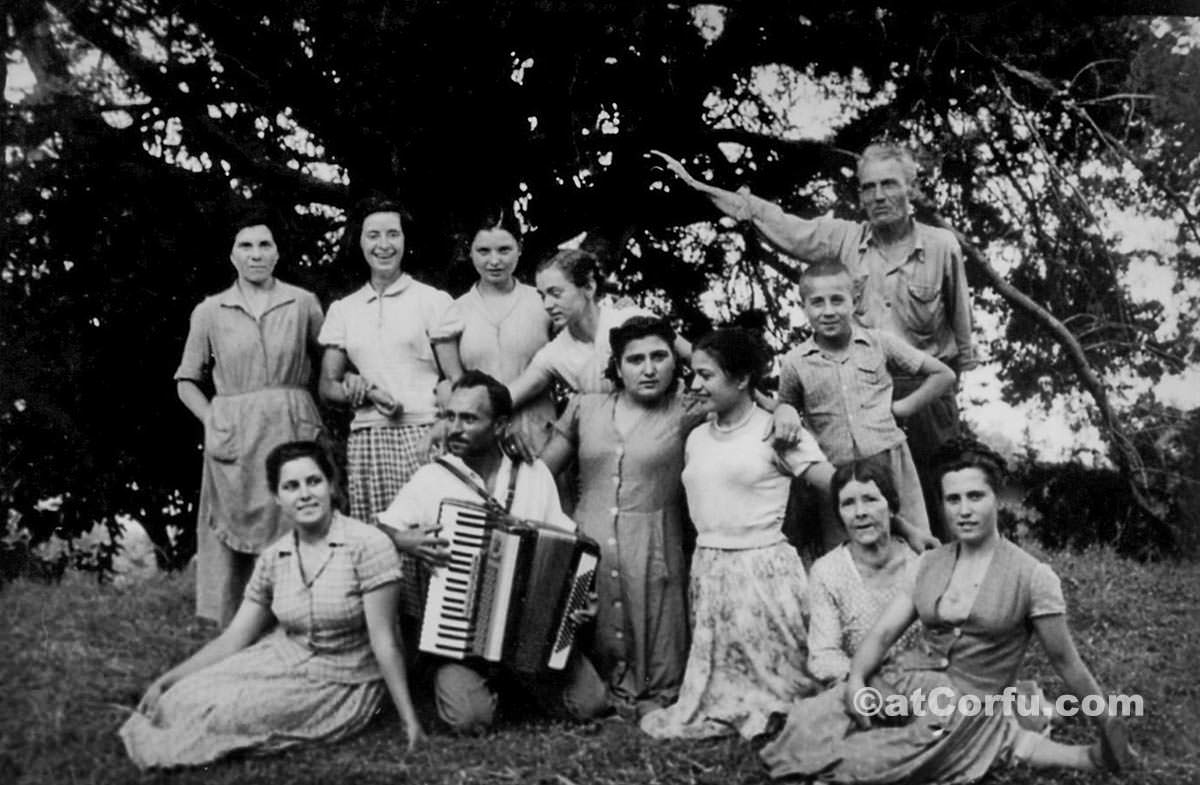
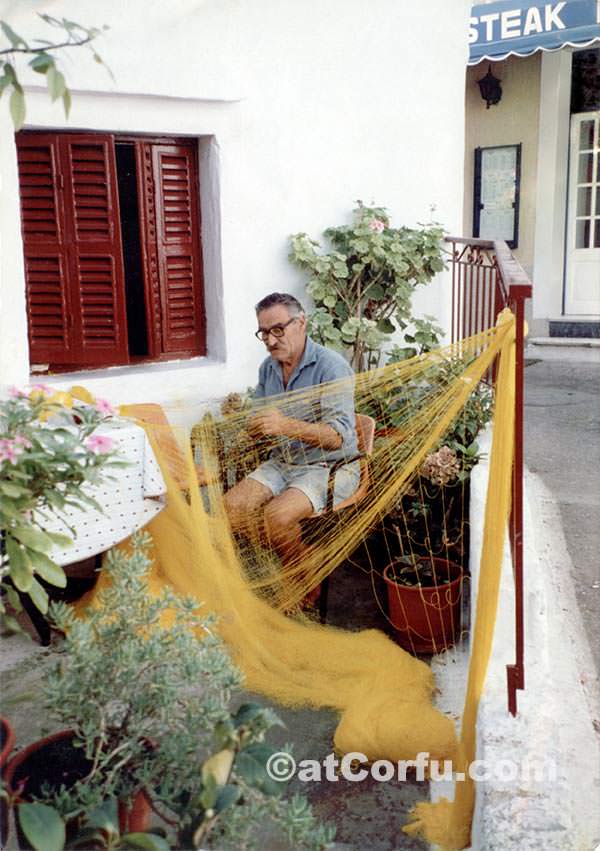
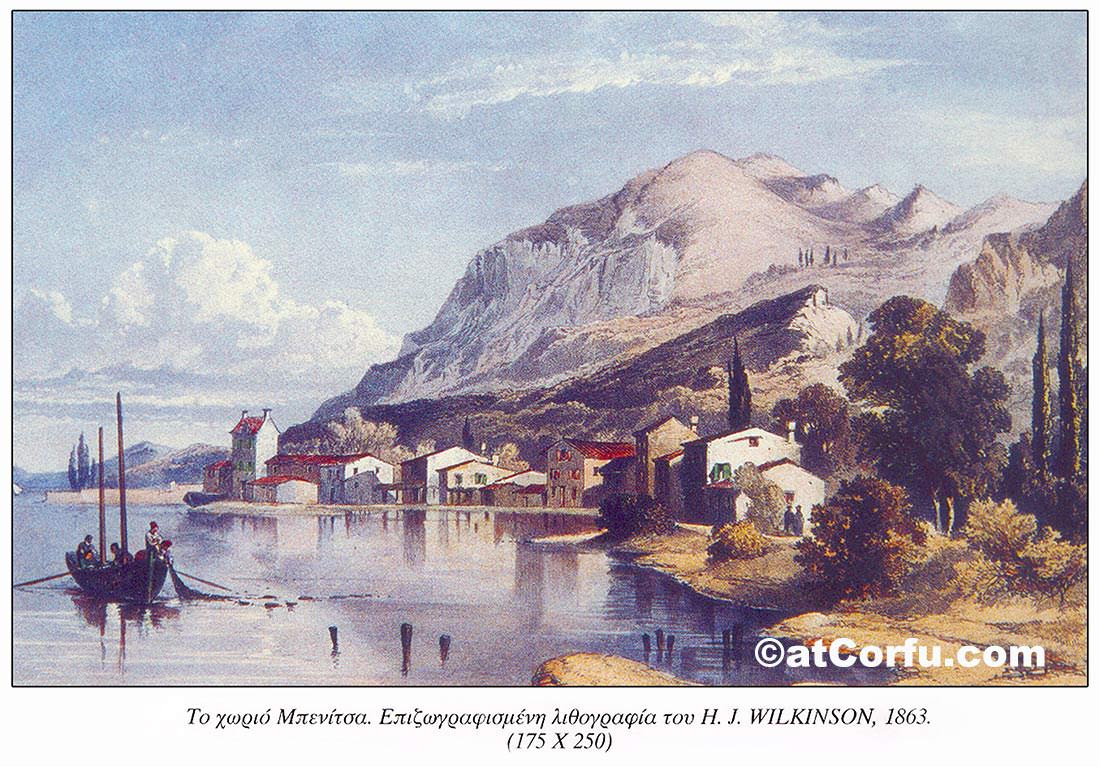
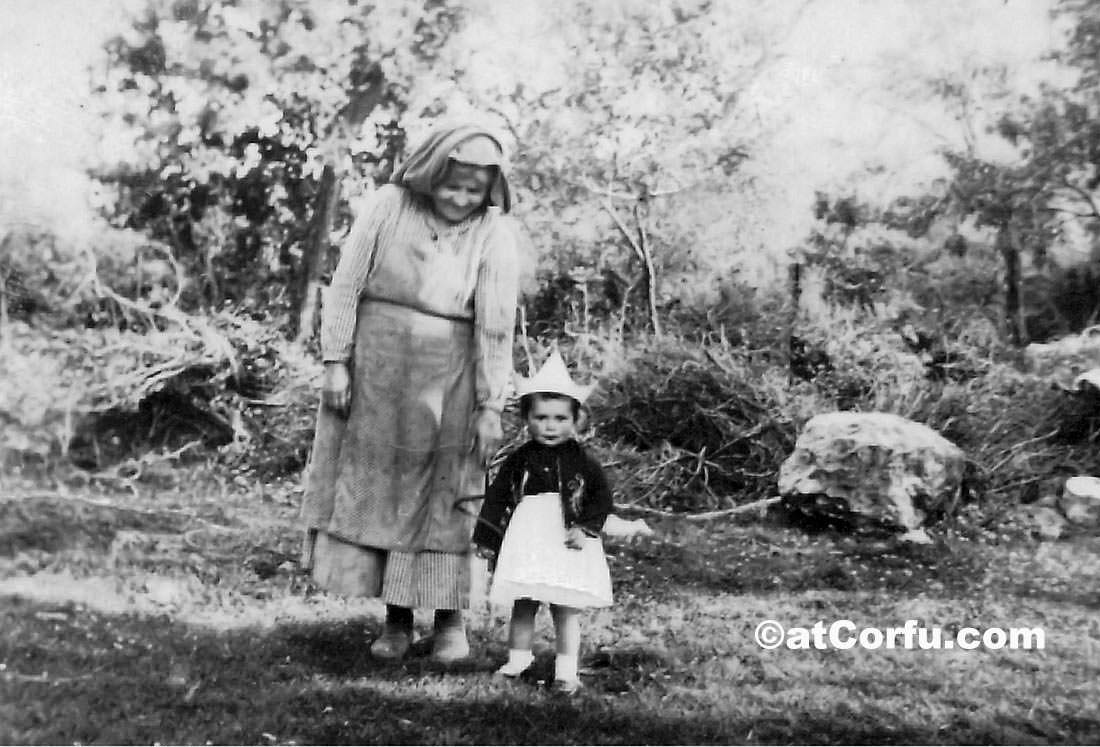
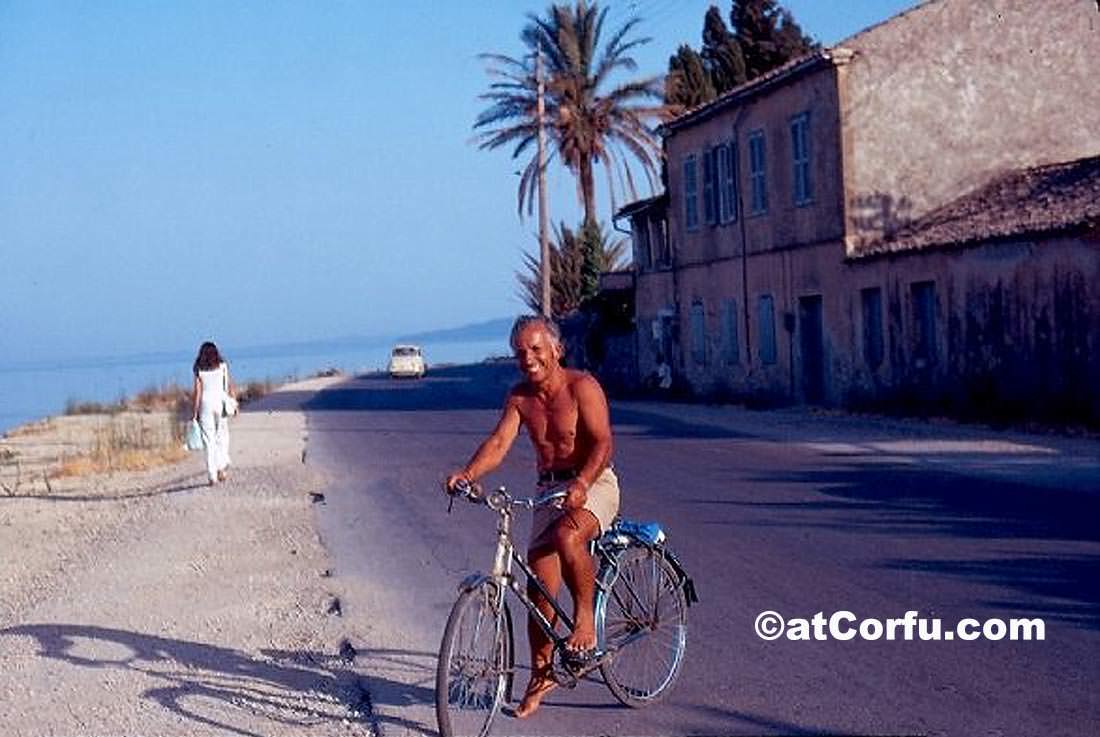
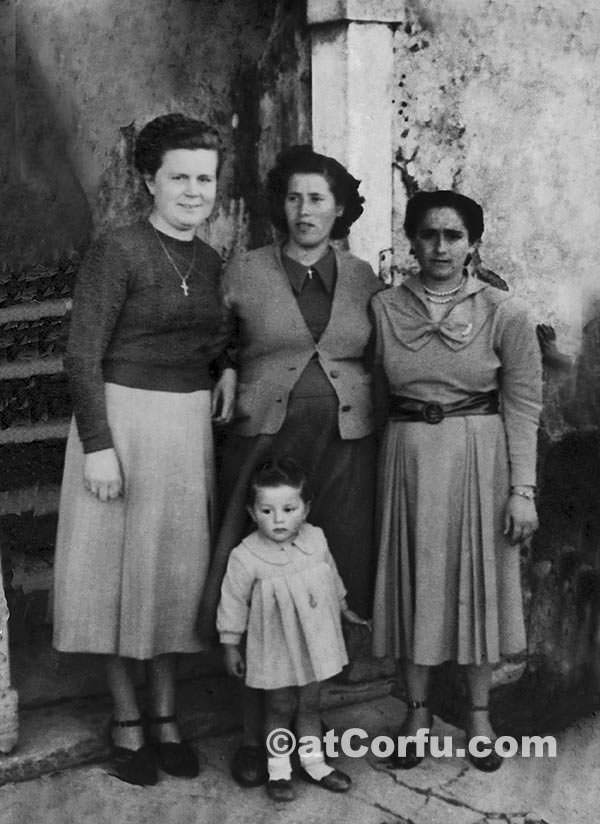
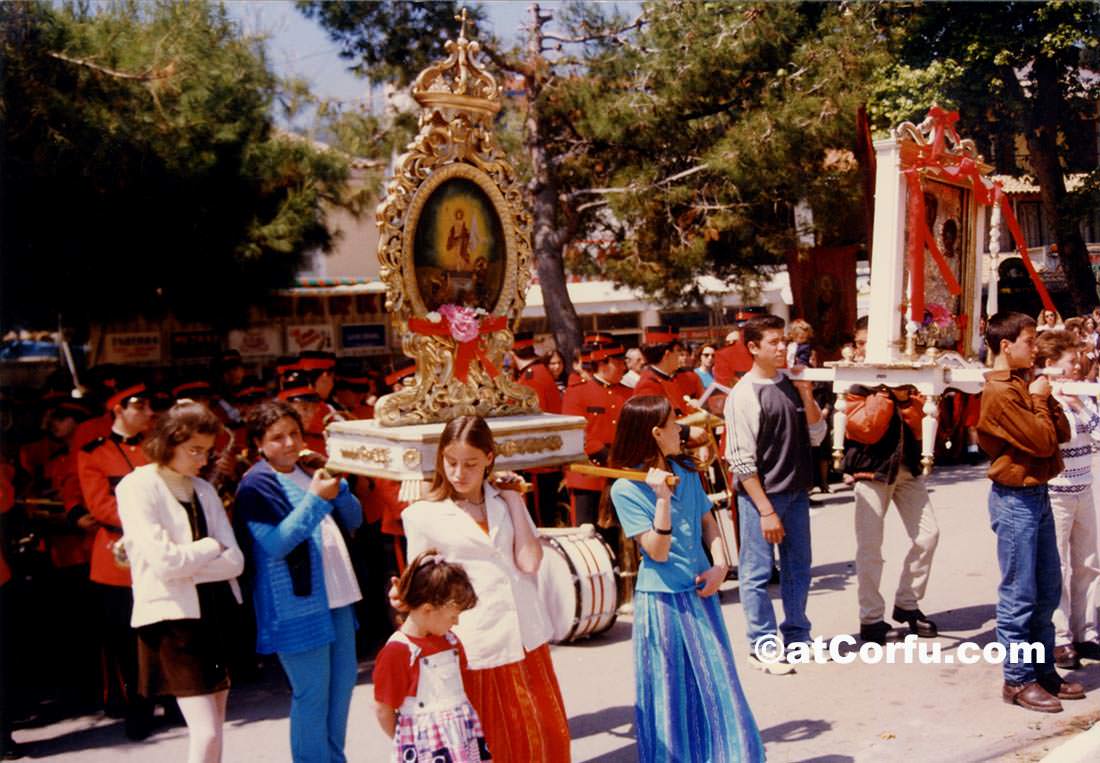
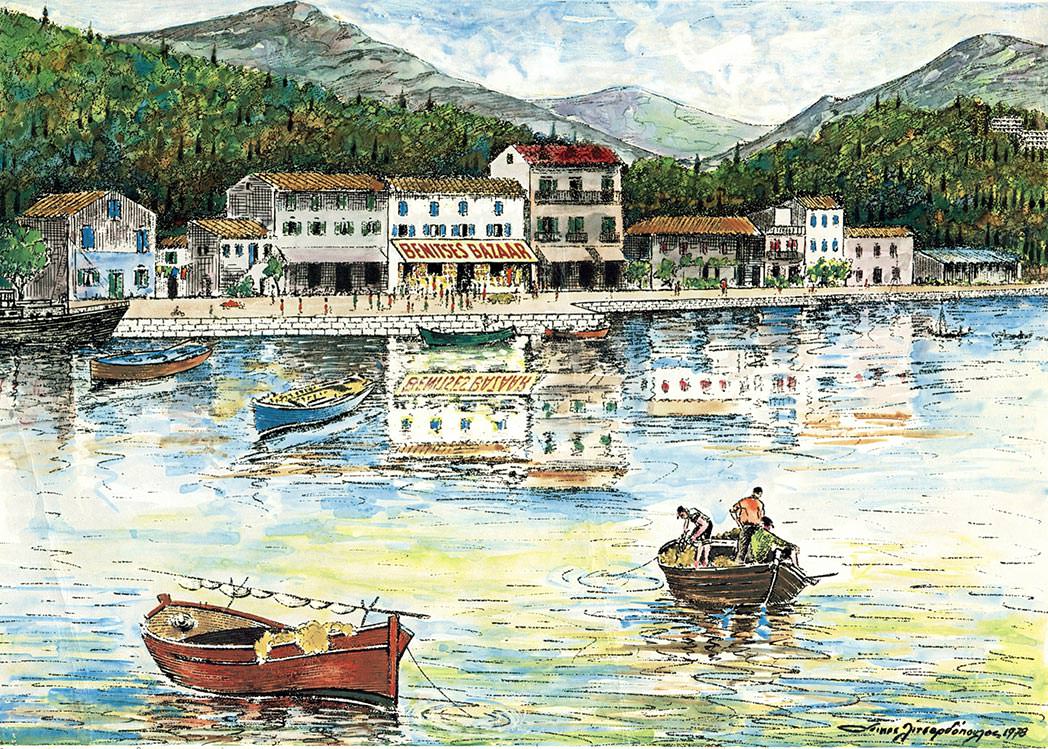
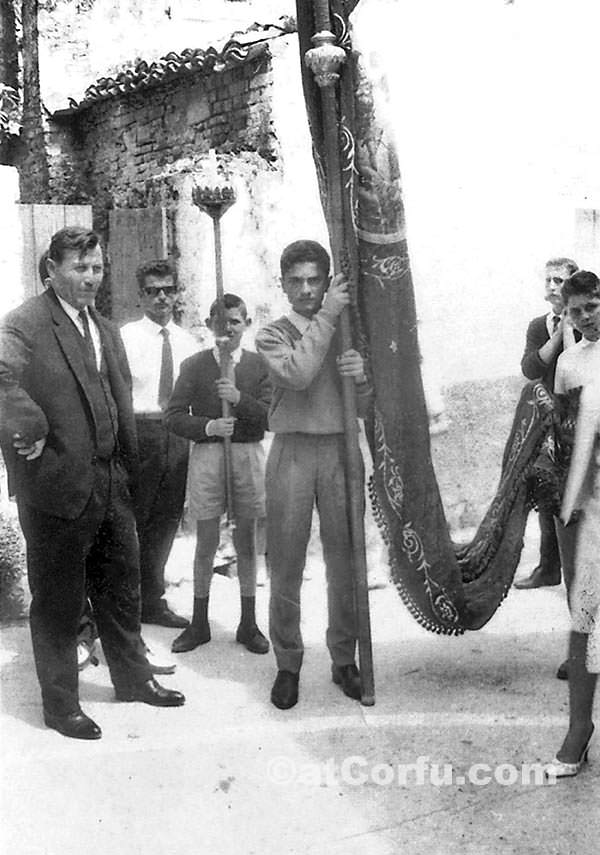
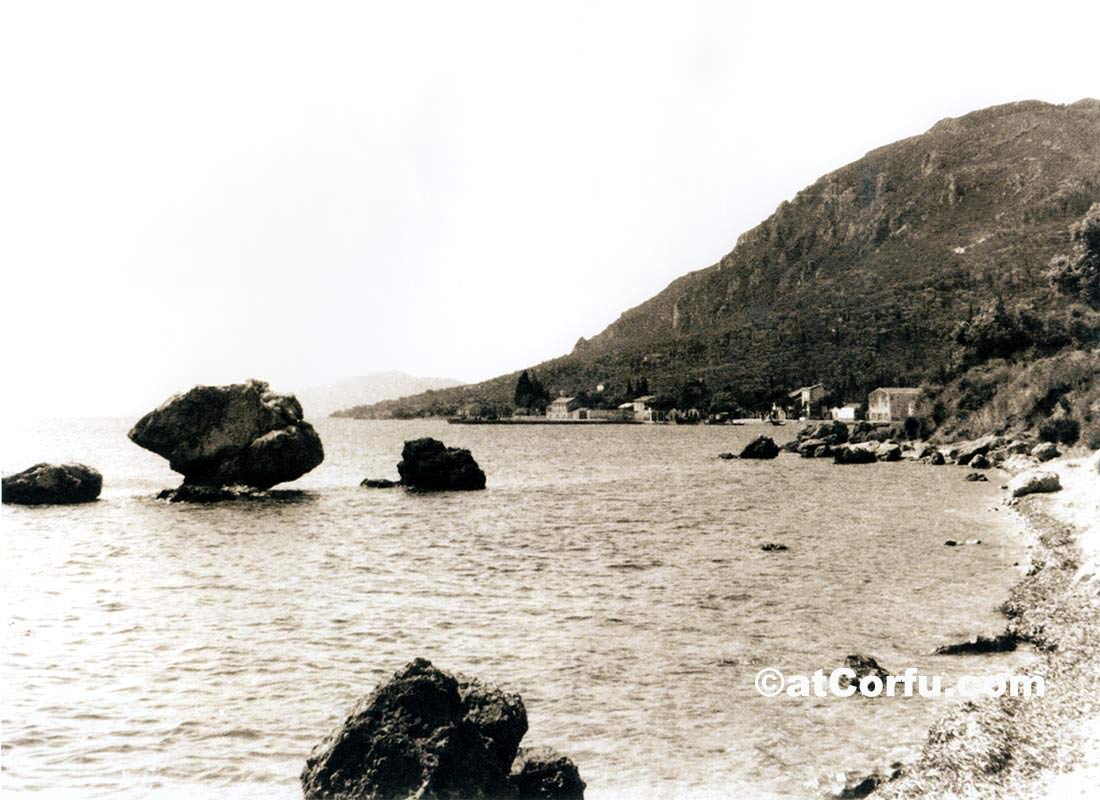
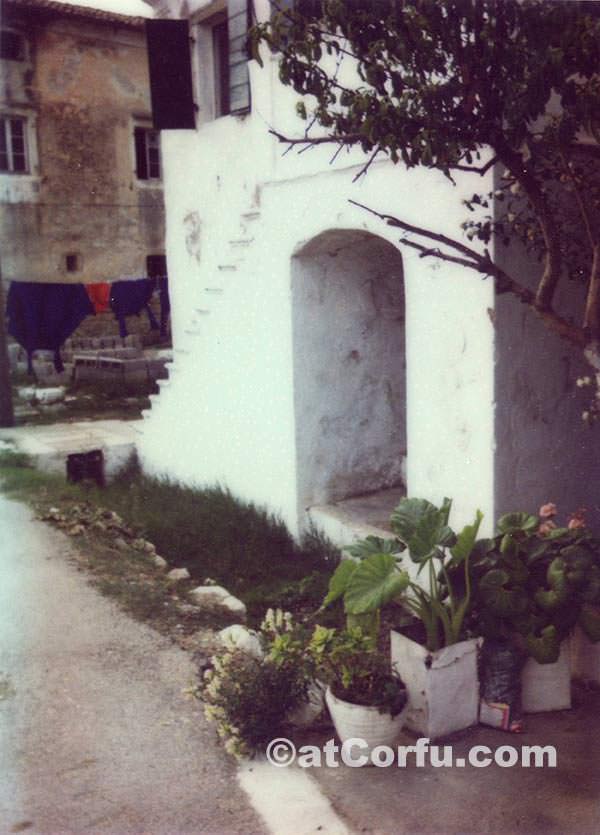
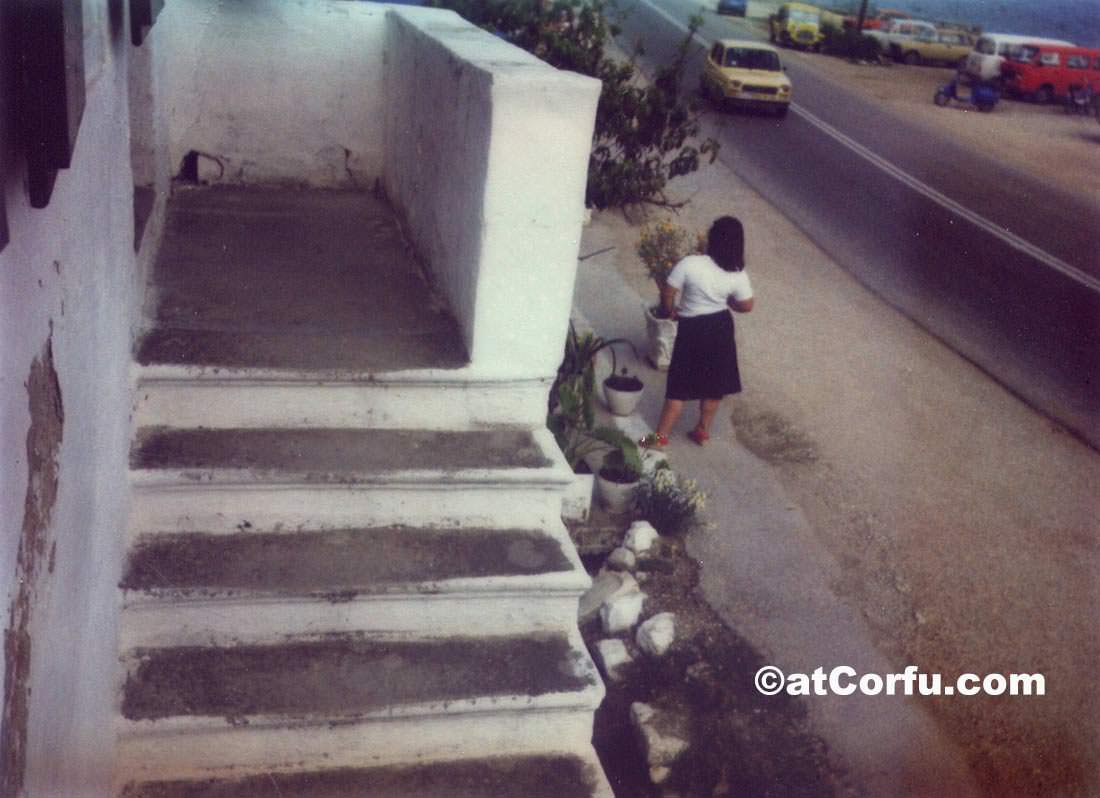
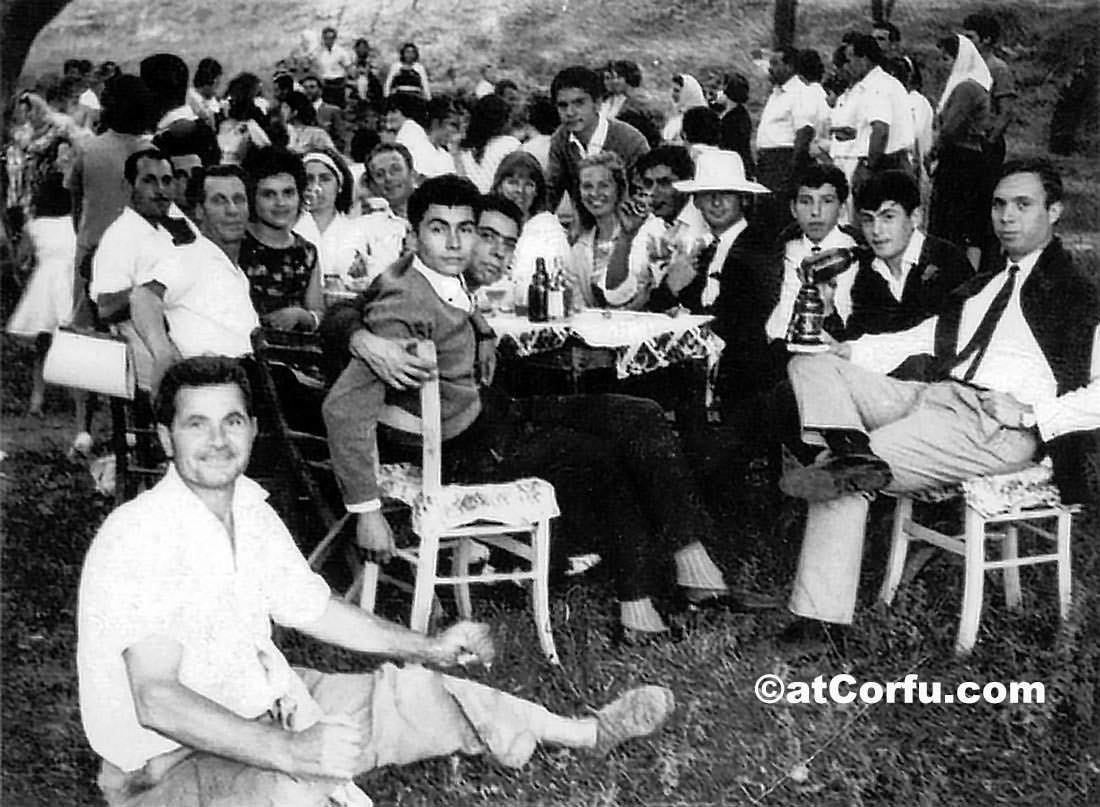
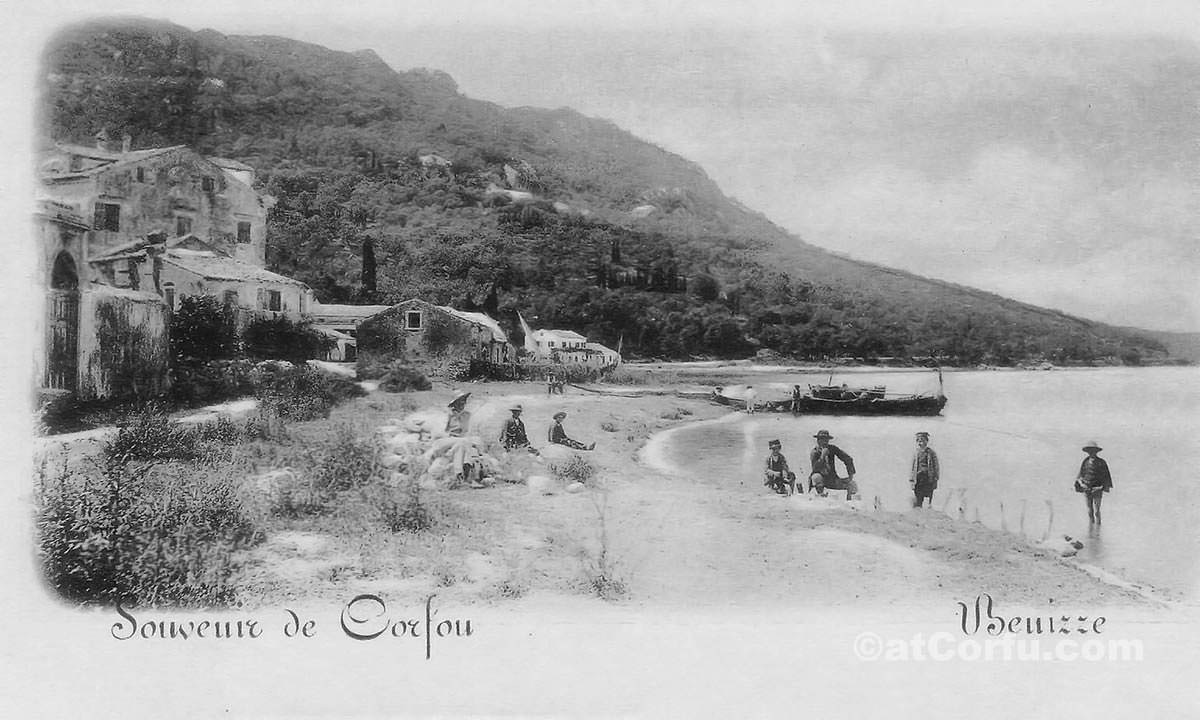
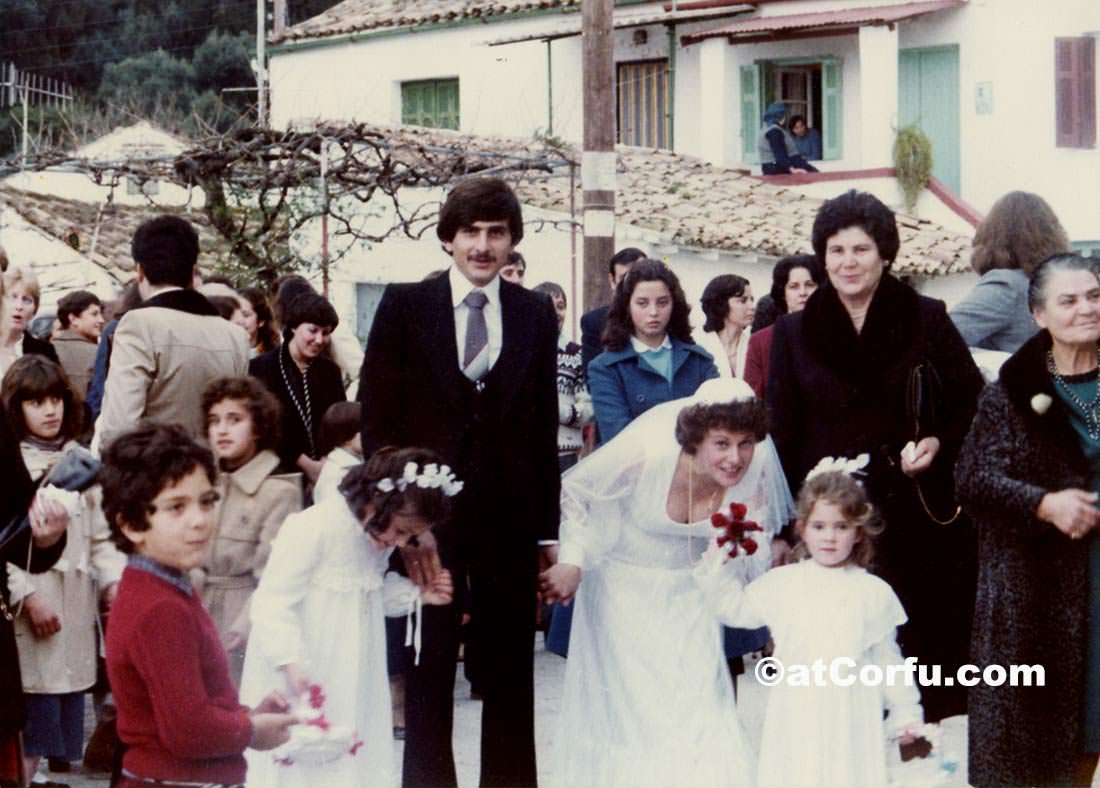
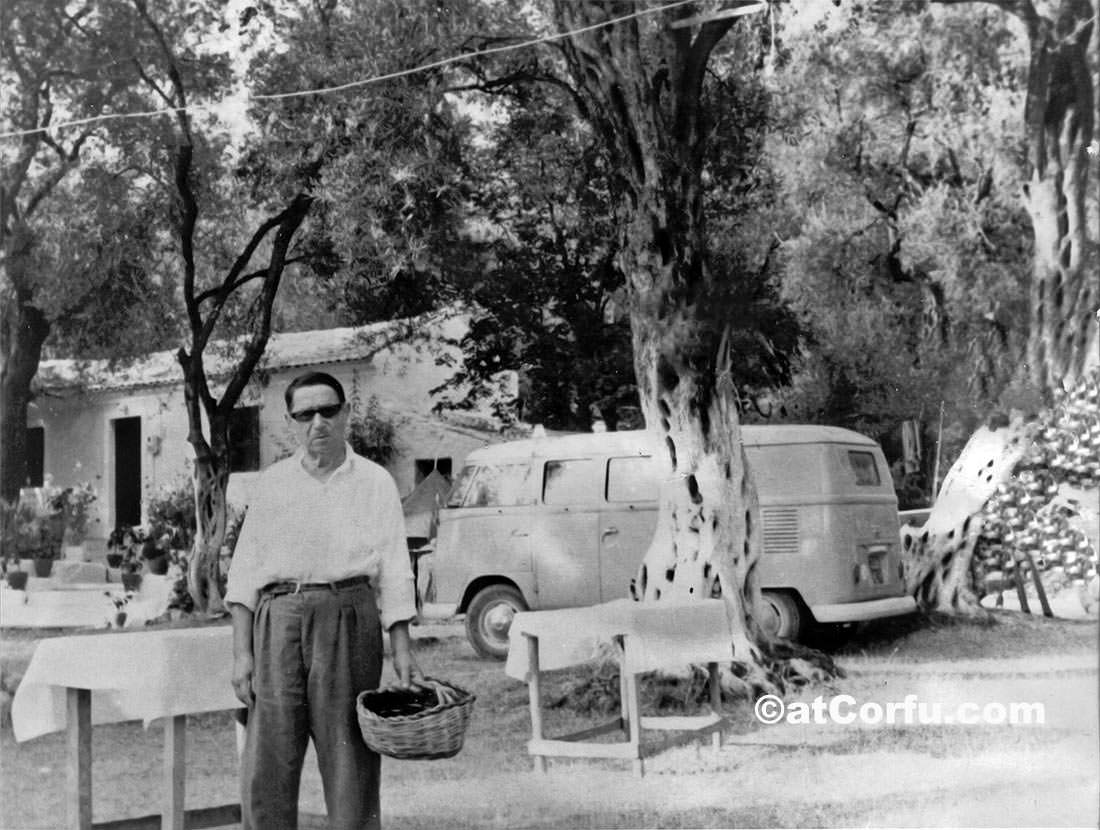
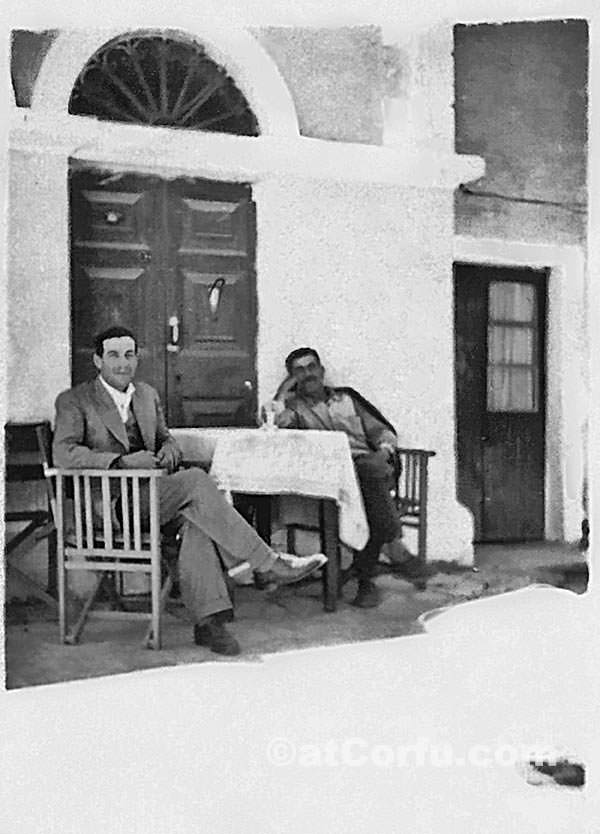
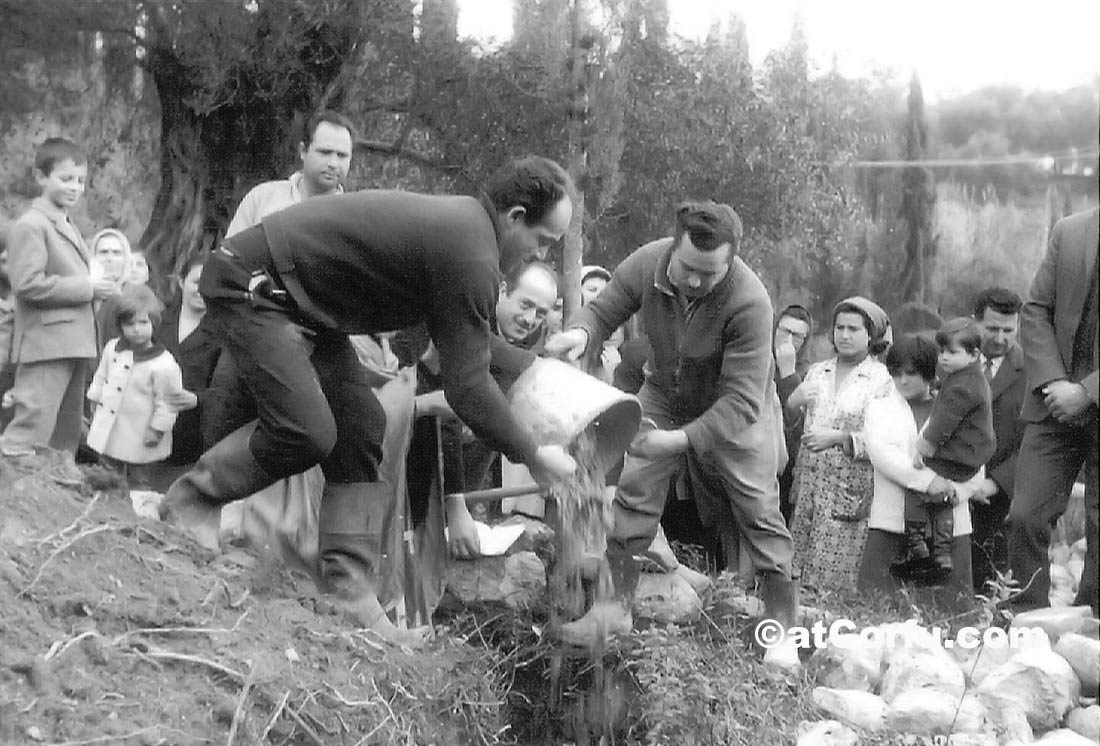
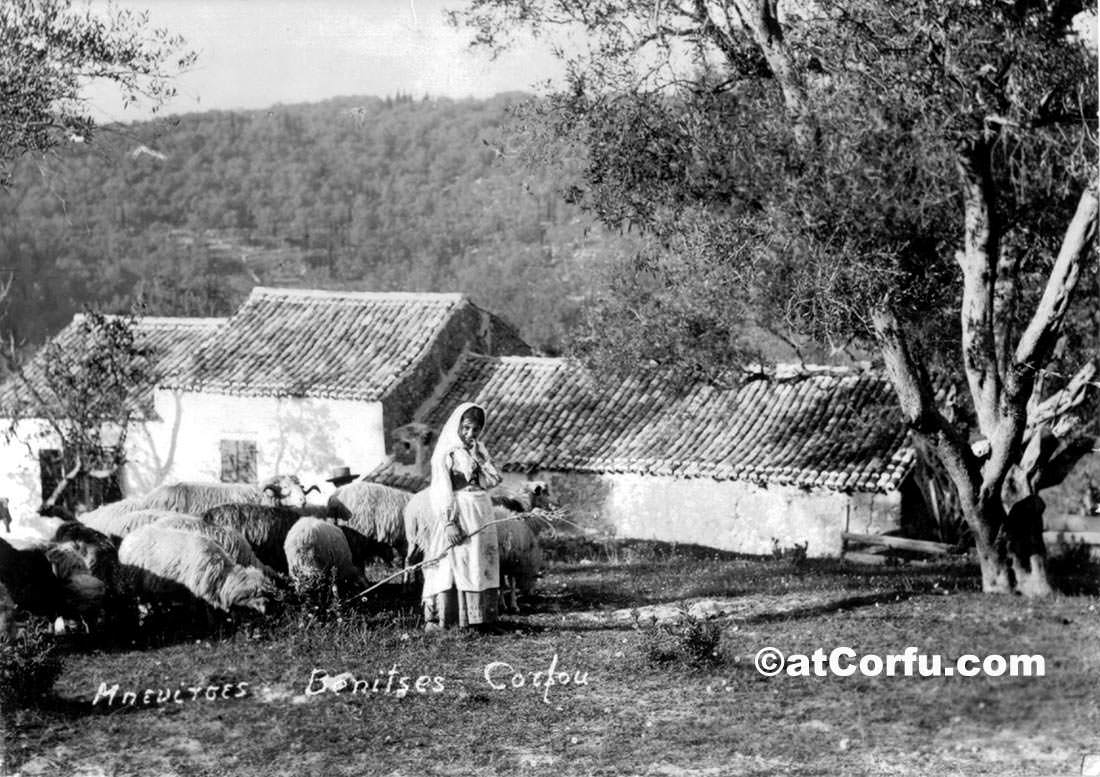
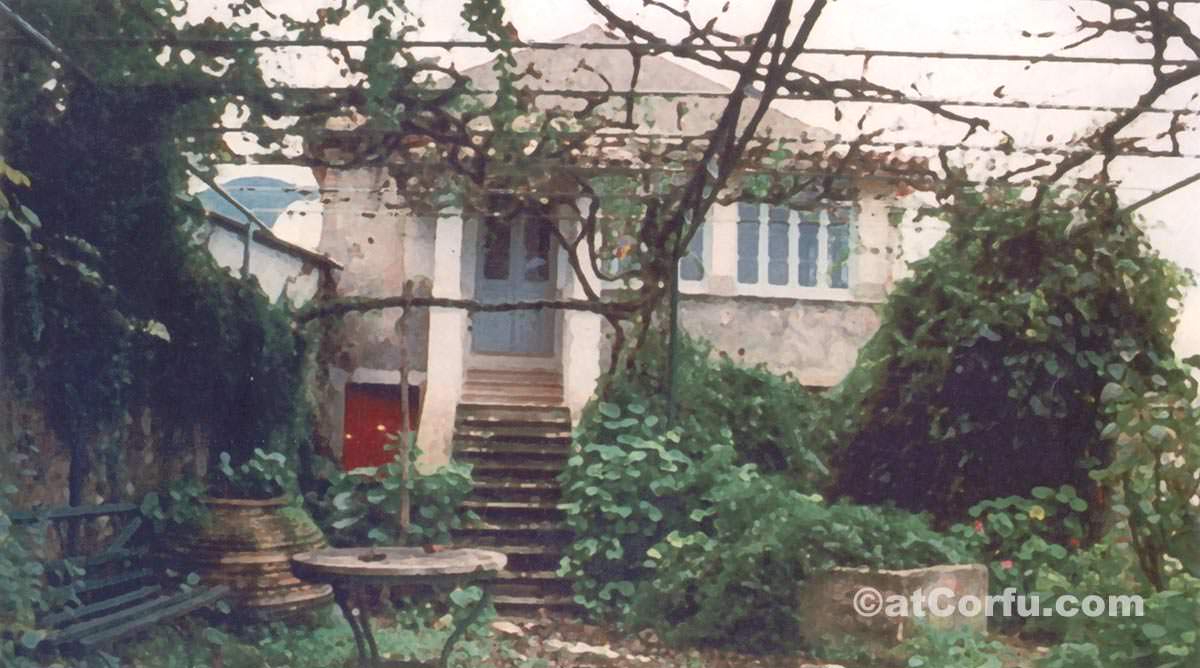
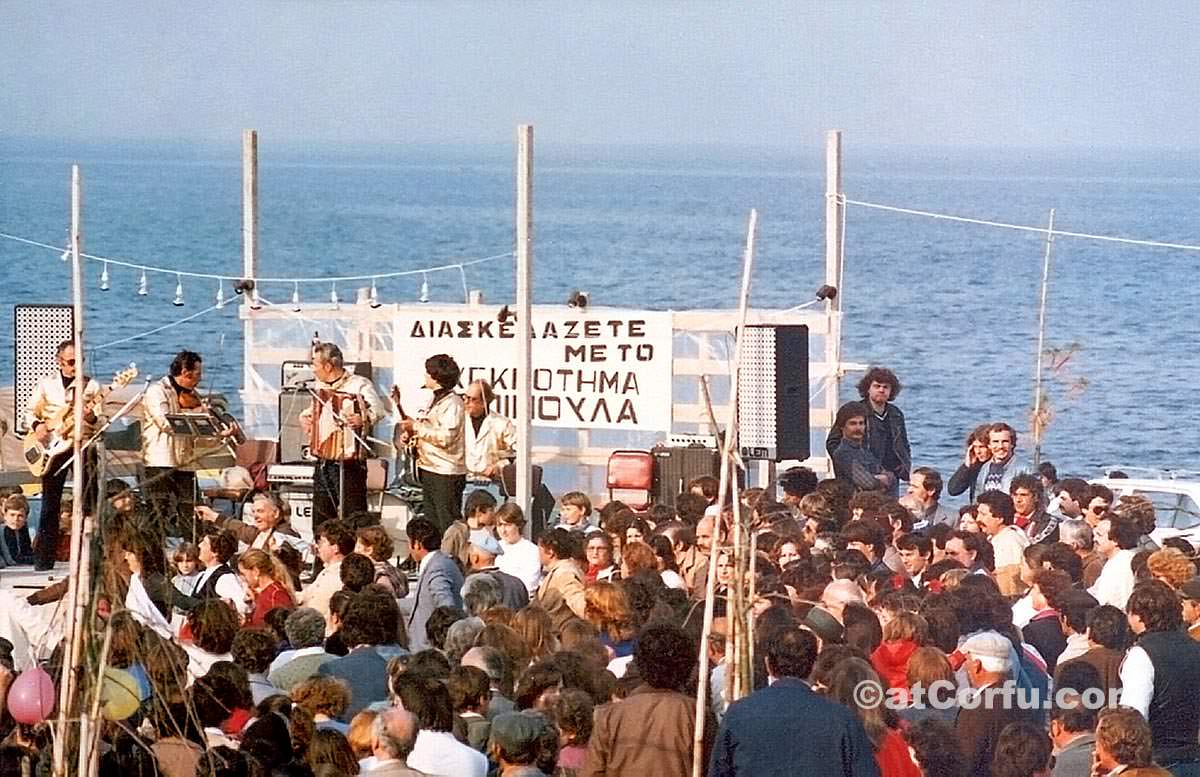
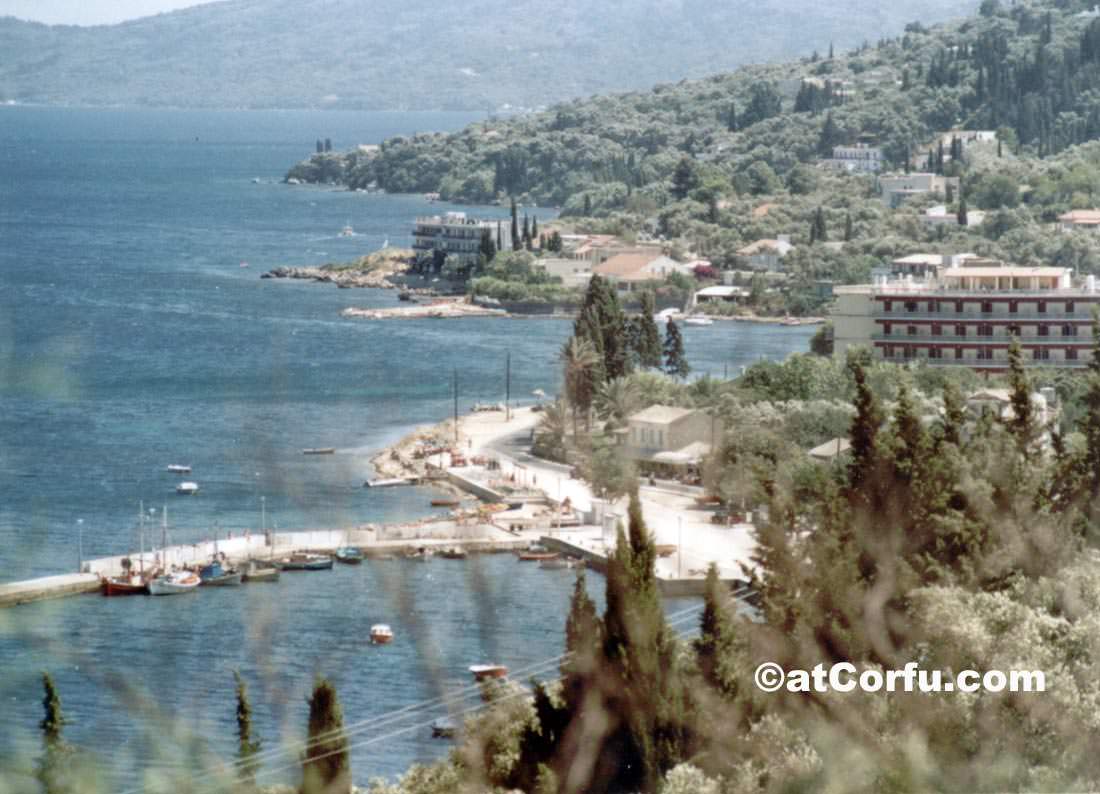
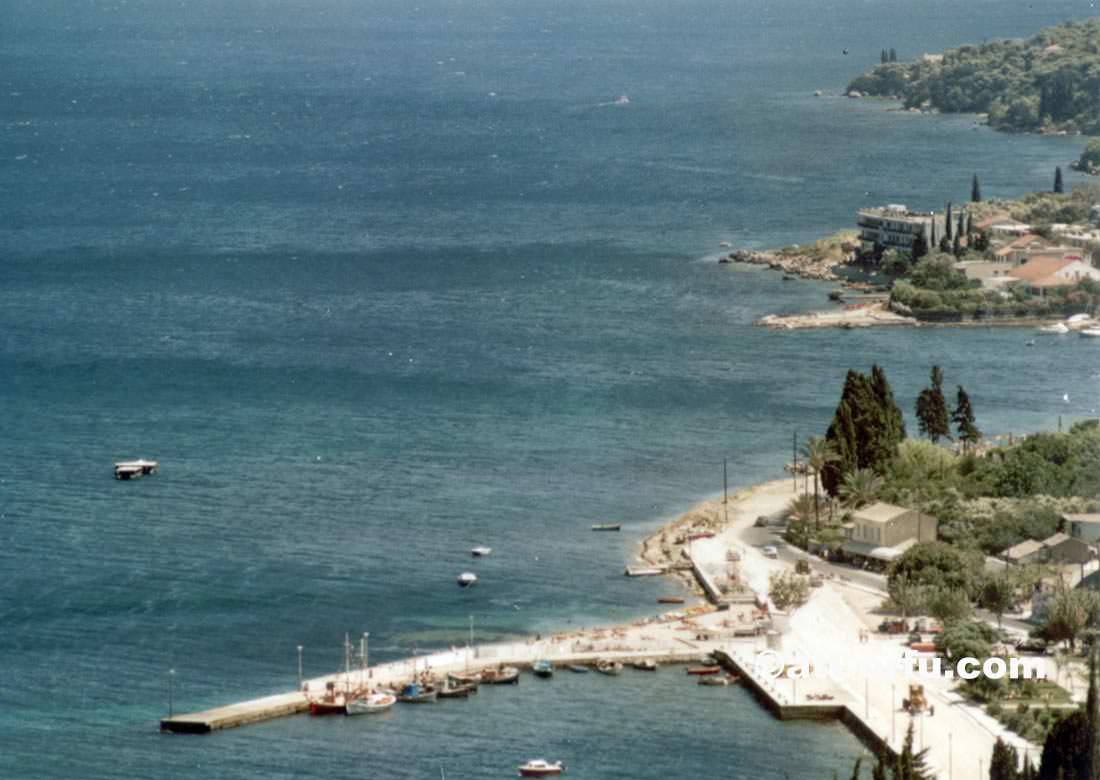
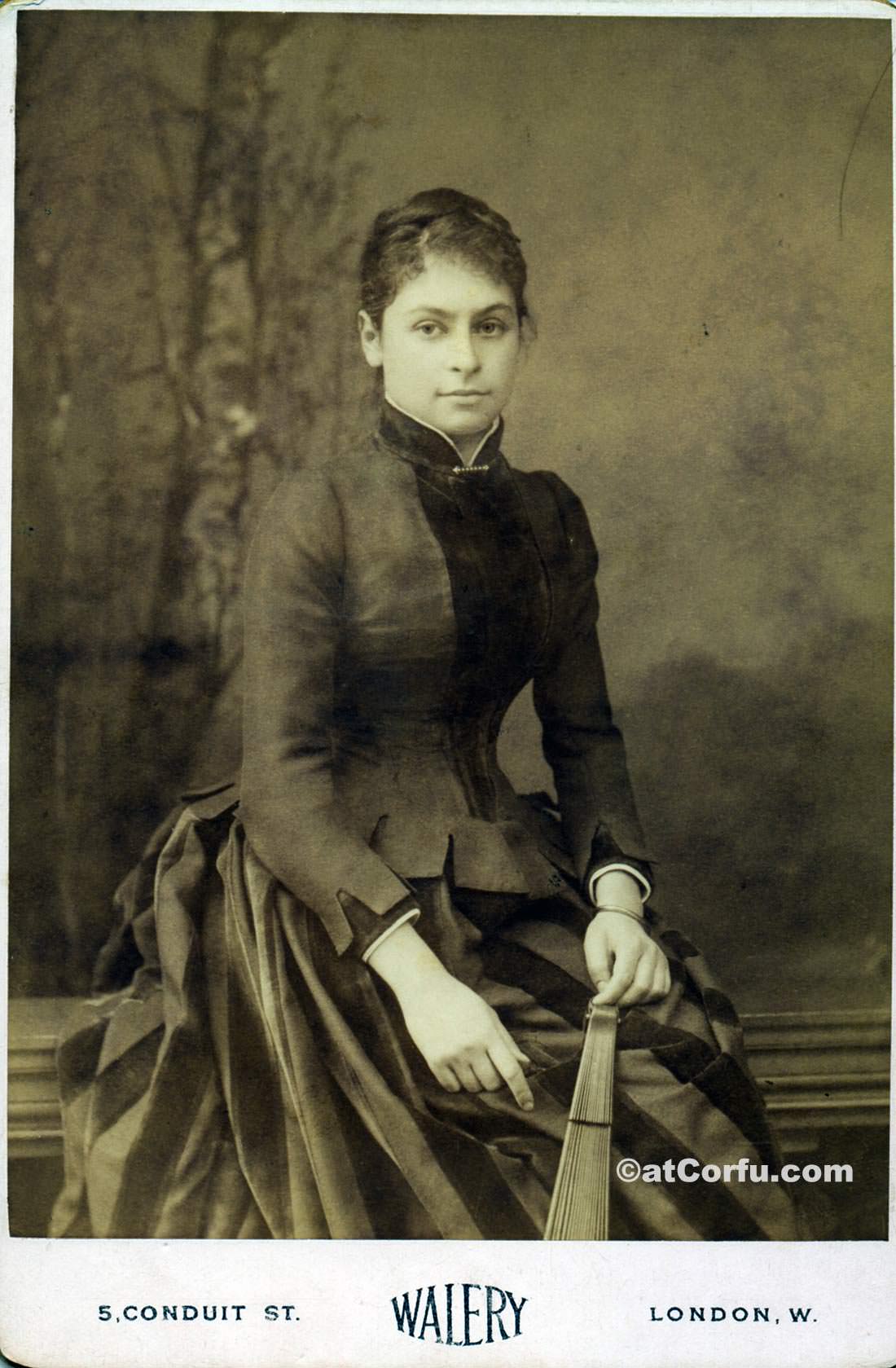
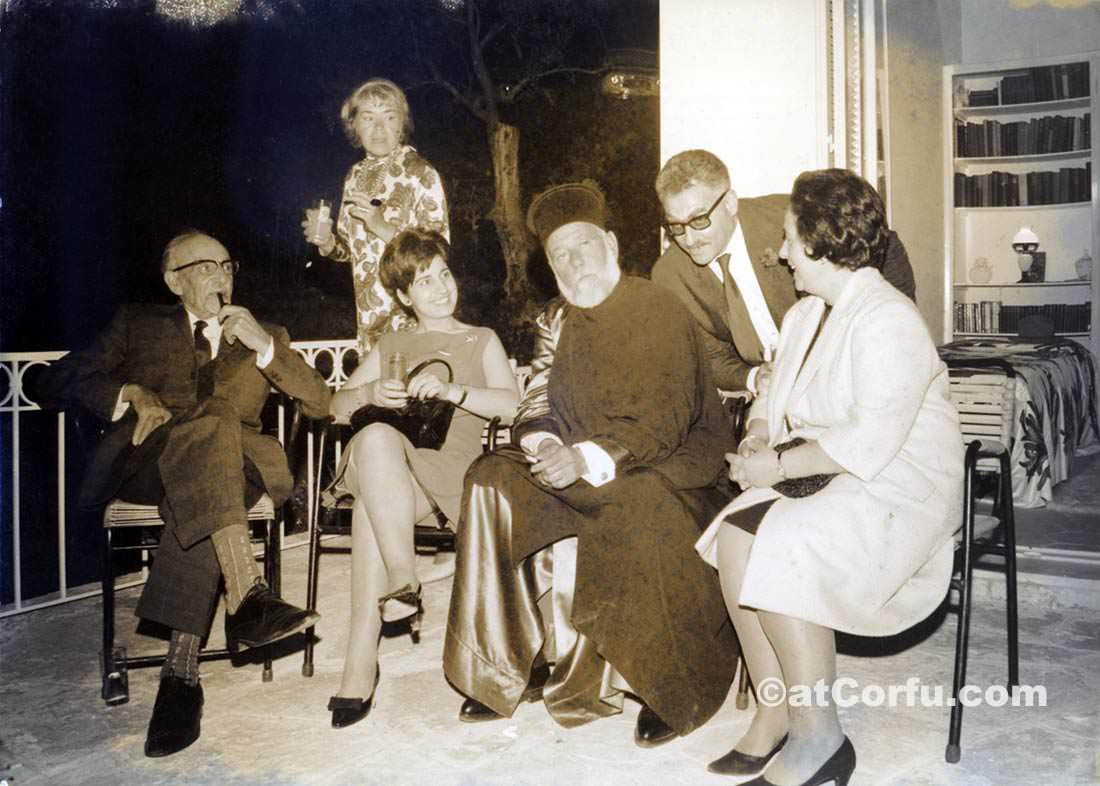
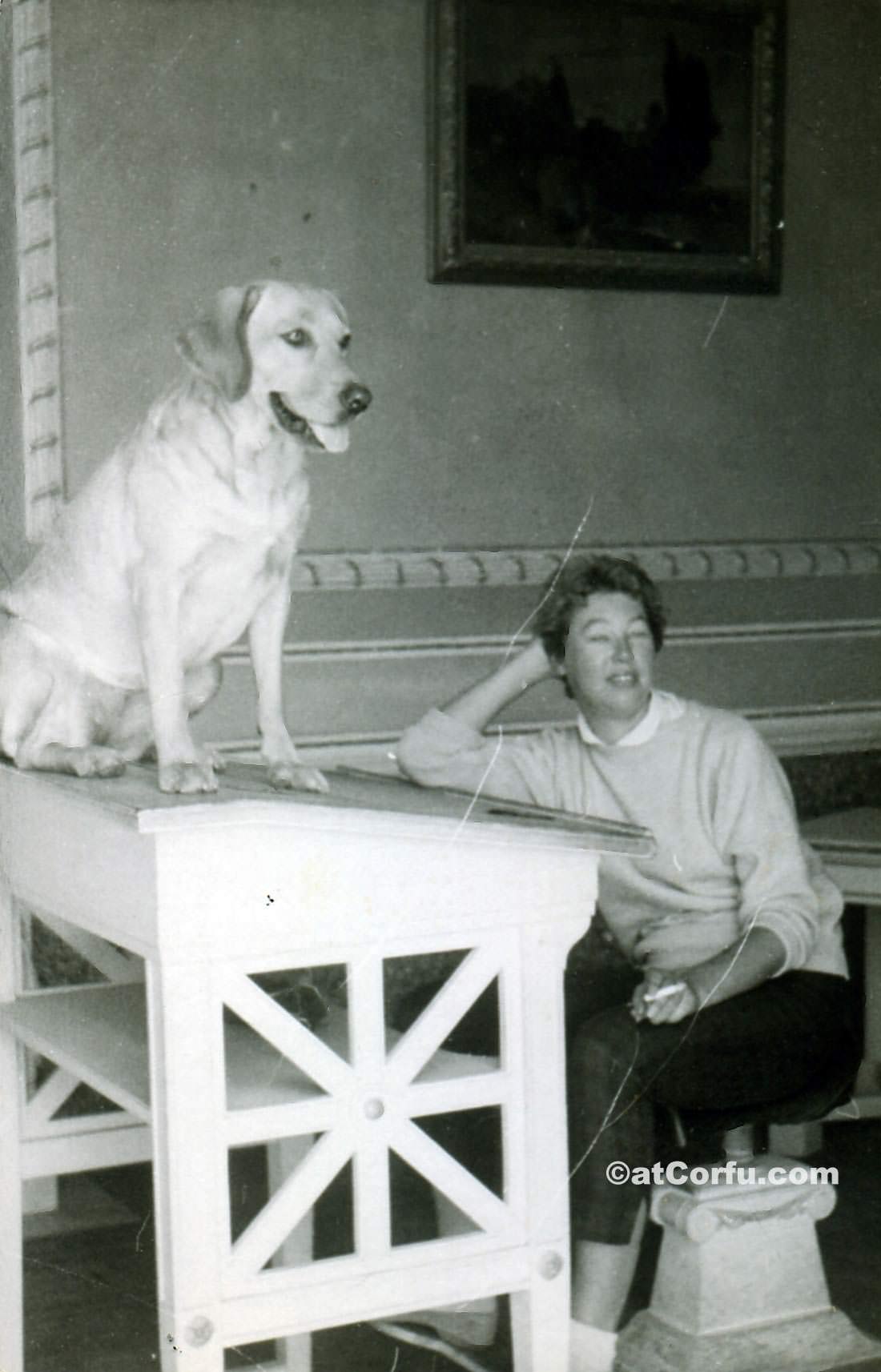
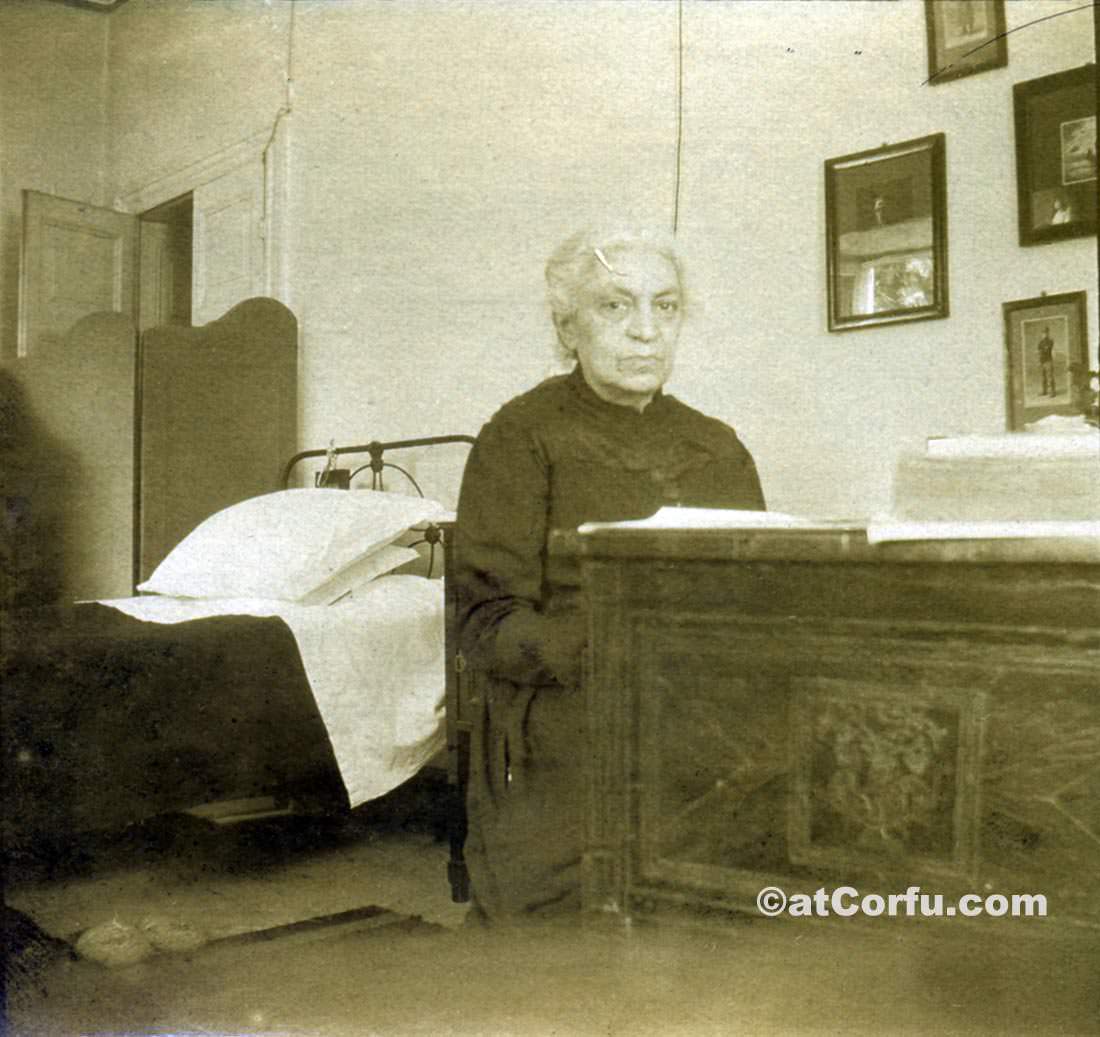
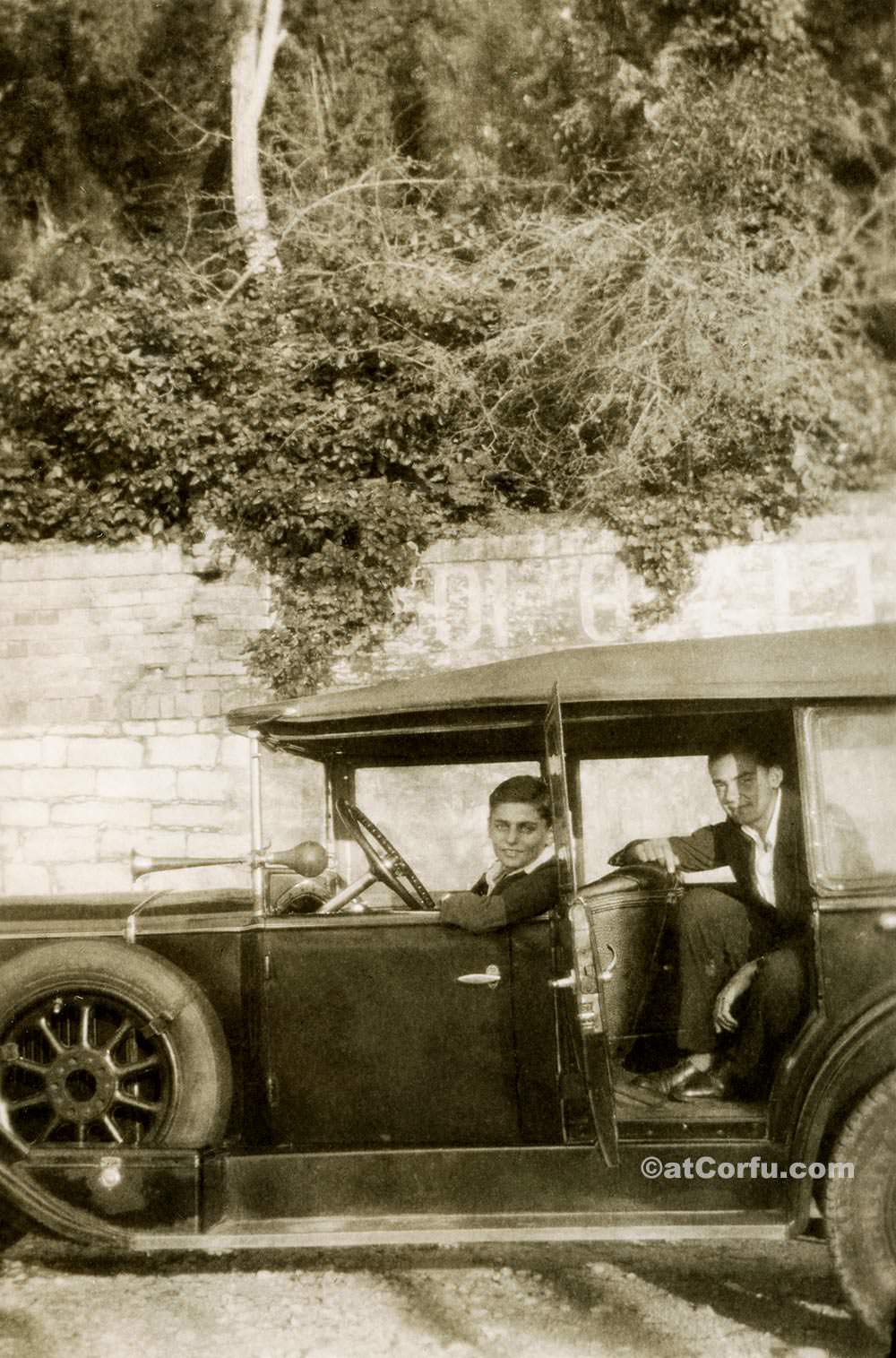
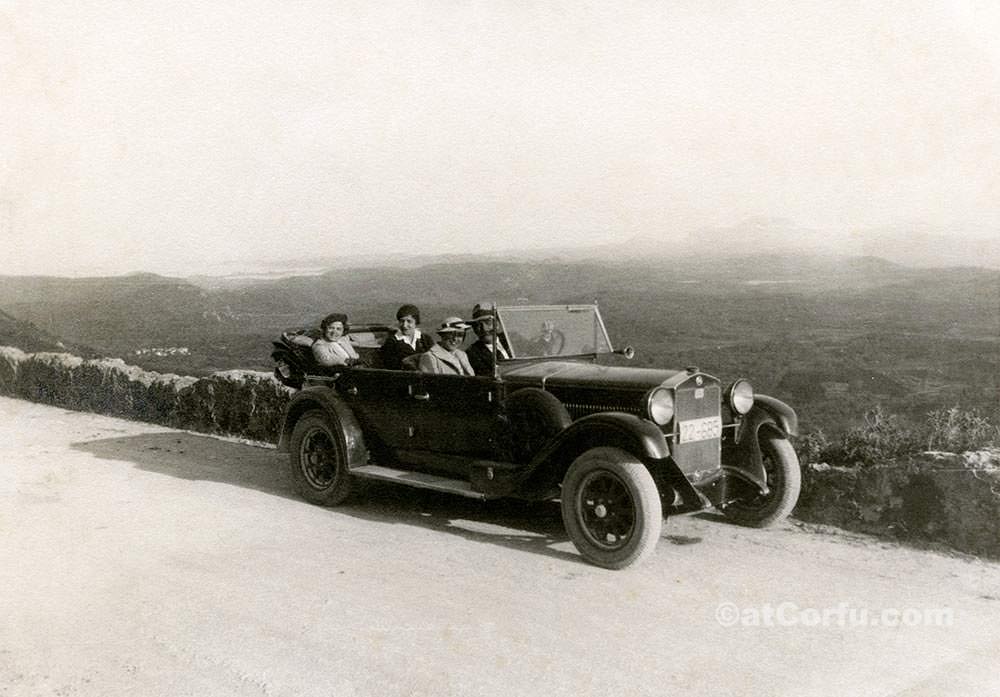
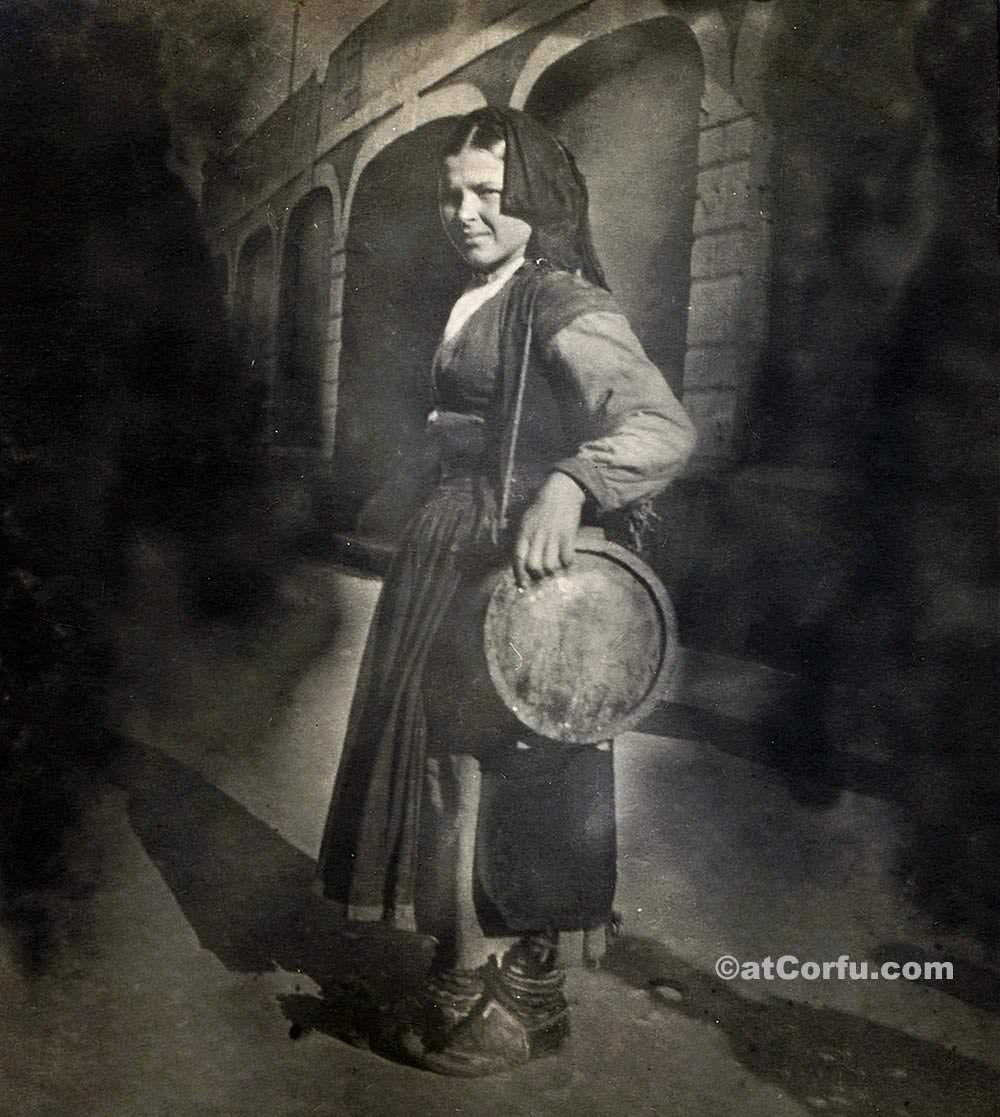
In this 5th group of our Benitses old photos collection, there are mainly people of the families of Martzokas, Kontos, Kapsokavadis, Spinoulas, and others.
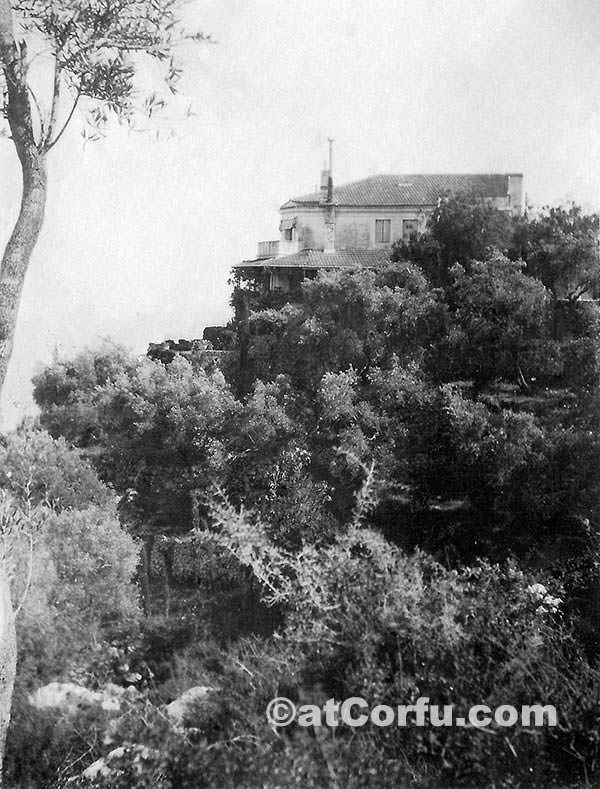
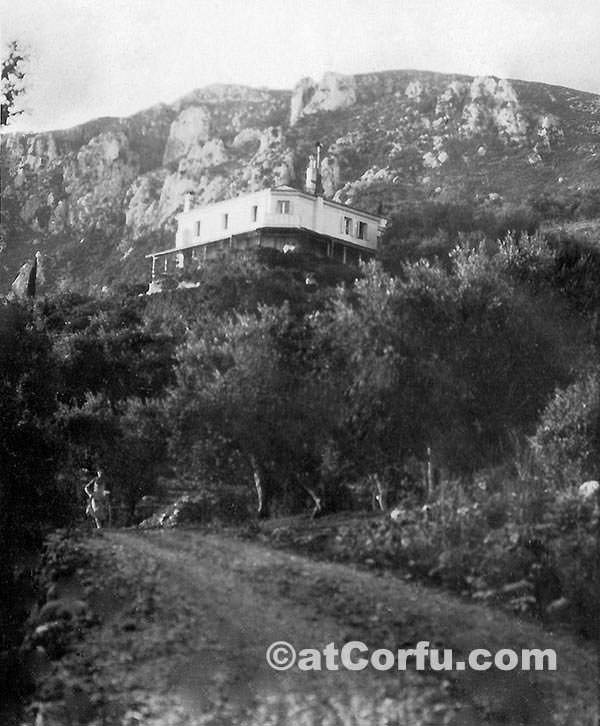
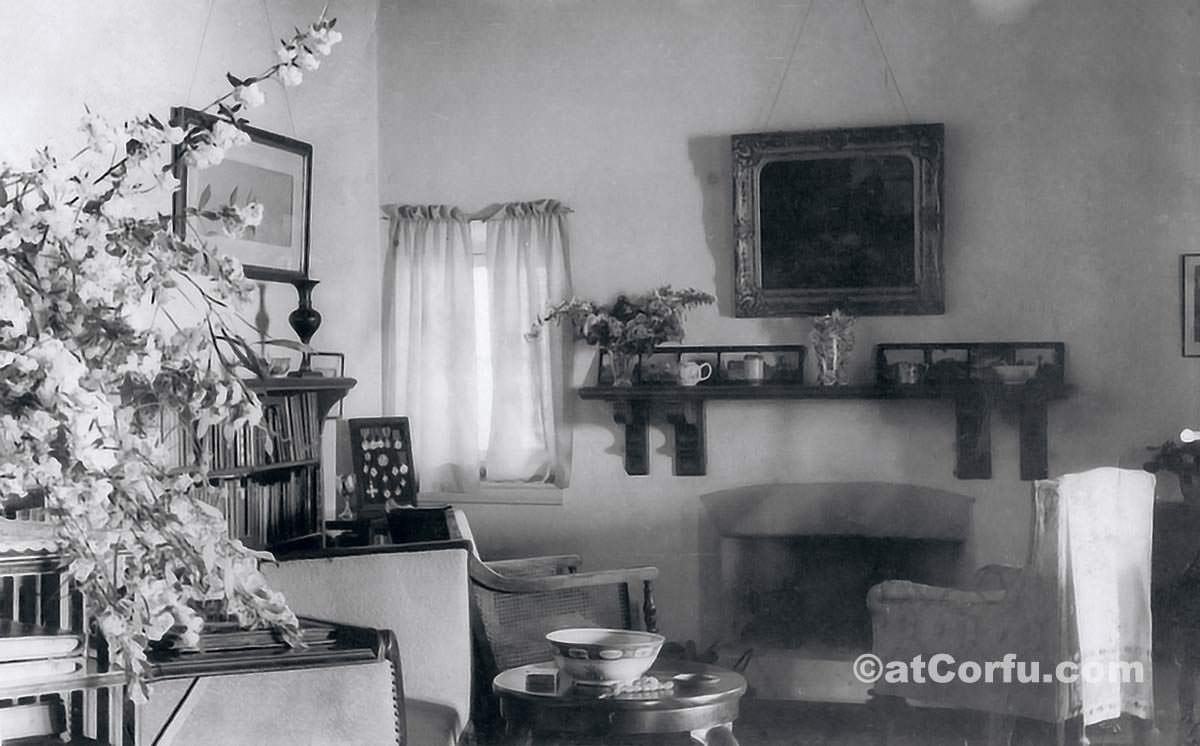
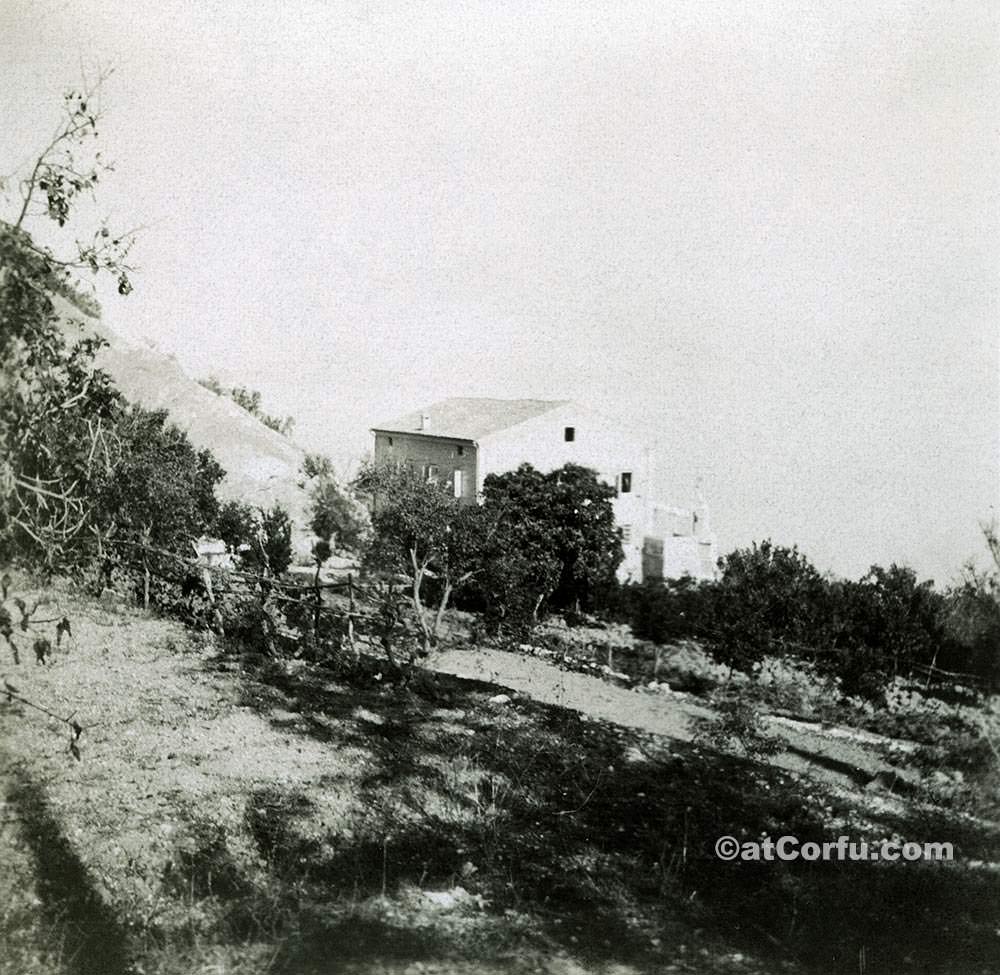
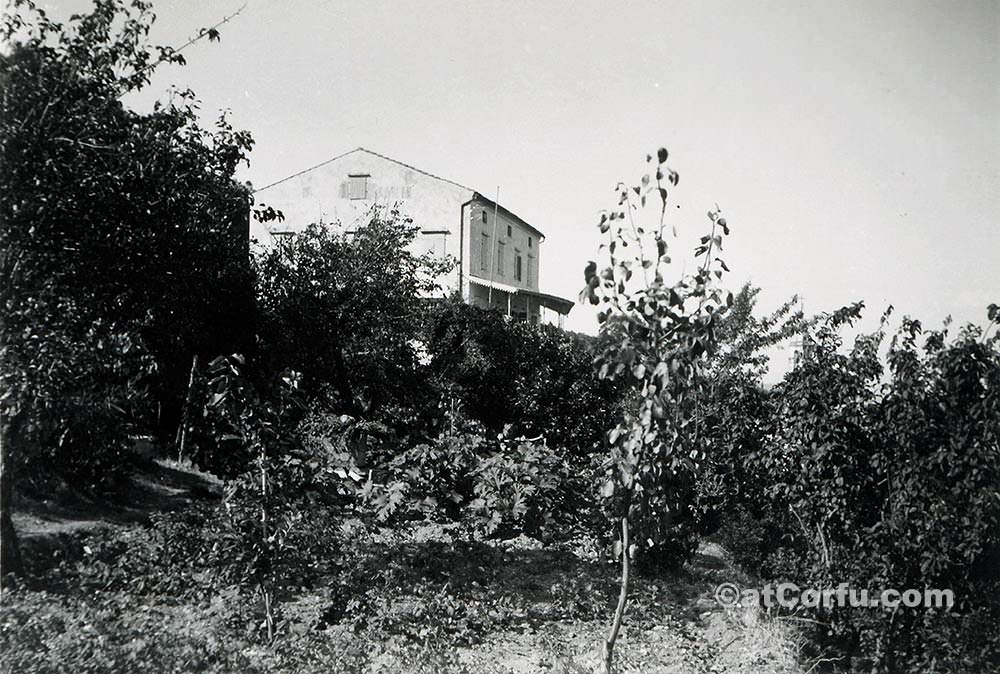
Also, photos of the house of Parmenides and several others have been recently collected, all digitally processed to remove the signs of time.
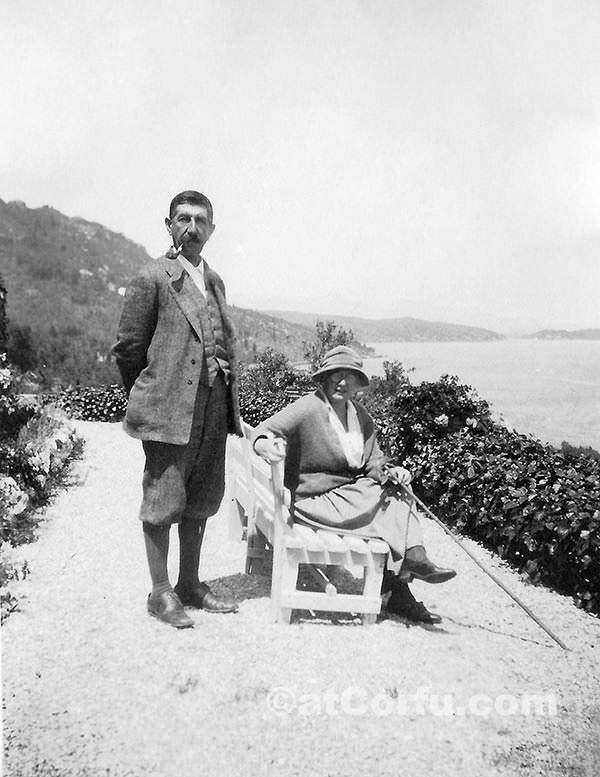
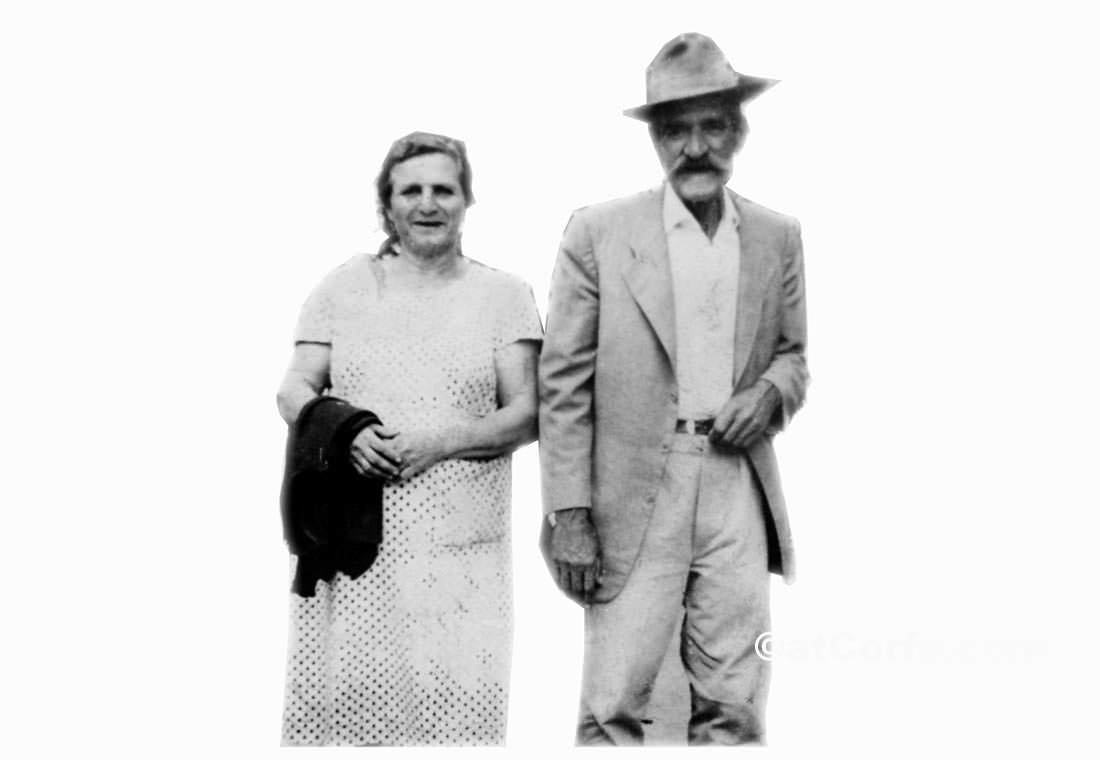
There is a unique photo of Mr. Parmenidis and his wife, taken long before 1940.
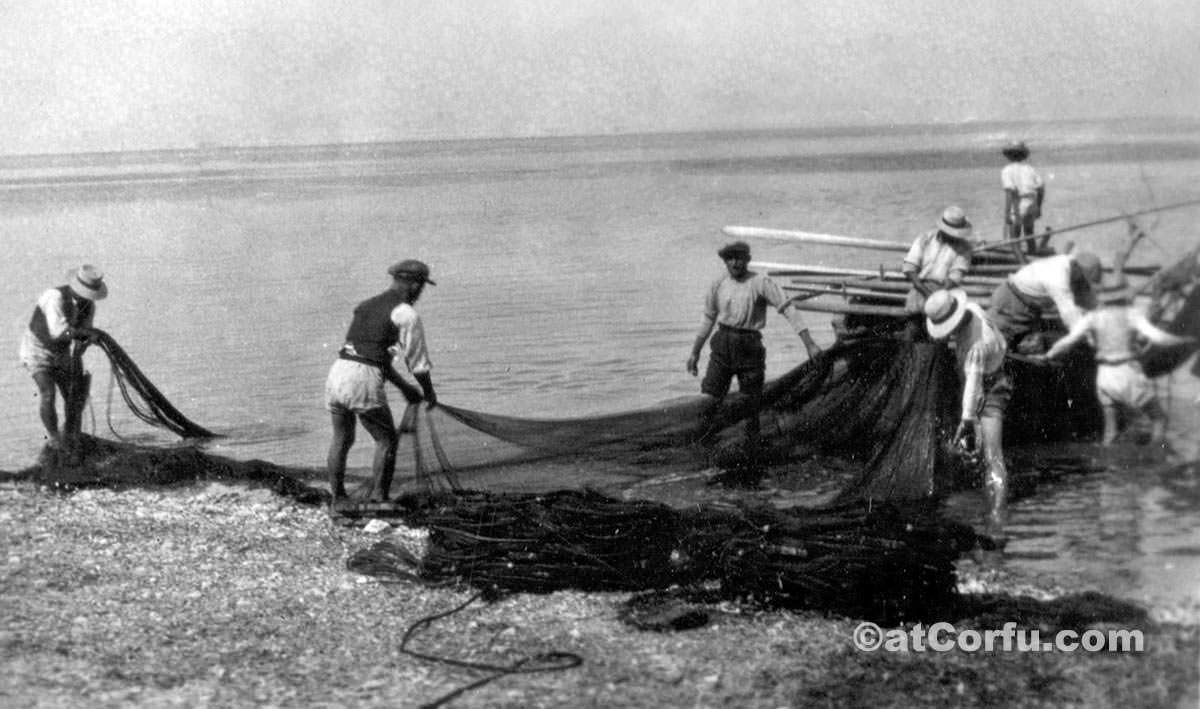
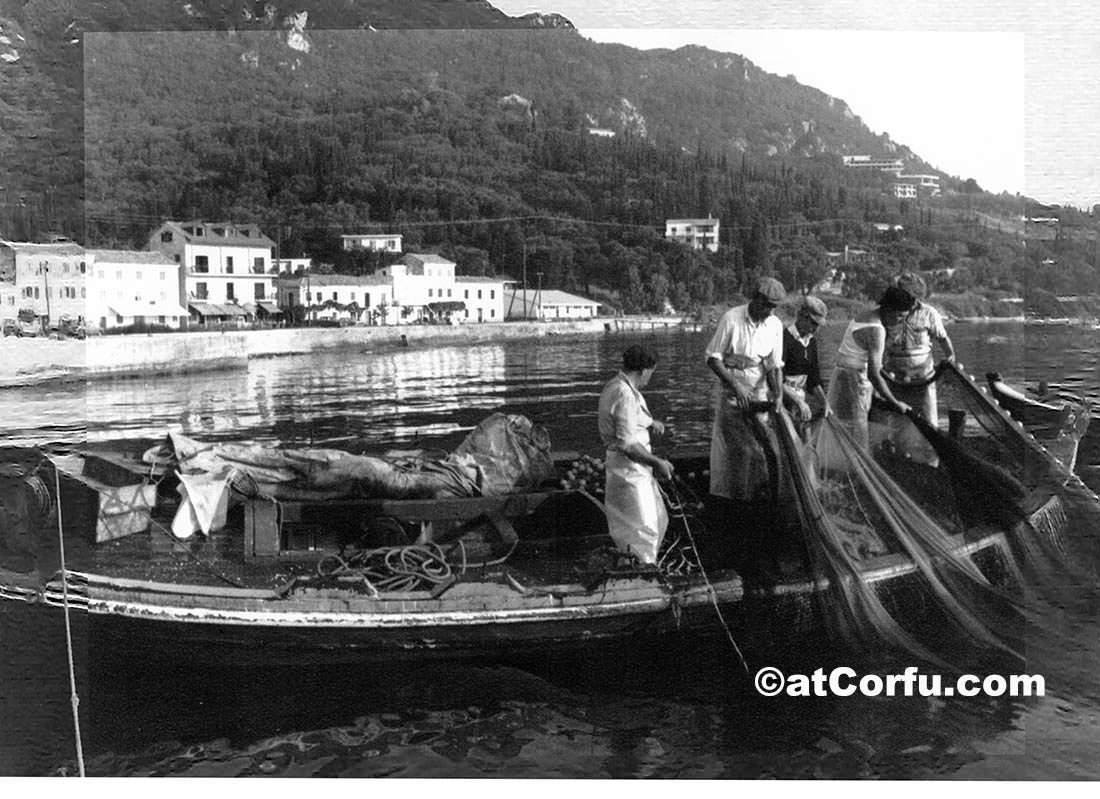
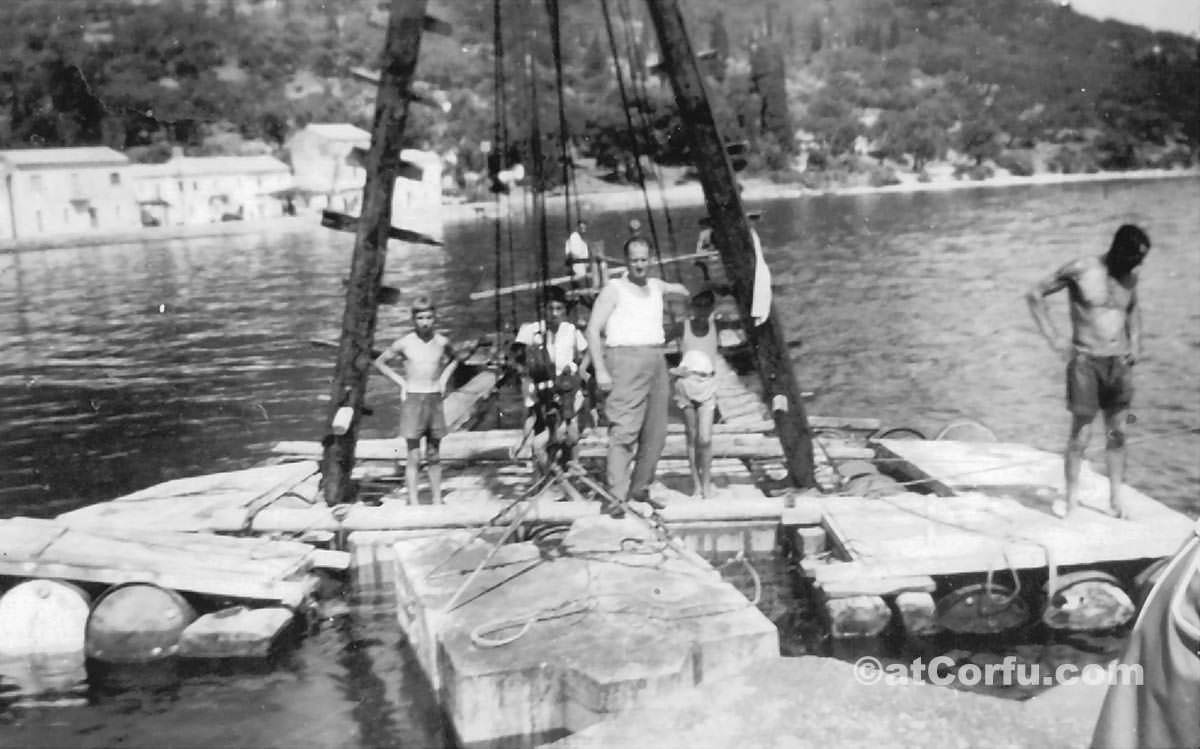
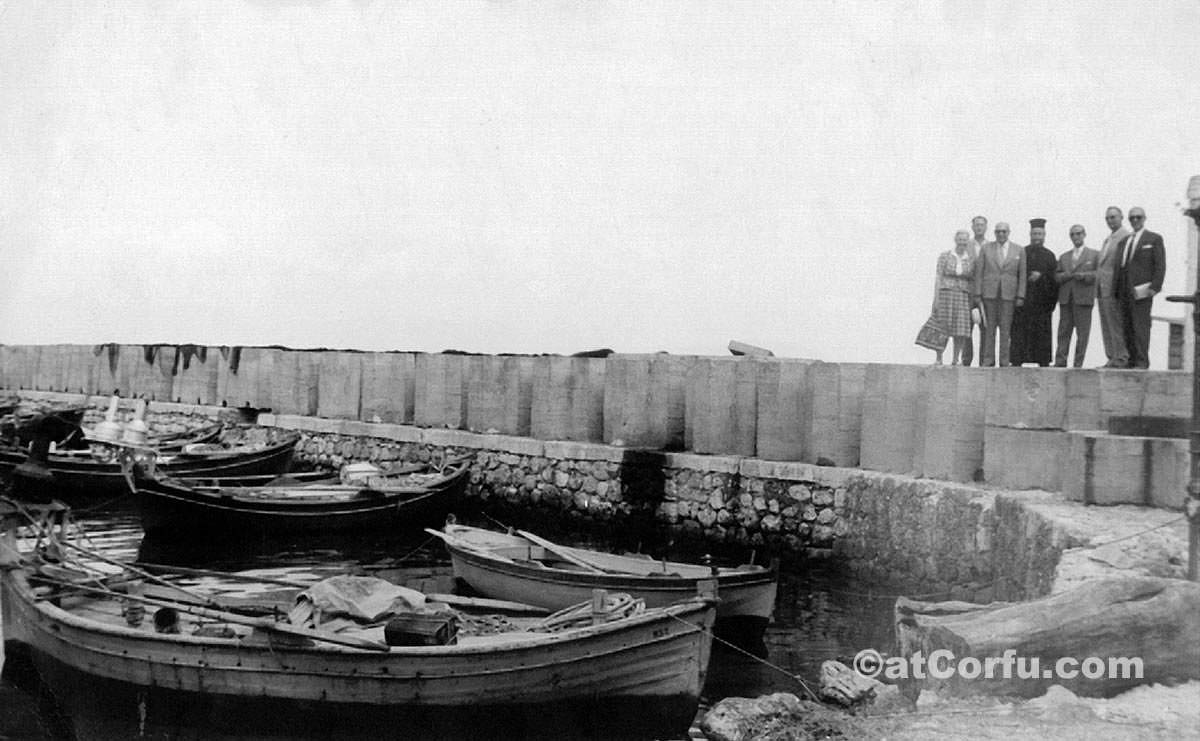
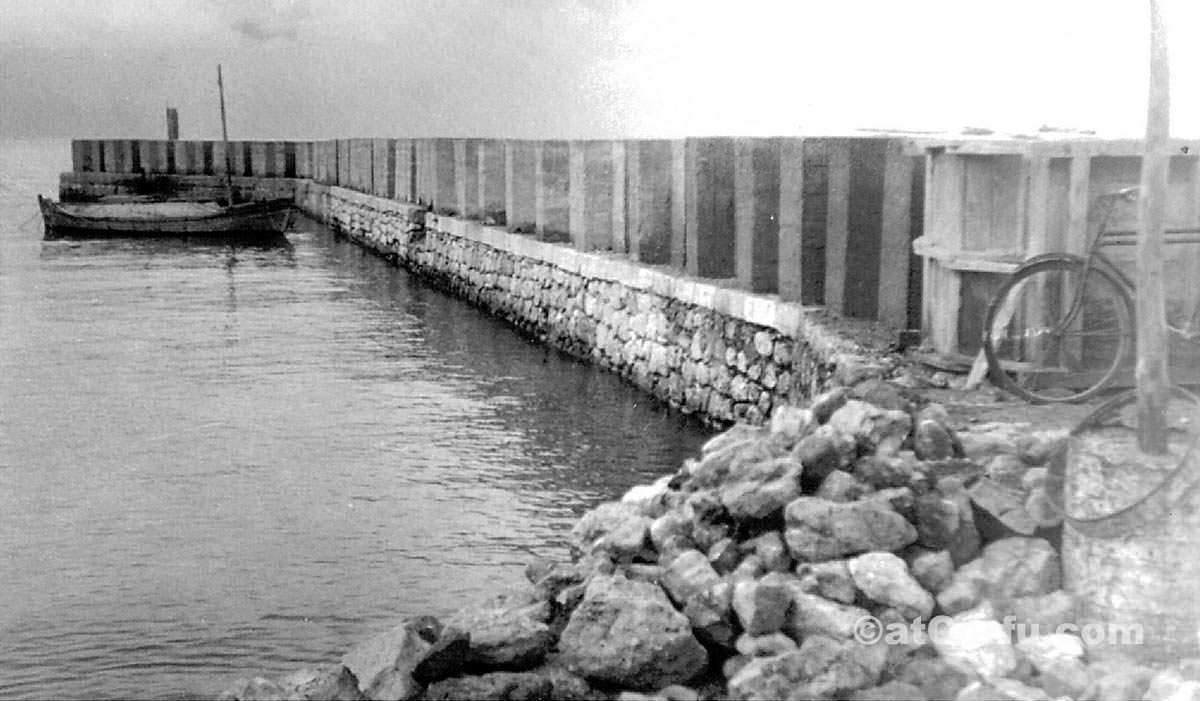
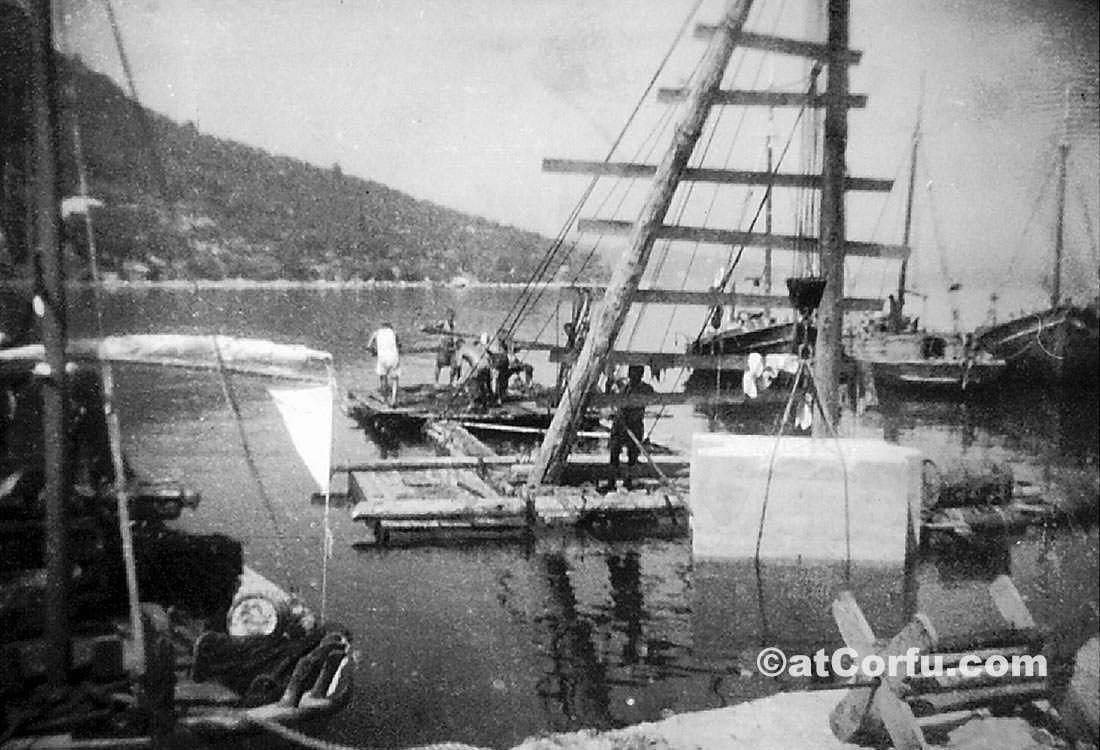
50 photos which are the third group of our old photos collection of Benitses with images of women workers in the groves of the last century, photographs, documents of the construction of the old port in 1960, photos of old fishermen and several others.
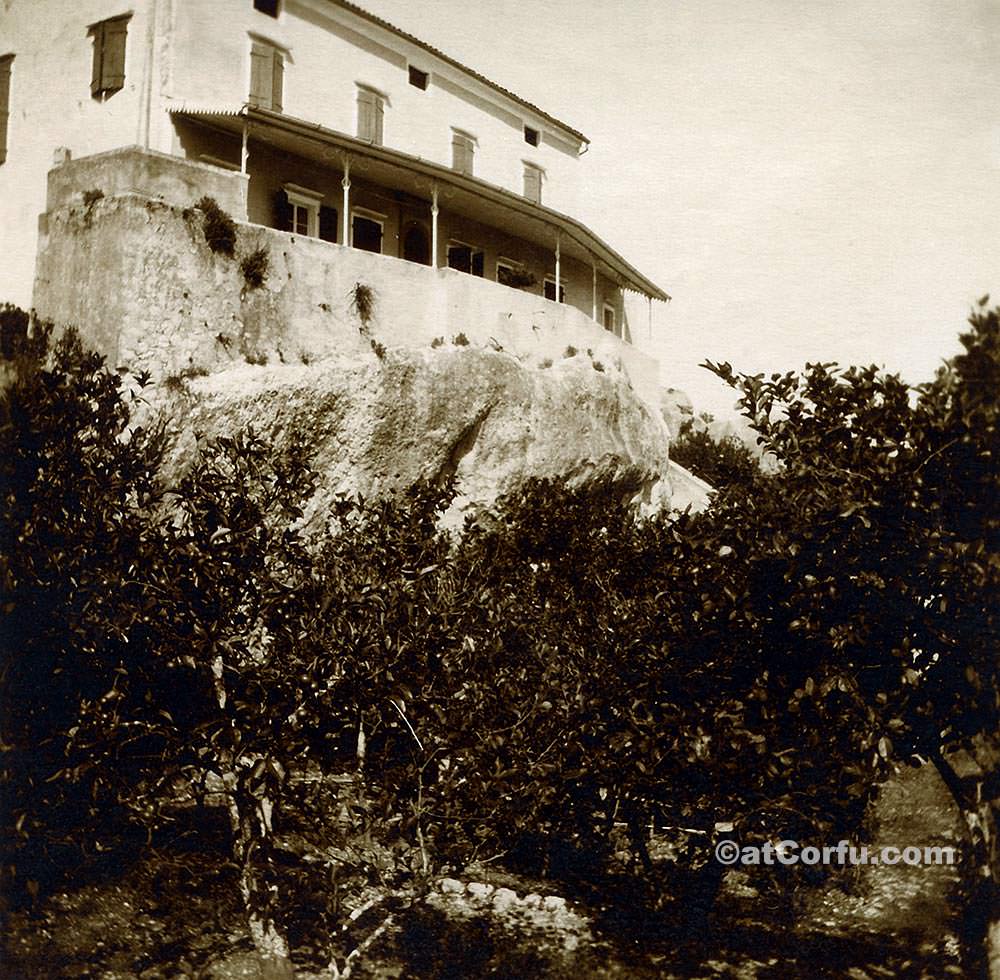
The house of San Stefano was built on the hill just north of Benitses, in 1782, by a member of the great Venetian Giustiniani family, on the site of an older house destroyed by an earthquake- so the new one was built on a rock!
The house was the centre of a large estate and took its name from the private chapel of San Stefano, which is built on the same rock as the house.
Historical references.
San Stefano estate house
Giustiniani was an old noble family, they moved from Constantinople to Venice and Genoa in Italy and became Italians in 1204 after the conquest of Constantinople by the Franks, soon the Venetian branch of the family dominated the Aegean islands of Tzia and Serifos and the Genoese branch acquired the sovereignty of the island of Chios some hundred years later.
Sovereign of the island of Chios Ioannis Ioustinianis arrived in Constantinople in 1453 with 2 Genoese ships from Chios with 400 knights and 300 sailors to fight alongside the last Emperor Konstantinos Paleologos, against the Turks, in the vain and final battle of the Empire …
Ioannis Ioustinianis wounded badly and lost his life shortly after the battle.
Some members of the Venetian branch came to Corfu, the shield with the two-headed eagle in the church of Saint Stefanos indicates the Byzantine origin of the family.
The farm
The farm passed by marriage into the Flamburiari family who lived there in the summer.
At various times it was also used as a monastery, and latterly as a convent- indeed the aunt of the last Tsar Nicholas 2nd, an abbess, came with her nuns and when she went back to Russia she took a young boy from the village with her.
He made his money in Odessa and then returned to Benitses and started the Avra Hotel.
In the early 20th century it came into the Manessi family as a dowry, and the family still own the house.
Photos
We warmly thank the wife of the memorable Stefanos Manesis, Mrs. Jan Manesis, which gave us all those pictures that are on this page and also the page with the “old Corfu photographs of 1900”.
As you notice in the first group, most of the pictures are pics from Manesis family, and in the second group pictures from the workers in the farm during the first quarter of the 20th century.
Of course, the number of photos we have is countless, we will add some more in the near future with their comments where possible and when we are certain that the accompanying information to them is accurate.
During the first half of the 20th century, the farm’s olives were a major source of employment for the villagers of Benitses.
Clearing the undergrowth and collecting the olives gave poor people, especially young women, work.
The family also owned and operated the olive press near the sea and pressed other peoples’ oil as well as their own.
Olive oil was almost a currency at that time- the olive press fee was paid for in a percentage of oil press, and the priest was paid in olive oil to give a monthly service at San Stefano.
With tourism the olive industry fell into decline as people had their own work to do, the cost of labor increased sharply, and mechanization meant that the old olive press was no longer economical to use.
Now the estate has been broken up and developed.
There is still a service in the chapel once a year, on 27th December, often with more than one priest, and there are drinks and snacks for the priest(s), choir and congregation afterward in the old traditional way.
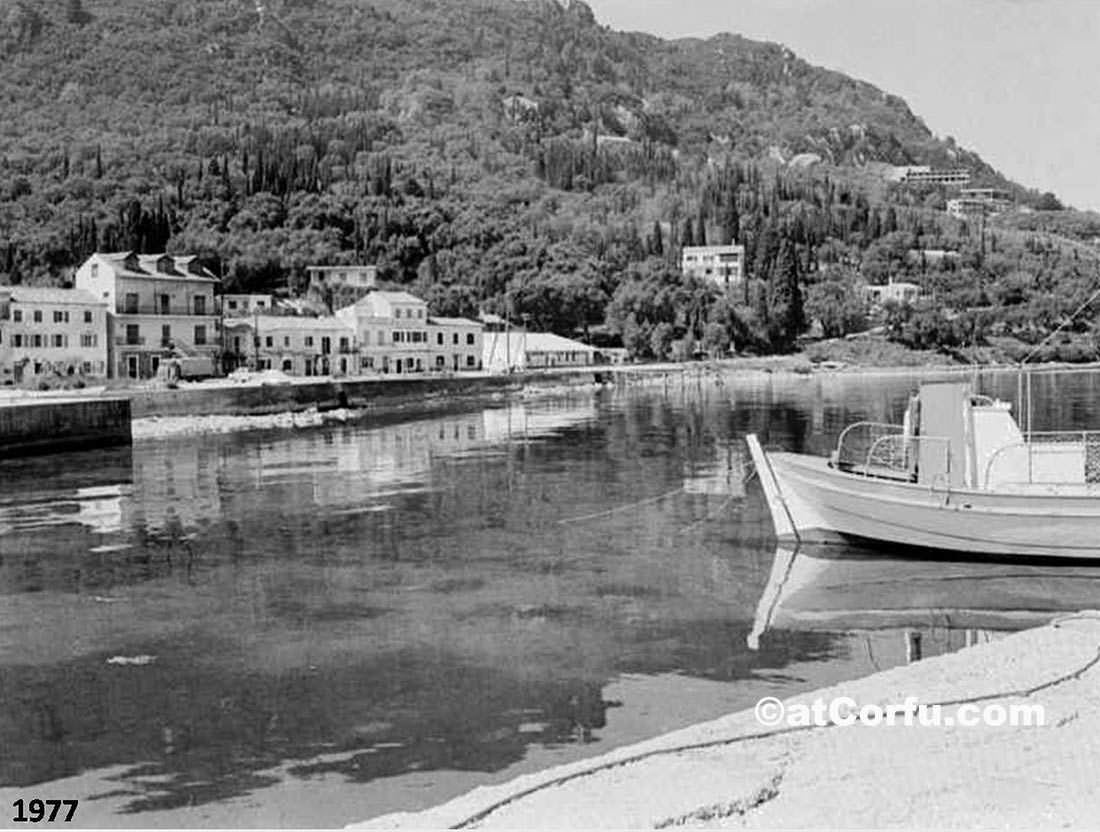
200 (at least) more photos to follow soon..! in section “Gallery” and in page “Benitses of 1950”, with the old fishing boats “Agia Triada” and “Agios Dimitrios”, their following smaller boats with the lamps, many beautiful Benitses landscapes, pictures from that era’s economic activities such as beekeeping.
Also unbelievable photos of Pontikonisi (Mouse island) and photos of some celebrities of the 50s who had repeatedly visited Benitses in the past.
Contains information related to marketing campaigns of the user. These are shared with Google AdWords / Google Ads when the Google Ads and Google Analytics accounts are linked together.
90 days
__utma
ID used to identify users and sessions
2 years after last activity
__utmt
Used to monitor number of Google Analytics server requests
10 minutes
__utmb
Used to distinguish new sessions and visits. This cookie is set when the GA.js javascript library is loaded and there is no existing __utmb cookie. The cookie is updated every time data is sent to the Google Analytics server.
30 minutes after last activity
__utmc
Used only with old Urchin versions of Google Analytics and not with GA.js. Was used to distinguish between new sessions and visits at the end of a session.
End of session (browser)
__utmz
Contains information about the traffic source or campaign that directed user to the website. The cookie is set when the GA.js javascript is loaded and updated when data is sent to the Google Anaytics server
6 months after last activity
__utmv
Contains custom information set by the web developer via the _setCustomVar method in Google Analytics. This cookie is updated every time new data is sent to the Google Analytics server.
2 years after last activity
__utmx
Used to determine whether a user is included in an A / B or Multivariate test.
18 months
_ga
ID used to identify users
2 years
_gali
Used by Google Analytics to determine which links on a page are being clicked
30 seconds
_ga_
ID used to identify users
2 years
_gid
ID used to identify users for 24 hours after last activity
24 hours
_gat
Used to monitor number of Google Analytics server requests when using Google Tag Manager