
10 Things to Know Before Traveling To Greece

Posted in: Traveling in Greece 0
Santorini Landscape
Santorini Landscape

With a past so rich and a future too promising, Greece is amongst the best places to visit if you seek life-changing experiences. The unique culture, traditions, and customs of the place will not only leave you thrilled and entranced but much more learned.

With that said, we recommend all our readers prepare themselves beforehand when traveling to Greece.

No – it won’t ruin your adventure.

No amount of preparation can truly, thoroughly prepare you for the magic of Greece. Even after months of planning and prep, we tell you, you’re going to go there and ask yourself: why didn’t I look it up before?

Nevertheless, here are ten things that we think you should know. Scroll down to have a glimpse of the diversity of experiences that awaits!

1. April – May: Best time to travel

If this happens to be your first-ever trip to Greece, the best time to travel is April – May. It is the shoulder season, which is relatively cool and comfortable as compared to the high season, which ranges from June – to September

The costs for car rentals and hotels are also not as high as during the hot season.

October & November are also good months to schedule your trip to Greece, but we wouldn’t advise any time between late November to Early April.

Seasoned travelers call this the low season, wherein the temperature’s too cold, and the buzz in the streets is almost non-existent.

2. There are loads of ruins to explore!

Now, the sound of the word ruins may not excite you. But trust us, this is what all those Greek legends are all about!

There are dozens of archaeological sites all across Greece, including:

Sanctuary of Delphi: This is the iconic place where the spirit of Apollo got filled into the oracle of Delphi. Historically, it is the prime worship place for Apollo and other gods & goddesses.

Corinth: Previously, Corinth happened to be one of the notable establishments in Greece. Later it was sacked by the Romans, which explains the presence of several magnificent Roman buildings there. You may also visit the Temple of Apollo, the Temple of Aphrodite there, and the secret passage that leads to a shrine.

Ancient Epidaurus: Epidaurus is a historical place that’s a must-visit for music lovers. Here you will get to see the remains of music theatres that Greeks still use for performances and live concerts during summer.

Acropolis of Athens: With four distinct pillars and the highest point of the city, it is amongst Europe’s most important preserves of the ancient world.

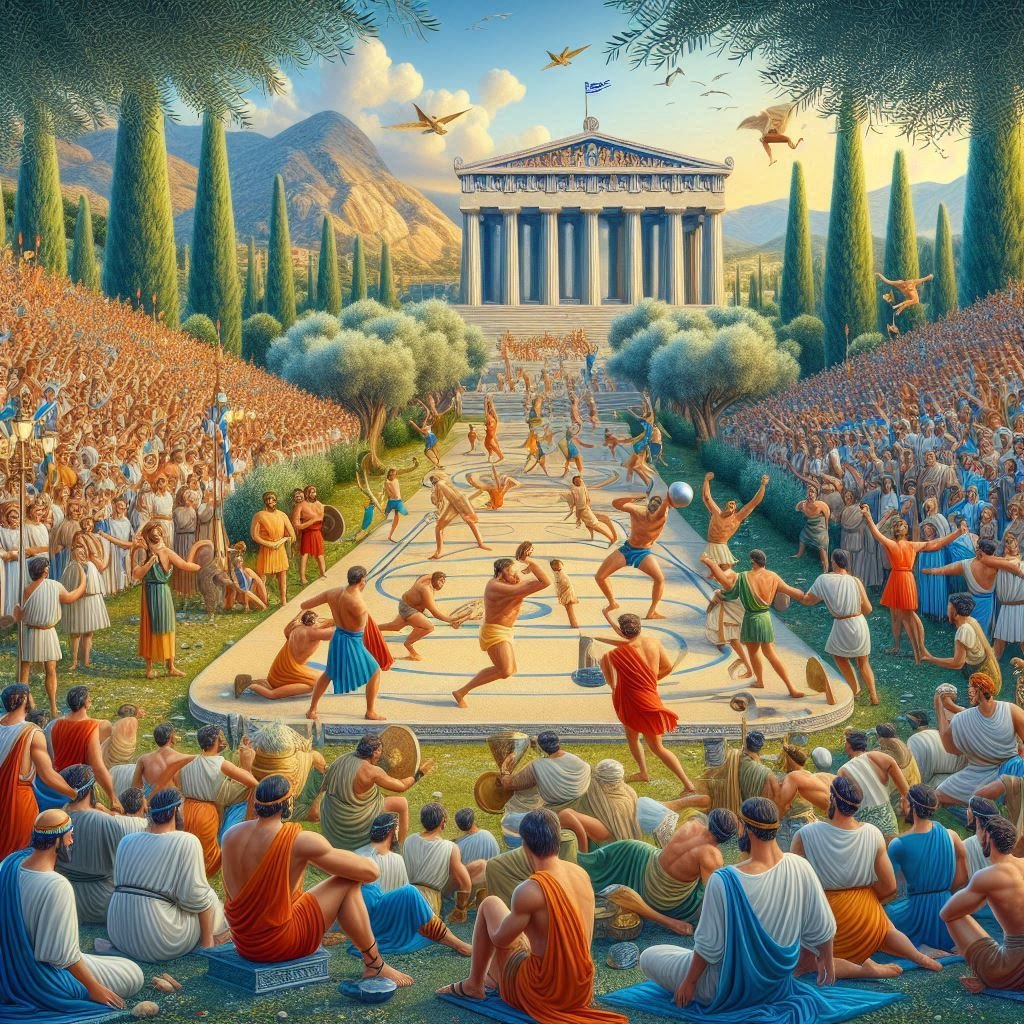
Ancient Olympia: This is the place where the very first form of the Olympic games was held once every four years, i.e., the Pan-Hellenic Games. It is also the place of worship of Zeus (the god of the Greek gods).

Palace of Knossos: Located in Crete, the remains of this once-expansive palace are the place where you will find the very famous labyrinth of the Theseus and Minotaur. Along with that, there are several artworks to explore
You will have plentiful bits of history to learn!

3. Driving is a tough job

The land of Greece is rough and tough. The roads move back and forth with loads of jumps and turns. You may feel as if you are on a mission during the first 10 minutes or so. But as time ticks by, your time on the road will tire you out. So, make sure you take sufficient breaks during the drive.

Another aspect that makes driving a rather tough job is the unique driving rules and regulations of Greece. The speed limit varies by area. For example, in cities, you will have an allowance of 50 km/h. In the countryside, you will have an allowance of 110 km/h, and on freeways, 120km/h is okay.

It is also a common opinion that local Greeks are highly impatient when driving. They may overtake your vehicle, speed up to get past you and take turns at full speed. So, you should better let the locals pass first!
Moreover,  the Greeks drive on the right side of the driving lane. So, if you are from the UK or Australia, you might find it difficult initially.

4. Wiser to Rent a Car

Given Greek road struggles, it’s best to keep yourself well-informed about car rental services in Greece. Rented cars will conveniently get you to and from different destinations without draining your energy and busting a hole in your pocket. Most car rentals are pretty reasonable in Greece.

5. One can’t miss gorgeous Greek beaches

Lastly, you should know well enough about the Greek beaches. They rank as the best beaches in the whole of Europe and truly have magnificent views and magical feels.

Mykonos and Naxos have some of the most popular beaches of all. These are good for fun activities and relaxation respectively.

Lalaria Beach is also widely gets recognized for its mesmerizing emerald water and carpeting white pebbles that make the beach all the more beautiful. The beach offers a soothing and entrancing experience.

The same is true for Shipwreck Bay at Zakynthos.

In total, there are about 400 beaches! (And nine marinas). Now, you can imagine the number of water wonders and scenic beauty that Greece has to offer!

6. Best to explore as many islands as possible

Did you know? Greece has about 226 inhabited islands that house loads of excitement from watching sunsets to exquisite fests.

Most of them are only an hour apart if you travel by ferry. And with so much majesty and adventure all clustered in one place, we guess Greece will most probably rank amongst the top yet again in the list of the best honeymoon destinations in the world!

On that note, we’ll advise you to visit as many islands as you can, instead of spending all your time on one.

7. Birthdays – Not a Celebration

It may sound strange, but the elderly Greeks do not celebrate their Birthdays. In actuality, the elderly may not even remember their birth dates because they associate birthday celebrations with self-obsession and self-centeredness. Instead, the naming days get celebrated.

On naming days, the Greeks arranged an open house and let willing people pay a visit to the person who got named. The guests may bring gifts. And the host arranges a feast. This celebration is similar to that of birthdays.

8. Sundays are Off

As a resident of any other country, you would naturally expect Sunday to be the busiest day of the week, at least on the streets.

But in Greece, it is vice versa. Sundays are the only days that some people get to rest. And so most bakeries, museums, shopping outlets, gas stations, and everything else are closed down. Some restaurants and coffee shops may be open.

9. Greet Good Morning until Dark

No, no – don’t get Greeks wrong. They know the difference between afternoons and evenings. But they will still greet Kalimera, i.e., good morning to one another at any point of the day as long as it isn’t.

10. Late-night plans are a city thing!

Greeks prioritize their midday nap over their night’s sleep. It is almost a part of the modern Greek culture to take some rest during 3-5 pm. Naturally, they tend to stay up late at night.

Children even have their extracurricular activities scheduled for 8 or 9 pm, while you – as a tourist – can easily think of making a booking or appointment at 11 pm!

5 Books to Read During Quarantine to Feel Like Traveling in Greek Islands

Posted in: Traveling in Greece 0
Reading on the beach
Reading on the beach – Image by StockSnap from Pixabay

Probably every tourist will agree that a trip to Greece will remain in the heart forever. This country is a favorite destination for many tourists and a dream for those who have never been there. Azure water, antique luxury, olive paradise, white sand, and antic mysteries are just a part of those that attract people to Greece from all over the world.

Now avid travelers feel confused as most of their favorite destinations are closed due to COVID-19. Fortunately, quarantine is not a limitation of our imagination and everyone can go on a journey without leaving their home. All you need to do is get the right book. Greece has been the muse of many writers for millennia, and today dreamers have a lot of books to read to feel like they are on the Greek islands.

Top 5 Books to Feel Like Traveling in the Greek Islands

An Aegean landscape in Santorini
An Aegean landscape in Santorini – Image by Michelle Raponi from Pixabay

Do you miss Greece? Or are you just dreaming of going on a trip? One way or another, COVID-19 dictates its own rules and changes the plans of people around the world. However, you still can feel like traveling across this ancient country since books are still great tools to travel without leaving your home.

There are many books about Greece, and the first thing that comes to mind is mythology. However, in addition to antiquity, history, and mythology, some books inspire travel.

If you want to find yourself in Greece under the scorching sun, breathe in the sea air, and find yourself among the olive trees, then the following books will help you do it. There are no books on Greek mythology here, and most of them can be a real discovery for the reader.

1. The Names by Don DeLillo

This book is suitable for those who not only want to travel to Greece but also love detective stories. This book by a famous author is not as popular as the others. But this is a real guide to Greece, that will be familiar to tourists.

The author is not only a writer but also a guide. He describes the details as a true traveler and an excellent observer just like how top-notch freelance authors write the best website content.

His text can evoke a love for Greece, even for those who have never wanted to go there. The text seems to take the reader into the bright sun, to the bell tower against the background of a blue-blue sky, stones, and sand. If you have ever been to Greece, then the description of nature and the general atmosphere will make you say “Yes, yes. That’s so true. ”

2. The Corfu Trilogy by Gerald Durrell

The books from this trilogy tell about the five years of the life of the author and his family on the island of Corfu. Initially, the author wanted to describe the animal and natural world of the island in the Ionian Sea. But the author could not omit the stories about his family, so in addition to the delightful description of the island of Corfu, the reader will receive interesting characters and stories.

These books will tell you how Corfu influenced the future of the writer and will immerse you in the life of the island. The words from the book will make you consider a popular tourist destination from another angle, and perhaps your next trip to the island will be a discovery for you in another context.

3. Greece on My Wheels by Edward Enfield

This book is a mix of the author’s journey and Greek history. It will allow the reader not only to imagine Greece but also to plunge into antiquity and historical mysteries. There is no doubt that this book will make you smile and dream.

This book is more than a fun guide. This is a gripping tale of a journey with a mix of historical knowledge and wit that was undoubtedly inherited from the author from his father. If you are looking for a book that will help you delve into various milestones in history, this will be the right choice. This production will open up new pages of Greek history for you, as well as slightly open the veil of the stories of other peoples – Romans, Turks, Albanians, and other nations.

4. Greek to Me: Adventures of the Comma Queen by Mary Morris

If you are in love with Greece and want to find a like-minded person, then Marry Morris is what you need. In short, the title of this book perfectly describes what you read about. This whole book is a declaration of love for Greece, for its language, myths, legends, and culture.

The book is written with such warmth and love for the country that everyone will want to give up all their deals and go to this sunny destination. If you are fond of foreign languages and philology, then you will like this book since the author also focuses on the Greek language, its alphabet, and linguistic details.

5. Greece and The Greek Islands by Lonely Planet

Even though this is not a book but a real guidebook, it will appeal to both experienced Greek tourists and a newcomer. Most people note that this travel guide surpasses many online resources and even Pinterest with its beautiful photos. The guide will allow you to discover new interesting places, and sights of Greece and may become your real helper in your future journey.

There is a lot of information here, not only about the regions and islands but also about which restaurants you should dine in. Therefore, if you plan to go to Greece at the end of the quarantine, then here you can find a lot of useful and interesting information for your future trip.

The Bottom Line

Navayio beach in Zakynthos
Navayio Beach in Zakynthos – Image by Pexels from Pixabay

Most likely, people love Greece so much because from early childhood they are well familiar with its fascinating history and mythology. The above books will allow you to stay in Greece without leaving your home. A person’s imagination has no boundaries, and books are a good impetus to start your exciting journey.

Two babies smile

Beautiful Baby Names Inspired by Greek Mythology

Posted in: Greek Mythology 0
a baby
Child playing with colorful toys.

Every parent wants to pick the most beautiful names for their babies. Each country and culture has quite a few unique names to choose from for your baby. One of the richest sources of unusual and one-of-a-kind names though, is Greek mythology.

If you have run out of ideas or wish to browse through baby names with an interesting backstory, why don’t you choose an ancient Greek name?

Read further. Here are some of the most unusual baby names, as well as their background stories, to help you choose the right name for your baby.

1. Demeter (Demetra)

Demeter or Dimitra in Greek, was the Greek goddess of fertility, grain, and harvest. She was one of the Twelve Olympian gods who lived on Mount Olympus. Demeter was a very important goddess to ancient Greek farmers and peasants who relied on her for good crops for the season. She was the sister of Zeus and the mother of Persephone.

2. Achilles

Achilles was one of the most popular Greek heroes in the Trojan War and was considered to possess remarkable strength and bravery. His weakness, the “Achilles heel,” became a phraseological unit and is widely used worldwide. He is considered a real person belonging to the race of Myrmidon. Myrmidons meant ants, and they lived in Fthiotis, being the first to be called Hellenes.

3. Terpsichore

Terpsichore was the goddess of dance and chorus as well as one of the nine Muses in ancient Greek mythology. Her name means ‘the joy of chorus’ and is oftentimes associated with the word “terpsichorean”, which means “of or relating to dance”. She is depicted holding a lyre and accompanying the dancers with her music.

This would be a great choice for a baby girl born into a family of musicians or people who are truly devoted to these arts.

4. Evander

Evander’s name translates to a good or strong man. He was a hero from Arcadia who brought the alphabet, laws, and pantheon of Greece to Italy. He was also the son of the goddess Carmentis and the god Hermes.

5. Helios

Helios was the personification of the Sun, and he was one of the Titans, the son of Hyperion and Theia. His siblings were Eos, the Dawn, and Selene, the Moon. One of his most memorable images in Greek mythology is of him riding his chariot. He was married to Perse and had several children.

6. Electra

Elektra was a popular character in two ancient Greek tragedies. She was the daughter of King Agamemnon and Queen Clytemnestra of Mycenae. This beautiful name translates to a woman who is radiant with grace.

7. Apollo

Apollo was a god in Greek mythology, one of the Twelve Olympians, and the son of Zeus and Leto, the twin brother of Artemis. He is, among others, considered the god of medicine, archery, music, poetry, and also the sun. He is also the god of justice. Along with all these, this name is also tied to a significant mission.

The US Apollo is a NASA space program that sent the first humans to the moon. This will be a catching topic to write essays on when your child is of school age. With the right educational resources available, they will be able to understand their name and feel proud when writing any school paper.

8. Arete

Arete translates to grace and dignity, and she was a goddess that people connected to many qualities deemed attractive. Some of those were excellence, courage, and knowledge. Arete is also greatly connected to reaching a person’s full potential and is, therefore, an essential quality to the Greeks.

9. Endymion

Endymion was the son of Zeus, and he was known for his beauty, probably having gotten his handsome looks from his father. He was a shepherd who lived in the region of Elis, and he was believed to have been a king. Endymion’s beauty was so great that Selene, the Titan goddess of the moon, fell in love with him. She then asked his father to give him eternal youth.

10. Adonis

Adonis was considered to be a handsome man and a symbol of masculine beauty. He was the mortal lover of the Goddess Aphrodite. As myth has it, the place where Adonis took his last breath was where red roses bloomed for the first time.

To this day, this name is widespread in the US as more and more parents choose it every single year. A very nice name, but destroyed, as today it happens to be the name of the most detestable Greek minister.

11. Iris

Iris, in Greek, translates to the rainbow. In ancient Greek mythology, she was the goddess of the rainbow and an urgent messenger of the Olympian gods. She was also often considered to be the personal messenger of Hera.

Iris was a goddess of the sea and the sky. She was the daughter of another Electra, an Oceanid born by the Titans, and Thaumas, “the wondrous”, a marine god.

12. Hermes

Hermes was an Olympian deity in ancient Greek mythology. He was the herald of the gods as well as the God of boundaries, athletes, speed, and commerce. Hermes was the son of Zeus and Maia, the Pleiad. He was also often regarded as “the divine trickster”.

13. Calypso

Calypso was the daughter of the Titan Atlas, and she was a beautiful nymph of the mythical island Ogygia. If Ogygia was real it should be the island of Othonoi, a small island a few miles northwest of Corfu Island where there is a cave named Cave of Calypso.

She was an influential character in Homer’s Odyssey as she followed the journey of Odysseus for seven years. She tried to promise him immortality, but his longing for his home was a lot more powerful than that.

14. Leander

Leander was a young man who came from Abydos. He lived on the eastern shore of the Hellespont. He was known in Greek mythology as a very powerful swimmer. When he fell in love with one of Aphrodite’s priestesses, he became famous for swimming across the Hellespont every night, so he could see her.

You didn’t find a name to like on our list yet? No problem.

Greek Mythology offers thousands of choices; here are some more beautiful names, mostly for girls!

15. Eris

Eris was one of the primordial gods and means Dispute, but it sounds beautiful as a woman’s name when spelled.

16. Io

Io was a nymph, one of the many lovers of Dias, a Beautiful name that means moon.

17. Leto

Leto was the mother of the gods Apollo and Artemis, a nice and frequent among Greeks.

18. Alkmene

Alkmene is an oceanic nymph, the mother of the most famous hero, Heracles.

19. Metis

Metis was the first wife of Dias and the mother of the goddess Athena.

20. Selene

Selene is the daughter of Titan Hyperion and the personification of the moon.

21. Artemis

Artemis, an Olympian goddess, daughter of Dias and Leto, and sister to Apollo, is a very frequent name in Greece.

22. Athena

Athena was the daughter of Dias and Metis, the goddess of wisdom who gave her name to Athens.

23. Jason

Jason was the hero who, with his Argonauts, stole the Golden Fleece from Colchis.

24. Nereus

Nereus, the old lord of the sea, a Titan, son of the primordial god Pontos.

25. Phoebe

Phoebe was the daughter of Hermes and Aphrodite.

26. Nike

Nike means Victory and was a daughter of the first god of war, Pallas. Also, a very used and nice name.

27. Zelea

Zelea was the Goddess of Jealousy and sister to Nike. As a name is uniquely strange and also very attractive.

If there is a chance for your little girl to become an actress, follow our advice and call her Zelea.

28. Rhea

Rhea, the most important Titaness, wife of Cronos, and mother to Dias. One of the best-sounding names for a beautiful woman.

A woman named Rhea is obliged to be beautiful; otherwise, she has to change her name.

29. Themis

Themis, a Titaness, this name can be used for both girls and boys.

30. Dione

Dione, another Titaness, and a beautiful name.

31. Pandora

Pandora was the first woman on Earth, who married Epimetheus, the name means all-gifted.

32. Enyo

Enyo was the daughter of Dias and Hera, a nice and strange name.

33. Hebe

Hebe was the sister of Enyo, the personification of adolescence.

34. Rhode

Rhode was the daughter of Hermes and Aphrodite. Rhode means Rose, an unusual as well as nice name.

Greek mythology is an endless source of inspiration, fascinating stories, and impressive characters. If you want to give your kid a unique and outstanding name, make use of this list.

Bonus: 100 more names

For girls

  1. Adara – “fire”
  2. Althea – “healer”
  3. Amphitrite – “goddess of the sea”
  4. Andromeda – “ruler of man”
  5. Aphrodite – “goddess of love”
  6. Ariadne – “most holy”
  7. Artemis – “goddess of the hunt”
  8. Athena – “goddess of wisdom and warfare”
  9. Atalanta – “balanced”, a heroine.
  10. Calliope – “beautiful voice”
  11. Calypso – “she who hides”
  12. Cassandra – “she who entangles men”
  13. Circe – “bird”, she was a witch.
  14. Clytemnestra – “famous for her might”
  15. Demeter – “goddess of agriculture”
  16. Dione – “goddess of love”
  17. Echo – “echo”
  18. Electra – “shining”
  19. Eurydice – “wide justice”
  20. Gaia – “Earth”
  21. Hecate – “goddess of magic”
  22. Hera – “queen of the gods”
  23. Hermione – “messenger”
  24. Hestia – “goddess of the hearth”
  25. Io – “moon”
  26. Iris – “rainbow”
  27. Isidora – “gift of Isis”
  28. Leda – “Happy”
  29. Leto – “goddess of motherhood”
  30. Medusa – “protector”
  31. Melaina – “dark, black”
  32. Naiad – “water nymph”
  33. Nyx – “goddess of the night”
  34. Pandora – “all-gifted”
  35. Penelope – “weaver”
  36. Persephone – “the voice of Perseus”
  37. Phoebe – “radiant”
  38. Rhea – “mother of the gods”
  39. Selene – “goddess of the moon”
  40. Thalia – “flourishing”
  41. Thea – “goddess”
  42. Thetis – “sea nymph”
  43. Tyche – “goddess of fortune”
  44. Urania – “heavenly”
  45. Xanthe – “yellow, blond”
  46. Xenia – “hospitable”
  47. Yara – “water lady”
  48. Zephyra – “west wind”
  49. Zephyrine – “west wind”
  50. Zoe – “Life”

For boys

  1. Aeneas – “praise, worthy”
  2. Ajax – “eagle”
  3. Alastor – “avenging spirit”
  4. Apollo – “manly beauty”
  5. Atlas – “enduring”
  6. Castor – “beaver”
  7. Chrysippus – “golden horse”
  8. Cronus – “time”
  9. Damon – “to tame, subdue”
  10. Darius – “wealthy”
  11. Demetrius – “follower of Demeter”
  12. Dionysus – “follower of Zeus”
  13. Endymion – “to dive into”
  14. Hector – “steadfast”
  15. Helios – “sun”
  16. Heracles – “glory of Hera”
  17. Hermes – “messenger to gods”
  18. Icarus – “to fly”
  19. Jason – “healer”
  20. Kadmos – “the east”
  21. Leander – “lion man”
  22. Lysander – “liberator”
  23. Menelaus – “strength of the people”
  24. Narcissus – “sleep”
  25. Nestor – “voyager”
  26. Odysseus – “wrathful”
  27. Orion – “son of fire”
  28. Orpheus – “to be deprived”
  29. Paris – “wallet, purse”
  30. Perseus – “to destroy”
  31. Phoenix – “dark red”
  32. Pollux – “very sweet”
  33. Priam – “redeemed”
  34. Proteus – “the first”
  35. Theseus – “to set”
  36. Tiberius – “the Tiber River”
  37. Titan – “strength”
  38. Triton – “son of Poseidon”
  39. Tycho – “hitting the mark”
  40. Ulysses – “wrathful”
  41. Xanthus – “yellow, blond”
  42. Xenophon – “friend of strangers”
  43. Yannis – “God is gracious”
  44. Zephyr – “west wind”
  45. Zeus – “leader of gods”
  46. Aries – “god of war”
  47. Acastus – “unwavering”
  48. Aristaeus – “best”
  49. Erasmus – “beloved”
  50. Evander – “good man”
The Flood of Deucalion

Who are The Hellenes? The Real Name of the Greeks

Posted in: Greek Mythology 2

Hellas is the land of Hellenes, that is, the land of the Greeks. But why do we call Greece Hellas, and who are the Hellenes?

Well, the question is wrong and should be reversed! It should be as follows: Why do we call Hellas Greece, and who are the Hellenes?

The term “Hellenes” is the historical name for the Greeks and has been used to refer to the people of Greece since antiquity. Its origins can be traced back to ancient Greek mythology and history, specifically linked to Hellen, the legendary son of Deucalion and the ancestral figure of the Greek people.

The word “Hellenes” was commonly used to describe the Greek people and their culture in ancient times and is still used today within the country of Greece, both officially and among the Greeks themselves.

The Mythological Origin of the Hellenes and Hellas

Please note that the name Hellen has nothing to do with Helen of Troy; rather, it refers to Hellen (written with two ‘ll’s), who was the first son of Deucalion.

According to Hesiod’s Theogony, the Flood of Deucalion marked the beginning of Hellenic civilization.

A common feature in nearly all mythologies is the blending of myths with historical reality, making it difficult to discern what is true and what is fictional.

The Aegean islands of Cyclades and Crete were inhabited and prospered for many centuries before the emergence of the Achaeans, the first Greek civilization in Mycenae.

In the Cyclades, the Pelasgians established the earliest European civilization, dating back to 3000 BCE.

Not much is known about them, except that they had a written language using the Linear A script, which remains undeciphered to this day. Later, they adopted Linear B, evidently an evolution of Linear A.

Linear B has been deciphered and can be understood; it is a syllabic writing system that reveals Greek words and Greek names when read.

The precise relationship between the Pelasgians and the Greeks is still not fully understood.

On the island of Crete, the same civilization is known as the Minoans, named after their most famous king, Minos. The Minoans also employed the Linear B writing system, as did the Mycenaeans.

Greek Mythology - The flood
Greek Mythology – The flood

The Flood of Deucalion

Flood of Deucalion - The first Hellenes
Flood of Deucalion – The first Hellenes

Here is a portion of Hesiod’s Theogony that describes the origin of the Greeks (Hellenes), and consequently, the origin of the names Hellenes and Hellas.

Greek Theogony, though a work of mythology, is often more engaging than the Bible’s more prosaic cosmogony.

These tales have been passed down from generation to generation, each time perhaps becoming slightly embellished or distorted.

Let’s dive into it!

Following a catastrophic flood (distinct from Noah’s), all people vanished, leaving only two survivors: Deucalion and Pyrrha.

Deucalion was the son of the Titan Prometheus, who had created the human race and bestowed upon them the gift of fire.

Pyrrha, on the other hand, was his wife and the daughter of Pandora, the first woman created by the gods. Pandora’s name is likely familiar to many.

Before the flood, Prometheus advised his son Deucalion, who ruled in Thessaly, to construct a substantial ark, stock it with provisions, and pray for the best outcome.

Soon, the heavens opened, and the Earth was inundated. Deucalion and Pyrrha’s ark drifted for nine days and nights until it came to rest atop Mount Parnassus. From this vantage point, they had a clear view of Delphi, where the renowned Oracle would later be established.

Delphi was regarded as the navel, the very center of the Earth, in the beliefs of ancient Hellenes.

Does any of this sound reminiscent of the biblical tale of Noah’s ark? It certainly does; it’s essentially the same myth.

How were the first Hellenes born after the Flood?

After Deucalion and Pyrrha were rescued, they received an order from the God of Gods, Zeus (Jupiter). They were instructed to gather as many stones as they could find and toss them over their shoulders.

The stones that Deucalion threw transformed into men, while those thrown by Pyrrha became women.

They were the first Hellenes to repopulate Hellas, because the first stone thrown by Deucalion became a man named Hellen or Hellenas, who went on to have many children. Among his offspring were Aeolus, Dorus, Xuthus, and Ion.

These descendants became the ancestors of the Greek tribes known as the Aeolians, Dorians, Achaeans, and Ionians, respectively.

They were all referred to as Hellenes, and their land was known as Hellas.

It’s a fascinating story, isn’t it?

Roman imposition of Christianity and suppression of Hellenism

Hellenes posed a constant challenge to the early Roman Empire because they championed free thinking and rejected the doctrines of the emerging religion.

Emperors employed persecutions, massacres, and the destruction of ancient monuments. They even went so far as to burn libraries containing invaluable ancient knowledge, stalling human progress. Oppression and numerous other atrocities were unleashed upon the Hellenes.

The first documented destruction of the Parthenon occurred in the 4th century CE at the hands of Christian extremists. This is an undeniable historical fact often omitted from our educational system.

However, Greek culture proved too resilient to be suppressed, prompting the Emperors to take more drastic measures to neutralize the Hellenic threat, including a change of name.

The Romans referred to the Hellenes of Southern Italy as “Graecus“.

Both Hellas and its inhabitants were renamed Graecia (Greece) and Graecus, respectively, in the wake of this shift. This was done to eradicate the term “Hellas” and reduce any perceived threat to the new religion, as the Hellenes continued to identify as Pagans.

It’s well-documented that the use of the word “Hellenes” was strictly forbidden for several centuries in the Roman and later Byzantine Empires.

Consequently, the Latin names Graecia and Graecus persisted in Romance languages, designating both the land and its people.

Is Greek Mythology Real?

For the people of that era, these myths were absolutely real—they structured daily life, explained natural phenomena, and guided moral conduct, much like Christian narratives still dictate society today. The question isn’t whether they believed—they did. The real wonder is how long such influence persists.

Humanity lost nearly twenty centuries of progress under the weight of rigid religious dogma, as invaluable knowledge was destroyed and free thought suppressed.

The correct name for Greece should be Hellas

Therefore, the correct name for the Greeks is “Hellenes,” and their land should be called “Hellas.”

In 1827, the Greeks achieved their independence from the Ottomans. European public opinion, especially among Philhellenes, expressed a desire to name the new country “Hellas”

However, the Greek Orthodox Church vehemently opposed the international adoption of the name “Hellas” for the new nation. To the clergy, this name evoked memories of the old Hellenic legacy and the pagan religion.

However, within the country, the name “Hellas” prevailed. In countries where Romance languages were spoken, the Roman-derived name “Greece” became the standard.

Now, why doesn’t the Greek state attempt to internationally change the name, considering that “Hellas” is the only commonly used name within the country among the Greeks?

Buckle up, because changing a country’s international name is no small feat. It’s like deciding to rearrange your entire room – pros and cons galore.

At that time, folks believed it would be a monumental task with results that might not be all rainbows and butterflies. They figured the gain wouldn’t match the effort. So, despite “Hellas” being the beloved name at home, the international stage didn’t get the memo.

And there you have it – a tale of tradition, identity, and a decision that might’ve seemed simple but came with a whirlwind of complexities. The name “Hellenes” might be the heart of the country, but sometimes, change is like an intricate puzzle that takes time and consideration to piece together.

7 Condiments That Bring Greece Taste Even In Your Home

Posted in: Traveling in Greece 0

A holiday in Greece isn’t complete without enjoying food made with these seven sauces.

For many years Greece has been a holiday destination for many people and families thanks to its child-friendly beaches, amazing blue waters, and delicious food made with amazing ingredients you cannot find anywhere in the world.

In this article, we’re going to share with you seven condiments Mediterraneans use to spruce up their meals.

The Mediterraneans believe that summer meals aren’t a pleasure without adding a few condiments.

It appears that the addition of these condiments is what keeps them protected and healthy.

Let’s sample the seven sauces that bring Greek taste even to your home.

condiments
condiments

1. Yogurt tahini sauce

Tahini is a delicious sauce much like tzatziki although tzatziki is made from toasted and ground sesame seeds. The seeds are sometimes roasted or used raw.

Often, tahini is used to make dressings, snack bites, etc.

Tahini is the favorite condiment in most foods due to its delicate roasted sesame flavor and versatility.

The Mediterraneans use it to spruce up roasted eggplant and bell peppers.

Tahini is also the foundation of most Israeli sweets, cookies, etc.

Besides, the Mediterraneans are also experimenting with combining this delicious sauce with other ingredients.

Below, we’re going to share with you an Israeli recipe involving a mix of tahini and yogurt to make a light sauce.

The sauce can also spruce up baked and grilled fish and you can also make a dip for raw carrots and cucumbers out of the sauce.

Let’s learn the recipe for this delicious condiment below.

Yogurt tahini sauce with roasted eggplants and bell peppers: Israeli recipe

Things you’ll need:

  1. 2 tablespoons of tahini paste and fresh lemon juice respectively.
  2. ¼ teaspoon salt.
  3. 6 tablespoons of Greek yogurt.
  4. 1 pressed garlic clove.
  5. Put all these ingredients in a medium-sized bowl or plate.

Roast eggplant and bell peppers:

  1. Cut 1 medium eggplant into strips.
  2. Cut 2 big red bell peppers into quarters- you can use two bell peppers of different colors if you wish to.
  3. Place the eggplant strips and bell pepper on a baking sheet with the strips skin side down and the peppers skin side up.
  4. Cover the vegetables with drips of olive oil.
  5. Add salt and pepper to make your sauce flavorful.
  6. Bake the mixture at 200 degrees Celsius for 30 minutes.
  7. Spatter sesame seeds above the baked vegetables.
  8. Serve with the olive oil on a baking sheet and dress with yogurt tahini sauce.
  9. You can also use other roasted vegetables such as sweet potato strips, green beans, etc.

2. Amba sauce

Amba sauce, otherwise known as mango sauce or mango chutney is a condiment originating in India; however, the Mediterranean have adopted and adapted it into their cuisine and they use it in dishes like shawarma, falafel, and many more.

In some recipes, fresh and dried mangos are used; however, in our recipe, we’re going to use pickled green mangoes.

Amba pickled mango sauce recipe

Things you’ll need:

  1. 2 Peeled and cut mangoes, into chunks
  2. ½ tablespoons of black pepper and ground coriander respectively.
  3. 1 tablespoon ground fenugreek, another one for turmeric, and minced head garlic cloves.
  4. 1 or 2 tablespoons salt.
  5. 2 tablespoons of hot paprika and cumin seed respectively.
  6. 1 teaspoon mustard seed.
  7. Half or 1 cup water.
  8. ¼ cup olive oil- you can use grapeseed instead.
  9. 2 tablespoons of brown sugar- you can use honey instead.

How to prepare Amba sauce

  1. Cover the peeled and cut mango pieces with salt completely and put them in a jar then place them in the sun for around 4 days.
  2. Take out the mango pieces and dry them on parchment paper for at least 3 hours- you can use an oven on warm as well. Remember to reserve the juice because you’ll need it later.
  3. Heat the olive oil in a small pot, add spices, and stir until you hear some noise popping out of the pot.
  4. Stir for 3 more minutes, add garlic, and honey or brown sugar, then stir for 3 minutes again and add mango, water, and reserved juice then stir the mixture again.
  5. Stop heating then use an immersion blender to make a smooth sauce.
  6. Taste salt and add more if not enough.
  7. Put the sauce in a sealed jar in the fridge for around one week. That’s it!
  8. Enjoy your sauce.

3. Tzatziki sauce

Tzatziki is one of the most delicious dishes the world has adopted from the Greeks.

This condiment is similar to tahini but has some differences in that it’s seasoned with fresh herbs and a little garlic.

You’ll never miss this condiment on any Greek food list. This sauce is delicate though and is supposed to be eaten fresh hence making it a great summer dish.

You can make tzatziki in your home because it’s easy to make. It can also be added to any food.

You can use full-fat Greek yogurt but if you don’t have this, you can put your yogurt in the refrigerator for some hours.

You’re going to get hands-on with this condiment. For instance, you’ll need to cut cucumber and chop up some herbs.

You will also need to stir your mixture, place the tzatziki onto a plate, and garnish it with drips of olive oil.

Let’s learn how to prepare the tzatziki sauce.

Things you’ll need:

  1. 2 tablespoons of olive oil, 1 tablespoon chopped fresh mint, and 1 large garlic clove pressed or minced.
  2. Half a teaspoon salt or more according to your taste.
  3. Sprinkling tablespoon.
  4. 2 and a half cups of full-fat Greek yogurt or 3 cups of ordinary yogurt.
  5. 1 and a half tablespoons white vinegar and one large cucumber around 10 ounces.

How to make tzatziki sauce

  1. Put a clean kitchen towel inside a strainer and add 3 cups of ordinary yogurt inside.
  2. Put the strainer onto a bowl in a fridge for around 2 hours to make the yogurt thicker.
  3. Peel the cucumber and cut it in half horizontally. Remove the seeds if any.
  4. Use a box grater with large holes to grate the chopped cucumber.
  5. Tip the grated cucumber into a fine strainer and add salt over it.
  6. Mix thoroughly and let the cucumber drain for at least 9 minutes.
  7. Squeeze out the liquid from the cucumber using your hands or push it around in the strainer using the bottom of a heavy glass. You can use a potato masher to squeeze the cucumber.
  8. Press garlic and slice the mint finely.
  9. Put the yogurt into a medium-sized bowl; add the cucumber, olive oil, vinegar, mint, and salt. Taste and add salt if needed.
  10. Add some ground pepper if you like and put the mixture in the fridge so the flavors can balance before serving.
  11. Tzatziki works well with most traditional Greek foods.

4. Matbucha

Whatever dish you’re preparing, matbucha can spruce it up. You can use it in a pita, cover rice, fish, or sever matbucha over chicken cutlets, or as a topping for any Greek dish.

Learn how to make this condiment below.

Things you’ll need:

  1. 2 onions and 2 green peppers.
  2. 6 garlic cloves and 6 vine-ripened tomatoes.
  3. ½ cup lemon juice.
  4. ¼ cup olive oil.
  5. 1 teaspoon Schug, salt, and ground pepper.

Matbucha recipe

  1. Place a baking sheet with parchment paper over an oven preheated at 375 degrees Fahrenheit.
  2. Cut peppers and onions into quarters and slice end off tomatoes then cut them in half.
  3. Add all vegetables into a large bowl plus olive oil, salt, and pepper.
  4. Roast it until it starts to turn brown onto parchment paper while spread.
  5. Let it cool slightly then throb in a food processor with about 2 tablespoons tomato paste, some dribs of olive oil, fresh lemon juice, and Schug.

5. Aioli sauce

If you’ve seen this sauce listed in a restaurant in the Mediterranean and you’re wondering what it is, then wonder no more because the name “aioli” is a compound made with garlic and oil. It’s simply a garlicky mayonnaise that you can add to chicken, salmon, or any fried fish, spread on bread, and many other Greek foods.

Let’s learn how to prepare this sauce.

Things you’ll need:

  1. 1 whole egg, a cup of olive oil, and squeezed lemon juice. Use one lemon.
  2. 2 large garlic cloves or 3 medium-sized ones.
  3. White pepper to add flavor.
  4. ½ teaspoon salt and another one for good prepared mustard.

Aioli sauce recipe

  1. Add all the ingredients into a bowl of the food processor except the olive oil.
  2. Run the food processor for 2 minutes.
  3. Add the olive oil to the pierced food pusher while processing.
  4. Allow it to dip in and open the food processor after about 2 minutes. That’s it!

6. Schug

Take a stroll around any Israeli open-air market and you’ll never miss a table selling Schug.

Schug is sold in red or green versions and customers love it.

Schug derives its name from a traditional grinding stone the Greeks used to break down raw peppers and garlic into a paste.

It only takes 15 minutes to prepare Schug- expert chefs recommend using a food processor instead of a blender.

Let’s learn how to make Schug briefly.

Things you’ll need:

If you wish to make green Schug, these are the ingredients you’ll need:

  1. 1 large bunch of coriander leaves and 1 teaspoon of salt and ground black pepper respectively.
  2. 3 tablespoons olive oil and 3 large hot green peppers.
  3. 1 tablespoon fresh lemon juice and 1 head of garlic cloves peeled.

For red Schug, these are the ingredients you’ll need:

  1. 1 teaspoon of ground cumin and salt respectively.
  2. 5 large hot red peppers.
  3. 3 tablespoons of olive oil and 5 large garlic cloves peeled.
  4. ½ large bunch of coriander leaves.

Steps to make Schug

  1. Wash and dry the coriander leaves carefully and chop them coarsely then remove most of the stems.
  2. Remove the husk of the garlic and chop it coarsely.
  3. Wash and dry the peppers then chop them coarsely.
  4. Put the garlic, coriander leaves, and peppers in the food processor and run the machine on high heat for several minutes to make a chunky paste.
  5. Put some salt, and pepper and run the machine again.
  6. Stop and stir the olive oil by hand.
  7. When making a green Schug, cover the surface of the sauce with lemon juice before taking it out to obtain a green color.

That’s how to make red and green Schug.

7. Silan sauce

If you’re looking to incorporate nutrient-rich dates into your diet deliciously then silan sauce is what you need to make. Because it is made from dates.

The good news is that making this sauce is easy. A lot of the ingredients needed are already prepared and you can find them at your local grocery.

To make this sauce, you’ll need:

  1. 1 teaspoon of hot Spanish paprika, parsley flakes, and salt.
  2. ½ teaspoon black pepper and 2 pounds chicken cutlets.
  3. 3 cups of bread crumbs.
  4. ¼ cup of Dijon or brown mustard.
  5. 1 tablespoon garlic powder.
  6. ½ cup mayonnaise.
  7. 1 cup silane.
  8. 2 tablespoon grilling spice.

How to make the sauce

  1. Heat the oven to 350 degrees Fahrenheit before you start processing and line the baking sheet with parchment paper.
  2. Pound cutlets to have an even thickness and cut them with scissors into 3” long and 1” wide strips.
  3. Throw chicken pieces in a small bowl with mustard and mayo.
  4. Mix bread crumbs with seasonings in a medium bowl.
  5. Add chicken strips onto wooden skewers to form an S shape.
  6. Put them into bread crumbs to coat then spread on parchment paper.
  7. Bake for about 15 minutes. Slice one of the chicken skewers to taste whether everything is ready. When ready, your sauce should be white and juicy.
Author Bio:
Joshua Sharp is a food blogger who contributes content to one of the best essay writing services UK blog. Joshua is also interested in traveling, and learning about different cultures and food.

Malaka in Real Life: Greek, British & French Video Clips

Discover how the Greek word “Malaka” is used in everyday life across different cultures. From a passionate Greek football fan to a cheeky Brit and a clueless French inspector, these authentic video clips capture the humor, spirit, and variety behind this popular expression. Dive in and see the playful side of language in action!

Greek Football Nut’s Classic “Malaka” Moment (Video)

Cheeky Brit’s Hilarious Use of “Malaka” (Video)

French Inspector’s Clueless “Malaka” Encounter (Video)

For more about the meaning and usage of “Malaka,” visit our main Malaka page

1 12 13 14 15 16 17 18 51