



After the chaos unleashed by the winds of Odysseus’s own fleet, the journey in the Odyssey did not return to calm waters.
Instead, it drifted into something far more confined — a place where the sea itself seemed to narrow into a trap.
The Harbor Without Escape
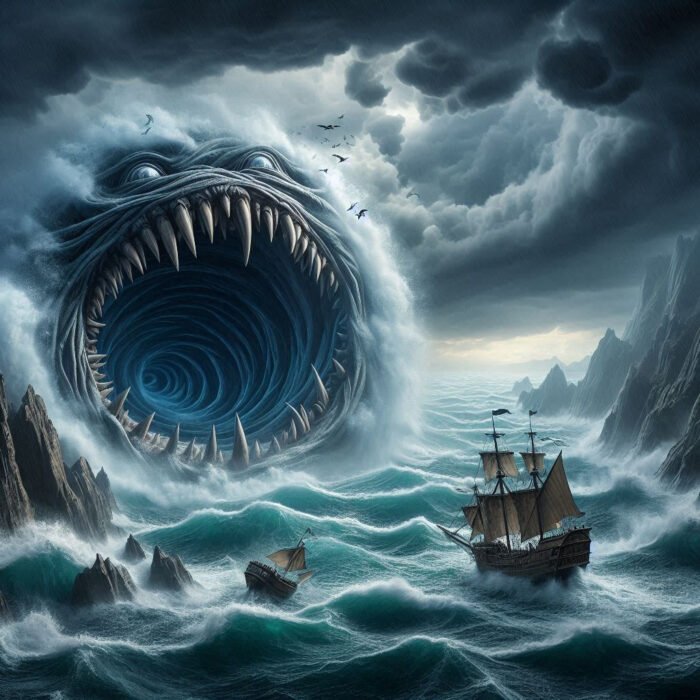
The ships of the Odyssey entered a strange land of steep cliffs and a hidden harbor, where the entrance was so narrow it felt less like a gateway and more like a closing jaw.
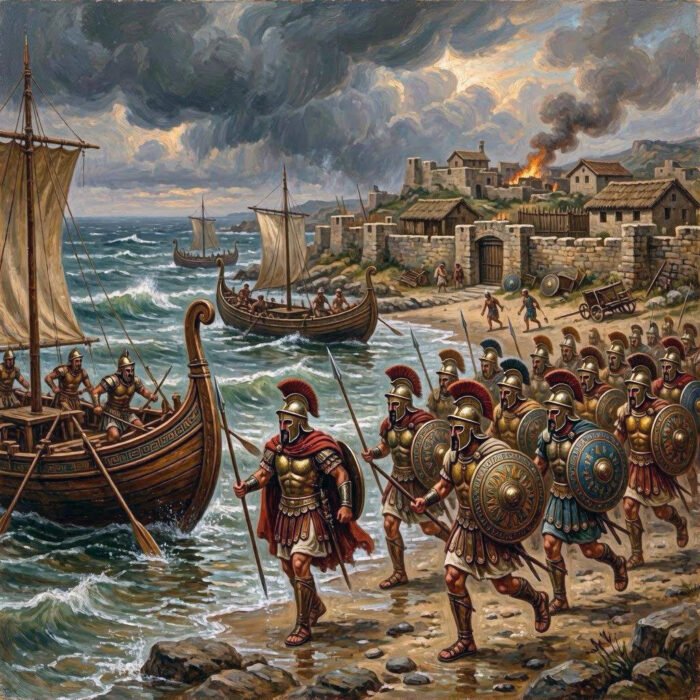
At first, the place seemed peaceful. No armies waited on the shore. No signs of war.
But silence, in the Odyssey, is rarely safe.
The Giants Behind the Rocks
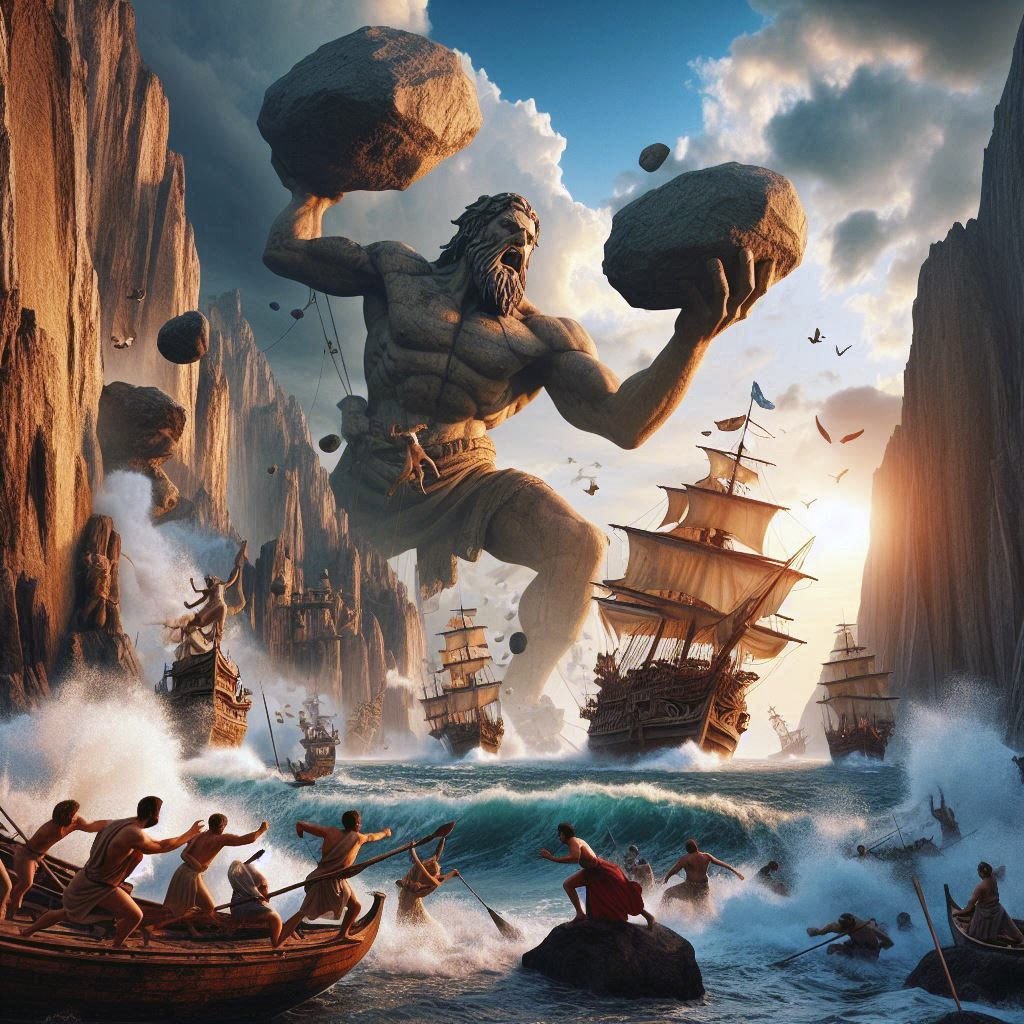
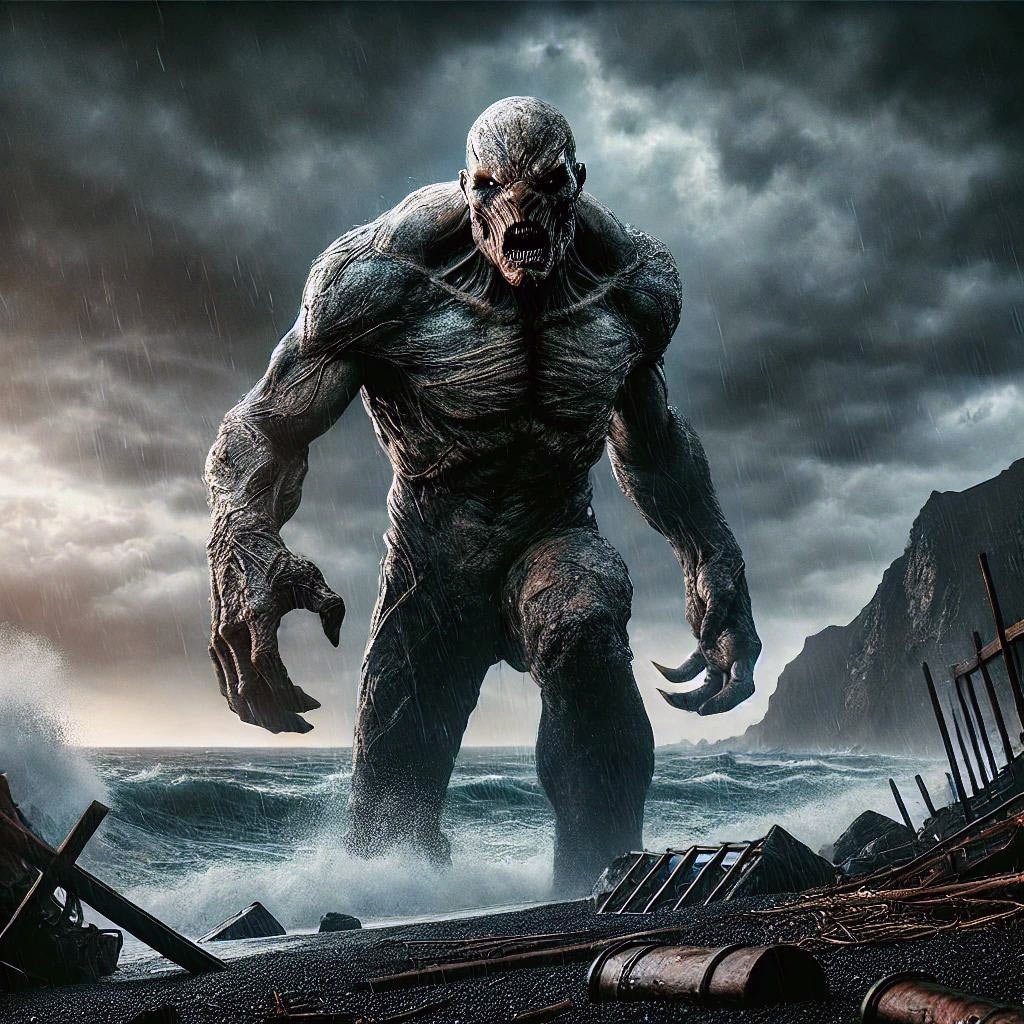
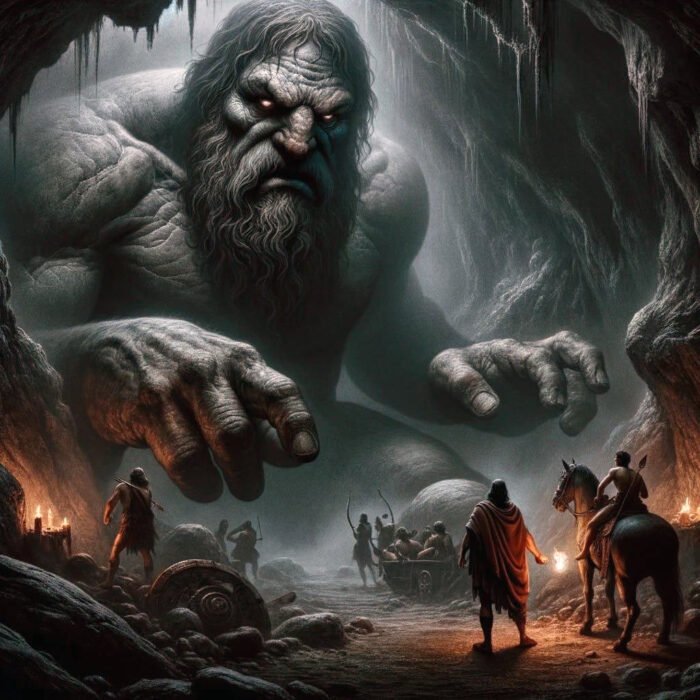
The Laestrygonians lived beyond the normal scale of men. Not soldiers, not sailors — but giants, closer to forces of nature than civilization.
When Odysseus sent scouts into their land, they did not return as messengers.
They returned as prey.
The First Strike of Destruction
Without warning, the harbor turned into a slaughter.
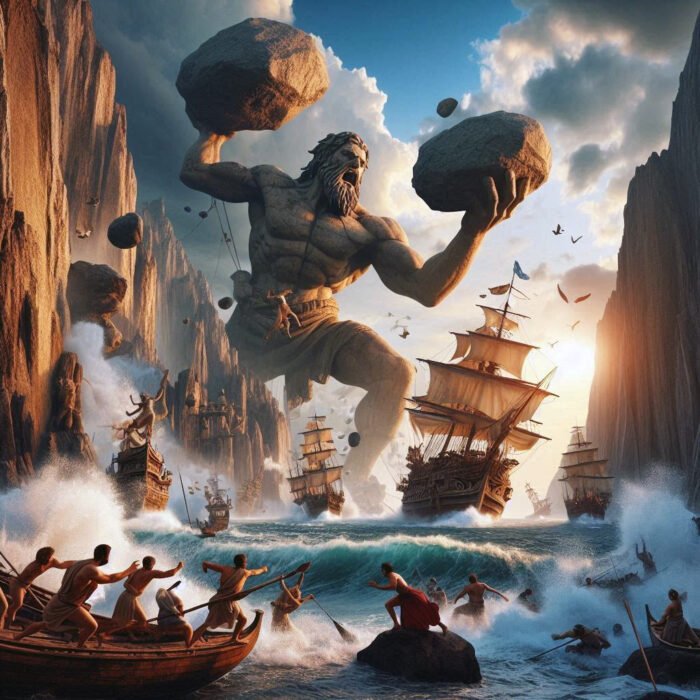
Massive rocks were hurled from the cliffs, crushing ships where they stood. Men were speared and devoured as if they were no larger than fish caught in nets.
The calm illusion of the Odyssey collapsed in a single moment of violence.
The Loss of the Fleet
One by one, the ships were destroyed, trapped inside the narrow bay. There was no space to maneuver, no room to escape the closing walls of stone and sea.
Odysseus alone managed to cut his ship free.
Behind him, the entire fleet of the Odyssey vanished.
The Meaning of Collapse
This episode marks one of the most devastating turns in the Odyssey.
It is no longer a journey with companions.
It is no longer a shared return.
From this point on, the Odyssey becomes the path of a single survivor moving through the wreckage of everything that once sailed with him.
Comments