

Overview of Greek Mythology
Greek mythology is one of the most influential mythological systems in human history, with roots in the Bronze Age and evolving over many centuries in ancient Greece.
It explains the world’s origins, the gods, heroes, and humanity’s place in the cosmos.
1. Origins and Development
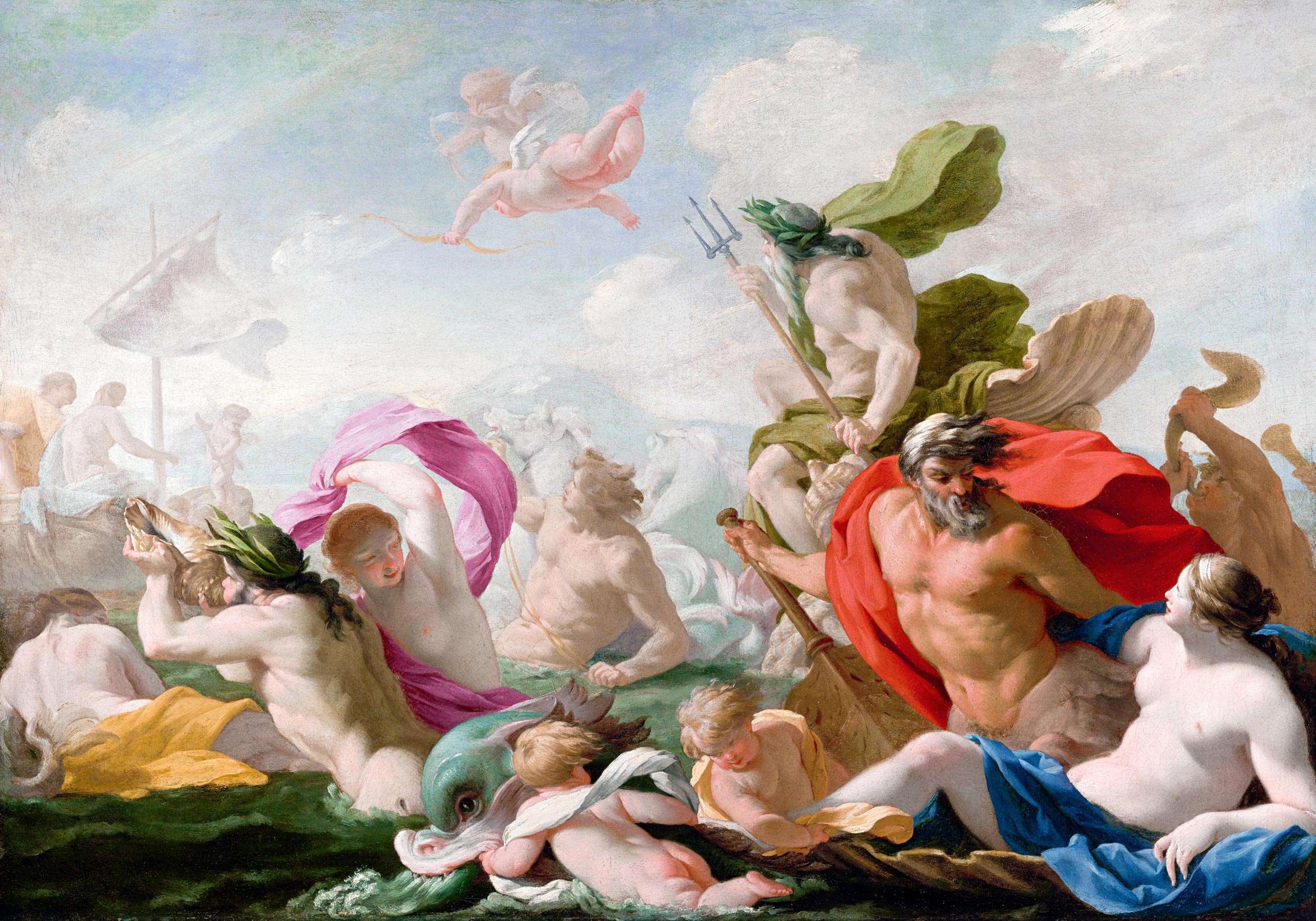
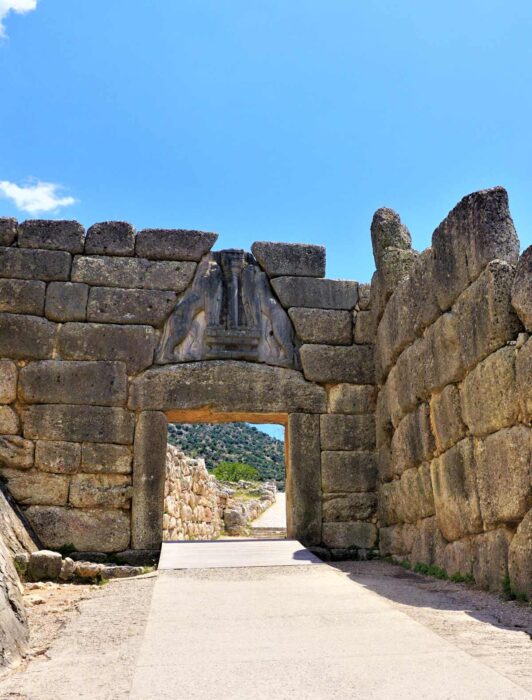
The roots of Greek mythology can be traced back to several ancient cultures, particularly the Minoan civilization on Crete (circa 3000–1450 BCE) and the Mycenaean civilization (circa 1600–1100 BCE).
Archaeological evidence, such as frescoes, pottery, and tablets, suggests that many of the stories and deities in classical Greek mythology have even older antecedents from Bronze Age societies.
For centuries, these myths were preserved and passed down orally, long before poets like Homer and Hesiod codified them in writing around the 8th century BCE. These poets did more than entertain—they organized and interpreted the myths, shaping the framework that defines Greek mythology today.
Much of what we know comes from their epic poems: Homer’s Iliad and Odyssey, and Hesiod’s Theogony and Works and Days. Later writers such as Apollodorus, Ovid, and the great tragedians preserved further versions and added many details of their own.
📌 Read more about Where Did Greek Mythology Come From? The Deeper Origins
Influence Through the Ages
Greek mythology influenced Greek life in art, literature, politics, and religion, and its legacy continues to shape Western culture and modern storytelling.
The Challenge of Greek Mythology
Greek mythology is not a single, uniform story. Instead, it’s a vast and sometimes contradictory tapestry of myths, versions, local traditions, and later reinterpretations.
This complexity makes it challenging to study but also endlessly fascinating.
Understanding Greek mythology requires exploring its multiple layers: the divine (gods and goddesses), the mortal (heroes and humans), the monstrous (creatures and forces of chaos), and the cultural (rituals and societal norms).
It’s a window into how the ancient Greeks made sense of their world — a mix of wonder, fear, and awe.
📌 Is Mythology The Distorted History Of The Greek Dark Ages?
📌 Figures of Greek Mythology: Gods, Heroes & Monsters
Mythology Essentials
2. Creation Myths and Hesiod’s Theogony

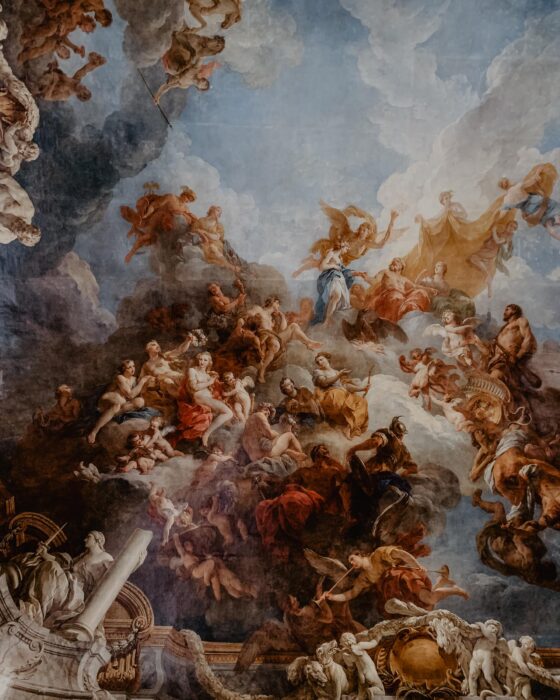
Greek mythology opens with cosmogonic and theogonic myths explaining the universe’s origin, the birth of the gods, and humanity’s place in the divine order. Central to this is the transition from primordial Chaos—a formless void—to an ordered cosmos governed by the Olympian gods.
Genealogy of the Primordial Deities
In some early (Orphic) cosmogonies, three fundamental forces existed from the beginning: Chaos (the void), Chronos (Time, representing the eternal flow, not to be confused with Cronus the Titan), and Ananke (Necessity, the inexorable force of fate).
These primal entities set the stage for the creation of the cosmos, shaping the emergence of Gaia (Earth), Uranus (Sky), and the first primordial deities and natural forces through divine births.
The main primordial beings are:
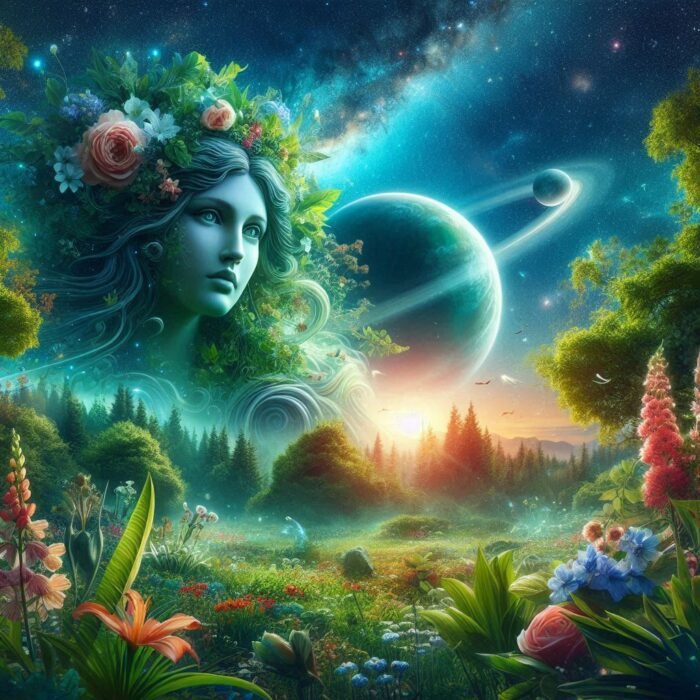
- Gaia (Earth): The solid foundation and mother of all life.
- Uranus (Sky): The vast sky and consort of Gaia.
- Tartarus: The deep abyss beneath the earth.
- Eros: The creative force of love and procreation.
- Nyx (Night): Personification of night and darkness.
- Erebus (Darkness): The embodiment of deep shadow and gloom.
The first forces of creation — the primordial deities — gave birth to everything that followed.
From their vast and timeless union sprang gods, Titans, monsters, and spirits, each embodying the raw essence of the cosmos.
From the deep abyss of Tartarus and the nurturing body of Gaia came Typhon, the monstrous storm giant known as the father of all beasts.
Gaia alone bore the Ourea (the Mountains) and Pontus (the Sea). Through her union with Uranus arose entire generations: the Hecatoncheires, the Cyclopes, and most importantly, the mighty Titans, who would one day rule before the Olympians.
Echidna, born from the ancient sea deities Phorcys and Ceto, and Typhon, born from Gaia and Tartarus, became the parents of the most dreaded creatures and demons of Greek mythology — a monstrous lineage that would haunt both gods and mortals alike.
When Cronus, one of the Titans, overthrew his father Uranus, he cast the severed genitals of the sky-god into the sea. From the drops of blood that fell on Gaia were born the Erinyes (Furies), the Gigantes (Giants), and the Meliae (Ash Tree Nymphs), while from the foam that gathered in the sea rose the radiant Aphrodite, goddess of beauty and desire.
From Nyx (Night) and her brother Erebus (Darkness) came Aether, the bright upper air, and Hemera, the embodiment of Day. In some accounts, Aether and Hemera in turn gave birth to Thalassa, the living spirit of the sea’s surface.
Meanwhile, Gaia and Pontus gave rise to many powerful sea deities: Phorcys, Ceto, Thaumas, Eurybia, and Nereus, the gentle and truthful “Old Man of the Sea.” Through Nereus and Doris — one of the Oceanids, daughters of the Titans Oceanus and Tethys — came the Nereids, a countless host of graceful sea nymphs and divine waves that shimmered across the world’s waters.
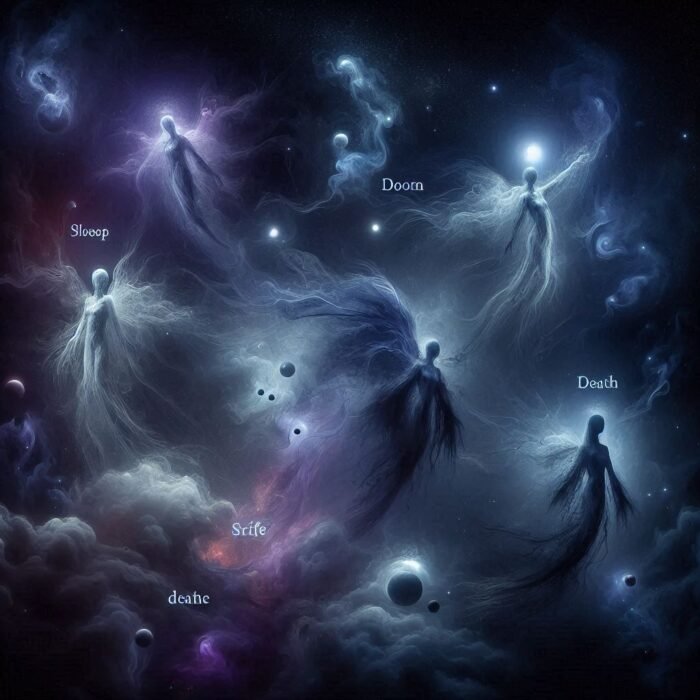
And finally, from the eternal darkness herself, Nyx, came a host of abstract and divine forces — not beings of flesh, but embodiments of emotion, condition, and fate. From her solitude emerged Moros (Doom), the Oneiroi (Dreams), Nemesis (Retribution), Momus (Blame), Philotes (Affection), Geras (Aging), Thanatos (Death), Eris (Strife), Apate (Deceit), Oizys (Distress), the Moirae (Fates), and Hypnos (Sleep).
The Oneiroi appear in many forms: Morpheus, who shaped dreams into human figures; Phobetor, who appeared as beasts and terrors; Ikelos, who mirrored the waking world; and Phantasos, who wove visions of wonder and imagination. In later tradition (Ovid) they are the sons of Hypnos.
Thus, from the depths of Chaos to the dawn of the divine order, the primordials laid the foundations of existence — a vast and mysterious lineage from which gods, mortals, and monsters alike would descend.
📌 Read everything about Theogony in Greek Mythology
📌 Meet The Children of Nyx in Greek Mythology
The Foundation of the Greek Mythical Worldview
These cosmogonic and theogonic narratives form the backbone of Greek mythology by:
- Explaining the universe’s origin and divine hierarchy.
- Depicting humanity’s creation, fall, and renewal.
- Setting the stage for the complex stories of gods, heroes, and mortals that define Greek myths.
3. The Rise of Titans and Cronus: The Titanomachy Prelude
The Titans were the second generation of divine beings, born from Gaia (Earth) and Uranus (Sky). They ruled during the Golden Age, a time of relative peace and prosperity before the Olympian gods took over.
The Titans
- Oceanus (Ocean)
- Coeus
- Crius
- Hyperion
- Iapetus
- Cronus (Saturn in Roman)
- Theia
- Rhea
- Themis
- Mnemosyne
- Phoebe
- Tethys
Second Generation Titans (Children of the First Generation Titans)
- Helios (son of Hyperion & Theia), the Greek name of the Sun
- Selene (daughter of Hyperion & Theia), the Greek name of the Moon
- Eos (daughter of Hyperion & Theia)
- Astraeus (son of Crius & Eurybia)
- Pallas (son of Crius & Eurybia)
- Perses (son of Crius & Eurybia)
- Atlas (son of Iapetus & Clymene/Asia)
- Prometheus (son of Iapetus & Clymene/Asia)
- Epimetheus (son of Iapetus & Clymene/Asia)
- Menoetius (son of Iapetus & Clymene/Asia)
- Leto (daughter of Coeus & Phoebe)
- Asteria (daughter of Coeus & Phoebe)
According to Hesiod, the Olympian goddess Aphrodite was not a child of the Titans but belongs to their generation: she rose from the sea foam after Cronus threw the severed genitals of Uranus into the sea.
Cronus and the Overthrow of Uranus
Uranus imprisoned some of his children (Cyclopes and Hecatoncheires) in Tartarus, angering Gaia.
Gaia gave her son Cronus a sickle to castrate Uranus, overthrowing him and ending his reign.
Cronus then ruled as the chief Titan, but feared a prophecy that his own children would overthrow him too.
The Titanomachy: War of the Titans and Olympians
To prevent the prophecy, Cronus swallowed each newborn—Hestia, Demeter, Hera, Hades, and Poseidon—as soon as they were born.
His wife, Rhea, desperate to save her last child, hid Zeus in a cave on Crete. There, the nymph Amalthea nursed him, feeding him with the milk of her goat, and the Curetes guarded the infant by clashing their shields to mask his cries.
When Zeus reached adulthood, he returned and forced Cronus to disgorge his swallowed siblings. United, they rose against the Titans in the Titanomachy, a war lasting ten years.
With the help of the Cyclopes, who forged his thunderbolts, and the Hecatoncheires, Zeus and his allies defeated the Titans and imprisoned them in Tartarus, securing the rule of the Olympian gods.
Symbolism of the Titans
The Titans represent the raw, primal forces of nature.
Their defeat symbolizes the transition from chaotic, natural rule to civilized order under the Olympian gods.
The cycle of overthrow echoes throughout mythology—father replaced by son—a motif of change and succession.
The Gigantomachy and Other Battles
The struggle didn’t end there. The Olympians fought other foes:
The Gigantomachy is a battle against the Giants, born from Gaia to challenge the Olympians.
Typhon, the monstrous serpent-like giant born of Gaia and Tartarus, nearly overthrew Zeus, but failed.
These myths symbolize the constant tension between order and chaos, civilization and nature.
4. The Flood of Deucalion: Humanity’s Renewal

After the Olympians came to power, Zeus judged humanity’s wickedness and sent a devastating flood to cleanse the earth.
Deucalion and Pyrrha were the sole survivors. They were saved by an ark that Deucalion built after a warning from his father, Prometheus.
Repopulation: After the flood, they threw stones over their shoulders, which transformed into new humans, symbolizing rebirth and renewal.
This establishes the mythic roots of the Greek people and their connection to the gods.
Hellen and the Origin of the Hellenes
Hellen, son of Deucalion and Pyrrha, is regarded as the mythic ancestor of the Hellenes.
Hellen’s Sons
- Dorus: Founder of the Dorians.
- Xuthus: Father of the Ionians and Achaeans (through his sons Ion and Achaeus).
- Aeolus: Founder of the Aeolians.
Through Hellen and his sons, the ancient Greeks traced their tribal origins and identity, grounding their heritage in mythic history.
📌 Is Mythology The Distorted History Of The Greek Dark Ages?
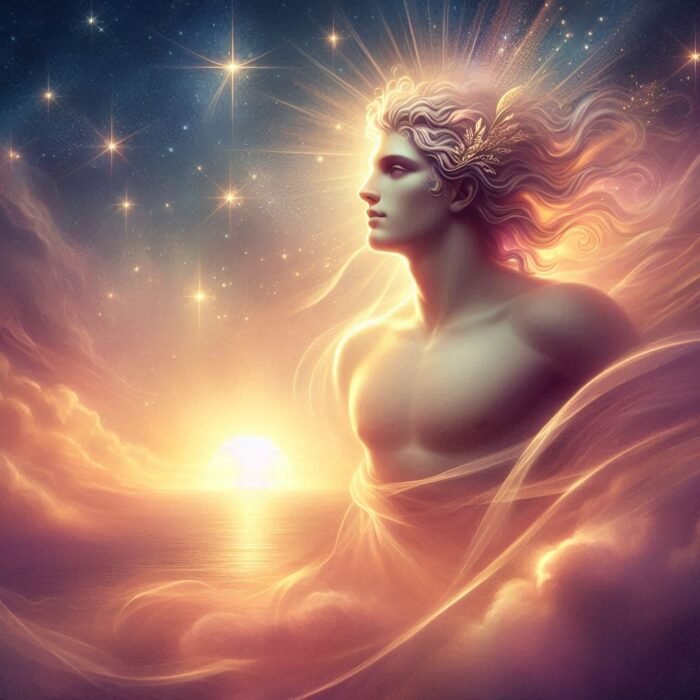
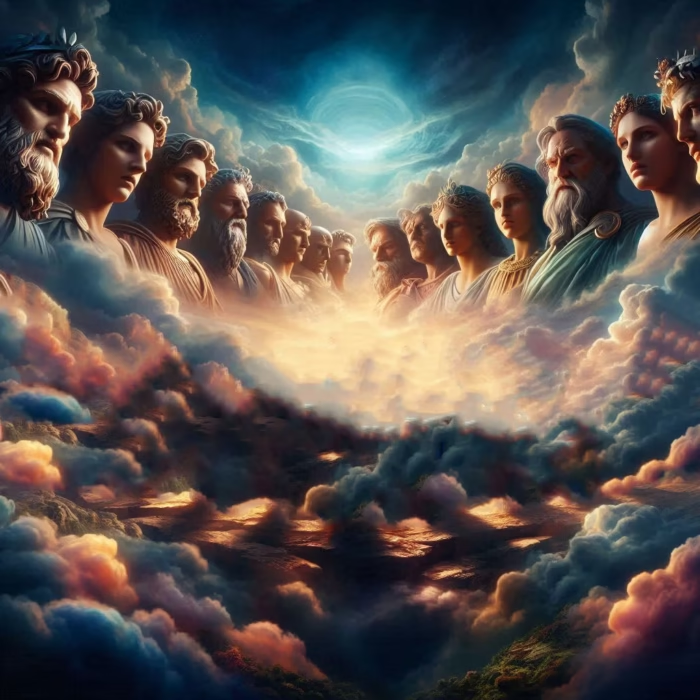
5. The 12 Greek Gods of the Olympian Pantheon
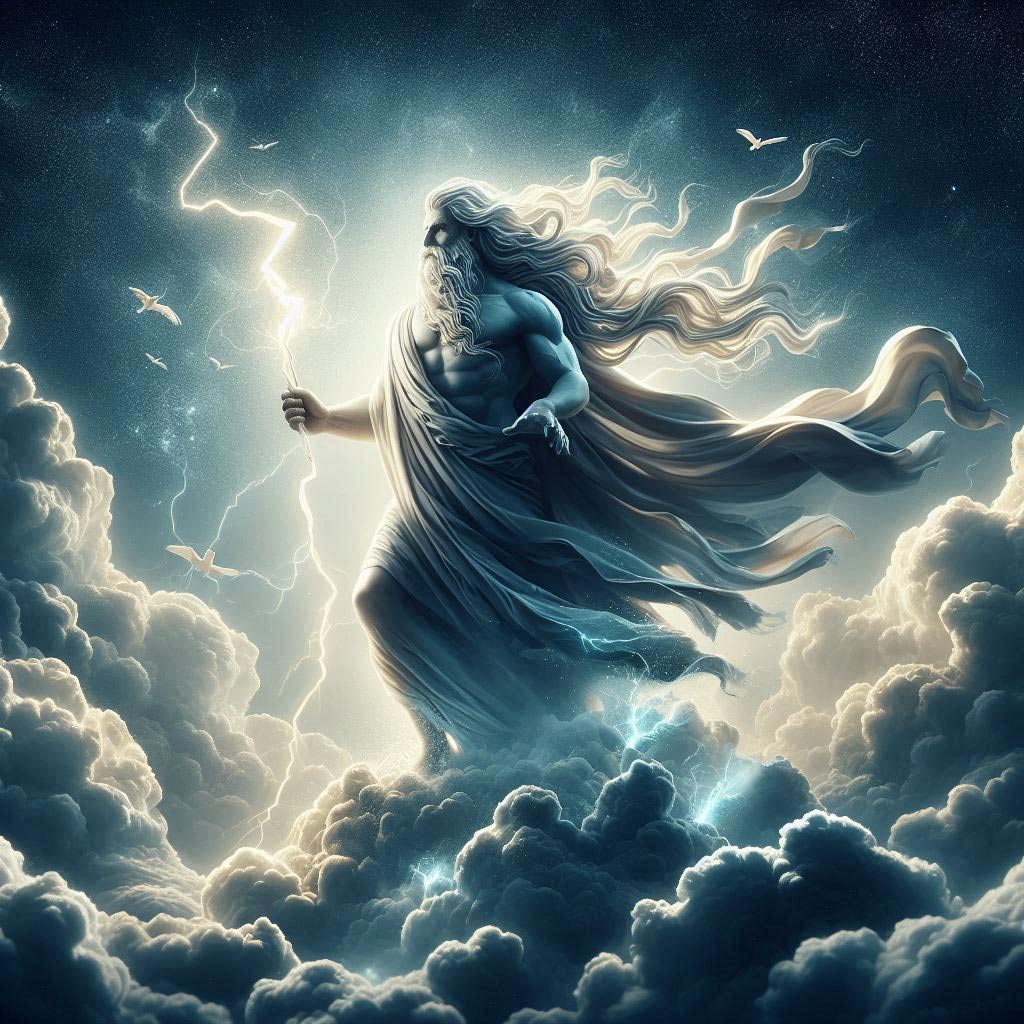
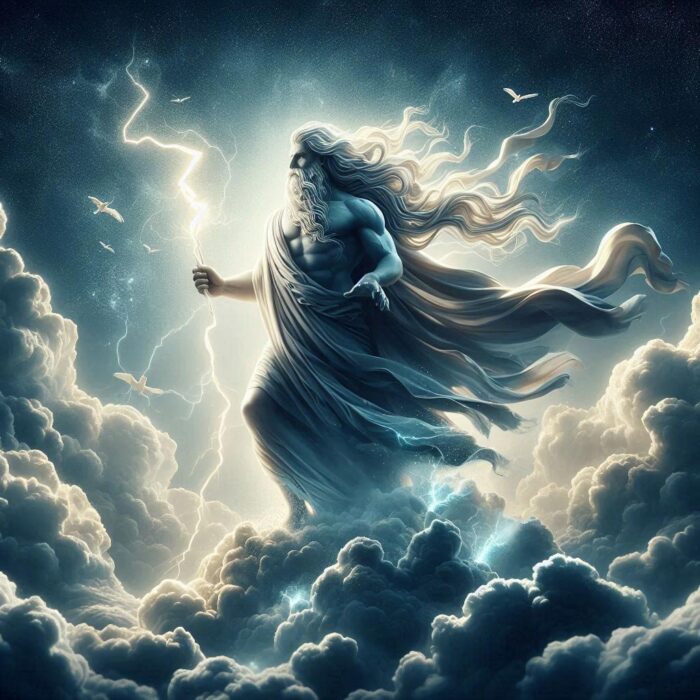
- Zeus (Latin: Jupiter) – King of the gods, ruler of the sky and thunder. In modern Greek his name is Dias (Δίας).
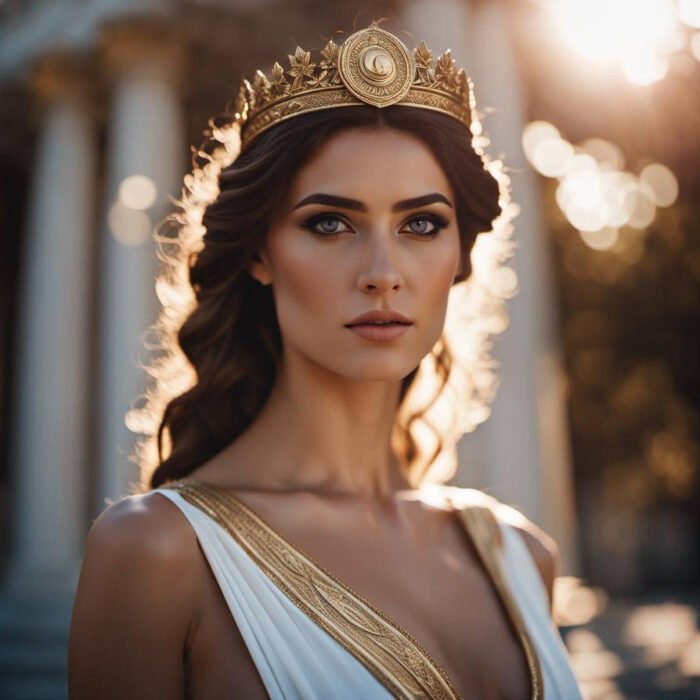
- Hera (Latin: Juno) – Queen of the gods, goddess of marriage and family.
- Poseidon (Latin: Neptune) – God of the sea, earthquakes, and horses.
- Demeter (Latin: Ceres) – Goddess of agriculture and harvest.
- Athena (Latin: Minerva) – Goddess of wisdom, warfare, and crafts.
- Apollo (Latin: Apollo) – God of the sun, music, prophecy, and healing.
- Artemis (Latin: Diana) – Goddess of the hunt, wilderness, and childbirth.
- Ares (Latin: Mars) – God of war and battle frenzy.
- Aphrodite (Latin: Venus) – Goddess of love, beauty, and desire.
- Hephaestus (Latin: Vulcan) – God of fire, metalworking, and craftsmanship.
- Hermes (Latin: Mercury) – Messenger of the gods, god of communication and travel.
- Dionysus (Latin: Bacchus) – God of wine, ecstasy, and revelry. Also known as Vakkhos (Βάκχος) in Greek tradition.
Two more gods often appear alongside the twelve. Hestia (Latin: Vesta), goddess of the hearth and home, is counted among the Olympians in some lists in place of Dionysus. Hades (Latin: Pluto, also called Plouton), god of the underworld and the dead, lives apart from Olympus and is usually left out.
📌 For detailed stories and myths about these gods, visit our 12 Greek Gods Pantheon page.
📌 Read about Zeus’ notorious personal life and countless affairs
📌 Read about Ancient Goddesses: Powerful Women in Greek Mythology
📌 Read about the Mythology of the Ionian Islands: Odysseus, Poseidon, and Lost Kingdoms
📌 See more Minor Gods, Spirits & Lesser Figures in Greek Mythology
Lesser Deities and Spirits
Beyond the Olympians, the Greek divine world includes many minor gods and personifications:
- Eros: God of love and attraction.
- Nike: Goddess of victory.
- The Muses: Nine goddesses who inspire the arts and sciences.
- The Fates (Moirai): Controllers of destiny.
- Nemesis: Goddess of retribution.
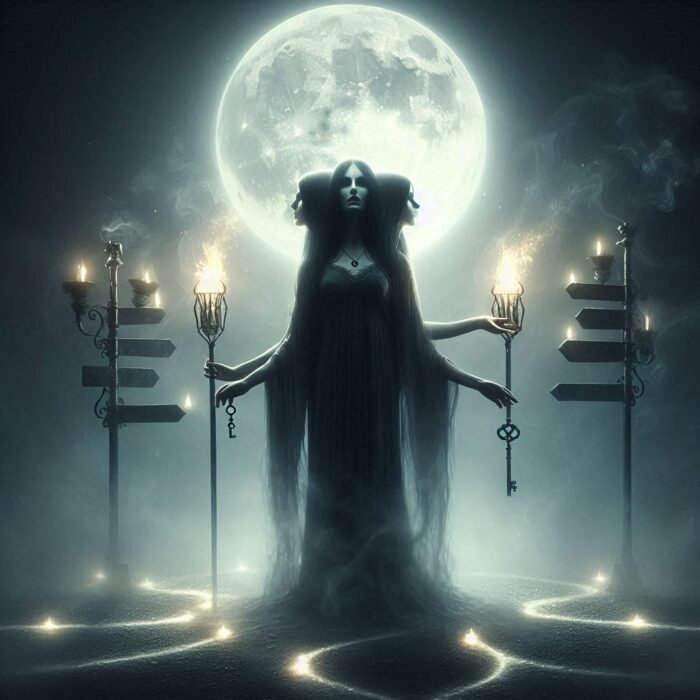
- Hecate: Goddess of magic, the underworld, and crossroads.
Each minor deity personifies key aspects of the human experience or natural phenomena, enriching the mythological tapestry.
Greek gods

6. Tales and Myths: The Divine and Mortal Drama
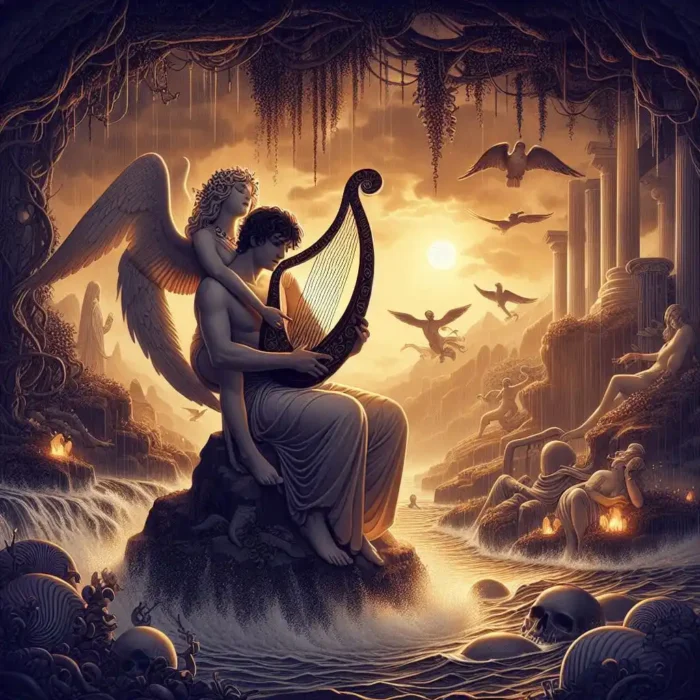
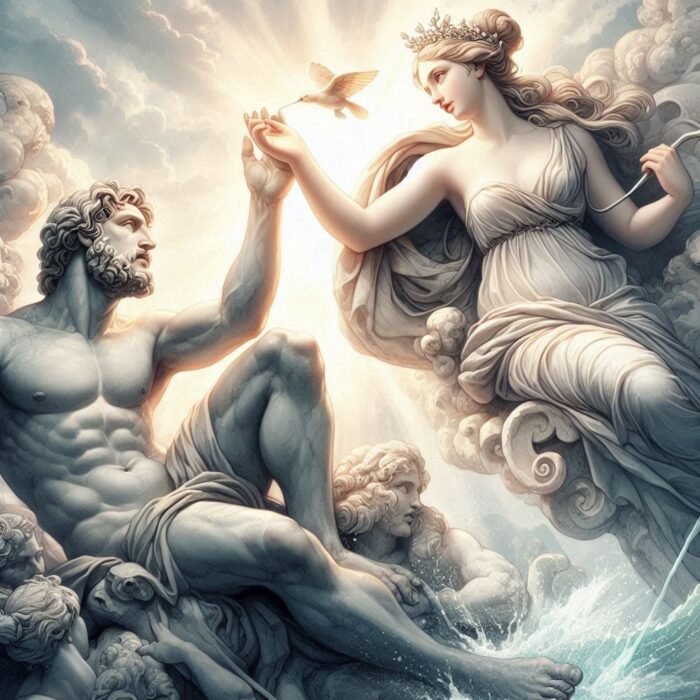
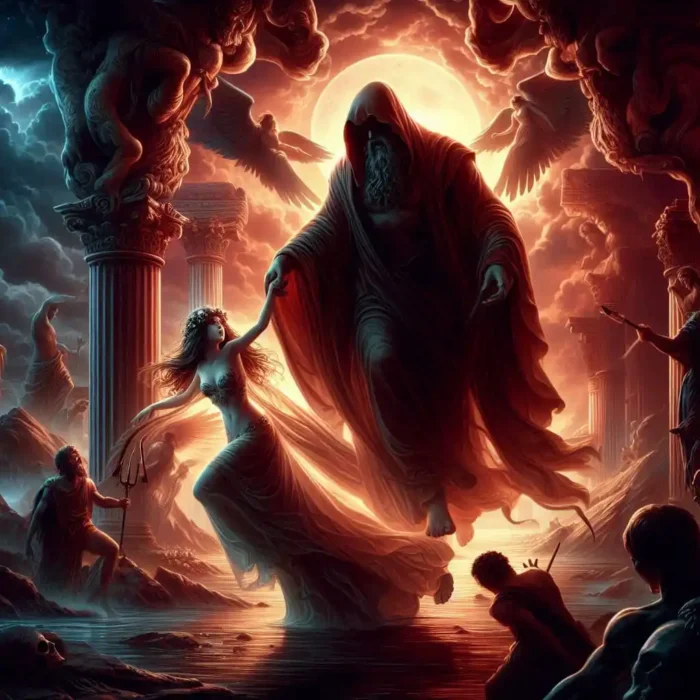
Greek mythology is rich with timeless stories where gods and mortals cross paths—sometimes in harmony, often in conflict. These myths explore love, betrayal, pride, fate, and transformation, leaving a legacy of heroes, tragic figures, and moral lessons.
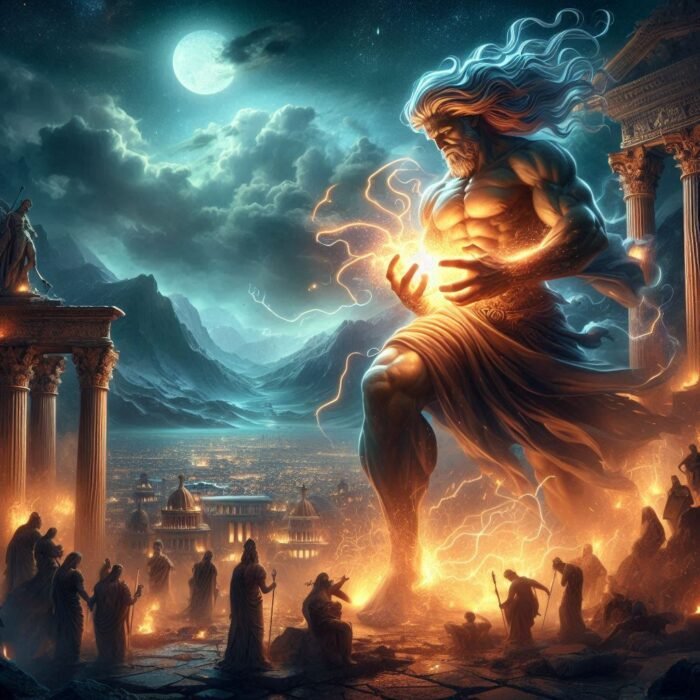
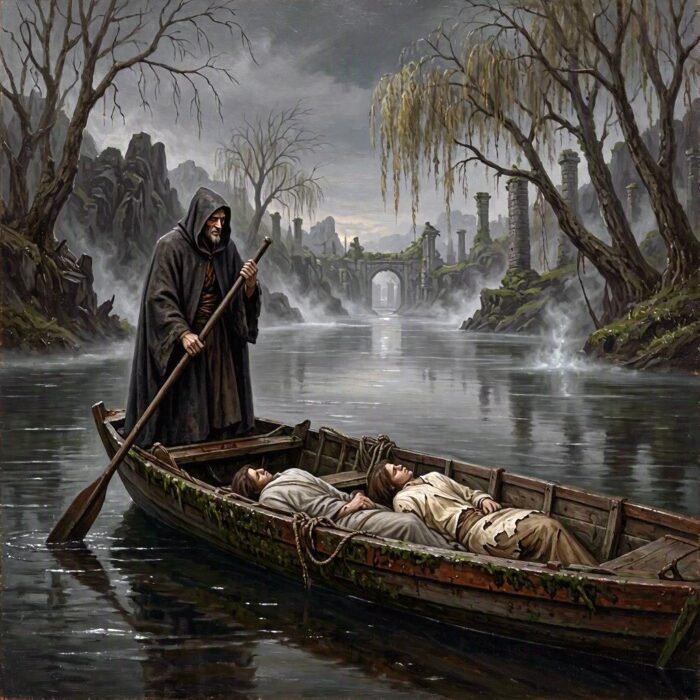
📌 Explore the most famous Greek myths — from Prometheus stealing fire to the abduction of Persephone — in our dedicated Greek Mythology Tales section.
Themes and Dynamics in Mortal-God Relationships
- Favor and Punishment: Mortals can receive divine blessings or curses based on their behavior, as in Pandora’s Box.
- Love and Desire: Gods often pursue or intervene in mortal romances, sometimes benevolently, sometimes destructively, as in Eros and Psyche.
- Heroism and Sacrifice: Many heroes have divine parentage or assistance, but must struggle with mortal limitations.
- Fate vs. Free Will: Prophecies and divine will often shape mortal lives, yet human choices matter.
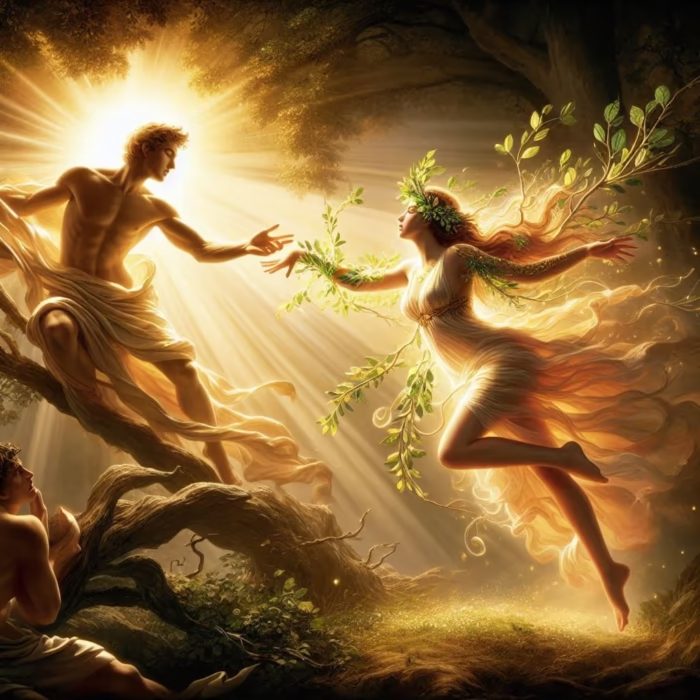
- Transformation and Metamorphosis: Mortals are often transformed—into animals, plants, or stars—as reward or punishment, as in Daphne and Apollo.
Why These Tales Matter
These stories humanize the gods and elevate mortals, showing the messy, passionate interplay of divine and human worlds. They’re the source of timeless narratives that still resonate in literature, psychology, and culture today.
The Purpose and Function of Myths
Greek myths were far more than fanciful stories. They functioned as:
- Explanations of the natural world: Myths explained why natural phenomena occur, such as thunderstorms (Zeus’s thunderbolts), the changing seasons (Persephone’s descent and return), or the origin of rivers and mountains.
- Religious foundations: They established the pantheon of gods and their relationships to humans, legitimizing rituals, sacrifices, and festivals.
- Cultural identity: Myths reinforced social values, customs, and the political order, often linking local populations to divine ancestry or heroic founders.
- Moral and philosophical lessons: Many myths conveyed lessons about hubris, justice, fate, and human limitations, often warning about the consequences of defying the gods.
Greek Mythology Tales



7. Great Heroes and Their Quests
The Concept of the Hero in Greek Mythology
Greek heroes are far from flawless; they embody strength, courage, wit, and honor, but also hubris, flaws, and vulnerability. Heroes often serve as intermediaries between gods and humans — champions favored by the gods but still subject to fate and mortality.
The hero’s journey often involves daunting tasks, monster battles, quests for glory, or journeys of transformation.
Heracles (Hercules) — The Archetypal Hero
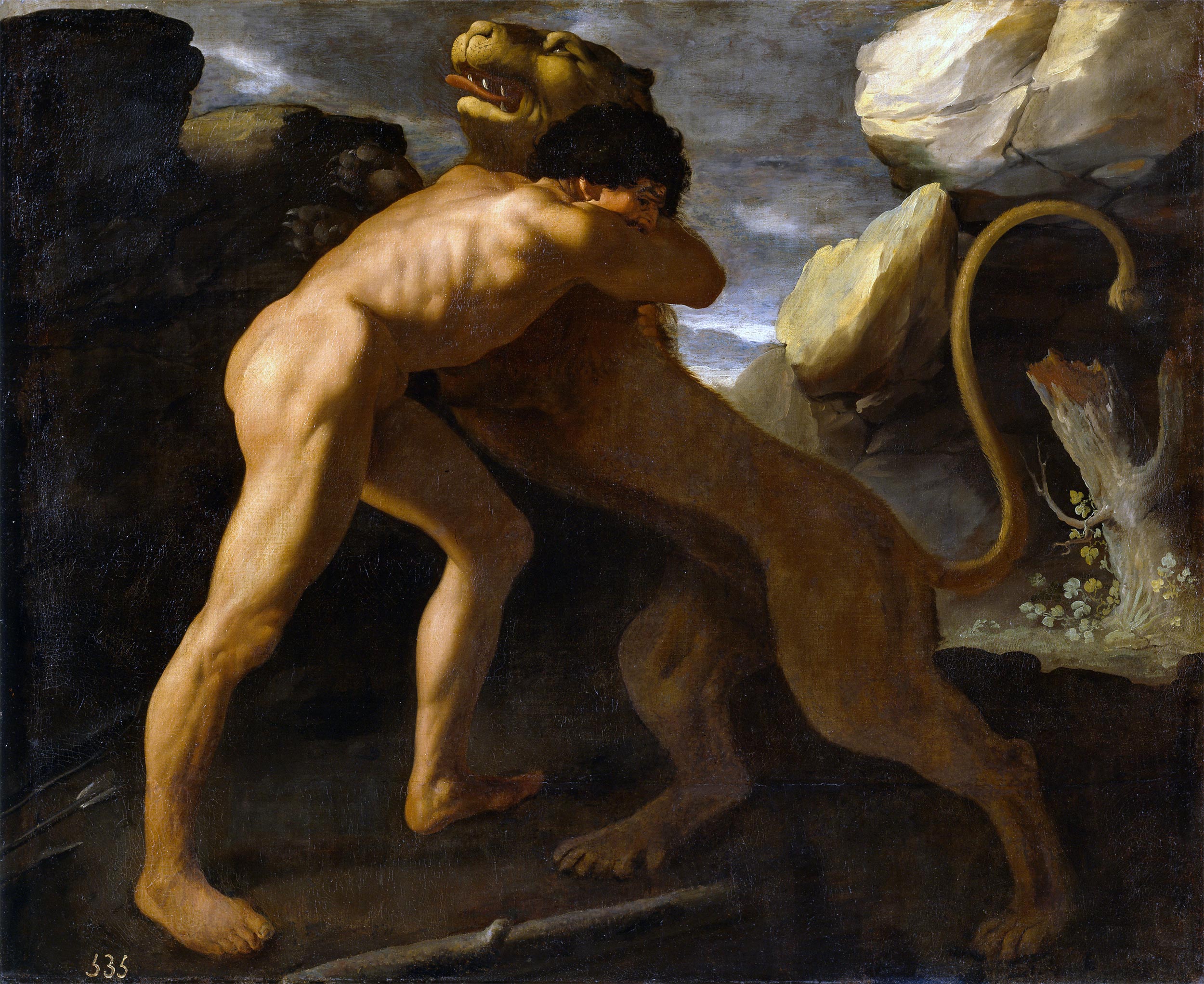
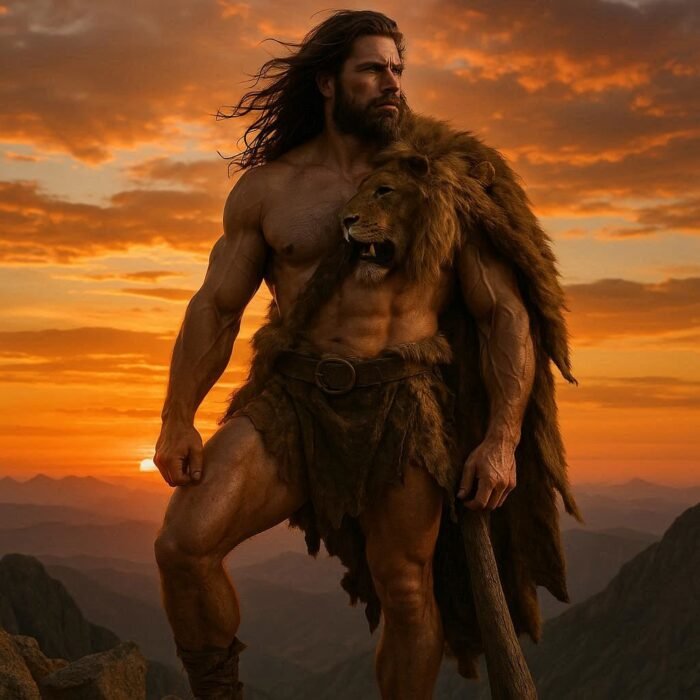
Heracles is perhaps the most famous Greek hero, known for his incredible strength and the Twelve Labours he performed as penance for killing his own family in a madness sent by Hera.
📌 All 12 labours of Heracles, described in detail
The Twelve Labours
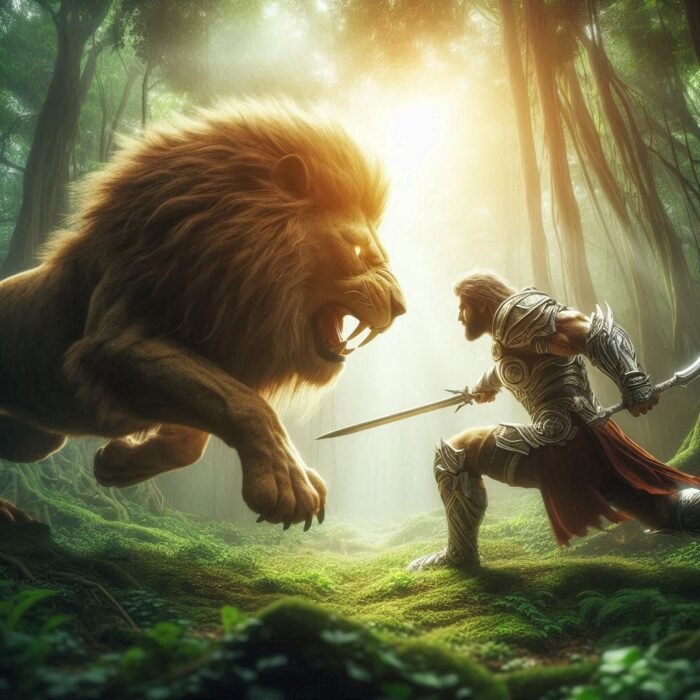
- Slay the Nemean Lion — a beast with impenetrable skin.
- Slay the nine-headed Lernaean Hydra.
- Capture the Ceryneian Hind, the golden-horned deer sacred to Artemis.
- Capture the Erymanthian Boar.
- Clean the Augean stables in a single day.
- Slay the Stymphalian Birds.
- Capture the Cretan Bull.
- Steal the Mares of Diomedes.
- Obtain the girdle of Hippolyta, Queen of the Amazons.
- Capture the cattle of the monster Geryon.
- Steal the apples of the Hesperides.
- Capture and bring back Cerberus, the three-headed dog guarding the underworld.
Heracles’ labours symbolize human struggle against seemingly impossible odds, the quest for redemption, and the pursuit of immortality through glory.
Perseus — Slayer of Medusa
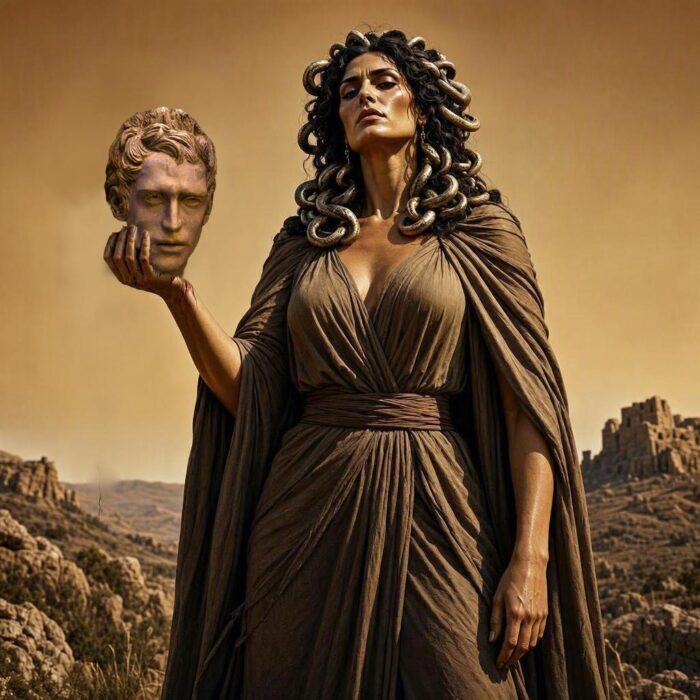
Perseus, son of Zeus and the mortal Danaë, is famous for beheading Medusa, a Gorgon whose gaze turned people to stone. With gifts from the gods — winged sandals, a reflective shield, and Hades’ helm of invisibility — he overcame numerous dangers.
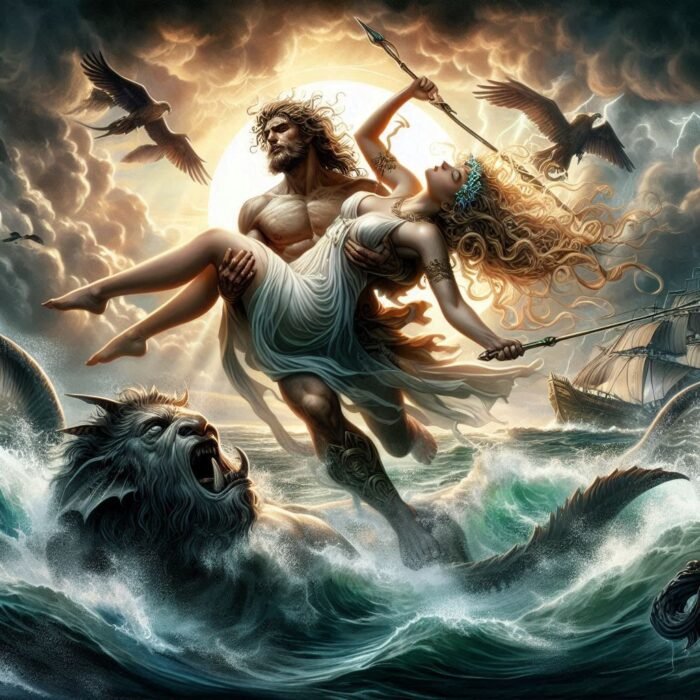
He also rescued Andromeda from a sea monster, further cementing his status as a savior and hero.
📌 Perseus: Slayer of Medusa and Savior of Andromeda
Theseus — Founder and Protector of Athens
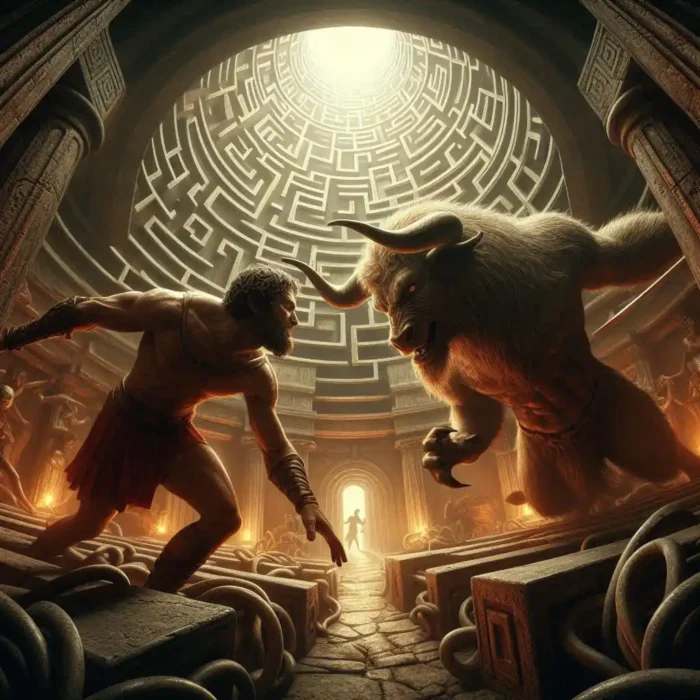
Theseus is celebrated as a founding hero of Athens. His most famous feat is navigating and defeating the Minotaur in King Minos’s labyrinth on Crete, aided by Ariadne’s thread.
He embodies intelligence, bravery, and civic duty, representing the triumph of order and civilization over barbarism.
Jason and the Argonauts — The Quest for the Golden Fleece
Jason’s quest for the Golden Fleece involved assembling a band of heroes — the Argonauts — including Heracles, Orpheus, and the twins Castor and Pollux. Their journey was fraught with monsters, gods’ interference, and treachery.
Jason’s story blends adventure, loyalty, betrayal, and tragedy, and its darkest chapter belongs to his wife, Medea.
Achilles — The Greatest Warrior of the Trojan War
Achilles, son of the sea nymph Thetis and the mortal Peleus, is the greatest warrior of the Trojan War. His rage and fate form the core of Homer’s Iliad, which explores themes of honor, mortality, wrath, and the human cost of war.
The famous story that Thetis dipped him in the River Styx, leaving only his heel vulnerable, is not in Homer. It comes from later tradition.
Other Notable Heroes
- Odysseus (Latin: Ulysses) – Known for his cunning and endurance during his long journey home from Troy, as recounted in the Odyssey.
- Bellerophon — Rider of Pegasus who defeated the Chimera.
- Atalanta — A fierce huntress and one of the few female heroes.
- Orpheus — Legendary musician who ventured into the underworld to retrieve his wife; see Orpheus and Eurydice.
Themes Explored in Heroic Myths
- Fate vs. Free Will: Many heroes struggle against predetermined destiny.
- Hubris and Nemesis: Excessive pride often leads to downfall, as in Daedalus and Icarus.
- Mortality and Immortality: The quest for eternal glory or literal immortality.
- Divine Favor and Wrath: The gods’ support or anger profoundly affects heroes’ fates.
Heroic myths illustrate human aspiration, frailty, and the quest for meaning in a world governed by divine forces and fate.
📌 Great Heroes in Greek Mythology and Their Labours
Heroes
The Odyssey
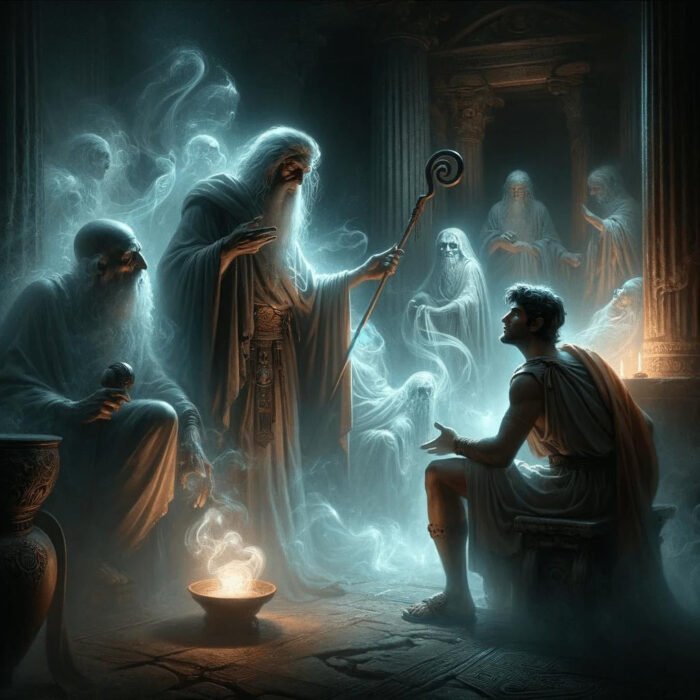
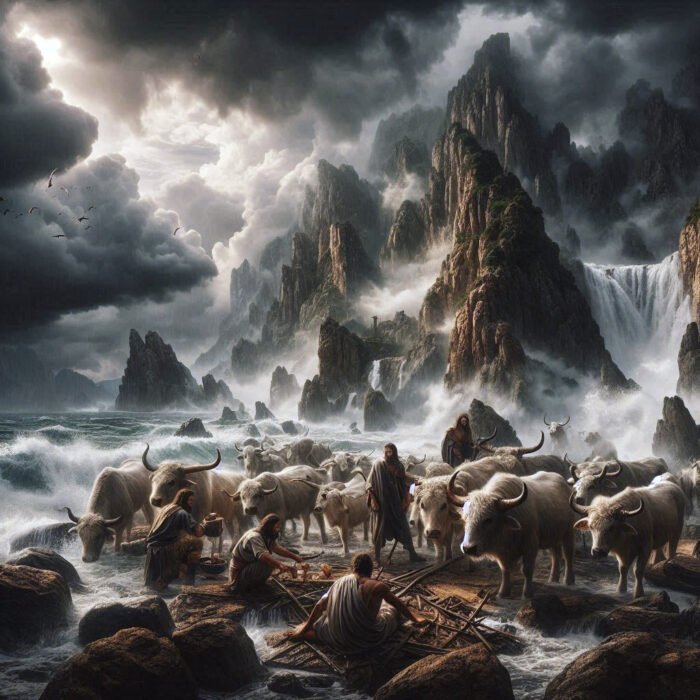
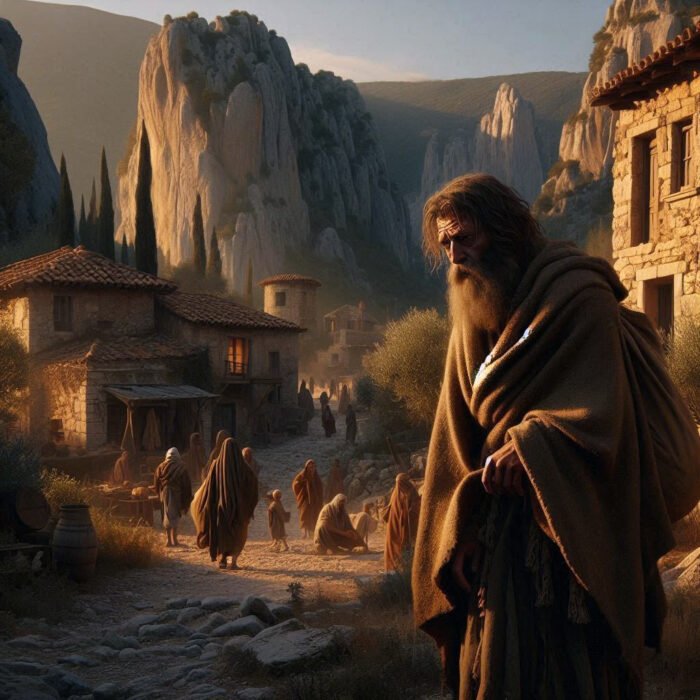
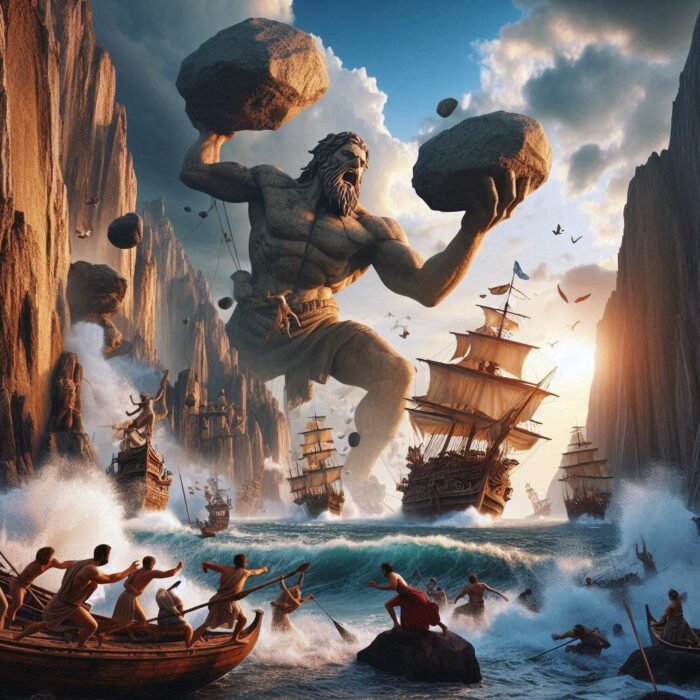
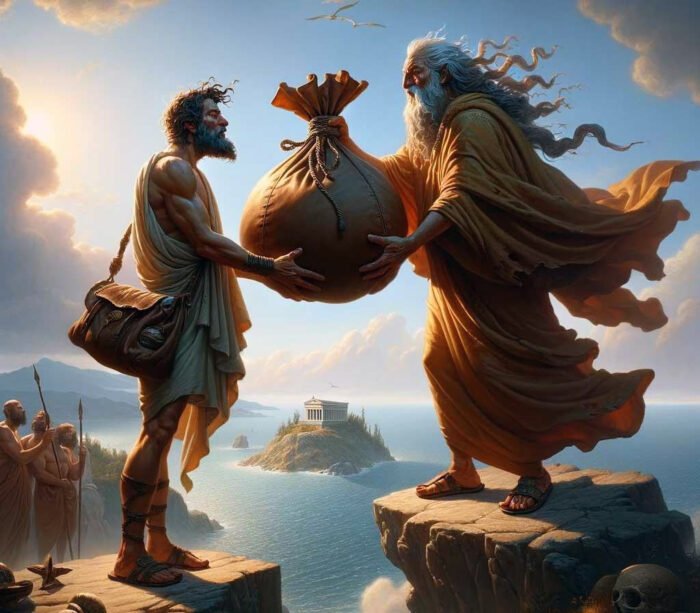
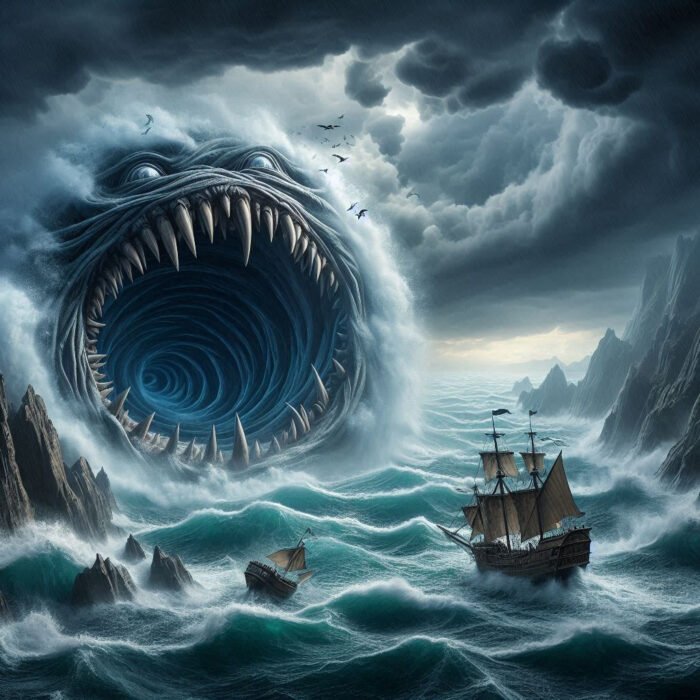
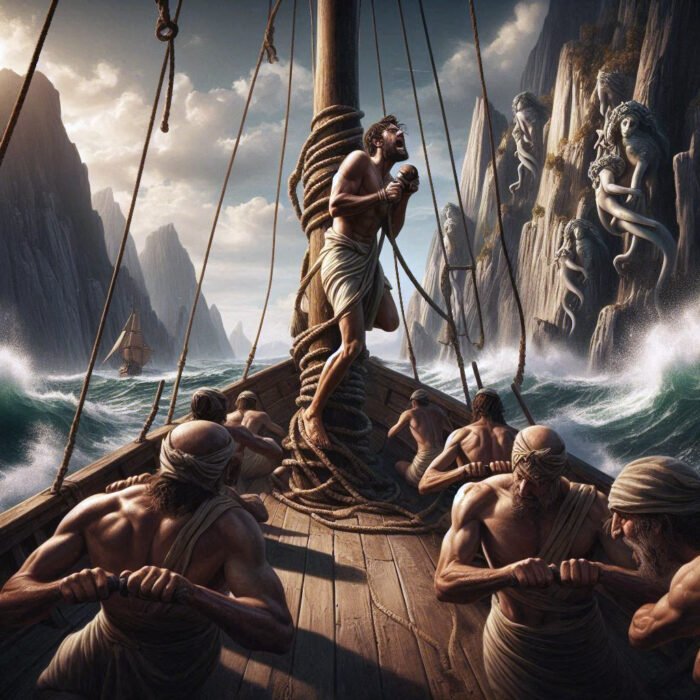
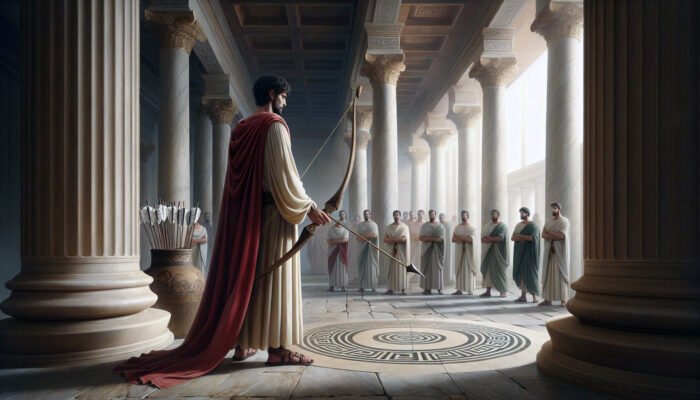
Corfu and the Odyssey
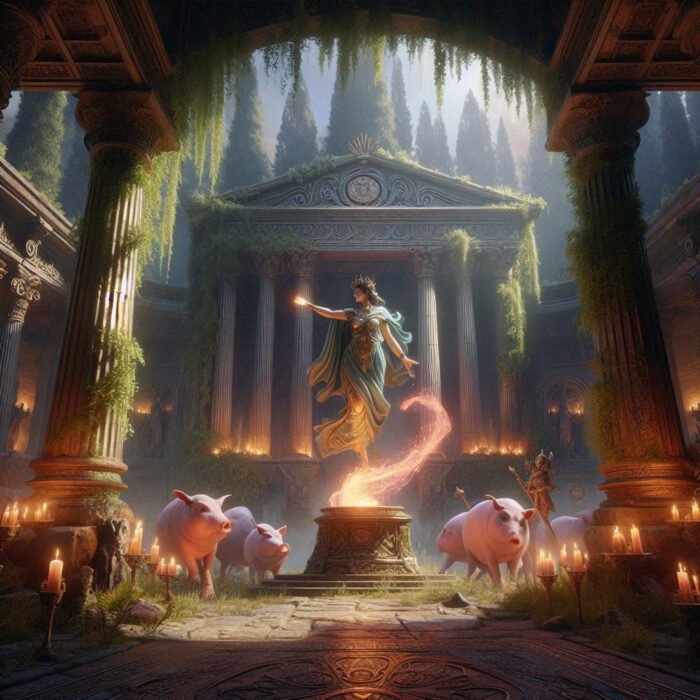
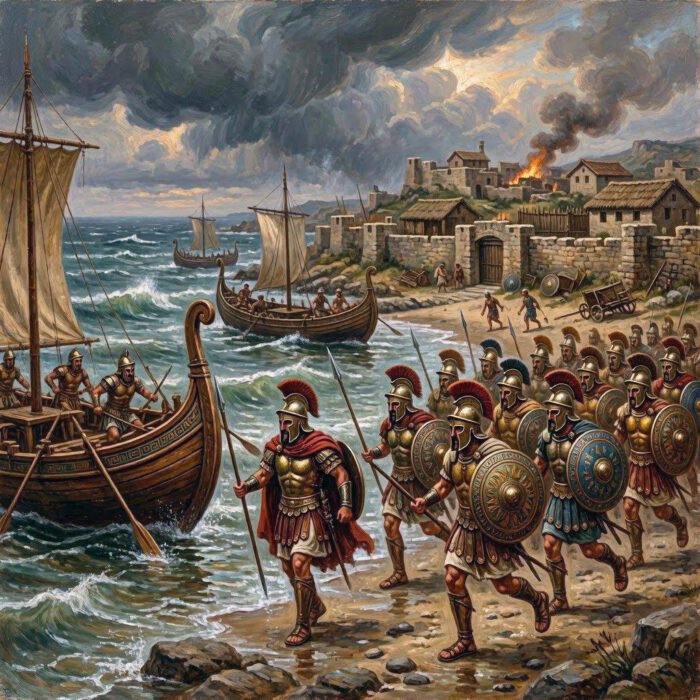
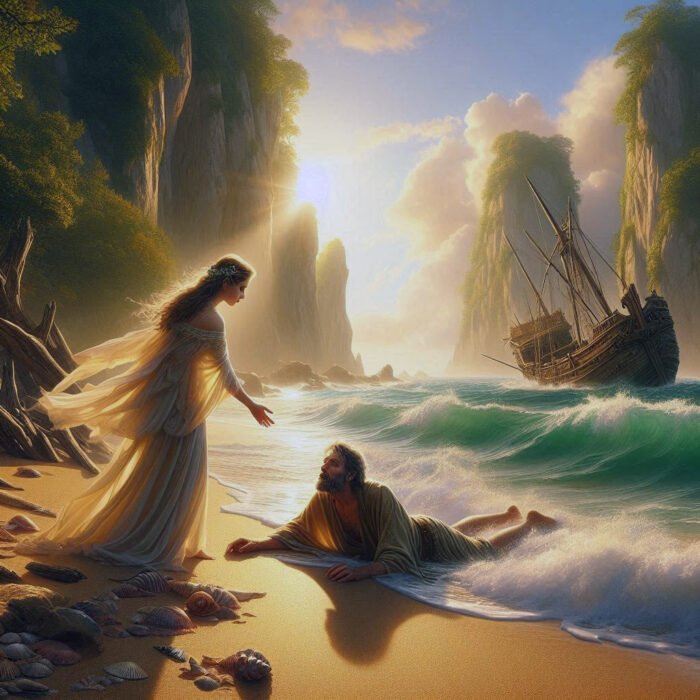
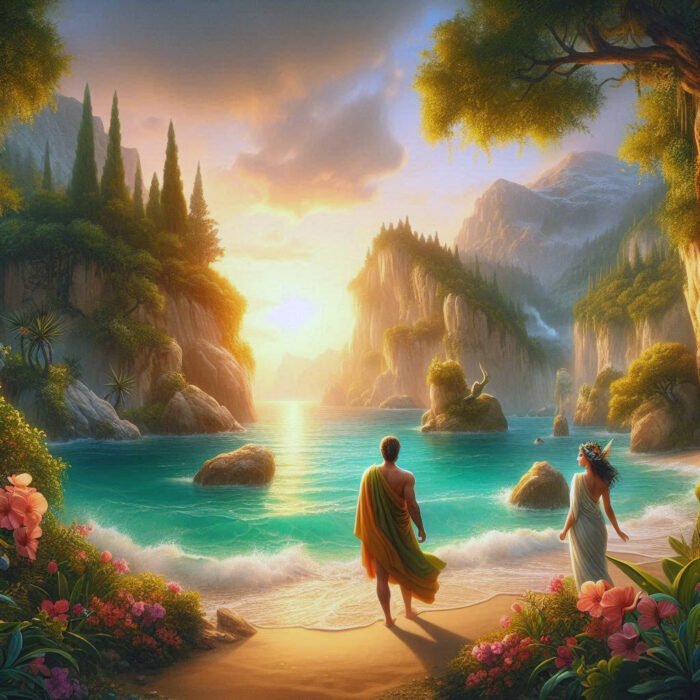
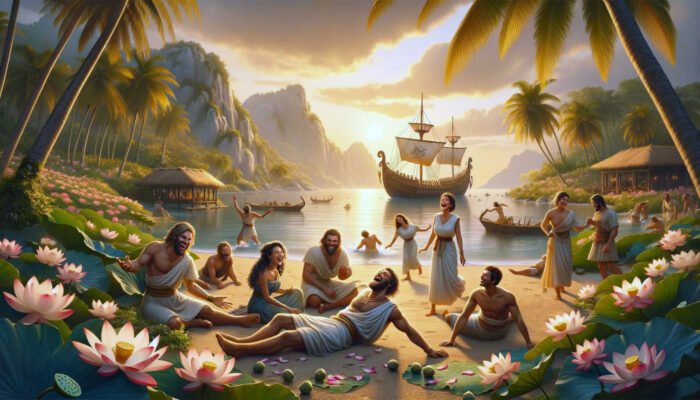
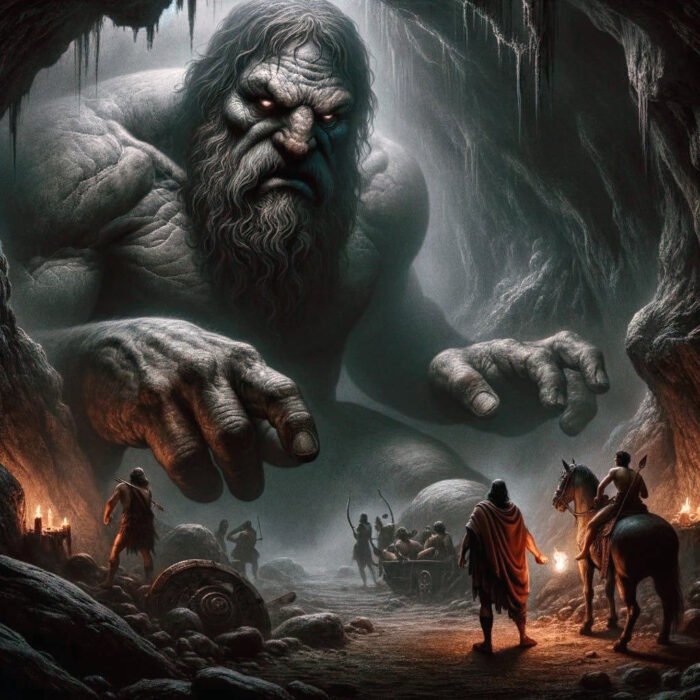
If you’re reading this on Corfu, the island has its own place in Greek myth. Ancient tradition identified Corfu with Scheria, the land of the Phaeacians who welcomed the shipwrecked Odysseus. Local tradition points to Mouse Island (Pontikonisi) as the Phaeacian ship turned to stone by Poseidon, and the west coast—Ermones and Palaiokastritsa among them—as possible settings for Odysseus’s encounter with Nausicaa. For a guide to these and other mythological sites in Greece, see our Mythological Places in Greece page.
8. Monsters and Mythical Creatures

Monsters in Greek myth are more than obstacles for heroes to slay. They personify chaos, danger, and divine punishment — and they double as tests of heroism and warnings against hubris. Some are purely destructive; others sit on the boundary between worlds, embodying transformation and the unknown. What unites them is that they all threaten the ordered world the Olympians fought to establish.
Typhon: The Monster at the Abyss
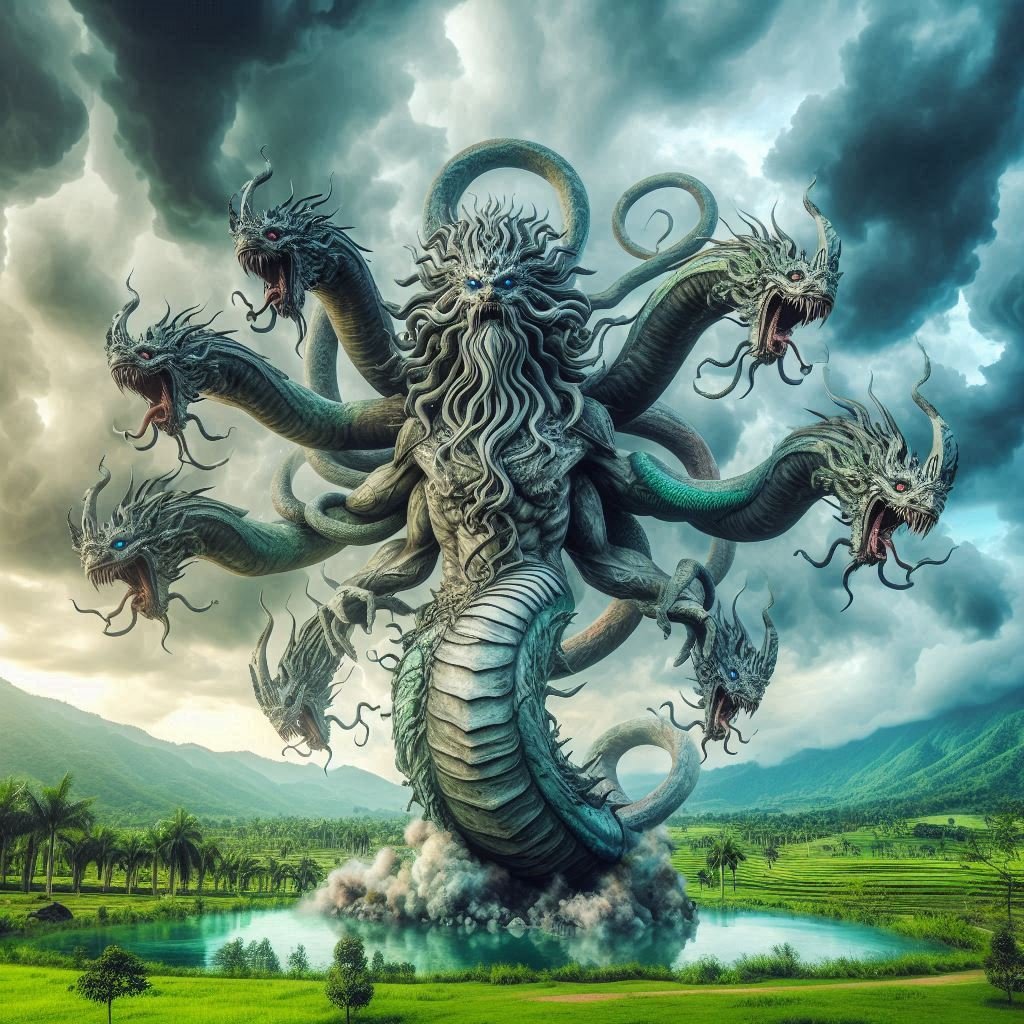
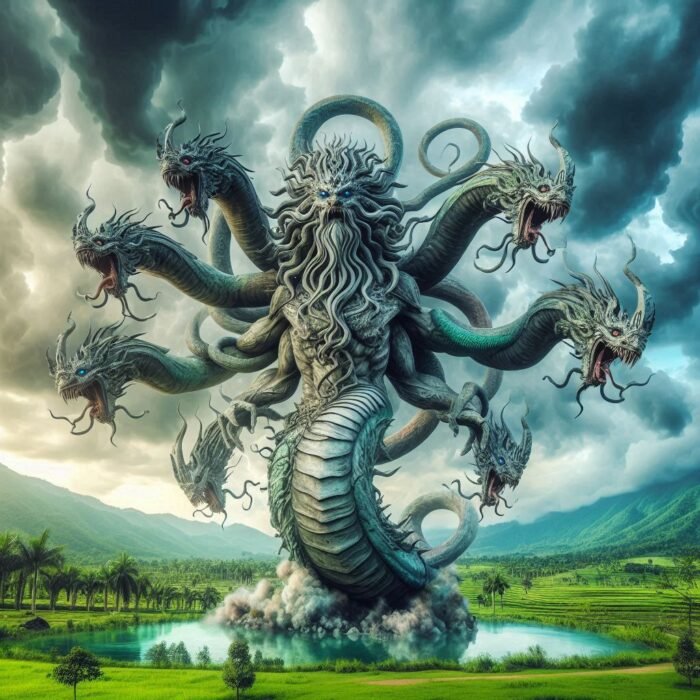
Few figures embody chaos as fiercely as Typhon, the monstrous storm giant born of Gaia and Tartarus. Part serpentine, part human, with a hundred dragon heads, his sheer power marked him as the ultimate challenge to the gods and the order they sought to maintain.
Zeus defeated him in a cataclysmic battle that shook the foundations of the cosmos — but Typhon’s legacy did not end with his fall. From him came a brood of offspring as fearsome as their father, each carrying a fragment of his destructive power.
📌 Meet the 6 mighty monsters of Greek mythology
📌 See everything about the mighty Typhon
Echidna: Mother of Monsters
Echidna’s origins vary by source, reflecting her liminal nature. In the Hesiodic tradition she is the daughter of Phorcys and Ceto — ancient sea deities embodying hidden dangers and the unknown depths, fitting parents for a creature who bridges human and monster.
- Upper body: often described as a beautiful woman, but with fierce, monstrous features
- Lower body: a massive serpent or dragon tail, scaly and sinuous
- Habitat: caves, deep forests, and other wild, untamed places far from civilization
Echidna is both mother and monster — a paradox that captures nature’s fecundity and its danger in a single figure. She gives life, and what she gives life to is terror. This duality is central to her role in myth: she is not simply an enemy to be killed, but the source of the trials that define Greece’s greatest heroes.
The Brood of Chaos: Echidna and Typhon’s Children
Orthrus: The Two-Headed Guard Dog
Orthrus is Cerberus’s sibling and the guard dog of King Geryon’s cattle. Heracles slew him during his tenth labor. He represents vigilance and the protection of valuable resources.
Cerberus: The Three-Headed Guardian of the Underworld
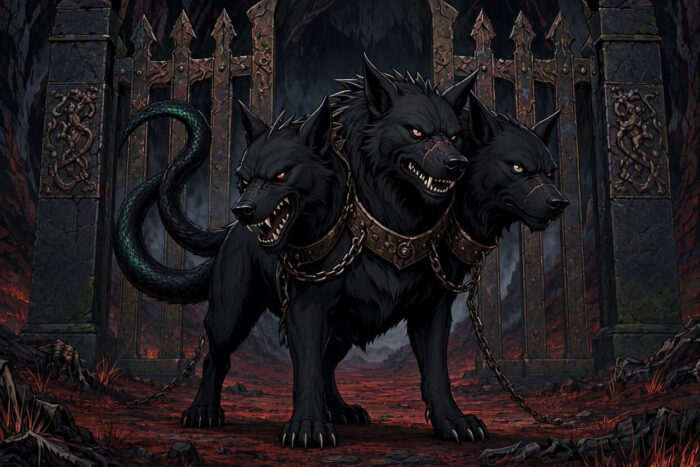
Cerberus, the massive dog with three (sometimes more) heads and a serpent for a tail, guards the gates of the Underworld. He embodies the boundary between life and death. Heracles captured him alive, without weapons — a symbolic conquest of death itself.
Hydra of Lerna: The Regenerating Serpent
The Hydra is a multi-headed serpent with regenerative abilities: cut off one head and two grow back. It lived in a swamp near Lake Lerna. Heracles defeated it with Iolaus’s help, using fire to stop the regrowth.
Chimera: The Fire-Breathing Hybrid
The Chimera combines a lion’s body, a goat’s head rising from its back, and a serpent’s tail. Bellerophon, aided by Pegasus, slays it.
Sphinx: The Riddle-Master
The Sphinx has a woman’s head, a lion’s body, and sometimes bird’s wings. She guarded Thebes, posing riddles to travelers. Oedipus solved her riddle and freed Thebes from her curse.
Nemean Lion: The Invulnerable Beast
The Nemean Lion terrorized the region around Nemea and had impenetrable skin. Heracles killed it and wore its hide as armor.
Why the Monsters Matter
Greek monsters are mirrors as much as adversaries. They reflect human fears, instincts, and the chaotic forces that press against civilization. They embody the struggle between order and chaos, courage and fear, morality and hubris — the same tensions that run through the Titanomachy and the hero myths.
Echidna and her children show this most clearly. Heroes like Heracles and Bellerophon prove themselves by facing her offspring, but the myths also invite us to ask what those monsters represent: our own fears, our limits, or the parts of the world we cannot control. Echidna’s dual nature — beautiful yet monstrous — reflects ancient tensions about fertility, motherhood, and the fear of the unknown. She is life-giver and source of terror at once, and her children form the dark backbone of Greek mythology: the wild forces that threaten human order and, in being overcome, define what it means to be a hero.
Other Notable Monsters
- Medusa & the Gorgons: Mortality, danger, and female power.
- Minotaur: Human-animal hybrid, a labyrinthine obstacle; see Theseus and the Minotaur.
- Cyclopes: In Hesiod, divine craftsmen who forged the thunderbolts of Zeus; in the Odyssey, savage one-eyed shepherds like Polyphemus.
- Sirens: Lure of desire and peril; see The Sirens in the Odyssey.
- Harpies, Satyrs, Nymphs, Centaurs: Various embodiments of nature, chaos, or primal instincts.
Symbolism and Function
Monsters often serve as:
- Barriers to progress: Challenges that heroes must overcome.
- Personifications of fears: Natural disasters, death, the unknown.
- Moral lessons: Punishing hubris, greed, or wickedness.
- Liminal figures: Blurring lines between human, animal, and divine.
They make the myths thrilling, but they also offer a lens on the human condition, civilization, and the eternal dance with chaos.
📌 Figures of Greek Mythology: Gods, Heroes & Monsters
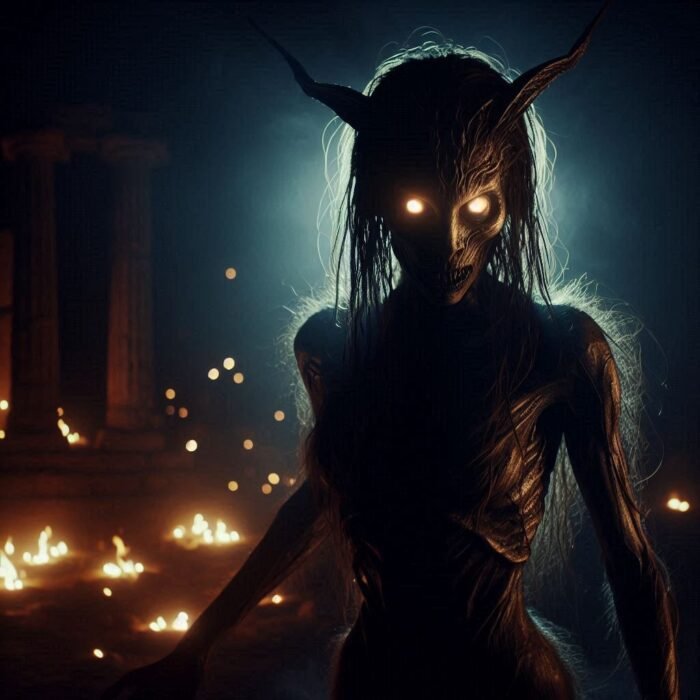
Monsters and Demons
9. Ancient Greek Mythology in Society: Rituals, Festivals, and Cult Worship
Why Mythology Was More Than Stories
In ancient Greece, myths weren’t just entertainment or moral lessons—they were the framework for understanding the world, explaining natural phenomena, human nature, and the divine. They shaped religion, politics, social order, and identity.
The gods and heroes of myth were actively worshiped and honored through rituals and festivals, forming the core of communal life and cultural expression.
Sacrifices and Offerings
Sacrifices were the primary way to communicate with gods—offering animals (bulls, sheep), food, wine, and precious goods.
These acts were meant to appease the gods, gain their favor, or thank them for blessings.
Public sacrifices were grand events involving prayers, songs, and communal feasts.
Major Festivals
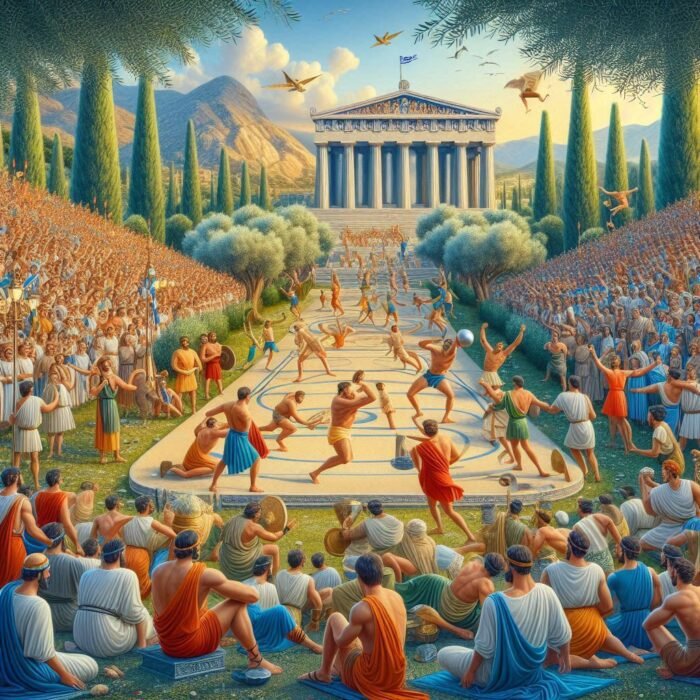
- Olympic Games (honoring Zeus): Held every four years at Olympia, they combined athletic competitions, religious ceremonies, and sacrifices, and served as a unifying event for the Greek city-states.
- Panathenaia (honoring Athena): Athens’ grandest festival, celebrating Athena’s birthday with processions, sacrifices, and musical and athletic contests. A specially woven robe, the Peplos, was presented to Athena’s statue.
- Dionysia (honoring Dionysus): Celebrated the god of wine and theater, with dramatic competitions in tragedy and comedy that symbolized fertility, ecstasy, and the breaking of social norms.
- Eleusinian Mysteries (honoring Demeter and Persephone): Secret initiation ceremonies promising knowledge of life after death, symbolizing the cycle of life, death, and rebirth. One of the most important religious rites in Greece; see Persephone and Hades.
Note: Though these festivals are historical religious practices, they are deeply inspired by the myths and stories of Greek mythology, weaving divine tales into the cultural fabric of ancient Greece.
Oracles and Prophecy
Oracles were sacred sites where gods communicated their divine will.
- Oracle of Delphi: Dedicated to Apollo; priestesses delivered cryptic prophecies.
- Oracle of Dodona: Devoted to Zeus and Dione; messages interpreted from rustling oak leaves.
- Oracle of Trophonius: Located in Boeotia; famous for mysterious underground rituals.
- Oracle of Ammon: Situated at the Siwa Oasis in the Libyan Desert; combined Greek and Egyptian traditions.
City-states and individuals consulted these oracles before major decisions, highlighting the deep connection between prophecy, religion, and politics in ancient Greece.
📌 Mythological Places in Greece You Can Visit Today
Role of Myth in Social and Political Life
Myths legitimized political power and social customs—rulers often traced lineage to gods or heroes.
Myths reinforced moral codes and social roles, e.g., the sanctity of marriage, hospitality, and justice.
Festivals and myths strengthened community identity and unity.
📌 The Olympic Games in Ancient Greece
Mystery Cults and Personal Religion
Aside from public worship, Greeks participated in mystery cults that offered secret knowledge and personal salvation.
Cults of Orpheus, Eleusis, Dionysus, and others promised a closer connection to the divine.
These cults may have influenced later religious developments, including early Christianity.
Myth in Art and Literature
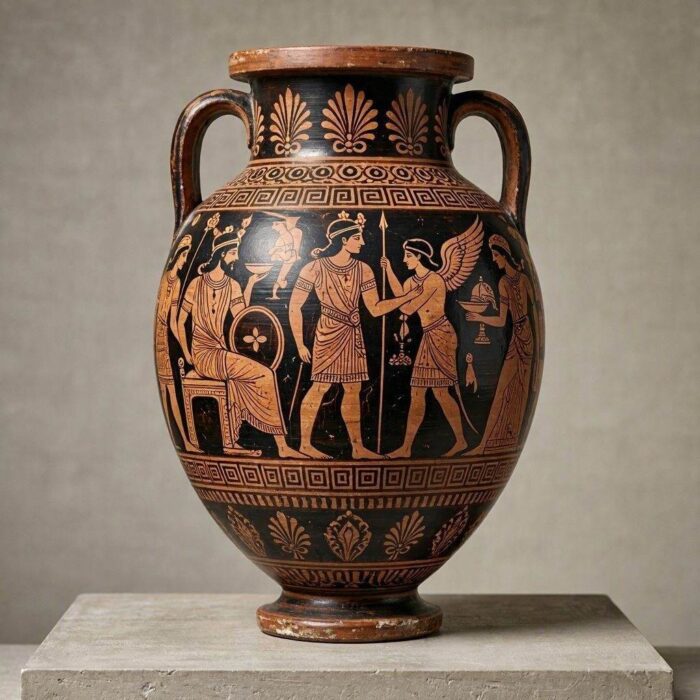
Myths were depicted everywhere—from vase paintings and sculpture to epic poems and drama.
Plays by Aeschylus, Sophocles, and Euripides dramatized myths, exploring human nature and divine will.
This made myths accessible and continually relevant.
Mythology’s Enduring Legacy
Ancient Greek mythology shaped Western culture’s foundations—art, literature, psychology, philosophy, and even modern storytelling. Understanding how deeply these myths were embedded in daily life gives insight into their power and endurance.
After exploring the rich tapestry of gods, heroes, and monsters, it’s worth stepping back to see how these myths shaped the daily life, beliefs, and culture of ancient Greece—and how their legacy continues to influence us today.
10. Greek Mythology’s Influence on Modern Culture and Thought
The Endless Well of Inspiration for Arts and Literature
Greek myths have been a creative goldmine for artists, writers, and musicians for over two millennia:
- Renaissance Art: Masters like Michelangelo and Botticelli revived mythological themes, depicting gods, heroes, and monsters with dramatic flair.
- Literature: From Shakespeare to James Joyce, Greek myths provide archetypes and stories that explore human nature, fate, and morality.
- Opera and Music: Composers like Monteverdi and Gluck created operas based on mythic tales, notably Orpheus and Eurydice.
- Film and TV: Modern retellings—from Disney’s Hercules to blockbuster epics—keep myths alive and evolving.
Psychology: Jungian Archetypes and Myth

Carl Jung viewed myths as expressions of universal archetypes residing in the collective unconscious:
The Hero’s Journey (Joseph Campbell expanded this from myths worldwide) is rooted heavily in Greek heroic narratives like those of Odysseus and Heracles.
Archetypes like the Wise Old Man (e.g., Zeus), the Trickster (Hermes), and the Great Mother (Demeter) are psychological templates for human experience.
Myths help individuals understand internal conflicts, growth, and transformation.
Language and Expressions
Greek mythology has gifted us with a vast array of words and phrases embedded in modern language:
- Narcissism: From Narcissus, the youth obsessed with his reflection.
- Titanic: From Titans, meaning colossal or powerful.
- Herculean: Refers to tasks requiring great strength or effort.
- Pandora’s Box: Symbolizes unleashing unforeseen troubles; read the myth of Pandora’s Box.
- Achilles’ Heel: Denotes a critical weakness.
Philosophy and Moral Inquiry
Greek myths often served as a starting point for philosophical debates on fate, free will, and ethics:
Philosophers like Plato and Aristotle analyzed mythic themes to explore virtue and the nature of the divine.
Myths allowed exploration of human nature’s complexities, such as justice, hubris, and suffering.
Modern Storytelling and Popular Culture
The structure of myths influences modern storytelling, especially in the fantasy and adventure genres.
Characters inspired by Greek myths appear in comics, video games, novels, and TV shows, often reimagined to fit contemporary values.
Mythic motifs like the underworld journey, transformation, and divine intervention persist in narratives worldwide.
Scientific and Astronomical Legacy
Many planets, moons, stars, and galaxies bear names from Greek mythology (e.g., Jupiter/Zeus, Titan, Galaxy, Uranus, Helios, Andromeda, Pluto, Charon…countless).
Mythical figures often serve as inspiration for naming biological species, scientific phenomena, and inventions.
Education and Cultural Identity
Greek mythology remains a staple of education worldwide, teaching language, history, ethics, and cultural literacy.
It connects us to the ancient world, influencing Western cultural identity and heritage.
📌 Find Beautiful Baby Names Inspired by Greek Mythology
The Eternal Dialogue Between Past and Present
Greek mythology acts as a living conversation across centuries, constantly reinterpreted and reinvented to address timeless questions and new challenges.
Sources & Further Reading
- Hesiod, Theogony — Evelyn-White translation on Internet Archive
- Homer, Iliad and Odyssey — Iliad and Odyssey via the Internet Classics Archive
- Apollodorus, The Library — Loeb edition (Frazer) on Internet Archive
- Pausanias, Description of Greece — 1886 translation on Internet Archive
- Theoi Project — free online reference for Greek gods, monsters, and heroes
- Timothy Gantz, Early Greek Myth — Johns Hopkins University Press
- Oxford Classical Dictionary — Oxford Reference