



Greek Swear Words You’ll Actually Hear (Not the Textbook Version)
Most guides to Greek slang feel clean, polite, and slightly fake. That’s not how people speak in Greece.
Spend five minutes in a café, taxi, or beach bar in Corfu, and you’ll hear words that sound aggressive, funny, or completely confusing depending on the moment. The same word can be friendly, sarcastic, or straight-up offensive — all based on tone.
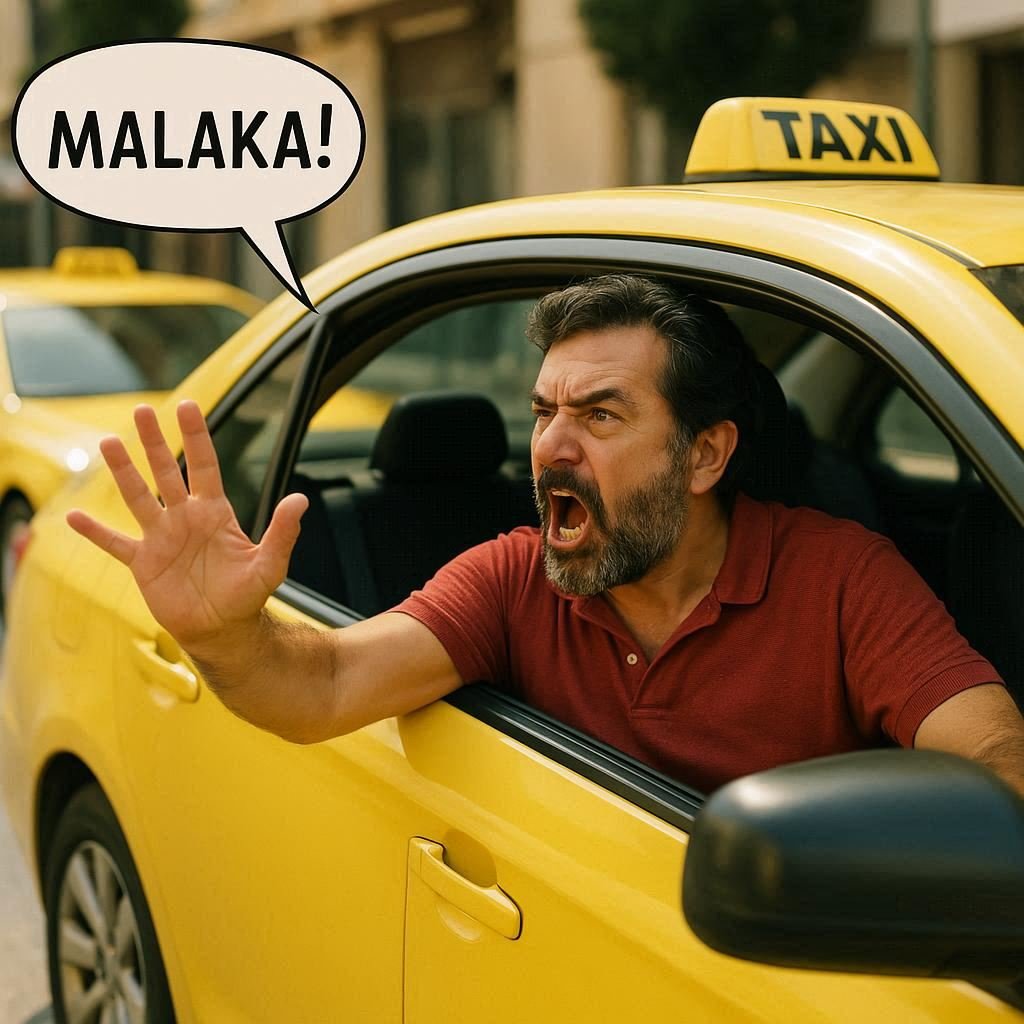
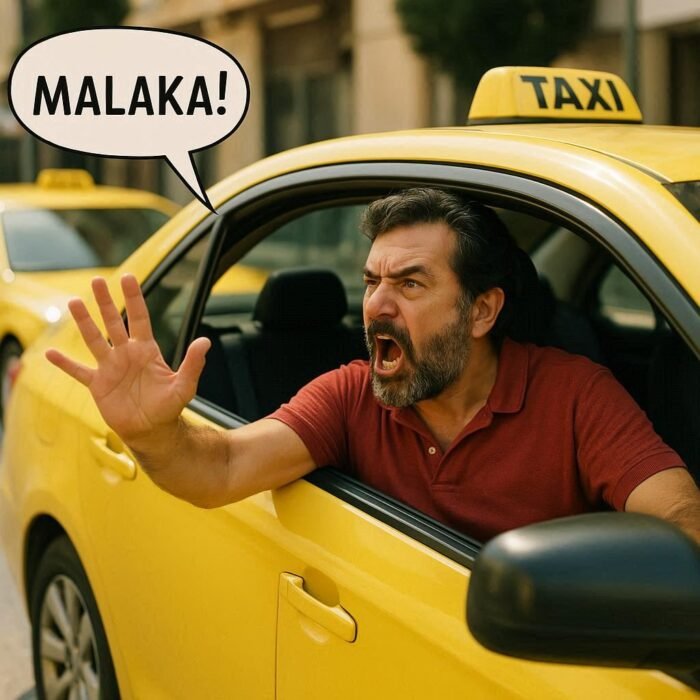
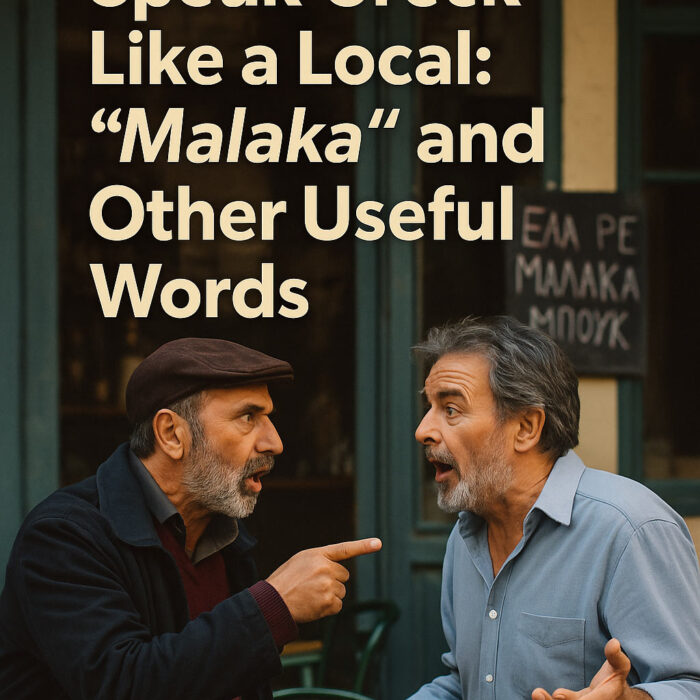
If you’ve ever heard someone shout “Malaka!” across the street and wondered what just happened, you’re in the right place.
This guide skips the formal explanations and shows how Greek slang and swear words are actually used in real life — what they mean, when you’ll hear them, and when it’s better to stay quiet.
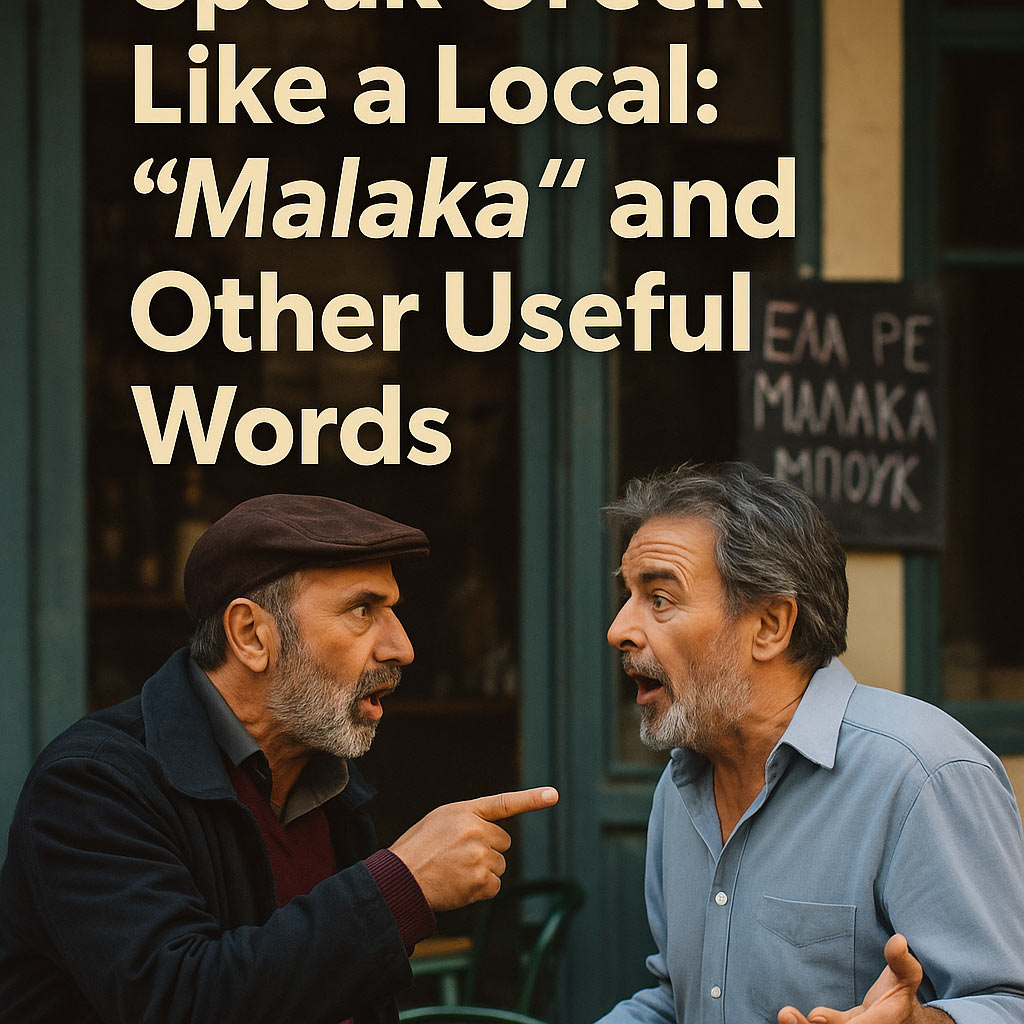
“Malaka” — The Word You Already Know
You might’ve heard it in movies, Greek cafés, or from that loud group on the ferry. We’ve covered Malaka in full here, but in short:
- Literal meaning: Wanker (yep).
- Actual use: Everything from “buddy” to “idiot” — tone and context matter.
- Example:
– “Ela re malaka, pame gia kafe?”
– “Come on, man, let’s go for a coffee.”
Other Greek Words Locals Use Daily
1. Re (ρε)
- What it means: A filler like “hey,” “dude,” or “man.” Not polite when used with a boss or older person.
- How it’s used: In almost every sentence. Friendly or annoyed, it fits.
- Example:
– “Re file, ti kaneis?”
– “Hey man, how are you?”
2. Ela (έλα)
- Literal meaning: “Come.”
- But actually means: “Come on,” “no way,” “seriously?” or “okay.”
- Example:
– “Ela re!” (in disbelief)
– “Come on!” / “No way!”
3. Pame (πάμε)
- Meaning: “Let’s go.”
- Use: Common in groups — for leaving, partying, or just moving along.
- Example:
– “Pame gia ouzo!”
– “Let’s go for ouzo!”
4. Kouklos / Koukla (κούκλος / κούκλα)
- Meaning: “Doll” – used to compliment someone.
- Use: Flirtatious or kind — “handsome” or “beautiful.”
- Example:
– “Koukla mou, pos eisai?”
– “My beautiful girl, how are you?”
5. Gamoto (γαμώτο)
- Literal: A strong swear — softened in everyday use.
- Meaning: “Damn,” “shit,” or “ugh.”
- Use: Out of frustration or when something goes wrong.
- Example:
– “Gamoto, xechasa ta kleidia!”
– “Damn, I forgot the keys!”
6. Endaxi (εντάξει)
- Meaning: “Okay,” “alright,” “got it.”
- Use: Agreement, reassurance, or polite closure.
- Example:
– “Tha se paro avrio, endaxi?”
– “I’ll call you tomorrow, okay?”

Let’s Get Rude: Greek Swear Words Locals Actually Use
Educational Disclaimer: These words are vulgar and offensive. Shown here for cultural and linguistic learning purposes only. Use with caution.
- Malista re vlaka (μαλιστα ρε βλάκα) – “Sure, you idiot”
- P*usti (π*ύστη) – Very offensive; not common with young people
- Kai g*mo (και γ*μώ) – Positive slang (“f***ing awesome!”)
- Xesou (χέσου) – “Sh*t yourself,” expression of contempt
- Trelos or Palavos (τρελός) – “Crazy,” teasing or insult
- P*utana (Π*υτάνα) – “Wh*re,” very insulting, sometimes “p*utanaki”
- G*miese (Γ*μιέσαι) – “You’re getting f*cked,” very strong
- G*miese patokorfa (Γ*μιέσαι πατόκορφα) – “F*cked from top to nails”
- Skase (Σκάσε) – “Shut up!” Rough insult
- Kai g*misou (Και γ*μήσου) – “Go f*ck yourself”
- Koproskylo (Κοπρόσκυλο) – “Lazy dog” or worthless person
- Vlakas/Vlammenous (Βλάκας/Βλαμμένος) – “Idiot” or “retard”
- Ante re! (Άντε ρε!) – “Come on!” / “Get lost”
- Kopane (Κόπανε) – “Knucklehead” or “dumbass”
- Ksekol*asmeni (Ξεκολ*ασμένη) – “Spreads legs too easily,” highly vulgar
- Karagiozis (Καραγκιόζης) – “Clown,” ludicrous person
- Megalo palto (Μεγάλο παλτό) – “Useless person, esp. costly football player”
- Skila (Σκύλα) – F*cking sl*g
- K*rgi*la (female) – Dirty “wh*re”
- Lamogio (Λαμόγιο/Λαμόγια) – Corrupt politician, thief, deceiver
- Ái sto diáolo (Άει στο διάολο) – Go to hell
- Hése mas (Χέσε μας) – “Shit on us”
- Héstika (Χέστηκα) – “I don’t care”
- Ston p*utso mas (Στον π*ύτσο μας) – “I don’t care”
- Sta arch*dia mas (Στα αρχ*δι@ μας) – Same as above
- Sto m*uni mas (Στο μ@υνί μας) – Women’s version
- B*rdélo (Μπ*ρδέλο) – Br*thel / metaphorically “State”
- V*zitoudes (Β*ζιτούδες) – Luxurious wh*res, Italian origin “vizita”
- Vlákas (Βλάκας) – Stupid
- G*mo to kerato mou (Γ*μώ το κέρατο μου) – “F*ck my horn,” metaphorical
- He just told him some French (Του είπε κάτι Γαλλικά) – Football curse including “malakas”
Two Famous Gestures
- Hand to genitals — “I write in my b*llocks what you think about my driving!”
- The “Moutza” — five fingers extended to the face; means “get f*cked” or “go to hell.”
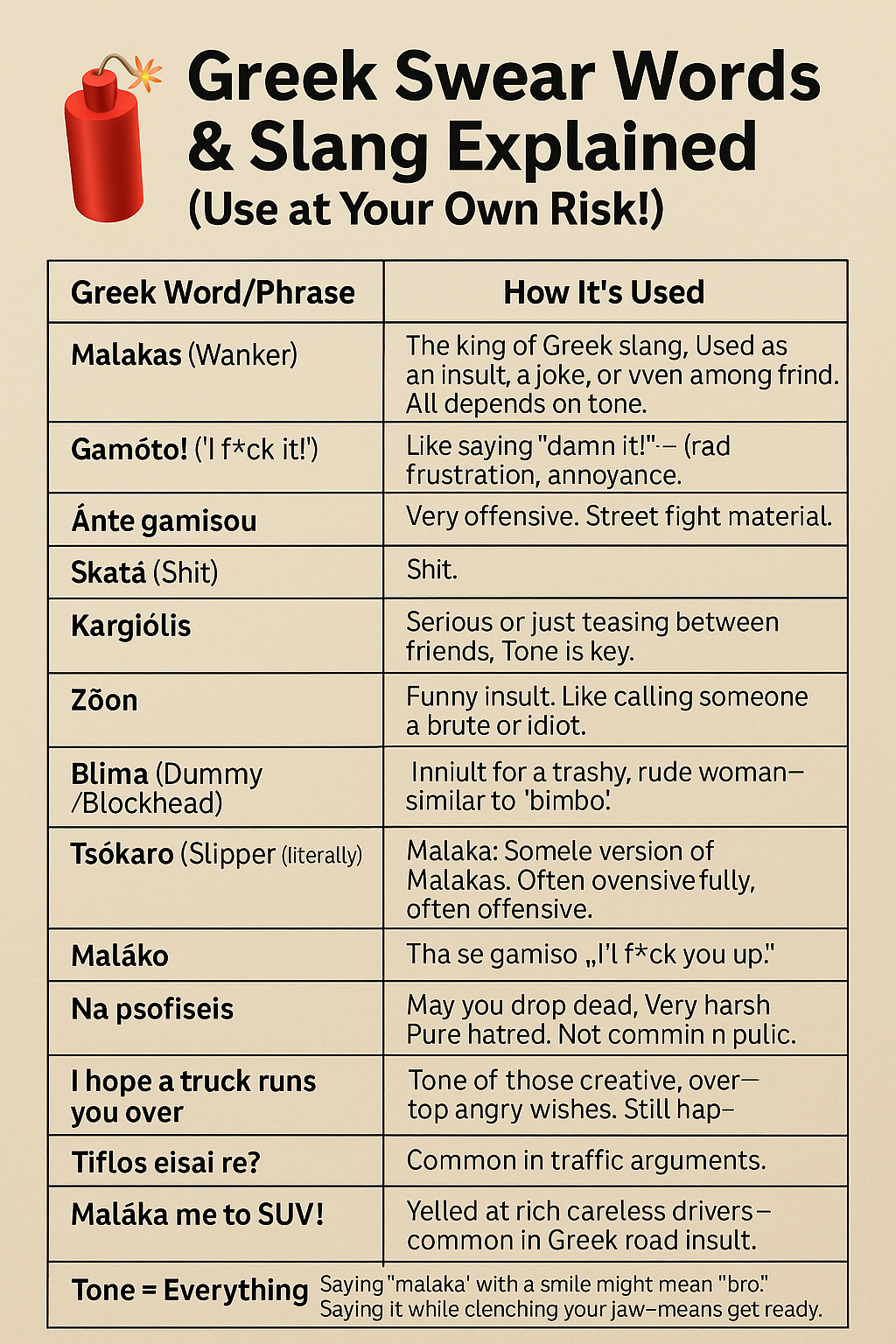
Greek Swear Words & Slang Explained (Use at Your Own Risk!)
Educational Disclaimer: Words are vulgar. The table is for learning the Greek language and culture only. Use responsibly.
| Greek Word/Phrase | Literal Meaning | How It’s Used |
|---|---|---|
| Malakas | Wanker | Used as insult, joke, or among friends. Tone matters. |
| G*móto! | “f*ck it!” | Frustration or annoyance. |
| Ánte g*mísou | Go f*ck yourself | Very offensive, street fight material. |
| Skatá | Shit | Funny or angry insult. |
| P*ustis | F*ggot / Sneaky guy | Historically offensive, sometimes used for shady people. Sensitive. |
| Kargiólis | Bastard | Teasing or serious between men; tone is key. |
| Zóon | Animal | Funny insult, brute, pig, donkey, beast, or idiot. |
| Vlíma | Dummy / Blockhead | Lighthearted, low-level insult. |
| Greek Word/Phrase | Literal Meaning | How It’s Used |
|---|---|---|
| Tsókaro | Slipper | Insult for trashy, rude woman — like “bimbo.” |
| Maláko | Female version of Malakas | Playful or offensive depending on context. |
| Tha se g*míso | I’ll f*ck you up | Aggressive threat, not to be said lightly. |
| Na psofíseis | May you drop dead | Harsh, pure hatred, uncommon publicly. |
| Na se patisi fortigo | To be hit by a truck | Over-the-top angry wish, still happens in road rage. |
| Stravos eisai re? | Are you blind?! | Common in traffic arguments. |
| Maláka mee to SUV! | You idiot with the SUV! | Yelled at careless drivers. Watch pronunciation of “me” → “meee.” |
Greek Swearing Beyond Insults
Greeks don’t just swear to offend — it’s about expression, drama, and connection.
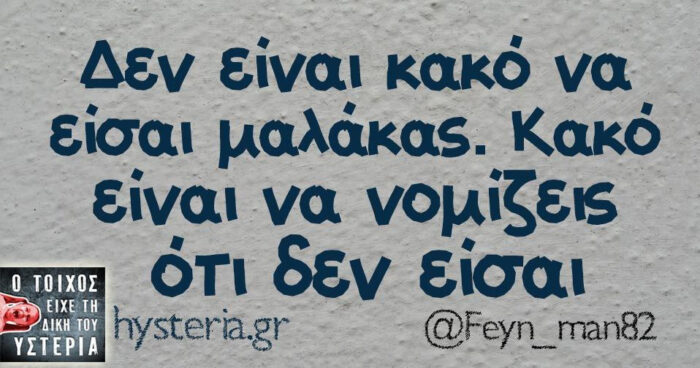
Even rude words are wrapped in tone and relationship: a “malaka” to a friend means love; to a stranger means trouble.
Language reflects passion. So when your Greek friend yells “Skase re!” — check their smile first.
📄 Download Greek Swear Words Infographic (PDF)
✅ Bonus: Greek Slang Survival PDF (Coming Soon)
We’ll be adding a downloadable cheat sheet with key phrases, how to pronounce them, and when not to use them.
Final Words (But Not Final Malakas)
There are thousands more words and expressions to learn for a complete Greek education, but you’ll learn them. If you want, in time.
Greek slang isn’t just language — it’s culture, humor, and soul. Learning just a few words can change how locals see you. So throw in a “re,” say “ela” with confidence, and just maybe — just maybe — you’ll sound like you belong.
Want to go deeper? Start with Malaka first, and don’t forget to check out our full Corfu culture and travel guides.




Comments